Key takeaways:
Proton pump inhibitors (PPIs), like omeprazole, may have long-term side effects. They have been linked to many different complications — like infections and kidney problems — but a lot of the research is controversial.
It’s best to take a PPI for the shortest amount of time necessary. For simple reflux, this means 8 weeks or less. But some conditions need longer treatment.
There are different ways you can stop your PPI with fewer side effects — like using a replacement medication or taking your PPI only when you need it.
Save on related medications
Gastroesophageal reflux disease (GERD) — often called heartburn or reflux — is a very common condition. Many people take proton pump inhibitors (PPIs), like omeprazole (Prilosec) and lansoprazole (Prevacid), for treatment. But long-term use of these medications may raise the risk of other health problems.
Some people need long-term PPIs for more serious problems, like esophageal ulcers or Barrett’s esophagus. But many only need a short-term course for GERD. If this is your situation, you may be able to stop taking these medications. While rebound symptoms might occur, there are strategies to help avoid them.
How to stop taking omeprazole or other PPIs
PPIs help with GERD symptoms by lowering how much acid your stomach produces. If you’ve been taking a PPI for more than 8 weeks and suddenly stop, you may experience increased — or “rebound” — acid production. This can make your GERD symptoms flare up again and lead to increased symptoms for weeks to even months.
Search and compare options
There’s no single method for stopping a PPI. But there are three main strategies you can try, which may help prevent rebound symptoms.
1. Taper your PPI gradually
Many people assume that slowly cutting back on their PPI dose is better than stopping cold turkey. But one study found no significant difference between these strategies. People who gradually cut back over 3 weeks had just as many side effects as those who stopped suddenly. Because of this, the next two strategies may be more effective.
2. Take PPIs on demand
Another strategy is to use your PPI as needed, or on demand. Instead of taking it daily, you take a dose only when GERD symptoms bother you.
Taking PPIs on demand can be helpful for managing your symptoms, as long as you don’t have severe inflammation in the esophagus. If you do, check with your healthcare team before trying this approach.
3. Try a different GERD medication or natural remedies
Another strategy is to try a different GERD medication to help manage rebound symptoms. Some options include:
Histamine-2 receptor antagonists (H2 blockers): H2 blockers help lower how much acid is made in your stomach. Examples include famotidine (Pepcid, Zantac) and cimetidine (Tagamet). Side effects from H2 blockers may include cramps, headaches, and loose stools. Cimetidine can also interact with a lot of medications, including warfarin, phenytoin, and certain antidepressants.
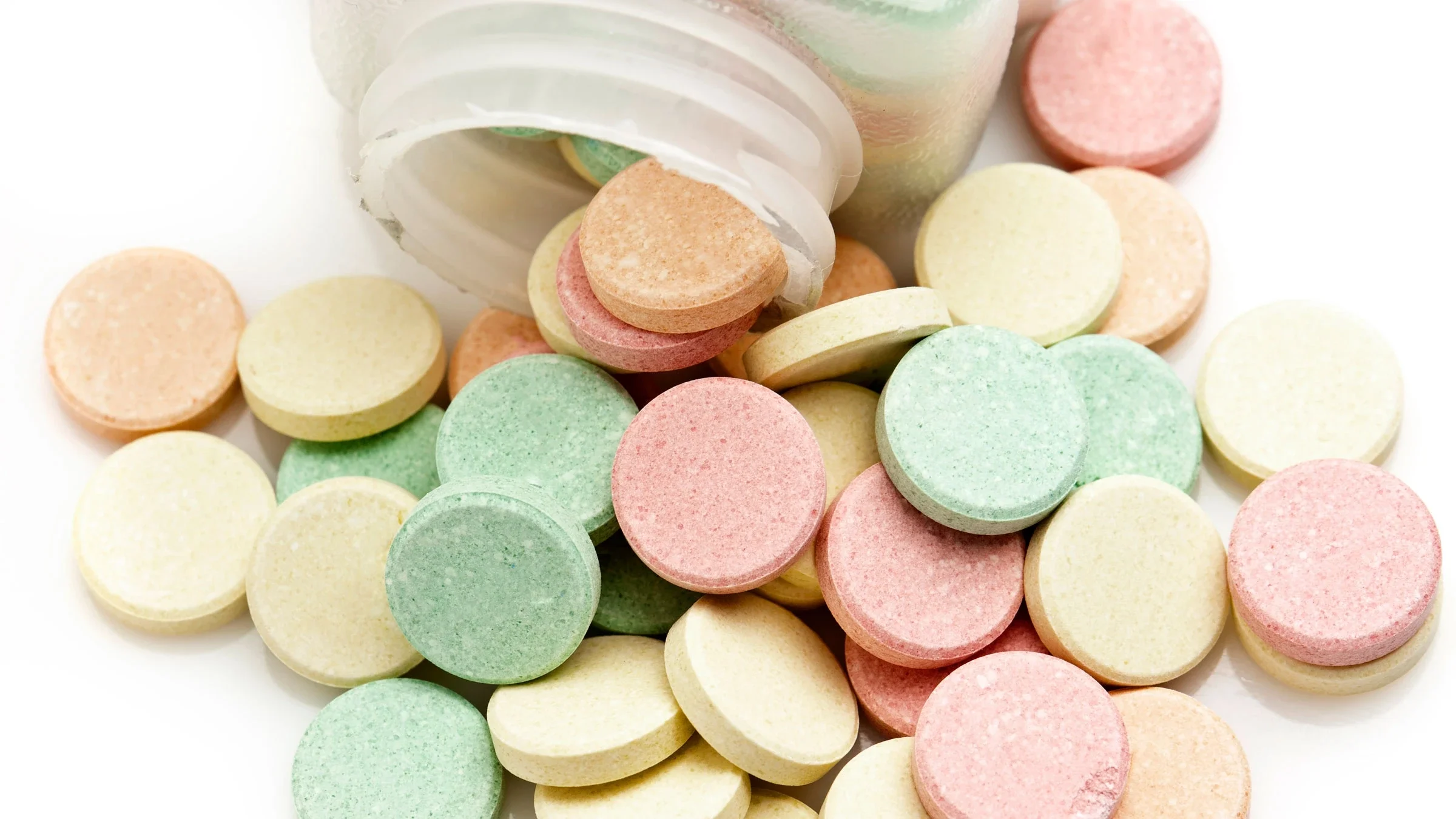
Antacids: Antacids work by neutralizing stomach acid. They can quickly relieve symptoms. Examples include calcium carbonate (Tums) and calcium carbonate / magnesium hydroxide (Rolaids). Antacids may cause some side effects like constipation or gas.
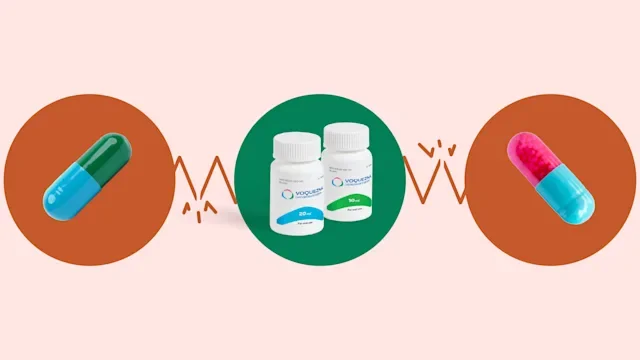
Potassium-competitive acid blockers: These medications block stomach acid from being released and may be more effective than PPIs in some cases. Some research showed vonoprazan (Voquezna) worked faster than lansoprazole to manage symptoms.
Natural remedies: Eating smaller meals, avoiding foods that trigger heartburn, and not eating right before bedtime can go a long way toward improving GERD symptoms. Other common remedies like milk and apple cider vinegar are popular home remedies for GERD. But they don’t have much scientific evidence that they actually work.
Do you need long-term PPIs?
For complicated stomach problems, PPIs are a valuable long-term treatment. There’s no official definition for long-term use, but it usually means more than 2 to 6 months.
Conditions that need longer-term PPI use include:
Complicated GERD that causes esophagitis (inflammation of your esophagus) or strictures (scarring and narrowing of your esophagus)
Barrett’s esophagus, a condition in which your esophageal lining changes and can progress to esophageal cancer
Bleeding and ulcer prevention if you’re taking high-dose or long-term nonsteroidal anti-inflammatory drugs (NSAIDs)
If you’ve been prescribed a PPI, ask your prescriber how long you need to take it. And if you’ve been taking one, ask about lowering your dose.
If you have uncomplicated GERD, you may not need a PPI. Here’s why:
If you’re not taking a PPI yet and have very mild GERD symptoms, you might not need one at all. There are many other treatment options, including different over-the-counter (OTC) medications and lifestyle changes.
If you’re already taking a PPI, the goal is to take PPIs at the lowest effective dose for the shortest time needed. The FDA recommends using PPIs for 8 weeks or less.
If you have been taking a PPI for over 8 weeks but don’t feel any better, check in with your healthcare team. But, if you do feel better, then it may be time to stop.
When to see a healthcare professional
If you’d like to stop taking your PPI, it’s always best to make this a joint decision with your prescriber. They can guide you through the next best steps to take and any alternatives to manage your GERD symptoms.
You should also see a healthcare professional for advice if:
You have symptoms of GERD that last longer than 2 months
You developed new or worsening symptoms while taking your PPI
You’ve tried stopping your PPI but still have severe rebound symptoms
These could be signs of more complicated GERD or another issue that actually needs longer PPI treatment.
What are the long-term side effects of PPIs like omeprazole?
Experts have expressed concerns that people who use PPIs for more than a few months may be at higher risk for certain health problems. It’s important to note that although PPIs have been associated with these conditions, that doesn’t necessarily mean they caused them.
Conditions that have been linked to long-term PPI use include:
Dementia: A large study of adults over age 75 found that people who regularly use PPIs were almost 45% more likely to develop dementia. But these people also had more health problems and took more medications in general, which may be the true source of this increased risk. There’s conflicting evidence on whether PPI use increases the risk for dementia or not. Research is ongoing in this area.
Bone fracture: PPIs might increase the risk of fractures (broken bones) by affecting how well you absorb calcium and other nutrients. This risk seems worse in people who take higher doses (more than 1 dose a day) over longer periods of time (over 1 year).
Infections: Some studies have suggested long-term PPI use increases the risk of pneumonia, especially in older adults. But other studies have found no association, so the connection is unclear. Long-term PPI use may also increase the risk of Clostridium difficile infection, a type of intestinal infection, particularly in children.
Cancer: Some research suggests that people who use PPIs long term may be more likely to develop gastrointestinal cancer compared to those taking H2 blockers. But the overall risk remains very low for both groups.
Kidney problems: PPIs have been tied to kidney damage in older adults, though not necessarily long-term damage. But using higher-dose PPIs over longer periods of time seems to increase the risk of more permanent chronic kidney disease.
Heart and blood vessel disease: There’s conflicting information on the risk of heart disease with PPI use. Some studies have found that people who took PPIs long term (an average of 5 years or more) had twice the risk of heart disease, stroke, and heart failure. But more recent studies haven’t shown any association.
Many of these conditions and associations sound scary. But remember that researchers haven’t proven that PPIs directly cause these complications. And many people don’t have to take PPIs long term.
Frequently asked questions
When you stop taking a proton pump inhibitor (PPI) like omeprazole, you may experience acid rebound symptoms. This can feel just like gastroesophageal reflux disease (GERD). This can include a burning sensation in your chest or throat, nausea, pain when you swallow, and burping.
No food or drink can really cure heartburn. But eating foods high in fiber and low in acidity may help. Whether or not you’re taking omeprazole, managing heartburn is really more about avoiding triggers. Try to limit coffee, soda, and alcohol, as well as acidic fruit juices like orange juice.
There’s no natural substitute for omeprazole, but there are many lifestyle changes that can help your symptoms. Avoiding alcohol, tobacco, and spicy, greasy foods may help. One small study suggested that licorice may improve GERD symptoms, but there’s limited evidence of its benefit.
When you stop taking a proton pump inhibitor (PPI) like omeprazole, you may experience acid rebound symptoms. This can feel just like gastroesophageal reflux disease (GERD). This can include a burning sensation in your chest or throat, nausea, pain when you swallow, and burping.
No food or drink can really cure heartburn. But eating foods high in fiber and low in acidity may help. Whether or not you’re taking omeprazole, managing heartburn is really more about avoiding triggers. Try to limit coffee, soda, and alcohol, as well as acidic fruit juices like orange juice.
There’s no natural substitute for omeprazole, but there are many lifestyle changes that can help your symptoms. Avoiding alcohol, tobacco, and spicy, greasy foods may help. One small study suggested that licorice may improve GERD symptoms, but there’s limited evidence of its benefit.
The bottom line
Long-term use of proton pump inhibitors (PPIs) has been linked to different health problems, but the evidence is still unclear. So, you should use your PPI for as long as you need it, especially if you have a history of more serious stomach problems.
But if you’re taking a PPI for gastroesophageal reflux disease (GERD) and already feeling better, you may be able to stop. Talk with your healthcare team to see if this is a safe option for you. There are tips and other medications that can help you stop your PPI without getting rebound reflux.

Why trust our experts?



References
Abrahami, D., et al. (2021). Proton pump inhibitors and risk of gastric cancer: Population-based cohort study. Gut.
Adams, D. J., et al. (2021). Community-associated Clostridioides difficile infection in children: A review of recent literature. Journal of the Pediatric Infectious Diseases Society.
Antoniou, T., et al. (2015). Proton pump inhibitors and the risk of acute kidney injury in older patients: A population-based cohort study. CMAJ Open.
Begg, M., et al. (2023). Comparing the safety and efficacy of proton pump inhibitors and histamine-2 receptor antagonists in the management of patients with peptic ulcer disease: A systematic review. Cureus.
Bell, E. J., et al. (2021). Association of proton pump inhibitors with higher risk of cardiovascular disease and heart failure. Mayo Clinic Proceedings.
Björnsson, E., et al. (2006). Discontinuation of proton pump inhibitors in patients on long-term therapy: A double-blind, placebo-controlled trial. Alimentary Pharmacology & Therapeutics.
Di Pierro, F., et al. (2013). Outcomes in patients with nonerosive reflux disease treated with a proton pump inhibitor and alginic acid ± glycyrrhetinic acid and anthocyanosides. Clinical and Experimental Gastroenterology.
Estborn, L., et al. (2015). Frequency and time to onset of community-acquired respiratory tract infections in patients receiving esomeprazole: A retrospective analysis of patient-level data in placebo-controlled studies. Alimentary Pharmacology & Therapeutics.
Freedberg, D. E., et al. (2017). The risks and benefits of long-term use of proton pump inhibitors: Expert review and best practice advice from the American Gastroenterological Association. Gastroenterology.
Gomm, W., et al. (2016). Association of proton pump inhibitors with risk of dementia: A pharmacoepidemiological claims data analysis. JAMA Neurology.
Haastrup, P. F., et al. (2021). When does proton pump inhibitor treatment become long term? A scoping review. BMJ Open Gastroenterology.
Inadomi, J. M., et al. (2001). Step-down management of gastroesophageal reflux disease. Gastroenterology.
Kamboj, A., et al. (2024). Long-term proton pump inhibitor use: Review of indications and special considerations. Clinical Gastroenterology and Hepatology.
Kang, S. J., et al. (2022). On-demand versus continuous maintenance treatment of gastroesophageal reflux disease with proton pump inhibitors: A systematic review and meta-analysis. Journal of Neurogastroenterology and Motility.
Khan, Z., et al. (2024). Proton pump inhibitors and cognitive health: Review on unraveling the dementia connection and co-morbid risks. Current Alzheimer Research.
Parmar, M. P., et al. (2023). Impact of proton pump inhibitors on kidney function and chronic kidney disease progression: A systematic review. Cureus.
Qian, Y., et al. (2020). Proton-pump inhibitor use and myocardial infarction: A nested case-control study in the UK Clinical Practice Research Datalink. Epidemiology.
Sawaid, I. O., et al. (2024). Proton pump inhibitors and cancer risk: A comprehensive review of epidemiological and mechanistic evidence. Journal of Clinical Medicine.
Targownik, L. E., et al. (2022). AGA clinical practice update on de-prescribing of proton pump inhibitors: Expert review. Gastroenterology.
Wang, L., et al. (2017). Proton pump inhibitors and the risk for fracture at specific sites: Data mining of the fda adverse event reporting system. Scientific Reports.
Zirk-Sadowski, J., et al. (2018). Proton-pump inhibitors and long-term risk of community-acquired pneumonia in older adults. Journal of the American Geriatrics Society.