Key takeaways:
In 2026, glucagon-like peptide-1 (GLP-1) receptor agonists are expected to continue expanding into new FDA-approved uses. Examples include peripheral artery disease and certain types of heart failure.
New injectable GLP-1s are advancing through clinical trials. CagriSema (cagrilintide / semaglutide) is the furthest along, with an FDA response expected sometime in 2026.
Oral GLP-1s are now a reality. The Wegovy pill launched in January 2026. Orforglipron, a non-peptide GLP-1, could be approved in the second quarter of 2026.
Direct-to-consumer access to GLP-1s continues to grow, reshaping how people start and pay for treatment. For example, GoodRx coupons can help people save on their GLP-1 prescription.
Save on related medications
Originally developed for Type 2 diabetes, glucagon-like peptide-1 (GLP-1) receptor agonists have transformed the weight-loss medication market. And in recent years, their popularity has soared due to their effectiveness and versatility.
As we look ahead for the rest of 2026, several key trends are set to redefine the GLP-1 landscape — from broadening applications to expanded access. Here’s a closer look at what to expect.
What are GLP-1 receptor agonists?
GLP-1 receptor agonists mimic a natural gut hormone in the body called GLP-1. GLP-1 is involved in regulating blood glucose (sugar), appetite, and digestion. GIP/GLP-1 receptor agonists work in a similar way. But they mimic GLP-1 and a second hormone called glucose-dependent insulinotropic polypeptide (GIP) for added benefits.
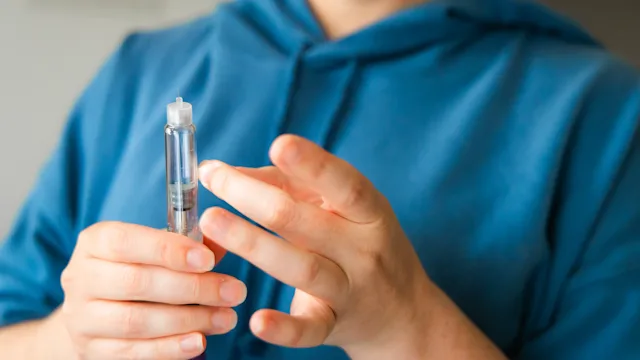
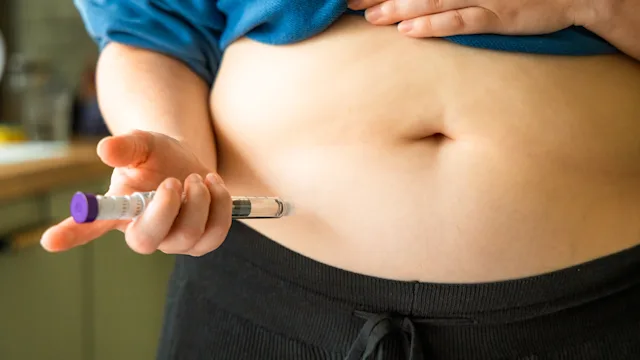
Most GLP-1s are injectables. Two oral options, Rybelsus (semaglutide) and the Wegovy pill (semaglutide), are available. Currently, there are 11 FDA-approved GLP-1 medications:
Active ingredient | Brand name(s) for Type 2 diabetes | Brand name for weight loss |
|---|---|---|
Semaglutide | ||
Tirzepatide* | ||
Liraglutide | ||
Dulaglutide | N/A | |
Byetta, Bydureon BCise (brand names no longer available) | N/A |
*Considered a GIP/GLP-1 receptor agonist
Next, let’s explore five GLP-1 trends to watch in 2026.
1. Expanded uses and higher doses
In 2026, GLP-1s are no longer viewed solely as diabetes or weight-loss medications. They’re increasingly positioned as versatile therapies with benefits for several of your body’s organs, including the kidneys, heart, liver, and more.
GLP-1s could gain approval for new uses in 2026, including:
Heart failure with preserved ejection fraction (HFpEF): Semaglutide has significant potential for HFpEF among people with a larger body size. Obesity is a potential cause of HFpEF and can worsen symptoms, making GLP-1s a natural fit for treatment. Wegovy is currently under FDA review for HFpEF treatment.
Peripheral artery disease (PAD): PAD is common among people with Type 2 diabetes and can cause leg pain and difficulty walking. Ozempic is under FDA review for PAD, based on studies showing improvements in walking distance and quality of life.
Examples of other potential uses under investigation include treatments for polycystic ovary syndrome and substance use disorders.
New GLP-1 doses could also be approved in 2026. The highest Wegovy injection dose is currently 2.4 mg. But a higher 7.2 mg dose is being reviewed by the FDA. During clinical trials, people in the Wegovy 7.2 mg group lost almost 19% of their starting body weight. Those that stayed on treatment the whole duration lost nearly 21%.
2. New injectable GLP-1s
Several promising injectable GLP-1 therapies are in development, with the potential to deliver even better results. Of these, CagriSema is the furthest along with approval pending in 2026.

Read more like this
Explore these related articles, suggested for readers like you.




CagriSema is semaglutide paired with cagrilintide. Cagrilintide is a new, long-acting medication that acts like amylin. Amylin is a hormone that helps promote fullness after meals. The effects of semaglutide with amylin appear to be greater than either medication on its own.
In clinical trials, people in the CagriSema group lost about 20% of their starting body weight at 68 weeks (about 16 months). Those who stayed on the medication the entire trial lost about 23%.
A head-to-head trial comparing CagriSema to tirzepatide, the current leader in weight-loss effectiveness, is expected to wrap up in 2026. CagriSema is also being studied for weight loss among people with Type 2 diabetes and for cardiovascular benefits among people with heart disease.
Other promising injectable GLP-1 medications advancing through clinical trials include:
3. Oral options
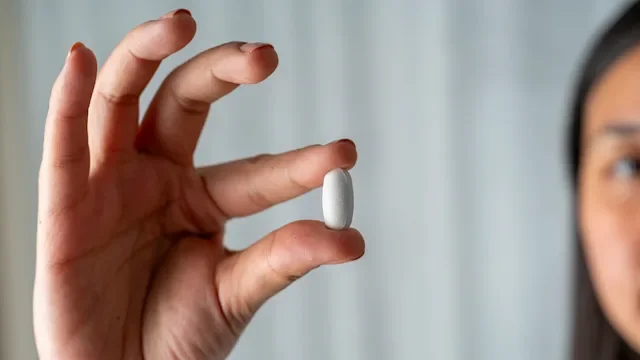
Not everyone is comfortable giving themselves shots, which makes oral GLP-1 medications an appealing alternative. After launching in January 2026, the Wegovy pill quickly gained attention as a needle-free option for weight loss.
Today, oral semaglutide — sold under the brand names Wegovy, Ozempic, and Rybelsus — is the only GLP-1 receptor agonist available in oral form. But another GLP-1 pill, called orforglipron, may be approved in the second quarter of 2026.
Unlike peptide-based GLP-1s, orforglipron is a small molecule that’s made by linking together simpler chemical building blocks. This can make it easier and less expensive to produce.
During clinical trials, people taking the highest orforglipron dose lost about 11% of their starting body weight at 72 weeks (about 17 months). Another trial showed that orforglipron helped people maintain weight loss after treatment with injectable Wegovy and Zepbound.
4. Direct-to-consumer access
Direct-to-consumer (DTC) models have become one of the biggest access trends for GLP-1 medications. In 2026, many people are starting or managing GLP-1 therapy outside traditional in-person visits and retail pharmacies.
Several manufacturers now offer DTC pharmacy programs that can simplify access and, in some cases, lower out-of-pocket costs. For example, NovoCare Pharmacy and LillyDirect allow eligible people to receive their GLP-1 medication shipped directly to their home. These programs often use manufacturer-sponsored discounts and cash-pay pricing that bypass traditional insurance hurdles.
Telehealth platforms, such as GoodRx for Weight Loss, have also expanded GLP-1 access by offering virtual evaluations, prescriptions, and ongoing support. These options can improve convenience and speed, and may provide similar manufacturer cash-pay pricing, giving people more ways to start and maintain treatment.
GoodRx coupons can also help you save on your GLP-1 prescription. If you're new to using GoodRx for semaglutide savings, pay an introductory price for the first two fills: $199 per month for Ozempic or Wegovy injections, or $149 for the Wegovy pill (only available for certain doses). After that, most ongoing fills are $299 or $349 per month, depending on the medication and dose.
5. Insurance coverage changes
In 2026, insurance coverage for GLP-1 medications is increasingly splitting in two directions. Many plans continue to cover GLP-1s for Type 2 diabetes and certain cardiovascular uses. But coverage for weight loss alone is tightening.
Commercial and employer plans: Most individual and employer-sponsored plans still cover GLP-1s for diabetes and cardiovascular risk reduction. But many treat weight loss as optional and either exclude it or apply strict eligibility rules. Some insurers, including certain Blue Cross plans, are dropping or scaling back coverage for medications like Wegovy, Saxenda, and Zepbound when they’re used only for weight loss.
Medicare and Medicaid: Medicare and Medicaid are testing a new voluntary program to make GLP-1 medications easier to get, while keeping costs in check. The program will roll out first in Medicaid and later in Medicare drug plans, with an earlier temporary Medicare effort planned so some people can start accessing these medications sooner.
Cost, access, and DTC options: Insurance coverage for weight loss remains limited and uneven. As mentioned above, many people are turning to cash-pay and DTC options as a result. These options may offer discounted pricing. But they aren't insurance benefits, and long-term affordability remains a challenge.
The bottom line
In 2026, glucagon-like peptide-1 (GLP-1) receptor agonists will continue to reshape the treatment landscape for Type 2 diabetes, obesity, and beyond. Expanded uses, new injections and oral options, and direct-to-consumer access are a few trends to watch.
The future of GLP-1 insurance coverage presents a complex picture. Some insurers are limiting or dropping coverage for weight loss. But there are also efforts to expand access through Medicare and Medicaid. And a growing list of indications could also broaden coverage.

Why trust our experts?



References
Blue Cross Blue Shield of Massachusetts. (2026). Coverage change: GLP-1 medications.
Boehringer Ingelheim. (2023). Boehringer Ingelheim to advance survodutide into three global Phase III studies in obesity.
ClinicalTrials.gov. (n.d.). Search results: Substance use, semaglutide. National Library of Medicine.
ClinicalTrials.gov. (2025). REDEFINE 3: A research study to see the effects of CagriSema in people living with diseases in the heart and blood vessels (REDEFINE 3). National Library of Medicine.
ClinicalTrials.gov. (2025). Role of semaglutide in restoring ovulation in youth and adults with Polycystic Ovary Syndrome (RESTORE). National Library of Medicine.
ClinicalTriala.gov. (2026). A research study to see how well CagriSema compared to tirzepatide helps people with obesity lose weight. National Library of Medicine.
ClinicalTrials.gov. (2026). A research study to see how well CagriSema helps people with Type 2 diabetes and excess body weight lose weight (REDEFINE 2). National Library of Medicine.
CMS.gov. (2025). CMS launches voluntary model to expand access to life-changing medicines, promote healthier living. Centers for Medicare & Medicaid Services.
D’Ascanio, A., et al. (2024). Cagrilintide: A long-acting amylin analog for the treatment of obesity. Cardiology in Review.
Dehestani, B., et al. (2021). Amylin as a future obesity treatment. Journal of Obesity & Metabolic Syndrome.
Eli Lilly and Company. (2025). Lilly's orforglipron helped people maintain weight loss after switching from injectable incretins to oral GLP-1 therapy in first-of-its-kind Phase 3 trial. PR Newswire.
Novo Nordisk. (2025). Novo Nordisk files for FDA approval of a higher dose of Wegovy injection 7.2 mg. PR Newswire.
Novo Nordisk. (2025). Novo Nordisk files for FDA approval of CagriSema, the first once-weekly combination of GLP‑1 and amylin analogues for weight management. PR Newswire.
Temporelli, P. L. (2024). Role of glucagon-like peptide-1 agonists in obesity and heart failure with preserved ejection fraction. European Heart Journal Supplements.
Viking Therapeutics. (2024). Viking Therapeutics reports new data from VK2735 obesity program at ObesityWeek 2024. PR Newswire.
Wharton, S., et al. (2025). Once-weekly semaglutide 7·2 mg in adults with obesity (STEP UP): a randomised, controlled, phase 3b trial. The Lancet.
Wingrove, P. (2026). Exclusive: US FDA delays two drug reviews in new voucher program after safety, efficacy concerns. Reuters.
Zheng, Z., et al. (2024). Glucagon-like peptide-1 receptor: mechanisms and advances in therapy. Signal Transduction and Targeted Therapy.