Key takeaways:
Compounds are custom-made medications available through specialized pharmacies. They’re often prescribed when an FDA-approved medication, dose, or dosage form is unavailable or not appropriate.
While FDA-approved semaglutide injections (Ozempic, Wegovy) were in shortage, pharmacies started making compounded semaglutide injections. This practice has continued despite the shortage being resolved. Unregulated semaglutide products are also being sold without a prescription.
Compounded semaglutide sublingual drops, orally disintegrating tablets, and nasal sprays are also being advertised. But there aren’t clinical studies showing that these forms of semaglutide are safe or effective.
If you're new to using GoodRx for semaglutide savings, pay an introductory price for the first two fills: $199 per month for Ozempic or Wegovy injections, or $149 for the Wegovy pill (only available for certain doses). After that, most ongoing fills are $299 or $349 per month, depending on the medication and dose. Subscribers to GoodRx for Weight Loss can access FDA-approved, brand-name GLP-1 medications.
Save on related medications
Whether it’s due to an ingredient allergy or other reasons, compounding pharmacies can help tailor a custom-made medication to meet your needs. And when drug shortages happen, they can play an important role, too.
Two semaglutide injections, Ozempic and Wegovy, were previously affected by shortages. Given the demand, some compounding pharmacies jumped at the opportunity to fill a medical need. By mixing up semaglutide injections from scratch, they could help people continue treatment until the shortage was over.
Under certain conditions, the FDA may allow pharmacies to make medications that are in shortage. But as of February 2025, the FDA declared that the semaglutide shortage was resolved. Even so, compounded semaglutide products may not disappear completely. In this case, compounded semaglutide may seem like a tempting alternative. But is it worth the risk?
What is compounded semaglutide?
Compounded semaglutide is a medication that’s custom-made for you by a compounding pharmacy. It contains the active ingredient semaglutide, which is a glucagon-like peptide-1 (GLP-1) receptor agonist. Semaglutide is found in several FDA-approved medications: Ozempic, Wegovy (pen and pill), and Rybelsus.
Does this mean that compounded semaglutide is the same as Ozempic, Wegovy, or Rybelsus? The short answer: No. And these products are not “generic Ozempic” or “generic Wegovy.” Generic drugs are FDA approved and must show that they’re bioequivalent to the brand-name drug. There are no FDA-approved generics of these medications yet.
You may see compounded semaglutide in several different dosage forms, including:
Injections
Sublingual (under the tongue) drops
Orally disintegrating tablets (ODTs)
Oral capsules or tablets
Nasal sprays
Compounded semaglutide medications are not FDA approved. Their safety and effectiveness haven’t been established. So it’s not guaranteed that you’ll get the same results with them as with the FDA-approved products.
Why is semaglutide being compounded?
Some pharmacies were compounding semaglutide injections to help people access treatment while Ozempic and Wegovy were in shortage. But as of February 2025, the FDA announced that the shortage is resolved. Rybelsus (oral semaglutide for Type 2 diabetes) was not affected by shortages and remains available. And as of January 2026, the Wegovy pill is also on the market.
Cost isn’t considered a valid reason for compounding copies of semaglutide medications when the FDA-approved product is available. And making small changes just to bypass FDA requirements isn’t allowed either. If you’ve been using compounded semaglutide, you may need to transition to Ozempic or Wegovy in order to continue treatment.
Compounded semaglutide vs. Ozempic and Wegovy
So what exactly is the difference between compounded semaglutide and Ozempic, Wegovy, and Rybelsus? Their testing and approval, ingredients, and dosage forms are a few differences to consider.
| Compounded semaglutide | Ozempic and Wegovy | |
|---|---|---|
| FDA approved? | No | Yes |
| Where they’re made | Compounding pharmacies regulated by state boards of pharmacy or FDA-registered outsourcing facilities | FDA-registered Novo Nordisk facilities |
| Ingredients | Inactive ingredients can vary; some pharmacies may use semaglutide salts or add extra ingredients | Contain semaglutide base; consistent ingredients used in each product |
| Dosage forms |
|
|
| Medication delivery (for injection) | Vials | Prefilled injection pens |
| Dosage strengths | Varies |
|
Testing and approval
Ozempic, Wegovy, and Rybelsus are all FDA-approved medications made by Novo Nordisk. This means they’ve gone through rigorous testing and review to ensure that they’re safe and effective for their intended uses. During the approval process, the FDA also evaluated where and how these medications are made.
Compounded semaglutide medications are made by specialized pharmacies that source ingredients and combine them to make a finished product. These medications are custom made. So they aren’t required to go through the same rigorous testing and approval process. This means they don’t have the same evidence for safety and efficacy as the commercial products.

Read more like this
Explore these related articles, suggested for readers like you.




Ingredients
When compounding semaglutide, pharmacies will use a recipe that’s likely different from Ozempic, Wegovy, or Rybelsus. The commercial medications serve as a reference, but there may be some minor changes in the inactive ingredients. This is typical with compounded medications.
But some compounded semaglutide medications may also contain extra ingredients that haven’t been tested with semaglutide, such as vitamin B12. It’s not fully known how these additions might affect the compounded medication. And in some cases, these extra ingredients are commercially available and can be administered separately if needed. So there may not be a medical need to add them to the compounded formula in the first place.
Concerns have also been raised about the ingredients used to make some compounded semaglutide products, including:
Semaglutide salts: According to the FDA, semaglutide salts, such as semaglutide acetate, should not be used for compounding. They’re different from what’s contained in Ozempic, Wegovy, and Rybelsus, which are made with semaglutide base.
Unauthorized sources: Semaglutide base must be manufactured by an FDA-registered facility in order to meet federal requirements. Some pharmacies may be purchasing semaglutide base from facilities that don’t meet this requirement, raising quality and safety concerns.
Non-pharmaceutical grade ingredients: Some pharmacies may be purchasing semaglutide that’s labeled “for research use only” to make their compounds. These chemicals are unregulated and are not meant to be used in people. So they don’t meet the federal requirements for compounding.
Medication delivery and storage
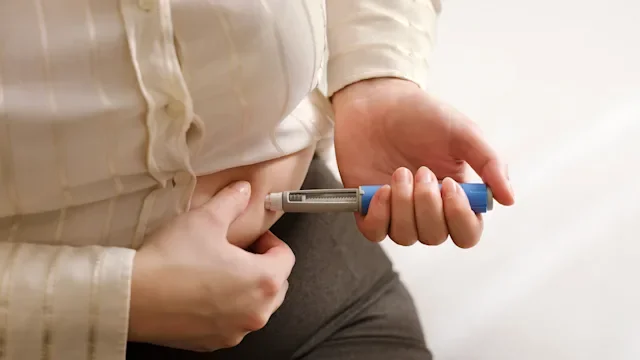
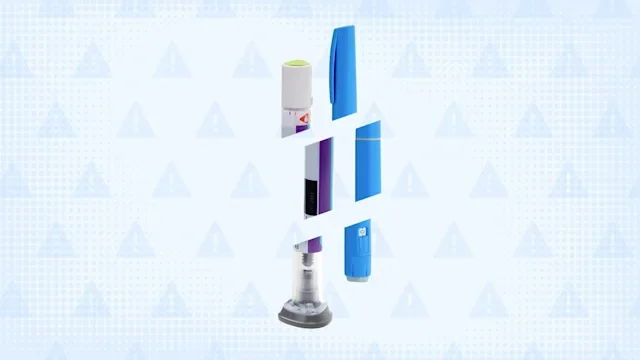
Ozempic and Wegovy injections are only available as prefilled injection pens. Compounded semaglutide injections are usually dispensed in a vial. That means you’ll need to draw up your specific dose with a syringe prior to injecting it.
Storage requirements and shelf life will also likely be different with compounded semaglutide. This can depend on how the injections are made.
Dosages
Ozempic and Wegovy come in a limited number of standardized, pre-measured doses that have been extensively studied in clinical trials. And because these are FDA-approved products, every injection pen and pill is designed to deliver a consistent and predictable amount of semaglutide with each dose.
Compounded semaglutide, on the other hand, can be formulated to provide doses that are different from the commercial products. This includes “microdoses” — much smaller doses than those approved by the FDA. These products are often promoted as more customizable or easier to tolerate. But there isn’t evidence to support microdoses, and sticking with very low doses may not give you the same results you’d expect from standard doses.
Dosage forms
Ozempic and the Wegovy pen are injectable medications, while Rybelsus and the Wegovy pill are oral tablets. All four medications have been carefully formulated and tested to ensure their effectiveness and safety. And studies have been done to understand the expected levels of semaglutide in the body when taking these specific forms and doses.
Compounded semaglutide comes in a variety of dosage forms beyond injections. Semaglutide in the form of sublingual drops, ODTs, and nasal sprays hasn’t been studied in humans. There aren’t any FDA-approved versions of these dosage forms to use as a reference. And the absorption rate of semaglutide in these forms is not well understood. So it’s difficult to know what to expect from taking these medications.
Is compounded semaglutide safe and effective?
It’s not possible to say for certain. This is because the FDA doesn’t evaluate the safety and effectiveness of compounded medications. But that doesn’t mean that they’re ineffective or dangerous. Compounded medications have an important place in medicine. Yet, they also have their own unique risks.
Unlike drug manufacturers, compounding pharmacies are primarily regulated by state boards of pharmacy. Compounding regulations and the degree of oversight can vary by state. So not all compounding pharmacies are following the same set of quality standards. But some pharmacies may be accredited. This means that they’ve been found to meet a specific set of standards.
Some compounding pharmacies, known as outsourcing facilities, are registered with the FDA. These pharmacies are inspected by the FDA. They’re also required to follow stricter regulations called current good manufacturing practice regulations.
Keep in mind that the quality of compounded medications can vary across pharmacies. The pharmacy that fills your prescription, the ingredients they use, and how they make it matters.
What are the side effects and risks of using compounded semaglutide?
Compounded semaglutide may cause many of the same side effects as Ozempic and Wegovy. But keep in mind that these products aren’t the same across the board. They can also differ from FDA-approved forms in their dose, route of administration, and ingredients, which can influence potential side effects.
Common semaglutide side effects include:
Nausea and vomiting
Diarrhea or constipation
Stomach pain
Gas and bloating
Fatigue
Rare but serious semaglutide side effects include:
Very low blood sugar (glucose)
Gastroparesis (slowed stomach emptying)
Acute (sudden) kidney damage
Increased risk of certain types of thyroid tumors
Because of these side effects, some people may be advised to avoid GLP-1s like semaglutide altogether.
Risks specific to compounded semaglutide
In addition to the risks outlined above, there are other potential risks associated with using compounded semaglutide. Examples of these include:
Inappropriate ingredients: As covered above, some pharmacies may be using ingredients that don’t meet FDA requirements. These ingredients may have unknown quality and purity. Or they may not work the same way as the original ingredient.
Potential contamination: There are risks of contamination with compounded semaglutide injections, especially if they’re not made properly or in a sterile environment. One study found that about 45% of drug recalls over a roughly 10-year period were from compounding pharmacies. These recalls were mostly due to sterility concerns.
Impurities: According to Novo Nordisk, compounded semaglutide products tested by the company were found to contain unknown impurities up to 33%.
Quality control processes: Compounding pharmacies may not have the same rigorous quality control processes as drug manufacturers. This can be particularly risky if they’re producing a large volume of these compounded medications.
Dosage errors: Compounded semaglutide vials don’t have the same safety features as the prefilled injection pens. So there can be a higher risk of injecting too much semaglutide. This may be more likely if you aren’t provided clear instructions with your prescription, or if you aren’t familiar with how to use a syringe to measure your dose.
Many of these risks are possible with any medication. But it’s especially important to be aware of them with compounded semaglutide. Working with an experienced, reputable pharmacy can help lower the risk of these potential issues.
What to look for when buying compounded semaglutide
As mentioned, compounded copies of semaglutide injections have been largely phased out. In most cases, your next step would be switching from compounded semaglutide to an FDA-approved product.
But if your prescriber believes that a custom compounded semaglutide product is medically necessary, here are a few things to look for in a pharmacy:
Accreditation: Accredited pharmacies have been found to comply with national standards for compounding medications. This can provide another layer of reassurance. Examples of accreditation programs include those through the National Association of Boards of Pharmacy and the Pharmacy Compounding Accreditation Board. Outsourcing facilities can be another option to consider since they’re required to meet more stringent requirements.
Proper licensing: The pharmacy should be properly licensed. The license(s) should be in a good standing — not expired, revoked, or have current disciplinary action. The pharmacy should also have a physical address and phone number in the U.S. For injections, some states require a separate sterile compounding license.
Readily available staff: You should be able to call the pharmacy and speak with a licensed pharmacist to answer your questions. They can help you understand how to use your medication properly to avoid errors.
False advertising: Be cautious of pharmacies or other companies advertising compounded semaglutide as “generic” versions of Ozempic or Wegovy. They also shouldn’t be making claims about compounded semaglutide’s effectiveness or safety.
Prescription requirements: Compounded semaglutide always requires a prescription. Steer clear from pharmacies that will sell you semaglutide without one. There’s a chance you could receive a counterfeit product.
The information covered above may not be readily available to you. So if you have any questions or want more information, contact the pharmacy. They can tell you about their ingredient sources, what’s in your medication, quality control processes, and more.
How to switch to FDA-approved semaglutide
But what should you do if you need to switch from compounded semaglutide to Ozempic or Wegovy? Here are a few tips to help make the transition as smooth as possible.
Talk to your healthcare team. They can help determine whether Ozempic or Wegovy is the right fit for your needs. If needed, they can also discuss potential alternatives.
Check your insurance coverage. Your prescriber may need to submit a prior authorization or documentation to help you get coverage.
Explore savings programs. If you're new to using GoodRx for semaglutide savings, pay an introductory price for the first two fills: $199 per month for Ozempic or Wegovy injections, or $149 for the Wegovy pill (only available for certain doses). After that, most ongoing fills are $299 or $349 per month, depending on the medication and dose. You may also be eligible for a manufacturer copay card or patient assistance program through Ozempic and Wegovy’s manufacturer.
If you’re unsure where to start, your healthcare team can help you navigate the next steps. Also know that subscribers to GoodRx for Weight Loss can also access FDA-approved, brand-name GLP-1 medications.
Frequently asked questions
It’s possible that some people may see a decrease in their vitamin B12 levels after starting semaglutide. In this case, a vitamin B12 supplement may be recommended to prevent or treat low levels.
Some websites may claim that adding vitamin B12 helps boost your metabolism for added weight loss. But this hasn’t been confirmed in clinical studies.
Buying semaglutide online can increase the risk of receiving a counterfeit product. You can check to see if the website is legitimate by using NABP’s safe site search tool. If you’ve purchased Wegovy, Ozempic, or Rybelsus online, inspect your medication and its packaging before use. Take note of any differences in appearance compared to the real products.
If you’ve purchased compounded semaglutide online, it may be more difficult to know if it’s safe. The best way to protect yourself is to get your medication from an experienced, reputable pharmacy. Working with accredited pharmacies or outsourcing facilities can provide an additional layer of reassurance.
The best way to avoid buying counterfeit or illegal semaglutide is to get FDA-approved Wegovy, Ozempic, or Rybelsus from your local pharmacy. But if that’s not possible, the FDA has resources available if you’re thinking about purchasing medications from an online pharmacy. You can also check the website by using NABP’s safe site search tool.
It depends on your specific plan. Compounded medications aren’t always covered by insurance. To learn more, you can reach out to your plan for coverage details.
In many cases, you’ll need to pay out of pocket for your prescription. Just keep in mind that cheaper doesn’t necessarily mean better with compounded medications.
It’s possible that some people may see a decrease in their vitamin B12 levels after starting semaglutide. In this case, a vitamin B12 supplement may be recommended to prevent or treat low levels.
Some websites may claim that adding vitamin B12 helps boost your metabolism for added weight loss. But this hasn’t been confirmed in clinical studies.
Buying semaglutide online can increase the risk of receiving a counterfeit product. You can check to see if the website is legitimate by using NABP’s safe site search tool. If you’ve purchased Wegovy, Ozempic, or Rybelsus online, inspect your medication and its packaging before use. Take note of any differences in appearance compared to the real products.
If you’ve purchased compounded semaglutide online, it may be more difficult to know if it’s safe. The best way to protect yourself is to get your medication from an experienced, reputable pharmacy. Working with accredited pharmacies or outsourcing facilities can provide an additional layer of reassurance.
The best way to avoid buying counterfeit or illegal semaglutide is to get FDA-approved Wegovy, Ozempic, or Rybelsus from your local pharmacy. But if that’s not possible, the FDA has resources available if you’re thinking about purchasing medications from an online pharmacy. You can also check the website by using NABP’s safe site search tool.
It depends on your specific plan. Compounded medications aren’t always covered by insurance. To learn more, you can reach out to your plan for coverage details.
In many cases, you’ll need to pay out of pocket for your prescription. Just keep in mind that cheaper doesn’t necessarily mean better with compounded medications.
The bottom line
As of February 2025, the semaglutide injection (Ozempic, Wegovy) shortage was resolved. As a result, compounded semaglutide injections are largely being phased out. While they may still be available in limited circumstances, it’s good to understand the potential risks.
Keep in mind that compounded semaglutide is different from Ozempic, Wegovy, and Rybelsus. So if you’re considering giving it a try, discuss the potential benefits and risks with your healthcare team. Ask questions so you understand what’s in the medication, and who you’ll be receiving it from. Avoid buying semaglutide that doesn’t require a prescription.

Why trust our experts?



References
Brett, J., et al. (2024). Compounding letter [letter to healthcare professionals]. Novo Nordisk.
FDA Drug Shortages. (2024). Semaglutide injection. U.S. Food and Drug Administration.
Kanai, R., et al. (2024). Once-weekly semaglutide administered after laparoscopic sleeve gastrectomy: Effects on body weight, glycemic control, and measured nutritional metrics in Japanese patients having both obesity and type 2 diabetes. Obesity Pillars.
Lambson, J. E., et al. (2023). Administration errors of compounded semaglutide reported to a poison control center—case series. Science and Practice.
Mattingly, A. N., et al. (2022). Categorization and comparisons of drug recalls for manufacturers and compounders. Science and Practice Research.
Mississippi State Board of Medical Licensure. (n.d.). Guidance regarding semaglutide-based medications from the Mississippi State Board of Medical Licensure.
National Academies of Sciences, Engineering and Medicine. (2020). Regulatory framework for compounded preparations. The Clinical Utility of Compounded Bioidentical Hormone Therapy: A Review of Safety, Effectiveness, and Use. National Academies Press.
Overgaard, R. V., et al. (2021). Levels of circulating semaglutide determine reductions in HbA1c and body weight in people with type 2 diabetes. Cell Reports Medicine.
U.S. Food and Drug Administration. (2018). Product under section 503A of the Federal Dood, Drug, and Cosmetic Act guidance for industry.
U.S. Food and Drug Administration. (2020). Compounding laws and policies.
U.S. Food and Drug Administration. (2022). New drug application (NDA).
U.S. Food and Drug Administration. (2024). Bulk drug substances used in compounding under Section 503A of the FD&C Act.
U.S. Food and Drug Administration. (2024). Compounding when drugs are on FDA’s drug shortages list.
U.S. Food and Drug Administration. (2024). Facts about the current good manufacturing practice (CGMP).
U.S. Food and Drug Administration. (2024). FDA’s concerns with unapproved GLP-1 drugs used for weight loss.
United States Pharmacopeia. (n.d.). USP compounding standards and beyond-use dates.
United States Pharmacopeia. (n.d.). USP quality standards for compounding.