Used for Bacterial Infection, Ear Infection, Lower Respiratory Infection, Upper Respiratory Infection, Urinary Tract Infection
Used for Bacterial Infection, Ear Infection, Lower Respiratory Infection, Upper Respiratory Infection, Urinary Tract Infection
Cefixime (Suprax) is a cephalosporin antibiotic that treats many types of bacterial infections, but it tends to cause diarrhea and stomach upset, and is more expensive than other similar antibiotics.
The following side effects may get better over time as your body gets used to the medication. Let your healthcare provider know immediately if you continue to experience these symptoms or if they worsen over time.
Common Side Effects
Diarrhea (16%)
Nausea (7%)
Loose or frequent stools (6%)
Passing gas (4%)
Abdominal pain (3%)
Indigestion (3%)
Less Common Side Effects
Abnormal liver tests and liver injury
Kidney injury
Headache
Dizziness
Seizures
Abnormal blood cell counts
Genital itching, inflammation, or fungal infection
Cefixime (Suprax) serious side effects
Contact your healthcare provider immediately if you experience any of the following.
Severe allergic reaction: itching or hives, swelling in your face or throat, chest tightness, trouble breathing
Loose, watery stools (diarrhea), severe stomach pain or cramps, fever, nausea (these are signs of a serious C. difficile infection)
The following Cefixime (Suprax) side effects have also been reported
Along with its needed effects, a medicine may cause some unwanted effects. Although not all of these side effects may occur, if they do occur they may need medical attention.
Check with your doctor immediately if any of the following side effects occur:
Some side effects may occur that usually do not need medical attention. These side effects may go away during treatment as your body adjusts to the medicine. Also, your health care professional may be able to tell you about ways to prevent or reduce some of these side effects. Check with your health care professional if any of the following side effects continue or are bothersome or if you have any questions about them:
Other side effects not listed may also occur in some patients. If you notice any other effects, check with your healthcare professional.
Call your doctor for medical advice about side effects. You may report side effects to the FDA at 1-800-FDA-1088.
Pros and cons of Cefixime (Suprax)
Pros
Treats many types of bacterial infections
May be a good choice for people who have gonorrhea and don't like getting shots
Available as a suspension and chewable tablet for people who cannot swallow pills
Can be taken once a day, which is convenient
Available as a generic
Cons
About 30% of people who take cefixime (Suprax) experience a stomach or intestinal side effect, such as nausea and diarrhea.
Not recommended to be used for the cold or flu, or for bronchitis that is not bacterial
If you're allergic to penicillins or other cephalosporin antibiotics, you might not be able to take this medicine.
Though it is available as a generic, cefixime (Suprax) costs more than other antibiotics that are used for the same types of infections.
Pharmacist tips for Cefixime (Suprax)
Finish all of the medication your provider gives you, even if you start to feel better. Stopping it early can cause the bacteria to develop resistance.
Take cefixime (Suprax) with or without food. You can take it with food to decrease upset stomach.
Diarrhea is a common side effect for this medication. It should go away when you stop the medication. However, if it doesn't stop, or if you develop very watery or bloody stools, contact your provider immediately.
If your child is getting cefixime (Suprax) for otitis media, it should be the suspension or chewable tablet form since they are more effective than the regular tablet.
Store the suspension in the fridge or at room temperature, and shake well before using. Discard the bottle after 14 days or after you have completed the total number of days that the provider prescribed. Using old, expired antibiotics can lead to antibiotic resistance and development of other infections.
If you have the chewable tablets, make sure you chew the tablet fully. If you can't chew, you may crush it beforehand. Do not swallow the tablet whole.
Tell your provider or get medical help right away if you get a rash, itchy skin, trouble breathing, or swelling in your face or mouth.
Risks and warnings for Cefixime (Suprax)
Cefixime (Suprax) can cause some serious health issues. This risk may be even higher for certain groups. If this worries you, talk to your doctor or pharmacist about other options.
ALLERGIC REACTION
Risk factors: History of allergy to penicillin or other cephalosporin antibiotics | Allergy to many other medications
If you've had an allergic reaction from taking penicillin-type or cephalosporin antibiotics, such as trouble breathing, or swelling in your face and neck, let your provider know before taking this. Cefixime (Suprax) may not be right for you and your provider may prescribe another antibiotic. If you experience those allergy symptoms after starting on cefixime (Suprax), seek medical attention immediately.
C. DIFFICILE DIARRHEA
Risk factors: Taking cefixime (Suprax) for a long time | Recent use of other antibiotics
In rare cases, taking antibiotics like cefixime (Suprax) can increase your chance of getting a serious bacterial infection that causes severe diarrhea. This can happen up to 2 months after you finish taking antibiotics. If you develop severe diarrhea with watery stools after you finish the medication, talk to your provider.
KIDNEY PROBLEMS
Risk factors: History of kidney problems, including dialysis | Elderly people
Your body removes cefixime (Suprax) through the kidneys. If your kidneys are not working well, or if you are on dialysis, you are more likely to have a build-up of cefixime (Suprax) in your body. Too much cefixime (Suprax) in the body can cause more side effects and other problems. Your provider or pharmacist will determine the right dose for you based on your kidney labs.
HIGHER RISK OF BLEEDING
Risk factors: Taking blood thinners | Lower kidney or liver function | Poor nutritional state | Taking cefixime (Suprax) for long periods of time
Although rare, cefixime (Suprax) can affect your body's ability to stop bleeding. Let your provider know if you're on blood thinners, since they might have to change your dose while you're taking cefixime (Suprax). Talk to your provider or go to the emergency room right away if you notice unusual bleeding, or cuts that take a very long time to heal.
DRUG-RESISTANT BACTERIA
Risk factors: Taking cefixime (Suprax) for a non-bacterial infection
You should only take cefixime (Suprax) for bacterial infections. Using cefixime (Suprax) or other antibiotics when they are not necessary can lead to drug-resistant bacteria, which are much harder to treat.
PHENYLKETONURIA (PKU) PROBLEMS
The chewable tablet form of cefixime (Suprax) contains phenylalanine. Eating too much phenylalanine can be dangerous for people who have PKU. Talk to your provider about whether it is safe for you or your child to take cefixime (Suprax) chewable tabs.
Cefixime (Suprax) dosage
The average cost for 2 capsules of 400mg of Cefixime (Suprax) is $21.73 with a free GoodRx coupon. This is 43.26% off the average retail price of $38.30.
Interactions between Cefixime (Suprax) and other drugs
Cefixime (Suprax) may interact with certain medications or supplements. Always let your doctor and pharmacist know about any other medications or supplements (including prescribed and over-the-counter medications, vitamins, and dietary or herbal supplements) that you are currently taking. The list below does not include all possible drug interactions with Cefixime (Suprax). Please note that only the generic name of each medication is listed below.
Although certain medicines should not be used together at all, in other cases two different medicines may be used together even if an interaction might occur. In these cases, your doctor may want to change the dose, or other precautions may be necessary. When you are taking this medicine, it is especially important that your healthcare professional know if you are taking any of the medicines listed below. The following interactions have been selected on the basis of their potential significance and are not necessarily all-inclusive.
Using this medicine with any of the following medicines is usually not recommended, but may be required in some cases. If both medicines are prescribed together, your doctor may change the dose or how often you use one or both of the medicines.
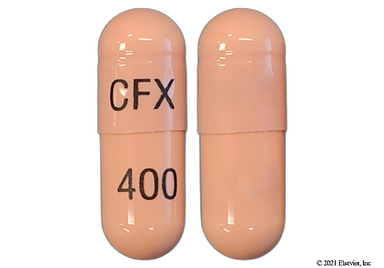
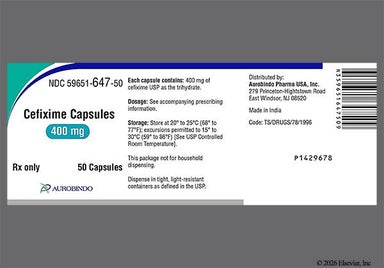
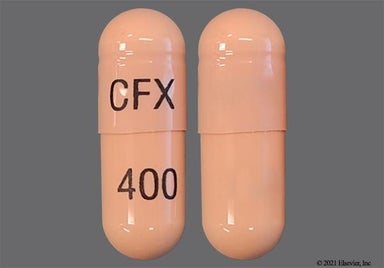
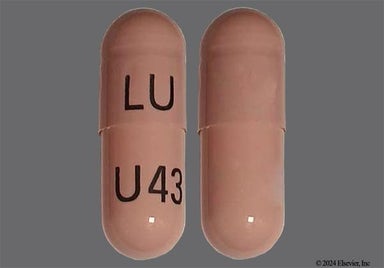
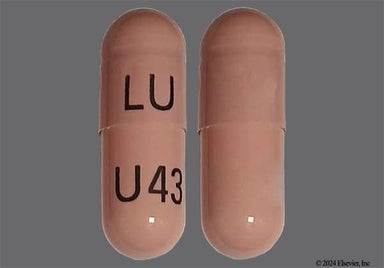
This medicine is Pink Capsule Imprinted With "Cmi 400".Pink Capsule CMI 400 - Cefixime 400mg CapsuleThis medicine is Pink Capsule Imprinted With "Cfx 400".Pink Capsule CFX 400 - Cefixime 400mg CapsuleThis medicine is Pink Capsule Imprinted With "Lu U43".Pink Capsule LU U43 - Cefixime 400mg CapsuleThis medicine is Pink Capsule Imprinted With "Lu U43".Pink Capsule LU U43 - Cefixime 400mg Capsule
Prescription savings
Stop paying too much for your prescriptions. Compare prices, get pharmacy coupons, and save up to 80%.
Plans start at $9.99/mo. (when paid yearly). Terms apply.
Common questions about Cefixime
Cefixime is used to treat various types of infections. Compared to other cephalosporin antibiotics, it can sometimes work better against certain resistant bacteria. There are other antibiotics that can treat more types of infections, or more serious infections. Keep in mind that "stronger" antibiotics are not always the best choice. Your provider will choose the antibiotic that is best for you.
Cefixime can be used to treat uncomplicated urinary tract infections (UTI), since it works against some of the bacteria that commonly cause these infections. Let your provider know if you don't start to feel better within 1 or 2 days, since that could be an indication that your infection is due to resistant bacteria, or that there is some other problem going on. Cefixime is not the best medication for people with complicated UTI's. A UTI is considered to be complicated for various reasons, including if someone is male, pregnant, or has a weak immune system.
Amoxicillin and Cefixime are often used to treat similar types of infections. Both are good antibiotics when used for the right scenario, but there are some types of infections where one may be better. For example, amoxicillin doesn't treat gonorrhea, and Cefixime won't work for a H. pylori stomach infection. Your provider will determine which antibiotic is best for you based on your specific infection and medical history.
People with kidney problems can take Cefixime. Depending on their level of kidney function, they may need to take a lower dose than usual to avoid build-up of the antibiotic in the body. Rarely, Cefixime may cause kidney problems including renal failure.
Cefixime does not contain penicillin. It is a cephalosporin, which is a class of antibiotics that are like cousins to penicillin. The molecule structures have some similarities, and they both kill bacteria by preventing them from making their own protective covering.