


How Much Is Capvaxive Without Insurance?
Capvaxive costs between $300 and $400 per dose without insurance. Learn more about how much Capvaxive is without insurance and ways to save with GoodRx.
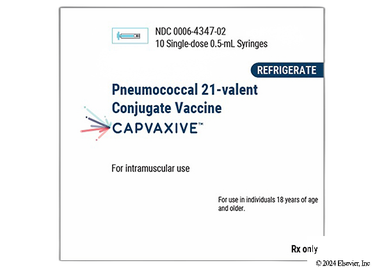
Capvaxive is the brand name for the pneumococcal 21-valent conjugate vaccine. It helps protect adults from pneumococcal disease and pneumonia caused by bacteria called Streptococcus pneumoniae (or "pneumococcus"). Capvaxive is injected into the muscle just once. It's given by a healthcare professional at a medical office, clinic, or pharmacy. Side effects include pain, redness, and swelling at the injection site. You also might feel tired or have a headache. These side effects usually go away in a few days.

Capvaxive is a type of vaccine called a conjugate vaccine. It protects against 21 types of pneumococcal bacteria. The vaccine has a small piece of the bacteria in it.
After you get the Capvaxive shot, your immune system makes antibodies to fight the bacteria. These antibodies help protect you from serious pneumococcal disease and pneumonia if the bacteria gets into your body.
| Common Brands | Capvaxive |
|---|---|
| Drug Class | Vaccine |
| Controlled Substance Classification | Not a controlled medication |
| Generic Status | No lower-cost generic available |
| Availability | Prescription only |

The following side effects may get better over time as your body gets used to the medication. Let your healthcare provider know immediately if you continue to experience these symptoms or if they worsen over time.
Contact your healthcare provider immediately if you experience any of the following.
Side effects that you should report to your care team as soon as possible:
Side effects that usually do not require medical attention (report these to your care team if they continue or are bothersome):




Capvaxive can cause some serious health issues. This risk may be even higher for certain groups. If this worries you, talk to your doctor or pharmacist about other options.
Like with any vaccine, there's a rare chance you could have a severe allergic reaction to Capvaxive. The healthcare professional giving you the shot might ask you to stay for a little while afterward. This way, they can help you quickly if you have a serious allergic reaction.
Sometimes, allergic reactions can happen after you leave the clinic. Get medical help right away if you feel faint, have swelling in your face, trouble breathing, hives, rash, dizziness, shaking, or chest pain. These can be signs of a severe allergic reaction.
Capvaxive might not work as well in people who have a weak immune system. This means that they could still get sick with pneumococcal infections like pneumonia, even after getting the vaccine.
Talk to your primary care provider or healthcare team first before getting Capvaxive. Make sure they know if you have any medical conditions that weaken your immune system, like HIV or cancer. Also, tell them about any medications you take. Some medications, like high-dose corticosteroids and transplant medications, can make your immune system weaker.

 Syringe
| Dosage | Quantity | Price as low as | Price per unit |
|---|---|---|---|
| 0.5ml of | 1 syringe | $296.15 | $296.15 |
The typical dose is 1 injection (0.5 mL) into the muscle. It's given by a trained healthcare professional at a medical office, clinic, or pharmacy.


Contraindications are specific health conditions or situations in which a person should not take a medication due to safety concerns. If you have any of the following conditions or if any of the following apply to you, let your healthcare provider know because Capvaxive will not be safe for you to take.




Prescription savings
Stop paying too much for your prescriptions. Compare prices, get pharmacy coupons, and save up to 80%. Find expert answers to your health questions so you can make the best decisions for yourself and your family.
Health conditions
Medications & treatment
Access & affordability
 Our monthly healthcare membership can help you save thousands on your prescription costs.
Resources

No. Capvaxive is a non-live vaccine. More specifically, it's a type of vaccine called a conjugate vaccine. Capvaxive is made up of a small piece of the pneumococcal bacteria. After you get the shot, your immune system starts making antibodies against this piece of the bacteria. This is how your body builds immunity against it. If the pneumococcal bacteria gets in your body later, the antibodies are ready to fight it.
Most side effects from the Capvaxive shot go away within 3 days. These side effects include pain, redness, or swelling where you got the shot. You might also feel tired, have a headache, or feel muscle aches. These side effects are usually mild. You can put an ice pack on the area where you got the Capvaxive vaccine to help with swelling or redness. You can also take acetaminophen (Tylenol) for pain. Ask a healthcare professional for more ways to feel better after you get the Capvaxive shot. If the side effects are severe or if they don't get better after 3 days, call a healthcare professional.
You can usually get the Capvaxive shot at a medical office or your local pharmacy. The Capvaxive vaccine is given as an injection into the muscle by a healthcare professional. It's not a vaccine that you can pick up at the pharmacy and give to yourself at home.
Capvaxive and Prevnar 20 are vaccines that help prevent pneumococcal disease and pneumonia. The main difference is the types of pneumococcal bacteria they can protect against. Capvaxive protects against 21 types while Prevnar 20 protects against 20 types. The specific types of the bacteria the vaccines protect against are also different. Even with these differences, the CDC says that you can choose either one. Talk to your primary care provider or pharmacist to compare and see which vaccine is best for you.
If you've had other pneumococcal vaccines before, talk to your primary care provider or pharmacist to see if you should get Capvaxive. This depends on how many doses of each vaccine you've had, your age, and any health problems you might have. For example, adults under 50 with certain health conditions who already got Prevnar 13 or Pneumovax 23 can get Capvaxive at least 1 year later to finish their vaccine series. Check out the CDC's pneumococcal vaccine timing guide for adults to learn more. Or, you can ask a healthcare professional.
Yes. You can get the Capvaxive vaccine at the same time as other vaccines, like the flu shot or any other recommended vaccines. But you shouldn't get more than one pneumococcal vaccine during the same appointment. Ask a healthcare professional if you have more questions about what vaccines you need.
