



7 Topical Treatment Options for Scalp Psoriasis
Scalp psoriasis can’t be cured, but there are treatments to help manage your symptoms. Learn more about the topical options for scalp psoriasis with GoodRx.

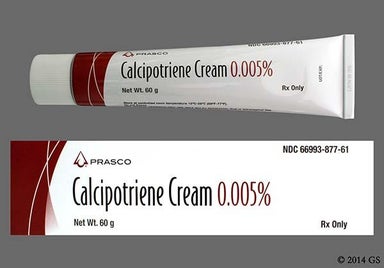
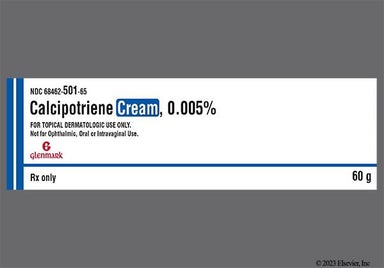
Calcipotriene is a topical form of vitamin D that helps treat plaque psoriasis. It comes in many different dosage forms, such as a cream, ointment, foam, and solution. Calcipotriene is typically applied to the affected skin once or twice a day, depending on the form you have. Most forms are available as both brand-name and generic versions, except for the cream. The brand name for the calcipotriene cream, Dovonex, isn't available anymore, but there's still a generic version of it. Some side effects include skin irritation, burning, and stinging.

Calcipotriene is a vitamin D analogue, which is a lab-made form of vitamin D. When the medication is applied directly to your skin, it's thought to slow down cell growth. This might help shrink the size of your psoriatic patches.
| Common Brands | Calcitrene, Sorilux, Trionex |
|---|---|
| Drug Class | Vitamin D analogue |
| Controlled Substance Classification | Not a controlled medication |
| Generic Status | Lower-cost generic available |
| Availability | Prescription only |

The following side effects may get better over time as your body gets used to the medication. Let your healthcare provider know immediately if you continue to experience these symptoms or if they worsen over time.
Along with its needed effects, a medicine may cause some unwanted effects. Although not all of these side effects may occur, if they do occur they may need medical attention.
Check with your doctor immediately if any of the following side effects occur:
Get emergency help immediately if any of the following symptoms of overdose occur:
Symptoms of overdose
Confusion
discouragement
feeling sad or empty
headache
incoherent speech
increased urination
irritability
lack of appetite
loss of interest or pleasure
metallic taste
muscle weakness
stomach pain
thirst
tiredness
trouble concentrating
trouble sleeping
unusual tiredness
vomiting
Some side effects may occur that usually do not need medical attention. These side effects may go away during treatment as your body adjusts to the medicine. Also, your health care professional may be able to tell you about ways to prevent or reduce some of these side effects. Check with your health care professional if any of the following side effects continue or are bothersome or if you have any questions about them:
More common
Burning, dryness, irritation, peeling, or redness of the skin
Less common
Pain at the application site
Rare
Darker color in the treated areas of the skin
pus in the hair follicles
Other side effects not listed may also occur in some patients. If you notice any other effects, check with your healthcare professional.
Call your doctor for medical advice about side effects. You may report side effects to the FDA at 1-800-FDA-1088.




Calcipotriene can cause some serious health issues. This risk may be even higher for certain groups. If this worries you, talk to your doctor or pharmacist about other options.
It's possible for calcipotriene to cause an allergic reaction on your skin. Allergic reactions can look like skin redness, skin that's hot to the touch, and itchy skin. If this happens, stop using calcipotriene and talk to your prescriber.
Some people who use calcipotriene might have higher calcium levels for a brief amount of time. It's possible for some medication to absorb through your skin. Calcipotriene is a form of vitamin D, and vitamin D can affect the levels of calcium in the body. Changes to your calcium levels from treatment are reversible.
Contact your prescriber if you have symptoms of high calcium levels like weakness, fatigue, low appetite, or unusual mood changes while you're using calcipotriene. Your prescriber might check your calcium levels to check whether it's too high. You'll probably need to stop using this medication until your calcium levels go back to usual.
The calcipotriene foams and solutions are flammable. Avoid fires, flames, and smoking when you're applying calcipotriene onto the skin and also right afterwards. Keep the foam or solution away from heat, direct sunlight, or very high temperatures.

 Bottle of topical solution
| Dosage | Quantity | Price as low as | Price per unit |
|---|---|---|---|
| 60ml of 0.005% | 1 bottle | $68.90 | $68.90 |
 Can of foam
| Dosage | Quantity | Price as low as | Price per unit |
|---|---|---|---|
| 60g of 0.005% | 1 can | $397.00 | $397.00 |

Although certain medicines should not be used together at all, in other cases two different medicines may be used together even if an interaction might occur. In these cases, your doctor may want to change the dose, or other precautions may be necessary. Tell your healthcare professional if you are taking any other prescription or nonprescription (over-the-counter [OTC]) medicine.


Contraindications are specific health conditions or situations in which a person should not take a medication due to safety concerns. If you have any of the following conditions or if any of the following apply to you, let your healthcare provider know because Calcipotriene will not be safe for you to take.









Prescription savings
Stop paying too much for your prescriptions. Compare prices, get pharmacy coupons, and save up to 80%. Find expert answers to your health questions so you can make the best decisions for yourself and your family.
Health conditions
Medications & treatment
Access & affordability
 Our monthly healthcare membership can help you save thousands on your prescription costs.
Resources

Calcipotriene cream is a topical medication that's used to treat a skin condition on the body called plaque psoriasis. It's not known whether the cream works well and is safe to use for other types of skin conditions.
Some research suggests that applying fluorouracil (Efudex) and Calcipotriene together might work well for certain people with actinic keratosis (pre-cancerous growths on the skin). Other studies have looked at using the combination for treating squamous cell carcinoma, a type of skin cancer. These are off-label uses of both topical fluorouracil and Calcipotriene. Much more studies need to be done to know for sure whether this combination works well and is safe for these purposes. Speak to your dermatologist about the best treatment options for your skin condition(s).
No, Calcipotriene isn't considered a steroid medication. Instead, it's a topical form of vitamin D. Topical steroids help treat many skin conditions by lessening skin inflammation. But Calcipotriene works to slow down skin cell growth to shrink the size of areas of skin affected by plaque psoriasis. Sometimes, it might be recommended to use Calcipotriene with a topical steroid to manage psoriasis symptoms better. Your dermatologist can guide you to the most appropriate treatment option(s) for your plaque psoriasis.
No, don't use the Calcipotriene cream on your face. The skin on your face can be sensitive and might be more likely to get irritated by the medication. Talk to a healthcare professional about a safer treatment option if you have psoriasis on your face.
No. Calcipotriene isn't available over the counter. It requires a prescription from your healthcare professional. Speak with a dermatologist about things you can do at home to help relieve symptoms from psoriasis in addition to using prescription medications like Calcipotriene.
Everyone responds differently to treatment with Calcipotriene. Studies of people using Calcipotriene cream, solution, and ointment show that symptoms usually improve after 2 weeks of starting treatment. But it could take several weeks to see the full benefits. Even then, only about half of people using the cream or ointment saw significant improvement in their symptoms. Make sure to follow up with your prescriber about how well Calcipotriene is working for you.
Calcipotriene isn't FDA approved to treat eczema. This means that the FDA hasn't evaluated Calcipotriene yet about whether it works well and is safe for this particular skin condition. Discuss appropriate treatment options for eczema with your dermatologist or other healthcare professional.
