Key takeaways:
Botox (botulinum toxin A) is a popular injectable treatment for skin wrinkles. Botox alternatives such as Dysport (abobotulinumtoxinA), Xeomin (incobotulinumtoxinA), and Jeuveau (prabotulinumtoxinA-xvfs) are also available, but they vary by use, formulation, and how long they last.
Botulinum toxin injections aren’t the only Botox alternatives. You can also consider treatments such as retinoids, chemical peels, microneedling, and more.
Dermal fillers are another alternative. This injectable treatment typically works immediately and lasts longer than Botox. But it’s still a temporary solution.
Save on related medications
Caring for your skin is a healthcare journey that lasts a lifetime. As we grow older, our skin naturally changes, and it's completely normal to notice more lines and creases. So, if you're looking for ways to minimize wrinkles, there are many options to support your goals.
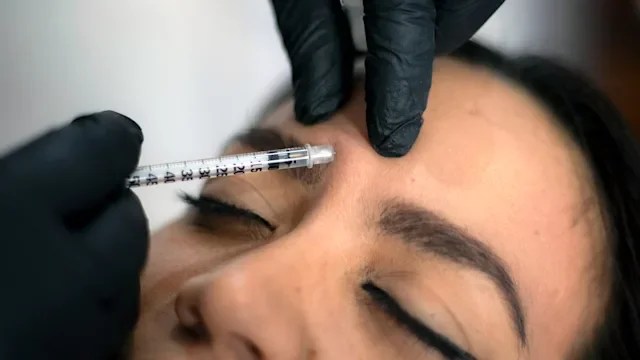
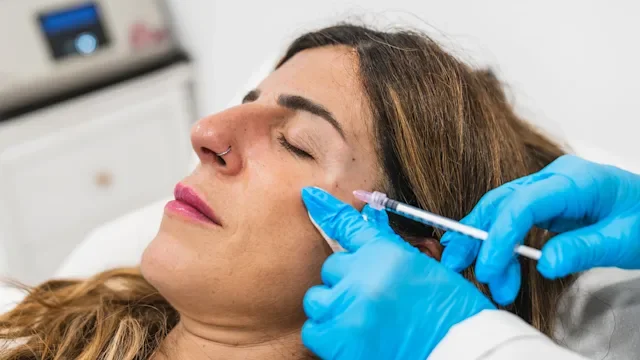
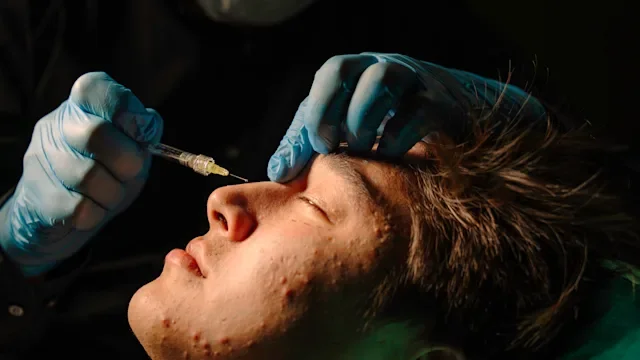
Botox Cosmetic (botulinum toxin A) is one of the most common treatments for wrinkles. It’s actually a toxin produced by the bacteria Clostridium botulinum. Large amounts of the toxin can paralyze muscles throughout the body, including those you need to breathe. But small amounts injected into the muscles under your skin can take advantage of this effect and relax muscles in your face — without affecting the rest of your body. This smooths out the skin on top and decreases the appearance of wrinkles.
If you’re not convinced that Botox is right for you, rest assured that you have options. Read on to learn more about 16 anti-wrinkle alternatives to see how they stack up against this cosmetic household name.
Injectable alternatives
1. Dysport
Dysport (abobotulinumtoxinA) was the first injectable Botox alternative to be FDA approved for use. Dysport and Botox are both made from botulinum toxin type A. In fact, all cosmetic Botox alternatives are made with this type of toxin.
Dysport and Botox differ mainly in their approved uses and how they’re manufactured. Dysport is only approved for treatment of wrinkles between the eyebrows (frown lines). Botox is approved to treat additional wrinkles, including crow’s feet and wrinkles on the forehead.
They each also have medical uses beyond wrinkles. Dysport can treat spasms of the arms, legs, and neck. Medical-grade Botox is approved to treat these types of spasms in addition to other medical conditions, including overactive bladder, migraines, and excessive sweating.
Dysport may work faster than Botox. In one study, about 85% of people receiving Dysport experienced maximum wrinkle reduction after 3 days. This was compared to 70% of people receiving Botox. That said, Dysport is less concentrated than Botox. This means that a higher dose may be needed to see the same effects as Botox.
Looking at their sticker prices, it may appear that Dysport is cheaper. But because more Dysport is needed to provide the same effect as Botox, this may make the price for treatment comparable.
2. Xeomin
Xeomin (incobotulinumtoxinA) is the second approved injectable Botox alternative. Like Dysport, the main differences from Botox are its indications and slight differences in how it’s made.
Xeomin is approved for the treatment of multiple upper facial lines, including frown lines, forehead lines, and crow’s feet. It can even lessen these lines at the same time. It also has a more expansive list of medical uses, but these differ slightly from Botox. One medical indication that is unique to Xeomin is the treatment of chronic drooling.
The biggest differentiator between Xeomin and Botox is how they’re made. Botox and other Botox alternatives have proteins that are produced naturally when the toxin is made. However, your body can recognize these proteins as a foreign invader and make the injections less effective.
Xeomin is made without these proteins. So if you notice that Botox is not working like it used to, Xeomin may be a good alternative — especially if you need higher or more frequent doses.
3. Jeuveau
Jeuveau (prabotulinumtoxinA-xvfs) is the third approved injectable Botox alternative. It works and is given in the same way as Botox. In two clinical studies, Jeuveau was compared to Botox and found to be just as effective for reducing frown lines and wrinkles at the corners of the eyes (crow’s feet).
Jeuveau differs slightly from Botox in its approved indications, how long it lasts, and cost:
Jeuveau is only approved to treat frown lines. It has no additional medical indications.
Jeuveau lasts longer. Jeuveau can last up to 6 months, while Botox typically lasts 3 to 4 months.
Jeuveau’s limited approvals give it a slight advantage in cost. However, it’s difficult to compare prices. How much you’ll pay for your injections will depend on many factors, including where you have the medication injected on the face and how much you receive per dose.
4. Daxxify
Daxxify (daxibotulinumtoxinA-lanm) is the fourth approved injectable Botox alternative. It’s approved to treat frown lines and neck spasms. In a clinical study that compared Daxxify versus Botox, Daxxify improved the appearance of frown lines better than Botox.
The biggest differentiator with Daxxify is that it can last longer than Botox. Botox usually lasts about 3 to 4 months. Daxxify can last up to 6 months. This means that fewer injections are needed throughout the year to keep wrinkles at bay.
5. Letybo
Letybo (letibotulinumtoxinA) is the newest injectable Botox alternative. It’s the first botulinum toxin product developed in South Korea to receive FDA approval, adding more international variety to wrinkle treatment options.
While it works for a similar length of time as other botulinum toxin products, the biggest difference is in cost. Treatment with Letybo may be less expensive than Botox, depending on factors such as how much is used during treatment. Currently, Letybo is only approved for treating frown lines between the eyebrows.
6. Dermal fillers
Dermal fillers are an injectable medical device — not a medication. Fillers are gel-like substances that are injected under the skin. They improve the appearance of wrinkles and can plump up the skin, making it look smoother.
Like Botox, dermal fillers are temporary. The substances that are injected under the skin are eventually absorbed by your body. However, fillers can last longer than Botox. For some people, they last up to 2 years. Another factor that makes fillers an attractive alternative is the immediate results. You can see a difference as soon as you leave the clinic. Botox and other similar products take a little longer than that.
If you have wrinkles that are present at all times, dermal fillers are an ideal fit. Botox is better for lines that occur when you make certain expressions, such as laughing or furrowing your brow.
But if you don’t like the way the fillers look, it’s immediately reversible. Medications like Botox aren’t reversible right away, so if you dislike your results, you’ll have to wait until it wears off.
Non-invasive and topical alternatives
7. Retinoid creams
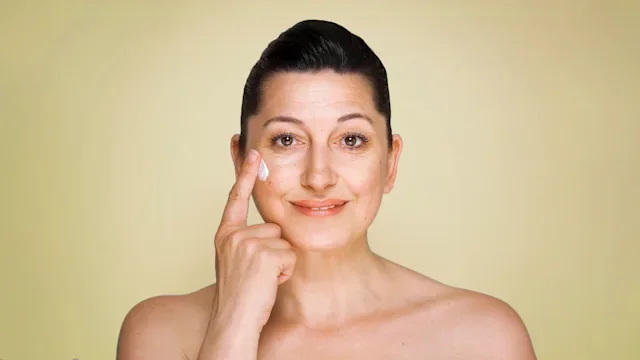
Topical retinoid creams are a popular choice for minimizing wrinkles. They’re available over-the-counter and with a prescription. Products used for wrinkles include retinol, retinal, and retinyl esters. They don’t require a visit to a clinic to receive a dose, either — unlike Botox and its injectable alternatives.
Retinoid creams help reduce wrinkles by removing dead skin, encouraging new skin cell growth, and preventing collagen from breaking down.
Retinoid creams usually take longer than Botox to start working. It can take anywhere from 3 to 6 months to see improvements. They can also cause skin dryness and redness, so it’s best that you start off with applying it every other night for several weeks before increasing it to nightly use. It’s also a good idea to use a moisturizer and wear sunscreen every day to help minimize side effects.
8. Moisturizers
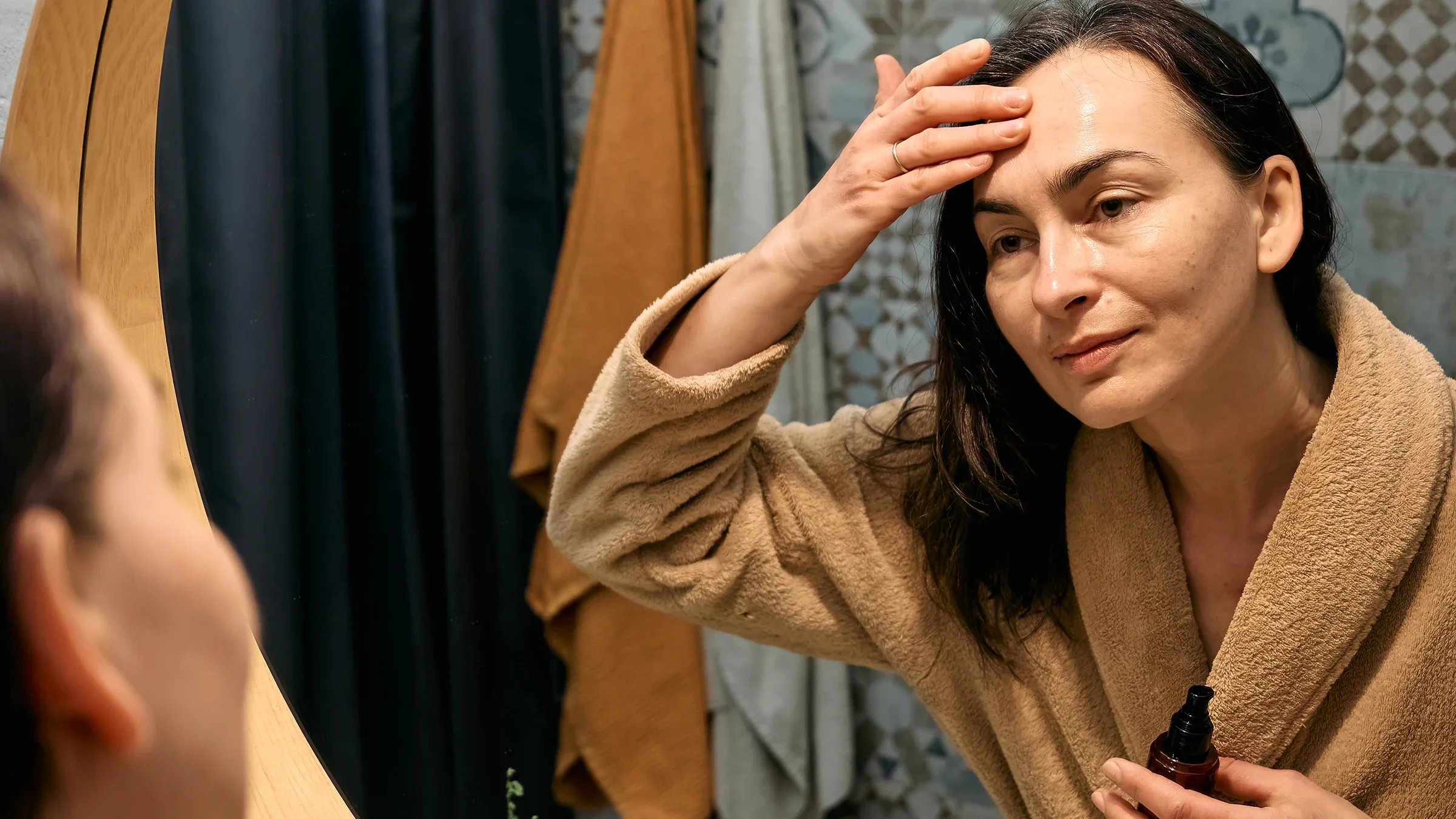
There are many topical skin care products out there that claim to reduce wrinkles and other signs of getting older. Although many of them contain fancy additives, moisturizers are actually the most beneficial ingredients.
Moisturizers improve the appearance of wrinkles and fine lines by hydrating the skin, replacing proteins that are important to keeping skin healthy, and filling in the cracks between skin cells.
Like retinoid creams, moisturizers are only effective if you use them regularly. You’ll want to use them daily to see the maximum benefit.
9. Microneedling
Microneedling is a process in which fine needles are rolled over the skin. The thought is that by creating tiny injuries to the skin, this will prompt the body to make substances that promote skin growth. Microneedling also promotes collagen, a substance that supports skin thickness, elasticity, and flexibility. Together, these help reduce the appearance of fine lines and wrinkles.
Although at-home microneedling devices exist, it’s best to see a dermatologist for this procedure. If you do it at home, you could accidentally overdo it and cause unwanted side effects and damage to your skin.
Because microneedling involves puncturing the skin, you’ll likely notice some redness (in lighter skin) or darker shades (in darker skin), swelling, and discomfort afterwards. This should go away after a few days to a week. Botox can cause local injection site reactions, but the number of punctures to the skin is much less compared to microneedling.
What’s more, you may need multiple microneedling sessions to see sustained benefits for up to a year. In contrast, Botox is given once and the effects should last up to 3 to 4 months at a time.
10. Chemical peels
Chemical peels are exactly what they sound like. A chemical is applied to the skin to make the top layer peel off. The skin underneath is usually smoother and appears less wrinkled.
There are three different types of peels: superficial, medium, and deep peels. These vary by how many layers of skin they take off. Each one is typically done at your dermatologist or plastic surgeon’s office. At-home chemical peels are available, but they generally aren’t as strong or effective as the professional ones.
You’ll need to follow specific skincare instructions for 2 to 4 weeks prior to your appointment. After the peel is complete, your skin will likely appear irritated and it may take a few weeks for this to resolve. You might not see the full benefits from the peel until a few months afterward.
11. Light therapy
Red light therapy uses low-wavelength light to help improve the appearance of wrinkles. Red light is specifically used because it can pass through the skin. The thought is that red light can help your cells repair themselves.
Red light therapy has the advantage that it can be used at home with relatively few side effects. But using red light devices at your dermatologist or plastic surgeon’s office can be stronger and more effective.
Before you start red light therapy, talk to your care team if you have sensitive skin, take medications that can make you more sensitive to the sun, or if you’re pregnant. These situations can make red light therapy more risky.
12. Radiofrequency
Radiofrequency (RF) therapy uses energy waves to heat the deeper layers of your skin. This heat is thought to help your body make more collagen and keep skin firm. Over time, this can smooth out wrinkles and make your skin look tighter.
A healthcare professional usually administers RF in a clinic or other healthcare setting. Though, some at-home options are also available. The procedure is painless and little downtime is needed for recovery. This makes it a popular option for people who want subtle changes without surgery.
13. Laser skin resurfacing
Laser skin resurfacing uses light beams to improve wrinkles, dark spots, and skin texture. There are two main ways this treatment works:
Ablative treatments remove the top layer of skin. They treat problems on the surface of the skin, such as scars and warts.
Non-ablative treatment focuses on areas below the skin's surface. They improve things like dark spots and boost collagen production.
Laser treatments also help remove old or damaged skin cells. This makes room for new skin to grow and it’s often used to improve the look of scars. Laser skin resurfacing is typically done by healthcare professionals in a clinic setting. It can be more intense than other treatments, though, so healing may take a week or even longer.
14. Facial exercises
Also called face yoga, facial exercises involve moving your face in certain ways to strengthen muscles. These exercises have names such as the “forehead smoother” or “cheek lifter.”
As their names suggest, these exercises aim to smooth forehead lines or tone your cheek muscles. Some people believe this can help reduce wrinkles over time.
There’s limited research on how well these exercises actually work. But there’s no harm in practicing them. Ultimately, it’s a free and non-invasive option to add to your anti-wrinkle skincare routine.
15. Facial patches
Facial patches are sticky pads that you can place on your skin, often overnight. They help keep your skin smooth by limiting muscle movement and holding the skin in place.
While they don’t give the same results as injections or lasers (and have limited supporting evidence overall), some people like them as a gentle, affordable option.
Surgery
16. Cosmetic surgery
For deep wrinkles or lines, cosmetic surgery, such as a face-lift or brow lift, may be an option. These surgeries remove or tighten skin and can give more dramatic results.
There are many types of cosmetic surgery available, depending on your needs and desired look. A consultation with a plastic surgeon can help you find the right one for you. Recovery can take several weeks, though, and it’s usually more expensive than non-surgical treatments. But it’s often a one-time fix.
Frequently asked questions
Yes, Jeuveau lasts up to 6 months, while Botox typically only lasts 3 to 4 months. However, this time frame comes from studies of people being treated for frown lines, so how long it lasts may be different if you’re treating a different area.
Daxxify and Jeuveau’s effects may last the longest — up to 6 months for some people. Botox Cosmetic, Dysport, Xeomin, and Letybo each usually last 3 to 4 months. That being said, how long they actually last for you can depend on the dose, how often you get injections, where it's injected, and how your body reacts.
If you’re pregnant, it’s best to hold off on receiving Botox for cosmetic purposes.
If you become pregnant shortly after receiving a Botox injection, talk with your prenatal care team. Limited data suggests that Botox exposure shortly before or during the first trimester doesn’t increase the risk of birth defects compared to people who didn’t receive it. However, in rare cases, miscarriages have been reported following mostly higher doses (500 to 600 units). There’s also not enough information to know whether Botox is safe later in pregnancy.
It’s unclear whether it’s OK to get Botox while breastfeeding, so it’s best to avoid it during this time too.
Yes, Jeuveau lasts up to 6 months, while Botox typically only lasts 3 to 4 months. However, this time frame comes from studies of people being treated for frown lines, so how long it lasts may be different if you’re treating a different area.
Daxxify and Jeuveau’s effects may last the longest — up to 6 months for some people. Botox Cosmetic, Dysport, Xeomin, and Letybo each usually last 3 to 4 months. That being said, how long they actually last for you can depend on the dose, how often you get injections, where it's injected, and how your body reacts.
If you’re pregnant, it’s best to hold off on receiving Botox for cosmetic purposes.
If you become pregnant shortly after receiving a Botox injection, talk with your prenatal care team. Limited data suggests that Botox exposure shortly before or during the first trimester doesn’t increase the risk of birth defects compared to people who didn’t receive it. However, in rare cases, miscarriages have been reported following mostly higher doses (500 to 600 units). There’s also not enough information to know whether Botox is safe later in pregnancy.
It’s unclear whether it’s OK to get Botox while breastfeeding, so it’s best to avoid it during this time too.
The bottom line
Botox Cosmetic (botulinum toxin A) is a popular injectable treatment for wrinkles. But many injectable Botox alternatives are now available that vary in indication, formulation, and how long they last. Alternatives to botulinum toxin injections include procedures and creams that increase skin cell turnover, improve hydration, or add fillers to improve the appearance of fine lines and wrinkles. Your dermatologist or plastic surgeon can help you find the best option for you.

Why trust our experts?



References
Allergan, Inc. (2024). Botox cosmetic- onabotulinumtoxina injection, powder, lyophilized, for solution [package insert].
Amalfi, A. (2021). How long do dermal fillers last? American Society of Plastic Surgeons.
American Board of Cosmetic Surgery. (2020). So, are radiofrequency treatments really safe?
American Board of Cosmetic Surgery. (2021). Laser skin resurfacing: Top 8 things you need to know.
American Board of Cosmetic Surgery. (2025). Letybo is the latest Botox alternative to get FDA approval.
American Society for Dermatologic Surgery. (n.d.). Chemical peels.
American Society of Plastic Surgeons. (2024). 2024 ASPS procedural statistics release.
American Society of Plastic Surgeons. (2025). Brow lift.
Avci, P., et al. (2013). Low-level laser (light) therapy (LLLT) in skin: Stimulating, healing, restoring. Seminars in Cutaneous Medicine and Surgery.
Avelar, R. (2024). Botulinum toxin accessory proteins: are they just an accessory? Dermatologic Surgery.
BENEV Company. (2025). BENEV Company, Inc. and Hugel Inc. are pleased to announce that Letybo (letibotulinumtoxinA-wlbg) is now fully commercialized in the U.S., marking a significant milestone in the neuromodulator market. PR Newswire.
Brin, M. F., et al. (2023). Pregnancy outcomes in patients exposed to onabotulinumtoxinA treatment: a cumulative 29-year safety update. Neurology.
Business Wire. (2024). Merz Aesthetics announces FDA approval of Xeomin (incobotulinumtoxinA) as the first and only U.S. neurotoxin for the simultaneous treatment of upper facial lines.
Carruthers, A., et al. (2023). Treatment of crow’s feet lines and forehead lines with Botox (onabotulinumtoxinA): development, insights, and impact. Medicine.
Carruthers, J., et al. (2017). Injectable daxibotulinumtoxinA for the treatment of glabellar lines: A phase 2, randomized, dose-ranging, double-blind, multicenter comparison with onabotulinumtoxinA and placebo. Dermatologic Surgery.
Carruthers, J., et al. (2023). Treatment of crow’s feet lines and forehead lines with Botox (onabotulinumtoxinA): Development, insights, and impact. Medicine.
Centers for Disease Control and Prevention. (2026). About botulism.
Cheon, H. I., et al. (2019). Efficacy and safety of prabotulinumtoxin A and onabotulinumtoxin A for crow's feet: A phase 3, multicenter, randomized, double-blind, split-face study. Dermatologic Surgery.
Chisholm, A. (2025). Dermatologists on whether wrinkle patches can reduce creases and fine lines. ABC News.
El-Domyati, M., et al. (2011). Radiofrequency facial rejuvenation: evidence-based effect. Journal of the American Academy of Dermatology.
Evolus, Inc. (2023). Jeuveau- prabotulinum toxin type a powder [package insert].
Galderma Laboratories. (2024). Dysport- botulinum toxin type a injection, powder, lyophilized, for solution [package insert].
Hadeed, J. (2022). What is LED light therapy and what are the benefits? American Society of Plastic Surgeons.
He, X., et al. (2023). Research progress on skin aging and active ingredients. Molecules.
Hugel. (2024). Letybo- letibotulinumtoxina-wlbg injection, powder, lyophilized, for solution [package insert].
Lawlor, C. M., et al. (2023). Otolaryngology and the pregnant patient. JAMA Otolaryngology-Head & Neck Surgery.
Lemdani, M. S., et al. (2025). Comparison of botulinum toxin A formulations for glabellar strain treatment in women: a double-blind randomized controlled clinical trial. JAMA Dermatology.
Lin, S. J., et al. (2021). Everything you need to know about chemical peels. American Society of Plastic Surgeons.
Ludmann, P. (2023). Microneedling can fade scars, uneven skin tone, and more. American Academy of Dermatology Association.
Merz North America. (2026). Xeomin- incobotulinumtoxina injection, powder, lyophilized, for solution [package insert].
Revance Therapeutics. (2026). Daxxify- botulinum toxin type A injection, powder, lyophilized, for solution [package insert].
Rzany, B. J., et al. (2020). A multicenter, randomized, double-blind, placebo-controlled, single-dose, phase III, non-inferiority study comparing prabotulinumtoxinA and onabotulinumtoxinA for the treatment of moderate to severe glabellar lines in adult patients. Aesthetic Surgery Journal.
Shu, X., et al. (2022). Effectiveness of a Radiofrequency Device for Rejuvenation of Aged Skin at Home: A Randomized Split-Face Clinical Trial. Dermatology and Therapy.
Singh, A., et al. (2016). Microneedling: Advances and widening horizons. Indian Dermatology Online Journal.
U.S. Food and Drug Administration. (2023). Dermal fillers do’s and don’ts for wrinkles, lips, and more.
Walter, U., et al. (2025). Systematic review and meta-analysis of secondary treatment failure and immunogenicity with botulinum neurotoxin A in multiple indications. European Journal of Neurology.
Yu, N., et al. (2020). Elastic thread modified minimal access cranial suspension lift for lower and middle third facial rejuvenation. Medicine.
Zasada, M., et al. (2019). Retinoids: Active molecules influencing skin structure formation in cosmetic and dermatological treatments. Advances in Dermatology and Allergology.