Key takeaways:
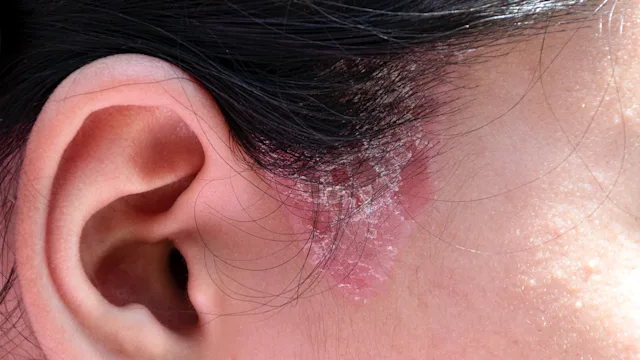
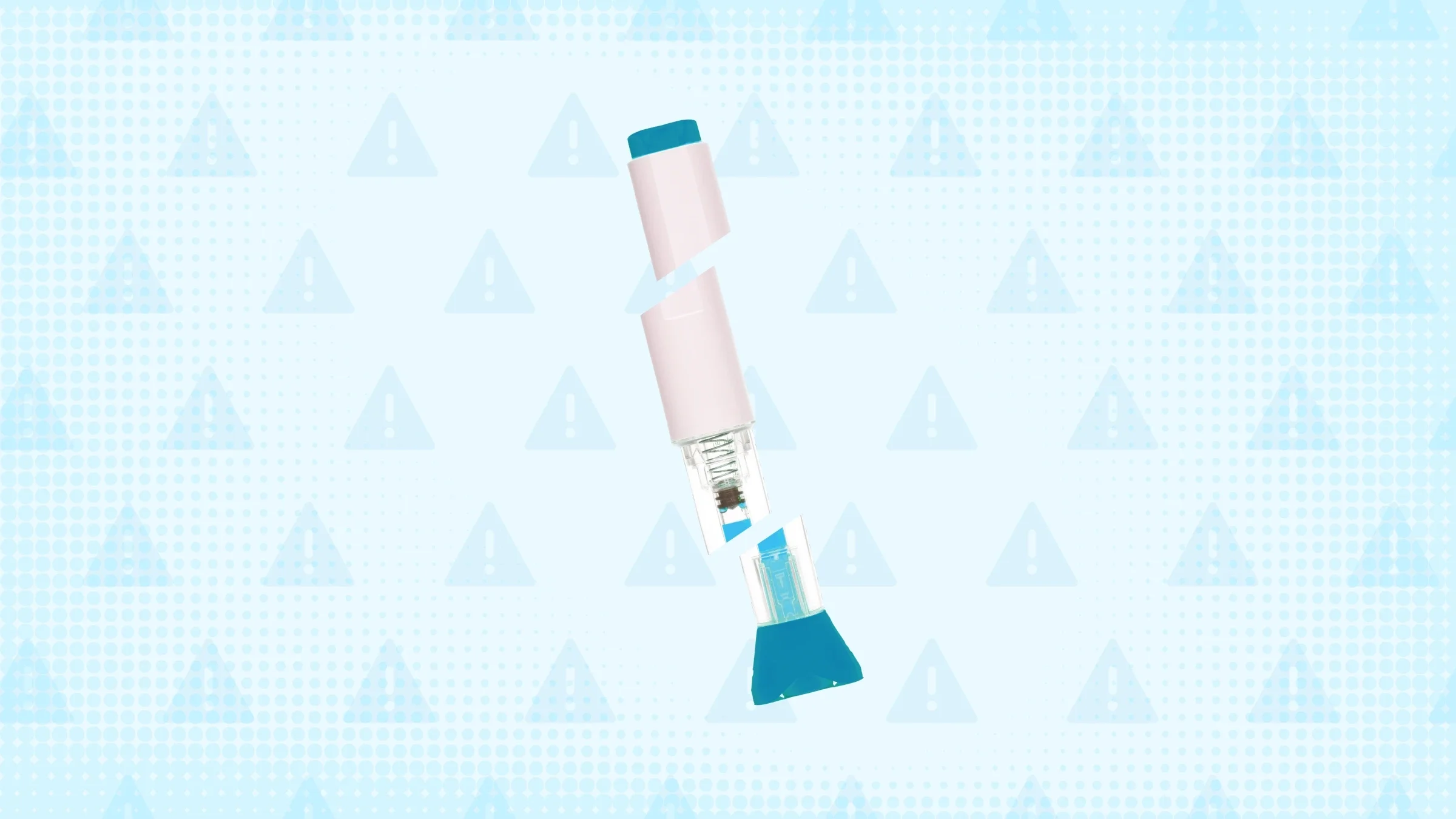
Bimzelx (bimekizumab-bkzx) is a prescription medication that treats plaque psoriasis and other autoimmune conditions. It works by calming your immune system.
The most common Bimzelx side effects are upper respiratory tract infections (URTIs) and oral thrush. You may also experience headaches, injection site reactions, and other mild fungal infections.
Rare but serious Bimzelx side effects include liver problems, severe infections, and suicidal thoughts. Talk to your healthcare team about any Bimzelx side effects that are bothersome or concerning.
Save on related medications
Starting a new medication can feel like stepping into the unknown, particularly when it comes to anticipating side effects.
Bimzelx (bimekizumab-bkzx) is a biologic medication that helps calm inflammation caused by plaque psoriasis and other conditions. For many people, it can make a big difference for their skin and quality of life. But as with all medications, Bimzelx can also cause side effects.
Some side effects are mild and go away on their own. Others may need medical attention. Knowing what to watch for can help you feel more prepared and in control of your care. Here we’ll break down the most common and serious Bimzelx side effects to help you know what to expect and when to reach out for help.
Bimzelx side effects at a glance
Possible Bimzelx side effects include:
Upper respiratory tract infections (URTIs)
Oral candidiasis (thrush)
Headaches
Pain and swelling at the injection site
Diarrhea
Gastroenteritis (stomach flu)
Acne
Vaginal yeast infections
Athlete’s foot and other fungal skin infections
Fatigue
URTIs and oral thrush are the most common Bimzelx side effects. Most other side effects, such as headaches and injection site reactions, don’t happen very often.
Bimzelx can also cause more serious side effects, such as:
Liver problems
Serious infections
New or worsening inflammatory bowel disease
Suicidal thoughts and behaviors
Let’s review seven of these Bimzelx side effects in more detail, along with what to do if they occur.
1. Upper respiratory tract infections
Upper respiratory tract infections (URTIs) are one of the most common Bimzelx side effects. They include illnesses such as the common cold and strep throat.
Bimzelx works by suppressing your immune system to treat inflammatory health conditions. But this can also make you more prone to infections — especially during cold and flu season.
You can take a few steps to reduce your chances of becoming sick while receiving Bimzelx. Practice good hand hygiene, avoid contact with sick people, and get your vaccinations as scheduled. Don’t be afraid to mask up in crowded areas, either, such as on an airplane.
Speak to a healthcare professional if you experience a fever, cough, or other signs and symptoms of an infection. They can let you know if you can take over-the-counter (OTC) medications to ease your symptoms or if other treatments are necessary.
2. Oral thrush and other fungal infections
Oral thrush often appears as white spots on the tongue, throat, or other areas inside your mouth. These white spots are signs of a fungal infection called candidiasis, which is caused by Candida — a yeast fungus that naturally lives in your mouth.
Oral thrush happens when the natural balance of Candida in your mouth is disrupted. This can happen when Bimzelx and other medications lower the activity of your immune system. Your age, health conditions, and health procedures, such as radiation therapy, are other possible risk factors.
Bimzelx also raises the risk of other fungal infections, such as Athlete’s foot (tinea pedis) and vaginal yeast infections. But for most people, it seems to be not as common to develop these infections as it is to develop thrush.
Your specialist can prescribe an antifungal medication, such as nystatin, to help combat oral thrush and other fungal infections. Be sure to let them know if you develop a fungal infection at any time while you’re receiving Bimzelx.
3. Injection site reactions
Injection site reactions are common side effects of medications that are injected under the skin. Bimzelx is no exception.
You can inject Bimzelx into your stomach, thighs, or the back of your upper arms. You may experience pain, redness, and swelling around the area where it’s injected. Bleeding, bruising, and swelling can also occur.
Injection site reactions usually resolve on their own over the course of a few days. Applying an ice pack or taking an OTC pain reliever, such as ibuprofen (Advil, Motrin), can help reduce discomfort if needed. Just make sure to OK any OTC medications with your healthcare team first.
Good to know: If you develop hives, have trouble breathing, or notice any swelling of the lips or face after injecting Bimzelx, seek emergency care right away. These aren’t typical injection site reactions. They’re usually symptoms of something more serious, such as a hypersensitivity or anaphylactic reaction.
4. Headaches
Headaches can show up for all kinds of reasons, such as being dehydrated, having an infection, or even just having a stressful day.
Sometimes, medications such as Bimzelx are the culprit behind headaches, too. A small percentage of people experienced headaches in Bimzelx’s clinical studies.
Several treatment options are available for headaches. They include OTC medications, such as acetaminophen (Tylenol) and ibuprofen. There are also nonmedication options, such as meditation and breathing exercises. Dietary changes, such as drinking plenty of water and reducing alcohol consumption, can also play a role in managing headaches.
Talk to a healthcare professional if your headaches worsen or don’t resolve. They can help determine the cause and the best treatment options moving forward.
5. More serious infections
Mild infections are relatively common while receiving Bimzelx. Serious infections are rare, but it’s still important to be aware that they’re possible.
Your prescriber will likely evaluate you for tuberculosis (TB, a bacterial lung infection) before you start Bimzelx. This helps prevent Bimzelx from worsening an underlying infection you may not be aware of.
Speak to your healthcare team right away if you develop infection symptoms — such as a fever, persistent cough, or swollen lymph nodes — after starting Bimzelx. They can recommend the best course of treatment. They may also want to hold off on your next Bimzlex dose until you’re feeling better.
6. Liver problems
Bimzelx can cause elevated liver enzyme levels in rare cases. This side effect can be an early sign of liver damage. But it usually resolves on its own once you stop receiving Bimzlex. Still, Bimzelx isn’t recommended if you’re living with cirrhosis or other liver problems.
Your prescriber will likely run blood tests to check your liver enzyme levels before you start Bimzelx and periodically thereafter. But be sure to let them know if you notice signs and symptoms of liver problems, such as jaundice (yellowing of the skin and eyes), dark urine, and fatigue.
7. Mood changes, including thoughts of suicide
Some people reported mood changes, including new or worsening suicidal thoughts, while receiving Bimzelx in clinical studies. These types of mood changes are also associated with autoimmune conditions. So it’s unclear whether Bimzelx causes them on its own.
If you notice new or worsening depression, anxiety, or thoughts of hurting yourself while receiving Bimzelx, let your healthcare team know right away. You can also call the Suicide & Crisis Lifeline at 988 for immediate support.
Frequently asked questions
Bimzelx is considered a biologic medication that’s safe and works well when it’s used as directed. It doesn’t have any boxed warnings (the FDA’s most serious warning for medications) and most side effects are mild. But it can increase your risk of serious infections. So it’s good to keep an eye out for any signs or symptoms of an infection while you’re receiving Bimzelx.
Bimzelx doesn’t seem to cause drowsiness. Up to 2% of people receiving Bimzelx reported fatigue in clinical studies. So it’s possible you may feel a bit run down during treatment, but it isn’t common. Keep in mind that fatigue can be a common symptom of autoimmune conditions. So it’s possible that Bimzelx may improve fatigue, as it reduces inflammation and starts relieving your symptoms. But let your healthcare team know if fatigue worsens or is interfering with your day-to-day routine.
Weight loss isn’t a known side effect of Bimzelx. In rare cases, side effects such as serious infections or diarrhea may lead to minor weight loss. But this isn’t common, and it’s usually only a temporary change. Talk to your prescriber if you notice any significant weight changes after starting Bimzelx. They can help determine the cause and the best next steps forward.
Bimzelx is considered a biologic medication that’s safe and works well when it’s used as directed. It doesn’t have any boxed warnings (the FDA’s most serious warning for medications) and most side effects are mild. But it can increase your risk of serious infections. So it’s good to keep an eye out for any signs or symptoms of an infection while you’re receiving Bimzelx.
Bimzelx doesn’t seem to cause drowsiness. Up to 2% of people receiving Bimzelx reported fatigue in clinical studies. So it’s possible you may feel a bit run down during treatment, but it isn’t common. Keep in mind that fatigue can be a common symptom of autoimmune conditions. So it’s possible that Bimzelx may improve fatigue, as it reduces inflammation and starts relieving your symptoms. But let your healthcare team know if fatigue worsens or is interfering with your day-to-day routine.
Weight loss isn’t a known side effect of Bimzelx. In rare cases, side effects such as serious infections or diarrhea may lead to minor weight loss. But this isn’t common, and it’s usually only a temporary change. Talk to your prescriber if you notice any significant weight changes after starting Bimzelx. They can help determine the cause and the best next steps forward.
The bottom line
Bimzelx (bimekizumab-bkzx) is a biologic medication that treats plaque psoriasis and other autoimmune conditions. Common Bimzelx side effects include upper respiratory tract infections (URTIs) and oral thrush. Headaches, injection site reactions, and other fungal infections are also possible.
Rare but serious Bimzelx side effects include serious infections, liver problems, and suicidal thoughts. Speak to your healthcare team about any Bimzelx side effects that are bothersome or concerning during treatment.

Why trust our experts?




References
Ali, Z., et al. (2021). Bimekizumab: A dual IL-17A and IL-17F inhibitor for the treatment of psoriasis and psoriatic arthritis. Expert Review of Clinical Immunology.
Husivargova Theofanidis, A., et al. (2025). Managing fatigue in autoimmune diseases: biopsychosocial insights and public health implications. The European Journal of Public Health.
Taylor, M., et al. (2023). Oral candidiasis. StatPearls.
UCB. (2025). Bimzelx- bimekizumab injection, solution [package insert].
World Health Organization. (2025). Guidelines on hand hygiene in community settings.