



Narcan, Flumazenil, Protamine, and More: 9 Common Medication Reversal Agents
Reversal agents are drugs that counteract the effects of other medications. Learn more with this list of reversal agents and when to use them.
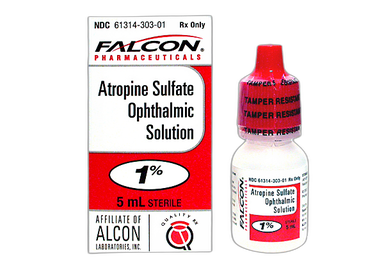
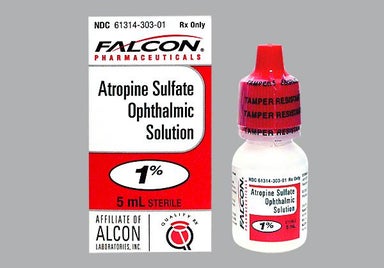
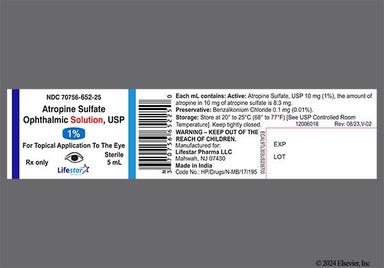
Atropine (Isopto Atropine) is an eye medication that's used to dilate or widen the pupil (the black part of your eye). It's also used to treat lazy eye. This medication is an anticholinergic that works to make the pupil bigger. Atropine (Isopto Atropine) comes as eye drops and an eye ointment. The usual dosage is to apply the medication to the eye(s) 1 to 2 times daily. It can be used in people 3 months and up according to the eye specialist's instructions. Side effects include temporary eye pain, stinging, eye sensitivity to light, and blurry vision. Atropine (Isopto Atropine) is available as a brand-name and generic medication.

Atropine (Isopto Atropine) is an anticholinergic medication. When it's placed in the eye, the medication blocks signals that normally make the pupil smaller and focus on objects. This widens (dilates) the pupil. The medication also relaxes the eye muscle that helps you focus on nearby objects, making it harder to see up close.
| Common Brands | Isopto Atropine |
|---|---|
| Drug Class | Anticholinergic |
| Controlled Substance Classification | Not a controlled medication |
| Generic Status | Lower-cost generic available |
| Availability | Prescription only |

The following side effects may get better over time as your body gets used to the medication. Let your healthcare provider know immediately if you continue to experience these symptoms or if they worsen over time.
Contact your healthcare provider immediately if you experience any of the following.
Along with its needed effects, a medicine may cause some unwanted effects. Although not all of these side effects may occur, if they do occur they may need medical attention.
Check with your doctor immediately if any of the following side effects occur:
Symptoms of too much medicine being absorbed into the body
Clumsiness or unsteadiness
confusion or unusual behavior
dryness of skin
fast or irregular heartbeat
flushing or redness of face
seeing, hearing, or feeling things that are not there
skin rash
slurred speech
swollen stomach in infants
thirst or unusual dryness of mouth
unusual drowsiness, tiredness, or weakness
Some side effects may occur that usually do not need medical attention. These side effects may go away during treatment as your body adjusts to the medicine. Also, your health care professional may be able to tell you about ways to prevent or reduce some of these side effects. Check with your health care professional if any of the following side effects continue or are bothersome or if you have any questions about them:
Blurred vision
brief burning or stinging of the eyes
eye irritation not present before use of this medicine
increased sensitivity of eyes to light
swelling of the eyelids
Other side effects not listed may also occur in some patients. If you notice any other effects, check with your healthcare professional.
Call your doctor for medical advice about side effects. You may report side effects to the FDA at 1-800-FDA-1088.



Tips for the atropine (Isopto Atropine) eye drops:
Tips for the atropine (Isopto Atropine) eye ointment:
Tips for giving the atropine (Isopto Atropine) eye drops or eye ointment to children:

Atropine (Isopto Atropine) can cause some serious health issues. This risk may be even higher for certain groups. If this worries you, talk to your doctor or pharmacist about other options.
Atropine (Isopto Atropine) can cause blurry vision. It can also make your eyes be more sensitive to light (squinting or eye discomfort when there's light). These side effects might last up to 2 weeks after you use the eye medication. Consider wearing sunglasses when you step outside after you use atropine (Isopto Atropine). Don't drive a car or operate machinery until you know how the medication affects your vision.
Atropine (Isopto Atropine) might raise your blood pressure. Talk to your healthcare team if you have a history of high blood pressure or are concerned about this possible effect. Your eye specialist might recommend that you check your blood pressure at home if you're using atropine (Isopto Atropine) to treat lazy eye.
Some people who have had brain damage, have Down syndrome, or have a nerve problem that causes paralysis are at a greater risk of serious side effects from atropine (Isopto Atropine). It can cause damage to their brain function, heart, lungs, or digestive system. Make sure your care team knows your medical history before you start this medication.


Although certain medicines should not be used together at all, in other cases two different medicines may be used together even if an interaction might occur. In these cases, your doctor may want to change the dose, or other precautions may be necessary. When you are taking any of these medicines, it is especially important that your healthcare professional know if you are taking any of the medicines listed below. The following interactions have been selected on the basis of their potential significance and are not necessarily all-inclusive.
Using medicines in this class with any of the following medicines is not recommended. Your doctor may decide not to treat you with a medication in this class or change some of the other medicines you take.
Using medicines in this class with any of the following medicines is usually not recommended, but may be required in some cases. If both medicines are prescribed together, your doctor may change the dose or how often you use one or both of the medicines.


Contraindications are specific health conditions or situations in which a person should not take a medication due to safety concerns. If you have any of the following conditions or if any of the following apply to you, let your healthcare provider know because Atropine (Isopto Atropine) will not be safe for you to take.




Prescription savings
Stop paying too much for your prescriptions. Compare prices, get pharmacy coupons, and save up to 80%. Find expert answers to your health questions so you can make the best decisions for yourself and your family.
Health conditions
Medications & treatment
Access & affordability
 Our monthly healthcare membership can help you save thousands on your prescription costs.
Resources

No, Atropine eye drops aren't available over the counter. You'll need a prescription for it from a healthcare professional. For routine eye exams, your eye specialist will place Atropine eye drops into your eye(s) at their office to dilate your pupil and check the health of your eye(s).
Atropine dilates or widens the pupil. This effect can sometimes last several days. Since widening the pupil causes blurry vision, your vision might be affected for several days as well. Be careful doing anything that you need clear, sharp vision for. Make sure your vision is clear before driving or operating heavy machinery. Speak with the eye specialist if you're concerned about how long the effects of the medication lasts.
Most side effects from Atropine are temporary. Common side effects of the medication include temporary eye pain and stinging when it's placed into the eye. Other common side effects, such as blurry vision and light sensitivity, might last up to 2 weeks after you put the medication into the eye. Make sure to avoid driving a car or operating machinery until your vision is fully back to normal. Talk with an eye specialist if you're concerned about side effects from Atropine.
How long you use Atropine depends on the reason you need the medication and your eye specialist's directions. For eye exams, Atropine is usually used only during the appointment. But for treating lazy eye, it can take an average of 4 months of treatment to see improvement. Make sure you don't use Atropine more often or longer than what your treatment requires. Otherwise, it can raise your risk of side effects.
Atropine is often used after eye surgery to lessen eye inflammation. It's also thought to lessen the risk for complications after surgery, such as fluid buildup in the eye. This is an off-label use of the medication. So the eye specialist will weigh the benefits of using Atropine after eye surgery and the risks for side effects affecting vision to decide whether this medication is right for you.
There are mixed findings from studies about using Atropine eye drops for myopia (nearsightedness) in children. One study showed that low-dose Atropine eye drops might help slow down myopia in children when used regularly at bedtime. But another study's findings don't support this. Keep in mind that dose of Atropine used in these myopia studies is much lower than what's commercially available. Using Atropine eye drops for this purpose is considered off-label because the medication is FDA approved only to dilate the pupil and treat lazy eye. More research is still needed to make sure Atropine is safe and works well for nearsightedness in children. Talk to your eye specialist for the best treatment for nearsightedness.
Don't take or give Atropine eye drops sublingually (under the tongue) or orally (swallowed) unless specifically instructed by the prescriber. Atropine eye drops are only FDA approved to use in the eyes. There's limited evidence that the off-label usage of the eye drops given sublingually might be helpful for certain people who have severe drooling due to a problem related to the nervous system. But more research is needed in this area. Keep in mind that taking Atropine eye drops by mouth might lead to having too much atropine in the body (atropine poisoning), which can be life-threatening. Follow your prescriber's instructions on how to use Atropine eye drops for your particular medical condition.
Isopto Atropine is the brand name for atropine eye drops. Isopto Carpine is the brand name for pilocarpine eye drops. The brand name Isopto Carpine is no longer available, so only generic pilocarpine eye drops are available. These two eye drop medications have very different uses. Atropine is used to dilate the pupil, whereas pilocarpine eye drops are used to shrink the pupil. Both eye drops can affect your vision, so avoid driving or using heavy machinery until your vision completely goes back to normal. Ask an eye specialist if you have other questions about comparing between the two medications.
