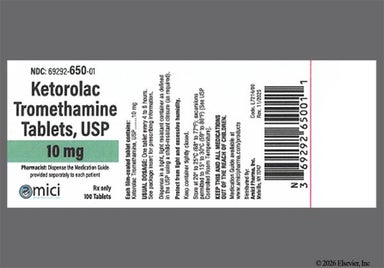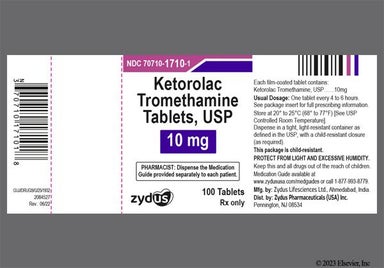
Ketorolac Coupon - Ketorolac 10mg tablet

ketorolac

Generic Acular, Acuvail
Used for Allergic Conjunctivitis, Eye Pain, Pain

Ketorolac eye drop is a non-steroidal anti-inflammatory drug (NSAID). It's used to treat inflammation and pain after corneal or cataract surgery. Ketorolac eye drop can also help with itchy eyes from allergies, but it's not a first-choice medication for this condition. Ketorolac eye drop can be used by adults and children and is typically instilled 2 to 4 times per day, depending on the medical condition. Some common side effects include stinging, burning, and irritation after putting the eye drops. Ketorolac eye drop is available as a generic and as brand name medications (Acular, Acular LS, and Acuvail).

Reviewed by:Last reviewed on June 13, 2024
basics-icon

What is Ketorolac eye drop?

What is Ketorolac eye drop used for?

  • Relief of pain or inflammation after cornea refractive surgery in people ages 3 years and older - Ketorolac (Acular LS) 0.4% only
  • Relief of pain or inflammation after cataract removal in people ages 2 years and older- Ketorolac (Acuvail) 0.45% and ketorolac (Acular) 0.5% only
  • Itchy eyes due to allergies in people ages 2 years and older - Ketorolac (Acular) 0.5% only

How Ketorolac eye drop works

Ketorolac eye drop is a non-steroidal anti-inflammatory drug (NSAID) eye drop. It works by blocking a protein (called cyclooxygenase, or COX) in your eye that makes chemicals that cause inflammation, pain, and swelling.

Drug facts

Common BrandsAcular, Acular LS, Acuvail
Drug ClassNSAID
Controlled Substance ClassificationNot a controlled medication
Generic StatusLower-cost generic available
AvailabilityPrescription only
side-effects-icon

Side effects of Ketorolac eye drop

The following side effects may get better over time as your body gets used to the medication. Let your healthcare provider know immediately if you continue to experience these symptoms or if they worsen over time.

Common Side Effects

  • Temporary stinging or burning (up to 40%)
  • Eye redness, swelling, or pain (up to 10%)
  • Headache (up to 6%)
  • Higher eye pressure after cataract surgery (up to 6%)
  • Bleeding in the outermost membrane of the eye (up to 6%)
  • Blurry vision (up to 6%)
  • Tearing (up to 6%)
  • Hazy or cloudy corneas (up to 5%)

Less Common Side Effects

  • Swelling or inflammation of the cornea
  • Inflammation of the iris (the colored part of the eye)
  • Eye irritation
  • Eye infections
  • Dry eyes

Ketorolac eye drop serious side effects

Contact your healthcare provider immediately if you experience any of the following.

  • Allergic reactions: hives, rash, blisters, swelling of the lips or tongue, difficulty breathing
When do Ketorolac eye drop possible side effects begin and end?
Time passed since treatment started:
M
H
D
W
M
Temporary stinging or burning

Source: DailyMed

The following Ketorolac eye drop side effects have also been reported

Along with its needed effects, a medicine may cause some unwanted effects. Although not all of these side effects may occur, if they do occur they may need medical attention.

Check with your doctor immediately if any of the following side effects occur:

More common

Itching, redness, tearing, or other sign of eye irritation not present before use of this medicine or becoming worse during use

redness of the clear part of the eye

sensitivity to light

swelling of the eye

swelling of the eyelids

tearing

throbbing pain

Rare

Blurred vision or other change in vision

eye irritation or redness

Incidence not known

Cough

noisy breathing

tightness in the chest

trouble breathing

Some side effects may occur that usually do not need medical attention. These side effects may go away during treatment as your body adjusts to the medicine. Also, your health care professional may be able to tell you about ways to prevent or reduce some of these side effects. Check with your health care professional if any of the following side effects continue or are bothersome or if you have any questions about them:

More common

Stinging or burning of the eye when medicine is applied

Rare

Dry eyes

headache

Other side effects not listed may also occur in some patients. If you notice any other effects, check with your healthcare professional.

Call your doctor for medical advice about side effects. You may report side effects to the FDA at 1-800-FDA-1088.

prices-container

Get your GoodRx coupon

Avg retail price
$12.20(Save 73.77%)
GoodRx discount
$3.20
See prices
pros-and-cons-icon

Pros and cons of Ketorolac eye drop

Pros

  • Works well for eye pain, inflammation, and itching
  • Causes fewer serious side effects than oral ketorolac
  • Both ketorolac 0.4% and 0.5% strengths are available as lower-cost generics.
  • A possible option for children

Cons

  • Can cause temporary stinging or burning after using
  • Need to use 2 to 4 times a day
  • Might not be safe if you're allergic to NSAIDs or aspirin
  • Requires removal of soft contact lenses
pharmacist-tips-icon

Pharmacist tips for Ketorolac eye drop

pharmacist
  • Before starting this medication, make sure a healthcare professional teaches you how to give yourself ketorolac eye drop so that you avoid accidentally hurting yourself or wasting the medication. Carefully read on how to give yourself the eye drops. Contact your prescriber or pharmacist if you have any questions.
  • Wash your hands before putting ketorolac eye drop in your eyes. Don't touch the dropper tip with your eye, hands, or any other surface. This will help you avoid eye infections by preventing contamination of the solution.
  • Once you're ready to place the drops, tilt your head back and look up. Then, pull your lower eyelid down to form a pocket with one hand. Take the ketorolac eye drop bottle and give yourself a drop using the other hand. After, close your eye and press one finger to the inner corner of your eye by the nose and press lightly for 1 minute.
  • Use ketorolac eye drop exactly as prescribed. If you're preparing for eye surgery, timing of medication eye drops is very important, so make sure you know when to start taking it. Don't take ketorolac eye drop for more than 2 weeks following cataract surgery, or more than 4 days after cornea surgery, unless your prescriber tells you to do so.
  • If you need to use multiple different eye products in the same eye, separate each eye product from ketorolac eye drop by at least 5 minutes. This makes sure your eye(s) absorb each medication fully.
  • If you wear contact lenses, take them out before using ketorolac eye drop so your eye(s) can absorb all of the medication. Your eye specialist might instruct you to wait at least 15 minutes before putting your lenses back into your eye(s).
  • Store ketorolac eye drop at room temperature in the original bottle it came in from the pharmacy.
  • If you're pregnant, tell your healthcare team before using ketorolac eye drop. You should avoid using ketorolac eye drop if you are late in your pregnancy, since the medication might affect the health of your child.
faq-icon

Common questions about Ketorolac eye drop

Ketorolac (Acular) 0.5% or Acuvail (ketorolac) 0.45% can be used after cataract removal surgery. The eye drops are typically started a day before surgery and used for up to 2 weeks afterwards. But it's possible your ophthalmologist or optometrist might recommend using ketorolac eye drop for a different period of time. Let your prescriber know if you're still experiencing inflammation, pain, or redness in your eye(s) after using ketorolac eye drop for the prescribed amount of time.

How long you can use ketorolac eye drop depends on what condition you're taking it for. If you're using ketorolac eye drop after cataract surgery, you'll typically continue treatment for 2 weeks after surgery. If you're using the medication for corneal surgery, your eye specialist might instruct you to use it for 4 days after surgery. If you're using ketorolac eye drop for itchy eyes from allergies, there isn't a set amount of time but your care team might ask you to use it regularly during allergy season. Ask your healthcare team how long you should be using ketorolac eye drop for if you're not sure.

No, ketorolac eye drop doesn't contain sulfa, so it might be a safe option for people with a sulfa allergy. Always discuss your allergies with your healthcare professional.

While oral and injectable ketorolac can raise blood pressure, ketorolac eye drop doesn't appear to affect blood pressure. Talk with your healthcare team if you've have questions about ketorolac eye drop and how it might affect the body.

Yes, stinging and burning are the most common side effects of ketorolac eye drop. The burning and stinging sensation should only last for a short amount of time and might get better as you continue using the medication. Contact your prescriber if the burning or stinging feeling doesn't seem to get better or if it seems like you're becoming more sensitive to the medication over time.

Ketorolac (Acular, Acuvail) and bromfenac (Prolensa) are both NSAID eye drops used to lower inflammation after cataract surgery. One difference is that ketorolac eye drop can also be used for itchy eyes from allergies, as well as to pain and inflammation from corneal surgery. Another difference is that ketorolac eye drop is typically instilled 2 to 4 times per day, whereas bromfenac eye drop is used 1 to 2 times per day. Ask your ophthalmologist or optometrist if you have more questions on the differences between the medications.

No, ketorolac eye drop isn't an antibiotic that treats infections; it's a non-steroidal anti-inflammatory drug (NSAID) that lowers inflammation (e.g., pain and itchiness) in the eye.

No, ketorolac eye drop is only available with a prescription from a healthcare professional.

educational-icon

How to save using GoodRx

Compare Prices
1. Compare PricesSpecify your dosage and quantity to find out exactly how much you can save.
Select your free coupon
2. Select your free couponYou can use the displayed coupon, or compare prices at other pharmacies near you.
Show coupon to your pharmacist
3. Show coupon to your pharmacistPresent your printed or electronic coupon when you pick up your prescription.
Get free couponLearn more
warnings-icon

Risks and warnings for Ketorolac eye drop

Ketorolac eye drop can cause some serious health issues. This risk may be even higher for certain groups. If this worries you, talk to your doctor or pharmacist about other options.

Slower healing

  • Risk factors: Also using corticosteroid eye drops

Ketorolac eye drop can slow down the healing process, especially if you're also using corticosteroid eye drops, such as prednisolone or dexamethasone. Make sure to attend your follow-up appointments so your eye specialist can monitor your healing progress.

Breathing problems

  • Risk factors: History of allergy to aspirin, NSAIDs, or similar medications | History of asthma

Though very rare, ketorolac eye drop might trigger trouble breathing or an asthma flare-up, especially in people who have a history of these types of reactions from taking aspirin or other non-steroidal anti-inflammatory drugs (NSAIDs). Let your prescriber know if you've had a history of breathing problems or allergies to these types of medications. Seek medical help immediately if you experience difficulty breathing after starting ketorolac eye drop.

Bleeding

  • Risk factors: History of bleeding problems | Using other medications that raise your risk of bleeding

Ketorolac eye drop can raise your risk of bleeding after eye surgery. Let your prescriber know if you have a history of bleeding problems or if you take any medications, such as blood thinners, that can make you more likely to bleed. Call your prescriber if you notice blood spots on your eye, especially if you just had eye surgery.

Cornea problems

  • Risk factors: History of problems with the cornea or surface of the eye | Multiple eye surgeries | Rheumatoid arthritis | Diabetes | Using ketorolac eye drop for a long time

Ketorolac eye drop can cause inflammation (called keratitis), weakening, or injury to the cornea, which is the outermost, clear layer of the eye. These problems can affect your eyesight. Let your prescriber know if you've had cornea problems or multiple eye surgeries in the past. Make sure you're getting regular eye check-ups while you're using ketorolac eye drop. Contact your optometrist or ophthalmologist immediately if you notice changes in your vision or more eye pain or discomfort. Use ketorolac eye drop exactly as prescribed, and do not use it for longer after surgery than prescribed.

No contact lenses

If you wear contact lenses, take them out each time before you place ketorolac eye drop into your eye(s). Ask your prescriber when it's safe for you to put the contacts back in your eye(s).

dosage-icon

Ketorolac eye drop dosage

The average cost for 20 tablets of 10mg of Ketorolac eye drop is $12.55 with a free GoodRx coupon. This is 77.21% off the average retail price of $55.06.
eye dropperEye dropper
DosageQuantityPrice as low asPrice per unit
5ml of 0.4%1 eye dropper$25.24$25.24
5ml of 0.5%1 eye dropper$17.21$17.21
3ml of 0.5%1 eye dropper$17.77$17.77
10ml of 0.5%1 eye dropper$21.95$21.95

Typical dosage for Ketorolac eye drop

  • Pain after cornea surgery:

  • Pain or inflammation after cataract surgery:

    • Acuvail (ketorolac) 0.45%: The typical dose is to place 1 drop in the affected eye(s) 2 times a day starting 1 day before surgery. Continue using the drops on the day of your surgery and for 2 weeks after surgery.
    • Ketorolac (Acular) 0.5%: The typical dose is place 1 drop in affected eye(s) 4 times a day starting 24 hours after surgery and continue for 2 weeks after.
  • Allergy-related itchy eyes:

    • Ketorolac (Acular) 0.5%: The typical dose is to place 1 drop in the affected eye(s) 4 times a day.
interactions-icon

Interactions between Ketorolac eye drop and other drugs

Ketorolac eye drop may interact with certain medications or supplements. Always let your doctor and pharmacist know about any other medications or supplements (including prescribed and over-the-counter medications, vitamins, and dietary or herbal supplements) that you are currently taking. The list below does not include all possible drug interactions with Ketorolac eye drop. Please note that only the generic name of each medication is listed below.

Although certain medicines should not be used together at all, in other cases two different medicines may be used together even if an interaction might occur. In these cases, your doctor may want to change the dose, or other precautions may be necessary. When you are taking this medicine, it is especially important that your healthcare professional know if you are taking any of the medicines listed below. The following interactions have been selected on the basis of their potential significance and are not necessarily all-inclusive.

Using this medicine with any of the following medicines is not recommended. Your doctor may decide not to treat you with this medication or change some of the other medicines you take.

Using this medicine with any of the following medicines is usually not recommended, but may be required in some cases. If both medicines are prescribed together, your doctor may change the dose or how often you use one or both of the medicines.

cost-icon

How much does Ketorolac eye drop cost?

To access savings, use a GoodRx coupon and pay just a fraction of the retail price.
alternatives-icon

What are alternatives to Ketorolac eye drop?

There are a number of medications that your doctor can prescribe in place of Ketorolac eye drop. Compare a few possible alternatives below.
Ketorolac eye drop
Used for:
  • Relief of pain or inflammation after cornea refractive surgery in people ages 3 years and older - Ketorolac (Acular LS) 0.4% only
  • Relief of pain or inflammation after cataract removal in people ages 2 years and older- Ketorolac (Acuvail) 0.45% and ketorolac (Acular) 0.5% only
  • Itchy eyes due to allergies in people ages 2 years and older - Ketorolac (Acular) 0.5% only
$3.20Lowest GoodRx priceView prices
Used for:
$25.00Lowest GoodRx priceView prices
Used for:
$149.00Lowest GoodRx priceView prices
latest-news-icon

News about Ketorolac eye drop

From prescription medications to better sleep, finding the right migraine treatment can be hard. Learn the stages of a migraine and the best options for relief.
What Are the Best Migraine Treatments and Remedies?
From prescription medications to better sleep, finding the right migraine treatment can be hard. Learn the stages of a migraine and the best options for relief.
Ketorolac is a pain medication. Interactions with other medications can lead to side effects, such as stomach bleeding and kidney damage. Read on to learn how to manage and avoid these interactions.
8 Ketorolac Interactions You Should Know About
Ketorolac is a pain medication. Interactions with other medications can lead to side effects, such as stomach bleeding and kidney damage. Read on to learn how to manage and avoid these interactions.
Toradol is a powerful prescription NSAID used for pain relief. Explore how it’s used as an opioid substitute, as well as its benefits and side effects.
Toradol (Ketorolac): What You Need to Know About This Powerful NSAID Pain Reliever
Toradol is a powerful prescription NSAID used for pain relief. Explore how it’s used as an opioid substitute, as well as its benefits and side effects.
Learn about the most common over-the-counter and prescription NSAID drugs to understand what they’re used for and their potential side effects.
Ibuprofen, Naproxen, and More: The 8 Most Common NSAIDs
Learn about the most common over-the-counter and prescription NSAID drugs to understand what they’re used for and their potential side effects.
Ketorolac is a pain relief medication prescribed during recovery from medical procedures. Here’s our guide for different ketorolac dosage forms.
Ketorolac Dosages for Adults: Your GoodRx Guide
Ketorolac is a pain relief medication prescribed during recovery from medical procedures. Here’s our guide for different ketorolac dosage forms.
Heartburn, diarrhea, and upset stomach are all common side effects of ketorolac. Read about more ketorolac side effects and how you can manage them.
7 Ketorolac Side Effects You Should Know About
Heartburn, diarrhea, and upset stomach are all common side effects of ketorolac. Read about more ketorolac side effects and how you can manage them.
Drinking alcohol while taking ketorolac can increase the risk of stomach bleeding, among other complications. Here’s why you shouldn’t mix ketorolac and alcohol.
Can You Drink Alcohol With Ketorolac?
Drinking alcohol while taking ketorolac can increase the risk of stomach bleeding, among other complications. Here’s why you shouldn’t mix ketorolac and alcohol.
When should you go to the ER for a headache? What will they do? Learn when your headache could be serious and require medical attention.
When Should I Go to the ER for a Headache?
When should you go to the ER for a headache? What will they do? Learn when your headache could be serious and require medical attention.
Autoimmune diseases are a collection of diseases that cause the immune system to attack different parts of the body, including the eyes. Find out more at GoodRx.
Dry Eyes, Blurred Vision, Light Sensitivity: How Autoimmune Diseases Affect Your Eyes
Autoimmune diseases are a collection of diseases that cause the immune system to attack different parts of the body, including the eyes. Find out more at GoodRx.
images-icon

Ketorolac eye drop images

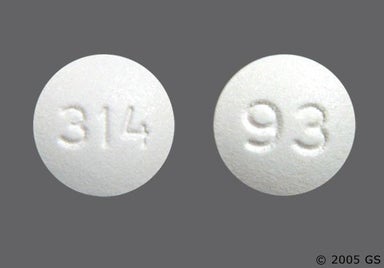
White Round 314 And 93 - Ketorolac Tromethamine 10mg Tablet
This medicine is White, Round Tablet Imprinted With "93" And "314".White Round 314 And 93 - Ketorolac Tromethamine 10mg Tablet
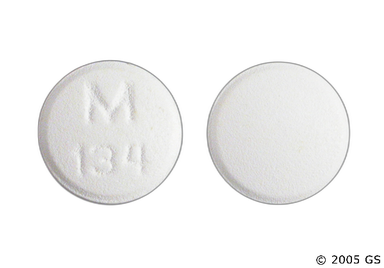
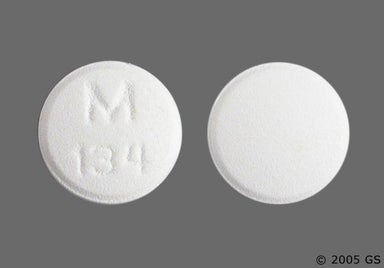
White Round M 134 - Ketorolac Tromethamine 10mg Tablet
This medicine is White, Round Tablet Imprinted With "M 134".White Round M 134 - Ketorolac Tromethamine 10mg Tablet
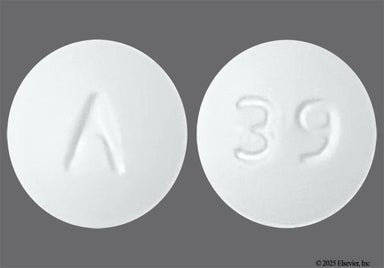
White Round A And 39 - Ketorolac Tromethamine 10mg Tablet
This medicine is White, Round Tablet Imprinted With "39" And "A".White Round A And 39 - Ketorolac Tromethamine 10mg Tablet
White Round A And 39 - Ketorolac Tromethamine 10mg Tablet
This medicine is White, Round Tablet Imprinted With "39" And "A".White Round A And 39 - Ketorolac Tromethamine 10mg Tablet
White Round Ce 203 - Ketorolac Tromethamine 10mg Tablet
This medicine is White, Round Tablet Imprinted With "Ce 203".White Round Ce 203 - Ketorolac Tromethamine 10mg Tablet
White Round A And 39 - Ketorolac Tromethamine 10mg Tablet
This medicine is White, Round Tablet Imprinted With "39" And "A".White Round A And 39 - Ketorolac Tromethamine 10mg Tablet
White Round Kt - Ketorolac Tromethamine 10mg Tablet
This medicine is White, Round Tablet Imprinted With "Kt".White Round Kt - Ketorolac Tromethamine 10mg Tablet
White Round 17 And 10 - Ketorolac Tromethamine 10mg Tablet
This medicine is White, Round Tablet Imprinted With "10" And "17".White Round 17 And 10 - Ketorolac Tromethamine 10mg Tablet

Get savings updates for Ketorolac eye drop

Receive price alerts, news, and other messages from GoodRx about Ketorolac eye drop and other healthcare topics and relevant savings offers.

By providing your email, you consent to receive marketing communications from GoodRx, which may include content and/or data related to men's health, women's health, reproductive care, or sexual health. You agree to the GoodRx Terms of Use and acknowledge the Privacy Policy. You can unsubscribe at any time.

References

Best studies we found

GoodRx Health has strict sourcing policies and relies on primary sources such as medical organizations, governmental agencies, academic institutions, and peer-reviewed scientific journals. Learn more about how we ensure our content is accurate, thorough, and unbiased by reading our editorial guidelines.

Was this page helpful?