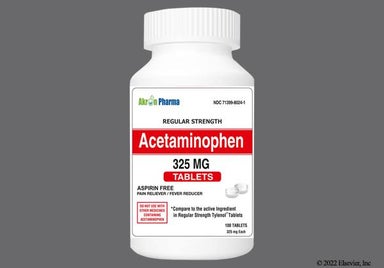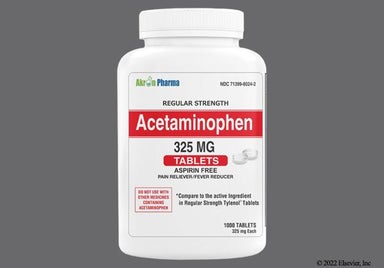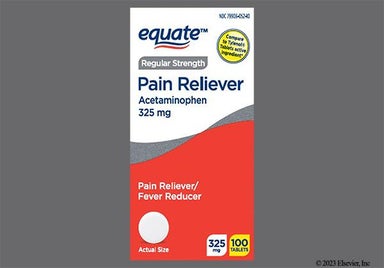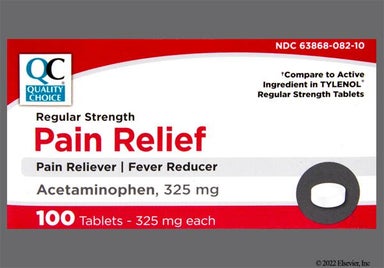








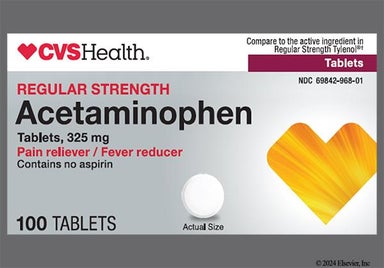
Acetaminophen Coupon - Acetaminophen 325mg tablet

acetaminophen

Generic Tylenol
Used for Fever, Pain

Acetaminophen (Tylenol) is an over-the-counter (OTC) medication used to lower fever and relieve mild pain in adults and children. It's available in many strengths and formulations, such as tablets, chewable tablets, and liquid. In general, acetaminophen (Tylenol) works within 45 minutes when it's taken by mouth. This medication typically doesn't have many side effects. It's recommended to limit or avoid alcohol while taking acetaminophen (Tylenol) to lower your risk for liver problems.

Reviewed by:Last reviewed on May 10, 2023
basics-icon

What is Acetaminophen (Tylenol)?

What is Acetaminophen (Tylenol) used for?

  • Mild pain
  • Fever

How Acetaminophen (Tylenol) works

Acetaminophen (Tylenol) is an analgesic. The exact way the medication treats pain and fever isn't completely known. But it's thought to work by stopping the production of certain chemicals in your brain and nervous system.

When does Acetaminophen (Tylenol) start working?Time passed since treatment started:
MINUTES
Full effect
HOURS
DAYS
WEEKS
MONTHS

Drug facts

Common BrandsTylenol, Mapap
Drug ClassAnalgesic
Controlled Substance ClassificationNot a controlled medication
Generic StatusLower-cost generic available
AvailabilityOver-the-counter
side-effects-icon

Side effects of Acetaminophen (Tylenol)

The following side effects may get better over time as your body gets used to the medication. Let your healthcare provider know immediately if you continue to experience these symptoms or if they worsen over time.

Common Side Effects

Side effects typically aren't common with this medication.

Less Common Side Effects

Acetaminophen (Tylenol) serious side effects

Contact your healthcare provider immediately if you experience any of the following.

  • Allergic reactions: hives, rash, skin blisters, peeling skin, swelling of the lips or tongue, difficulty breathing
  • Liver damage: swelling of your stomach, yellowing of your skin or the whites of your eyes, confusion, dark or brown urine
When do Acetaminophen (Tylenol) possible side effects begin and end?
Time passed since treatment started:
M
H
D
W
M
Risk for serious allergic skin reaction
Seek immediate medical care if you experience this side effect.
If a line continues to the right, you'll likely keep experiencing this side effect once it starts.

Source: DailyMed

The following Acetaminophen (Tylenol) side effects have also been reported

Along with its needed effects, a medicine may cause some unwanted effects. Although not all of these side effects may occur, if they do occur they may need medical attention.

Check with your doctor immediately if any of the following side effects occur:

Rare

Bloody or black, tarry stools

bloody or cloudy urine

fever with or without chills (not present before treatment and not caused by the condition being treated)

pain in the lower back and/or side (severe and/or sharp)

pinpoint red spots on the skin

skin rash, hives, or itching

sore throat (not present before treatment and not caused by the condition being treated)

sores, ulcers, or white spots on the lips or in the mouth

sudden decrease in the amount of urine

unusual bleeding or bruising

unusual tiredness or weakness

yellow eyes or skin

Get emergency help immediately if any of the following symptoms of overdose occur:

Symptoms of overdose

Diarrhea

increased sweating

loss of appetite

nausea or vomiting

stomach cramps or pain

swelling, pain, or tenderness in the upper abdomen or stomach area

Other side effects not listed may also occur in some patients. If you notice any other effects, check with your healthcare professional.

Call your doctor for medical advice about side effects. You may report side effects to the FDA at 1-800-FDA-1088.

prices-container

Get your GoodRx coupon

Avg retail price
$5.74(Save 47.56%)
GoodRx discount
$3.01
See prices
pros-and-cons-icon

Pros and cons of Acetaminophen (Tylenol)

Pros

  • Works well to relieve mild aches or pain and lower fever
  • Can use in adults and children
  • Available in a lower-cost generic and is available over the counter
  • Comes in many different strengths and forms (e.g., tablet, capsule, chewable tablet, liquid, powder, suppository)

Cons

  • Doesn't help with inflammation and swelling
  • Might not work as well to treat moderate-to-severe pain
  • Not the best option for people who drink alcohol often because of the risk of liver damage
pharmacist-tips-icon

Pharmacist tips for Acetaminophen (Tylenol)

pharmacist
  • Make sure to follow your provider's instructions or the directions on the medication box. There are many strengths and formulations of acetaminophen (Tylenol), each with their own instructions on how to take the medication. Ask your provider or pharmacist if you're not sure how to take the specific acetaminophen (Tylenol) product you have.
  • Take acetaminophen (Tylenol) with or without food. If it's hurting your stomach, try taking it with food to help.
  • For acetaminophen (Tylenol) non-chewable pills: Swallow the non-chewable pills whole. Breaking, crushing, or chewing these pills will damage their special coating and affect how acetaminophen (Tylenol) gets absorbed into your body. Check with your pharmacist for recommendations if you or your child has trouble swallowing the pills.
  • For acetaminophen (Tylenol) oral liquids or suspensions: Be sure to use a medication dose cup, spoon, or oral syringe to measure out your dose. Using household teaspoons might cause you to take the wrong amount of acetaminophen (Tylenol). Shake the suspension bottle well before each dose to mix the medication well. Store all liquid bottles of acetaminophen (Tylenol) at room temperature.
  • For acetaminophen (Tylenol) dissolvable powder packets: The powder in these packets doesn't need to be mixed with water. Pour the berry-flavored powder directly onto your tongue, and let the medication dissolve (should take seconds).
  • It's best to limit how much alcohol you drink while taking acetaminophen (Tylenol) to help prevent liver problems. Both alcohol and acetaminophen (Tylenol) can harm the liver.
  • Avoid using multiple medications containing acetaminophen to help lower your risk for liver problems. Acetaminophen is found in many over-the-counter and prescription medications. Ask your provider or pharmacist if you're not sure if the medications you take contain acetaminophen.
  • Tell your pharmacist or provider about all of your medications so they can make sure acetaminophen (Tylenol) is safe to take with your other medications. This is because acetaminophen (Tylenol) can interact with other medications. For example, taking warfarin (Coumadin) with acetaminophen (Tylenol) might put you at risk of bleeding.
  • Stop using acetaminophen (Tylenol) and contact your provider if you experience any of the following: pain that gets worse or lasts more than 10 days (for adults) or 5 days (for children under 12 years); fever that gets worse or lasts more than 3 days; any new symptoms that appear; or any redness or swelling. These might be signs of a more serious medical condition.
  • Store acetaminophen (Tylenol) up and away from children so they're less likely to reach and accidentally take the medication. If you think someone has accidentally taken too much acetaminophen (Tylenol), call a Poison Control Center right away at 1-800-222-1222.
faq-icon

Common questions about Acetaminophen (Tylenol)

In general, the maximum amount of acetaminophen you can take in a 24-hour period depends on your age. For people 12 years and older, the labeled maximum amount of acetaminophen is 4,000 mg per day. And for children younger than 12 years of age, the maximum amount of acetaminophen is 75 mg/kg of body weight (up to 4,000 mg) per day. Doses higher than these can cause liver damage. Keep in mind that certain acetaminophen (Tylenol) products have different maximum recommended doses on the manufacturer label, so it's important to check the packaging of the product you have. In addition, your provider might recommend a lower maximum daily dose than what's written on the label. For example, providers typically recommend people who are at high risk for liver damage (e.g., drink 3 or more alcoholic drinks per day, poor nutrition, history of liver problems) to take at most 2,000 mg of acetaminophen per day. If you're not sure how much acetaminophen you can safely take in a day, always ask a provider or pharmacist.

If you're 12 years or older, it's generally recommended that you use acetaminophen (Tylenol) for no more than 10 days. For children under 12 years old, it's recommended that they use the medication for no more than 5 days. Talk to a provider first before taking any more acetaminophen (Tylenol) if you or your child needs to use the medication for more than these specified number of days. If you're not sure how long you should take acetaminophen (Tylenol), always ask a provider or pharmacist.

It depends on the amount of alcohol you drink. It's typically safe to have one or two drinks around the same time that you take an occasional, recommended dose of acetaminophen (Tylenol). The CDC defines drinking a moderate amount of alcohol as up to 1 drink per day for women and up to 2 drinks per day for men. But, if you drink more than this, you're at higher risk for liver problems since both acetaminophen (Tylenol) and alcohol can harm the liver. If you drink alcohol and aren't sure if acetaminophen (Tylenol) is safe for you to take, ask your provider first before using the medication.

No. Acetaminophen (Tylenol) isn't considered an NSAID. Acetaminophen (Tylenol) doesn't lower inflammation and swelling throughout the body like NSAIDs do. NSAIDs work by blocking proteins called cyclooxygenase (COX) throughout the body, which play a role in causing inflammation. On the other hand, acetaminophen (Tylenol) is thought to only block COX in the brain and nervous system. This might explain why acetaminophen (Tylenol) doesn't help with swelling throughout the body. This also might explain why acetaminophen (Tylenol) doesn't have some of the risks that NSAIDs have, like bleeding, heart risks, or kidney problems.

It's generally considered safe to take both acetaminophen (Tylenol) and ibuprofen (Advil, Motrin) or another NSAID together. They work a little differently to relieve pain and fever. Some providers might recommend to take both medications if either one alone isn't working to relieve pain. Keep in mind that acetaminophen (Tylenol) and NSAIDs each have their own risks. Acetaminophen (Tylenol) has a risk for liver damage, and NSAIDs have other serious, and potentially life-threatening risks (e.g., heart risks, kidney problems). Before using other pain medications with acetaminophen (Tylenol), speak with your healthcare provider to make sure it's safe for you to do so.

If you're pregnant, speak to your provider about using acetaminophen (Tylenol). Recently, researchers have suggested concern over acetaminophen (Tylenol) use during pregnancy and the risk for development problems in babies. But, both the American College of Obstetricians and Gynecologists and the FDA still consider acetaminophen (Tylenol) as a safe option to relieve pain and fever during pregnancy. The two organizations state that there isn't enough strong evidence to support the claims that acetaminophen (Tylenol) is harmful during pregnancy. As with any medication, it's always best to discuss with your provider about the risks and benefits of using acetaminophen (Tylenol) while pregnant.

If you're planning to breastfeed, speak with your provider about taking acetaminophen (Tylenol). In general, acetaminophen (Tylenol) is considered safe to take while breastfeeding. In fact, the American College of Obstetricians and Gynecologists recommends acetaminophen (Tylenol) as a good option for pain relief while nursing. A very small amount of acetaminophen (Tylenol) is found in breast milk, but the medication doesn't appear to cause side effects in breastfed babies. If you have any concerns about taking acetaminophen (Tylenol) while you're breastfeeding, talk to a provider or pharmacist.

educational-icon

How to save using GoodRx

Compare Prices
1. Compare PricesSpecify your dosage and quantity to find out exactly how much you can save.
Select your free coupon
2. Select your free couponYou can use the displayed coupon, or compare prices at other pharmacies near you.
Show coupon to your pharmacist
3. Show coupon to your pharmacistPresent your printed or electronic coupon when you pick up your prescription.
Get free couponLearn more
warnings-icon

Risks and warnings for Acetaminophen (Tylenol)

Acetaminophen (Tylenol) can cause some serious health issues. This risk may be even higher for certain groups. If this worries you, talk to your doctor or pharmacist about other options.

Liver damage

  • Risk factors: Drinking 3 or more alcoholic beverages a day | Taking other medications containing acetaminophen | Taking too much acetaminophen (Tylenol) | History of liver problems

Warning IconTaking too much acetaminophen can cause severe and sometimes life-threatening liver damage. For adults, the maximum amount of acetaminophen is typically 4,000 mg per day, but it can be lower depending on your provider's instructions and your risk for liver damage. For children, ask your child's provider.

blank warning iconSpeak to your provider before using acetaminophen (Tylenol) if you have liver problems since it can cause further damage to your liver. Limit or avoid drinking alcohol while taking this medication to prevent harm to the liver.

blank warning iconSigns of liver problems include dark urine, feeling tired, upset stomach or stomach pain, or yellowing of the skin or whites of the eyes. If you notice any of these symptoms, call your provider right away.

Accidental overdose

  • Risk factors: Taking acetaminophen (Tylenol) with other acetaminophen-containing medications

There are many over-the-counter and prescription medications that contain acetaminophen as one of the active ingredients. Avoid using multiple medications containing acetaminophen. Doing so can raise your risk for an accidental overdose, which can lead to serious and sometimes fatal liver damage. Make sure you're keeping track of how much acetaminophen you're taking throughout the day. If you or someone you know might've taken too much or overdosed on acetaminophen (Tylenol), get medical help or contact a Poison Control Center (1-800-222-1222) right away.

Allergic skin reactions

Although rare, acetaminophen (Tylenol) can cause serious skin reactions, such as rash, blisters, skin reddening, or skin peeling. If you notice changes in your skin, stop using acetaminophen (Tylenol) and get medical attention right away.

dosage-icon

Acetaminophen (Tylenol) dosage

The average cost for 30 tablets of 325mg of Acetaminophen (Tylenol) is $3.01 with a free GoodRx coupon. This is 47.56% off the average retail price of $5.74.
bottle of oral solutionBottle of oral solution
DosageQuantityPrice as low asPrice per unit
473ml of 160mg/5ml1 bottle$9.36$9.36
118ml of 160mg/5ml1 bottle$3.33$3.33
suppositorySuppository
DosageQuantityPrice as low asPrice per unit
650mg6 suppositories$3.86$0.64
325mg12 suppositories$14.20$1.18
120mg12 suppositories$6.07$0.51
tabletTablet
DosageQuantityPrice as low asPrice per unit
325mg30 tablets$3.01$0.10

Typical dosage for Acetaminophen (Tylenol)

There are several manufacturers that make acetaminophen (Tylenol) in different strengths and formulations (e.g., pill, chewable tablet, liquid, powder, rectal suppository). The dose will depend on your age, body weight (for children), the strength and formulation you're using, and your risk for liver problems.

Follow your provider's instructions or the directions on the medication box. Below are some examples of acetaminophen (Tylenol) formulations and their dosing instructions. Keep in mind that this list doesn't include all available acetaminophen (Tylenol) products.

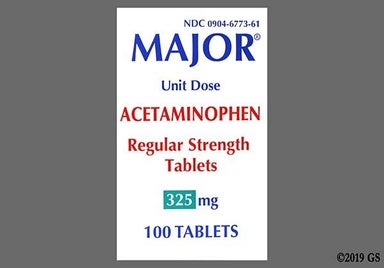
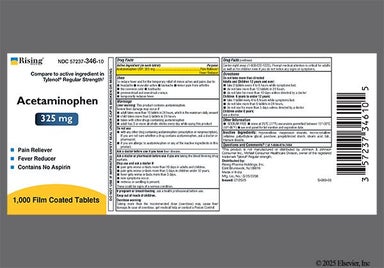
  • Acetaminophen 325 mg (regular strength) capsule or tablet

    • Age 12 years and older: The typical dose is 2 pills (650 mg) by mouth every 4 to 6 hours while symptoms last. Don't take more than 10 pills (3,250 mg) within a 24-hour period nor use for longer than 10 days unless instructed by your provider.
    • Age 6 to under 12 years: The typical dose is 1 pill (325 mg) by mouth every 4 to 6 hours while symptoms last. Don't take more than 5 pills (1,625 mg) within a 24-hour period nor use for longer than 5 days unless instructed by your child's provider.
    • Age under than 6 years: Ask your child's provider.
  • Acetaminophen 500 mg (extra strength) caplet, gelcap, or dissolvable powder packets

    • Age 12 years and older: The typical dose is 2 pills or powder packets (1,000 mg) by mouth every 6 hours while symptoms last. Don't take more than 6 pills (3,000 mg) within a 24-hour period nor use for longer than 10 days unless instructed by your provider.
    • Age under than 12 years: Ask your child's provider.
  • Acetaminophen 160 mg/5 mL oral suspension: Each 5 mL contains 160 mg of acetaminophen.

    • Age 12 years and older: The typical dose is 20 mL by mouth every 4 hours while symptoms last. Don't take more than 5 doses (100 mL) within a 24-hour period nor use longer than 10 days unless instructed by your provider.
    • Age 2 to under 12 years or weigh 24 to 95 pounds: The dose depends on your child’s age and body weight, so please check for detailed instructions on the packaging. The typical dose ranges from 5 mL to 15 mL by mouth every 4 hours while symptoms last. Don't give your child more than 5 doses nor use for longer than 5 days unless instructed by your child's provider.
    • Age under 2 years or weigh less than 24 pounds: Ask your child's provider.

Read the articles below for more information on:

Acetaminophen is also available as an injection into the veins (also called intravenous or IV). This injectable form of acetaminophen is given by a healthcare provider in the hospital.

interactions-icon

Interactions between Acetaminophen (Tylenol) and other drugs

Acetaminophen (Tylenol) may interact with certain medications or supplements. Always let your doctor and pharmacist know about any other medications or supplements (including prescribed and over-the-counter medications, vitamins, and dietary or herbal supplements) that you are currently taking. The list below does not include all possible drug interactions with Acetaminophen (Tylenol). Please note that only the generic name of each medication is listed below.

Although certain medicines should not be used together at all, in other cases two different medicines may be used together even if an interaction might occur. In these cases, your doctor may want to change the dose, or other precautions may be necessary. When you are taking this medicine, it is especially important that your healthcare professional know if you are taking any of the medicines listed below. The following interactions have been selected on the basis of their potential significance and are not necessarily all-inclusive.

Using this medicine with any of the following medicines is usually not recommended, but may be required in some cases. If both medicines are prescribed together, your doctor may change the dose or how often you use one or both of the medicines.

Using this medicine with any of the following medicines may cause an increased risk of certain side effects, but using both drugs may be the best treatment for you. If both medicines are prescribed together, your doctor may change the dose or how often you use one or both of the medicines.

cost-icon

How much does Acetaminophen (Tylenol) cost?

To access savings, use a GoodRx coupon and pay just a fraction of the retail price.
Acetaminophen (Tylenol) (generic)
GoodRx lowest price

$3.01

contraindications-icon

Acetaminophen (Tylenol) contraindications

Contraindications are specific health conditions or situations in which a person should not take a medication due to safety concerns. If you have any of the following conditions or if any of the following apply to you, let your healthcare provider know because Acetaminophen (Tylenol) will not be safe for you to take.

  • Taking other medications containing acetaminophen
alternatives-icon

What are alternatives to Acetaminophen (Tylenol)?

There are a number of medications that your doctor can prescribe in place of Acetaminophen (Tylenol). Compare a few possible alternatives below.
Acetaminophen (Tylenol)
Used for:
  • Mild pain
  • Fever
$3.01Lowest GoodRx priceView prices
Used for:

Over-the-counter ibuprofen:

Prescription ibuprofen:

$6.30Lowest GoodRx priceView prices
latest-news-icon

News about Acetaminophen (Tylenol)

Explore non-narcotic pain medications for pain relief and learn about alternative non-medication treatments.
A Complete Guide to Non-Narcotic Pain Medication: NSAIDs, Non-NSAIDs, and Other Options
Explore non-narcotic pain medications for pain relief and learn about alternative non-medication treatments.
The common cold and the flu share many of the same symptoms, but flu symptoms tend to be more severe. Here are the key differences between a cold and the flu.
Cold vs. Flu: How Are They Different?
The common cold and the flu share many of the same symptoms, but flu symptoms tend to be more severe. Here are the key differences between a cold and the flu.
What should you do if you think you have COVID? Self-quarantine, or see a doctor? Experts review severe COVID symptoms and when to get help.
When Should You See a Doctor or Self-Quarantine If You Think You Have COVID-19?
What should you do if you think you have COVID? Self-quarantine, or see a doctor? Experts review severe COVID symptoms and when to get help.
Learn the OTC medications for COVID-19 that can help reduce symptoms, including popular medications like Tylenol, Advil, and Motrin, and the benefits of each.
Can You Take Tylenol or Advil for COVID-19 Symptoms?
Learn the OTC medications for COVID-19 that can help reduce symptoms, including popular medications like Tylenol, Advil, and Motrin, and the benefits of each.
Discover effective ways to manage common cold symptoms. From medications to home remedies, learn what your options are for treating the common cold.
Common Cold Treatments: There’s No Cure, But Here’s How to Ease Your Symptoms
Discover effective ways to manage common cold symptoms. From medications to home remedies, learn what your options are for treating the common cold.
Do you have a sinus headache? Learn from GoodRx about the signs and symptoms of sinus headaches, what causes them, and what you can do to treat them.
What Is a Sinus Headache?
Do you have a sinus headache? Learn from GoodRx about the signs and symptoms of sinus headaches, what causes them, and what you can do to treat them.
There are multiple ways to treat ear infections, such as antibiotics and ear drops. Find out which ear infection treatment is best for you with GoodRx.
What’s the Best Ear Infection Treatment for Adults and Children?
There are multiple ways to treat ear infections, such as antibiotics and ear drops. Find out which ear infection treatment is best for you with GoodRx.
Learn the risks and side effects of taking too much Tylenol with GoodRx to avoid a trip to the hospital.
How Much Tylenol (Acetaminophen) Can I Take?
Learn the risks and side effects of taking too much Tylenol with GoodRx to avoid a trip to the hospital.
Fevers are often caused by an infection in the body. See common ways to break a fever fast, including what fever reducers to take and home remedies.
How to Break a Fever: Ways to Bring Temperature Down and How to Know If You Should
Fevers are often caused by an infection in the body. See common ways to break a fever fast, including what fever reducers to take and home remedies.
Cold and flu medications can’t treat COVID-19, but they could help with some of the symptoms. Here’s some of the best OTC medicines to take for COVID.
Can You Take Cold and Flu Medications Like Mucinex to Treat COVID-19?
Cold and flu medications can’t treat COVID-19, but they could help with some of the symptoms. Here’s some of the best OTC medicines to take for COVID.
images-icon

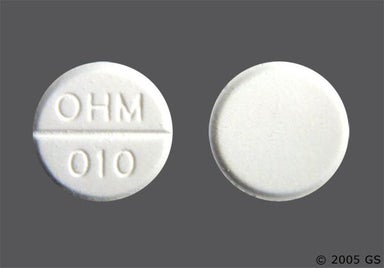
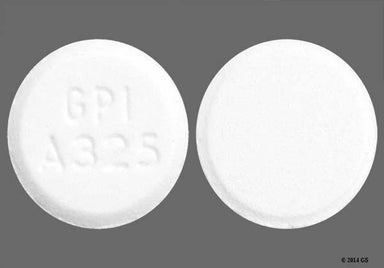
Acetaminophen (Tylenol) images

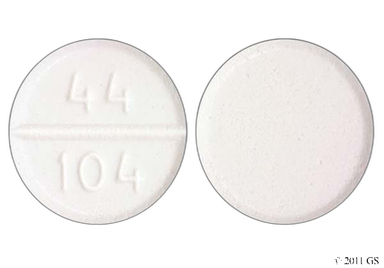
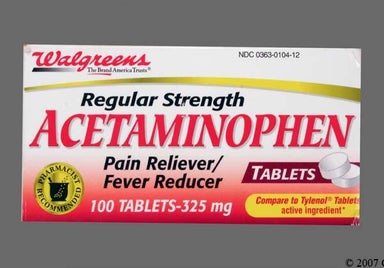
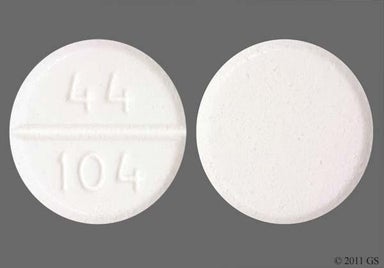
White Round 44 104 - Walgreens Acetaminophen 325mg Tablet
This medicine is White, Round, Scored Tablet Imprinted With "44 104".White Round 44 104 - Walgreens Acetaminophen 325mg Tablet
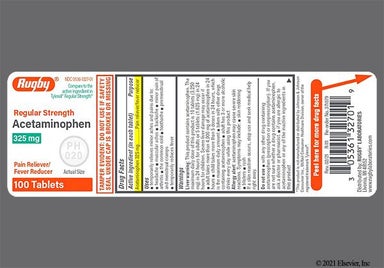
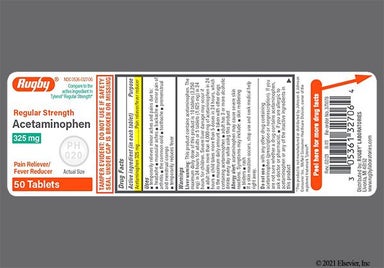
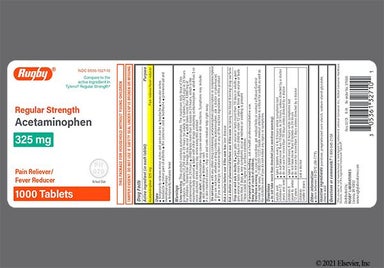
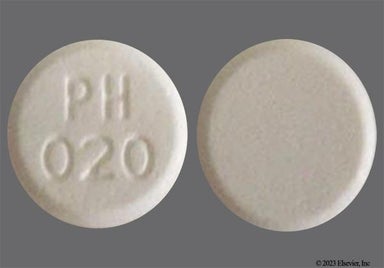
White Round Ph020 - Acetaminophen Regular Strength 325mg Tablet
This medicine is White, Round Tablet Imprinted With "Ph020".White Round Ph020 - Acetaminophen Regular Strength 325mg Tablet
White Round Ph020 - Acetaminophen Regular Strength 325mg Tablet
This medicine is White, Round Tablet Imprinted With "Ph020".White Round Ph020 - Acetaminophen Regular Strength 325mg Tablet
White Round Ph020 - Acetaminophen Regular Strength 325mg Tablet
This medicine is White, Round Tablet Imprinted With "Ph020".White Round Ph020 - Acetaminophen Regular Strength 325mg Tablet
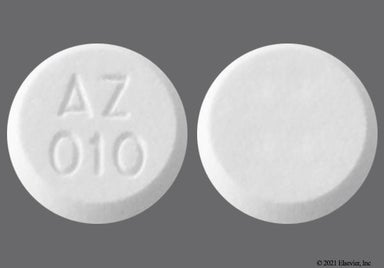
White Round Az 010 - Acetaminophen 325mg Tablet
This medicine is White, Round Tablet Imprinted With "Az 010".White Round Az 010 - Acetaminophen 325mg Tablet
White Round Cpc 220 - Acetaminophen 325mg Tablet
This medicine is White, Round, Scored Tablet Imprinted With "Cpc 220".White Round Cpc 220 - Acetaminophen 325mg Tablet
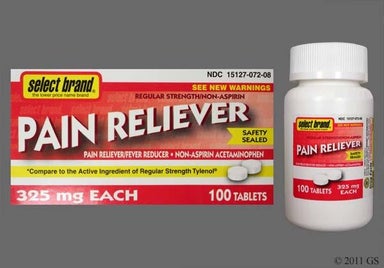
White Round 44 104 - Select Brand Pain Reliever 325mg Tablet
This medicine is White, Round, Scored Tablet Imprinted With "44 104".White Round 44 104 - Select Brand Pain Reliever 325mg Tablet
White Round 44 104 - Select Brand Pain Reliever 325mg Tablet
This medicine is White, Round, Scored Tablet Imprinted With "44 104".White Round 44 104 - Select Brand Pain Reliever 325mg Tablet
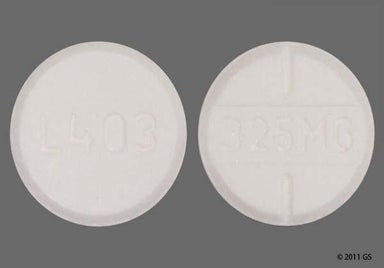
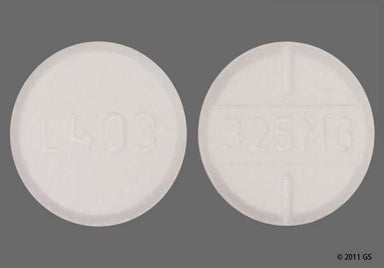
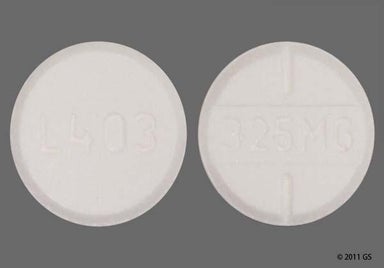
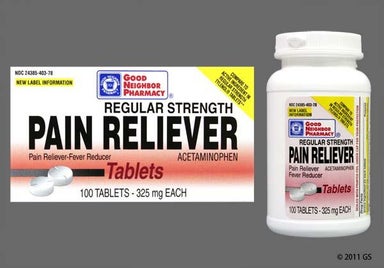
White Round 325 Mg And L 403 - GNP Pain Relief 325mg Tablet
This medicine is White, Round, Scored Tablet Imprinted With "325 Mg" And "L 403".White Round 325 Mg And L 403 - GNP Pain Relief 325mg Tablet
White Round Ph 020 - Acetaminophen 325mg Tablet
This medicine is White, Round Tablet Imprinted With "Ph 020".White Round Ph 020 - Acetaminophen 325mg Tablet
White Round S99 - Acetaminophen 325mg Tablet
This medicine is White, Round Tablet Imprinted With "S99".White Round S99 - Acetaminophen 325mg Tablet
This medicine is Colorless Tablet.
White Round Tcl340 - CVS Acetaminophen 325mg Tablet
This medicine is White, Round Tablet Imprinted With "Tcl340".White Round Tcl340 - CVS Acetaminophen 325mg Tablet
White Round 57344 And M2A3 - Foster & Thrive Pain Relief Regular Strength 325mg Tablet
This medicine is White, Round, Scored Tablet Imprinted With "M2A3" And "57344".White Round 57344 And M2A3 - Foster & Thrive Pain Relief Regular Strength 325mg Tablet
white round - Acetaminophen 325mg Tablet
This medicine is White, Round, Scored Tablet.white round - Acetaminophen 325mg Tablet
white round - Acetaminophen 325mg Tablet
This medicine is White, Round, Scored Tablet.white round - Acetaminophen 325mg Tablet
White Round S31 - Equate Pain Reliever Regular Strength 325mg Tablet
This medicine is White, Round Tablet Imprinted With "S31".White Round S31 - Equate Pain Reliever Regular Strength 325mg Tablet

Get savings updates for Acetaminophen (Tylenol)

Receive price alerts, news, and other messages from GoodRx about Acetaminophen (Tylenol) and other healthcare topics and relevant savings offers.

By providing your email, you consent to receive marketing communications from GoodRx, which may include content and/or data related to men's health, women's health, reproductive care, or sexual health. You agree to the GoodRx Terms of Use and acknowledge the Privacy Policy. You can unsubscribe at any time.

References

Best studies we found

American College of Obstetricians and Gynecologists. (2021). ACOG Response to Consensus Statement on Paracetamol Use During Pregnancy.

American College of Obstetricians and Gynecologists. (2020). Postpartum Pain Management.

Bauer, A.Z., et al. (2021). Paracetamol use during pregnancy — a call for precautionary action. Nature Reviews Endocrinology.

GoodRx Health has strict sourcing policies and relies on primary sources such as medical organizations, governmental agencies, academic institutions, and peer-reviewed scientific journals. Learn more about how we ensure our content is accurate, thorough, and unbiased by reading our editorial guidelines.
Was this page helpful?