



How to Stop Postnasal Drip: 7 Treatments to Consider
Postnasal drip can cause coughing, congestion, and more. Here’s how to stop postnasal drip with prescription and OTC medications, plus home remedies to try.
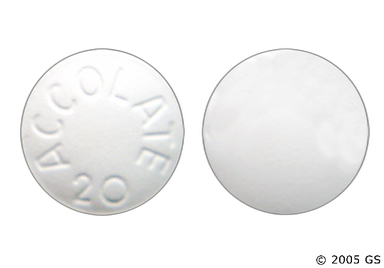
Zafirlukast (Accolate) is used to help control symptoms of asthma in people age 5 years and older. It's a tablet that you take by mouth two times every day. This medication helps improve lung function over time; it's not a rescue inhaler so it isn't used when you're having an asthma attack. The most common side effect of zafirlukast (Accolate) is headache. It's available as both a brand-name and generic medication.

Zafirlukast (Accolate) is a leukotriene receptor antagonist. It blocks inflammatory chemicals in your body called leukotrienes from narrowing your airways and from making too much mucus in your lungs.
| Common Brands | Accolate |
|---|---|
| Drug Class | Leukotriene receptor antagonist |
| Controlled Substance Classification | Not a controlled medication |
| Generic Status | Lower-cost generic available |
| Availability | Prescription only |

The following side effects may get better over time as your body gets used to the medication. Let your healthcare provider know immediately if you continue to experience these symptoms or if they worsen over time.
Contact your healthcare provider immediately if you experience any of the following.
Along with its needed effects, a medicine may cause some unwanted effects. Although not all of these side effects may occur, if they do occur they may need medical attention.
Check with your doctor immediately if any of the following side effects occur:
Rare
Abdominal or stomach pain
clay-colored stools
dark urine
dizziness
headache
loss of appetite
rash
unpleasant breath odor
unusual tiredness or weakness
vomiting of blood
yellow eyes or skin
Incidence not known
Attack, assault, or force
attempts at killing oneself
discouragement
fear or nervousness
feeling sad or empty
fever with or without chills
general feeling of tiredness or weakness
hyperventilation
irregular heartbeats
irritability
lack of appetite
large, hive-like swelling on the face, eyelids, lips, tongue, throat, hands, legs, feet, or sex organs
loss of interest or pleasure
restlessness
seeing, hearing, or feeling things that are not there
shakiness in the legs, arms, hands, or feet
shortness of breath
sores, ulcers, or white spots on the lips or in the mouth
tiredness
trembling or shaking of the hands or feet
trouble with concentrating
trouble with sleeping
unable to sleep
unusual bleeding or bruising
Some side effects may occur that usually do not need medical attention. These side effects may go away during treatment as your body adjusts to the medicine. Also, your health care professional may be able to tell you about ways to prevent or reduce some of these side effects. Check with your health care professional if any of the following side effects continue or are bothersome or if you have any questions about them:
Other side effects not listed may also occur in some patients. If you notice any other effects, check with your healthcare professional.
Call your doctor for medical advice about side effects. You may report side effects to the FDA at 1-800-FDA-1088.




Zafirlukast (Accolate) can cause some serious health issues. This risk may be even higher for certain groups. If this worries you, talk to your doctor or pharmacist about other options.
While zafirlukast (Accolate) can control your asthma in the long run, it can't stop an asthma attack that's happening. Make sure to always have your rescue inhaler with you at all times so you can use it when these attacks happen. Continue taking zafirlukast (Accolate) as instructed by your provider if you have an asthma attack.
Though rare, some people taking zafirlukast (Accolate) have had liver damage. In most cases, signs and symptoms of liver damage went away when they stopped taking the medication. But in rare cases, liver damage worsened to life-threatening liver failure. Call your provider right away if you have upper right stomach pain, nausea, tiredness, yellowing of your skin or whites of the eyes, flu-like symptoms, or loss of appetite. These can be signs of liver damage.
Some people who take zafirlukast (Accolate) have reported getting depressed and having trouble sleeping. Let your provider know right away if you or your loved ones notice that you feel sad or hopeless, have lost interest in doing things that you usually enjoy, have trouble sleeping, or have other signs or symptoms of depression.
Very rarely, some people taking zafirlukast (Accolate) had symptoms related to high levels of white blood cells (eosinophilia). Symptoms can include intense itching, rash, worsened breathing problems, trouble breathing, tingling or numbness in hands or feet, and pain and swelling of your sinuses. They might be more likely to happen if you're stopping or lowering the dose of an oral corticosteroid medication while you're taking zafirlukast (Accolate). Tell your provider right away if you notice any of these symptoms during treatment.
Taking zafirlukast (Accolate) together with the blood thinner warfarin (Coumadin) can raise your risk of bleeding. Let the provider who's managing your blood thinner medication know that you're taking zafirlukast (Accolate). They'll follow up with you more often to check for your risk of bleeding and adjust your warfarin (Coumadin) dose accordingly.


Although certain medicines should not be used together at all, in other cases two different medicines may be used together even if an interaction might occur. In these cases, your doctor may want to change the dose, or other precautions may be necessary. When you are taking this medicine, it is especially important that your healthcare professional know if you are taking any of the medicines listed below. The following interactions have been selected on the basis of their potential significance and are not necessarily all-inclusive.
Using this medicine with any of the following medicines may cause an increased risk of certain side effects, but using both drugs may be the best treatment for you. If both medicines are prescribed together, your doctor may change the dose or how often you use one or both of the medicines.


Contraindications are specific health conditions or situations in which a person should not take a medication due to safety concerns. If you have any of the following conditions or if any of the following apply to you, let your healthcare provider know because Zafirlukast (Accolate) will not be safe for you to take.






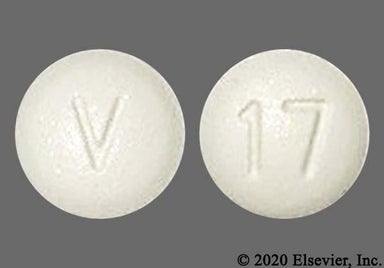
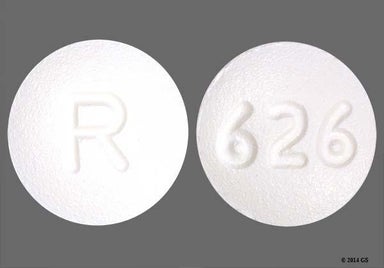
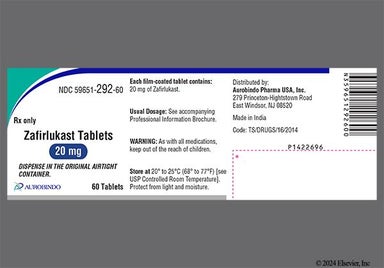
Prescription savings
Stop paying too much for your prescriptions. Compare prices, get pharmacy coupons, and save up to 80%.Resources
About GoodRx
 Find expert answers to your health questions so you can make the best decisions for yourself and your family.
Health conditions
Medications & treatment
Access & affordability
Well-being
Medication discounts

Studies show that people with severe asthma who took Zafirlukast for about 3 months had daytime asthma symptom scores that were 26% lower than at baseline (before they started the study). They also had 27% less nighttime awakenings from asthma symptoms and they needed to use their rescue inhaler less than at baseline. In addition, studies show that lung function greatly improved as measured by certain breathing tests that determine how powerful your exhale is.
Zafirlukast is a control (or maintenance) medication for asthma. It helps control your asthma symptoms by improving your lung function over time. It's not a rescue medication like albuterol (Ventolin) or levalbuterol (Xopenex HFA) are that are used for relieving asthma symptoms or attacks right away.
No, Zafirlukast isn't a steroid. Zafirlukast is a leukotriene receptor antagonist. Both steroids and Zafirlukast work to help with inflammation in the lungs and with lung function, but in different ways. Steroids target many different inflammatory chemicals, whereas Zafirlukast blocks the specific inflammatory chemical called leukotriene.
No, you should take Zafirlukast on an empty stomach (at least 1 hour before or 2 hours after a meal). Taking it with food can cause your body to absorb less medication, which can affect how well it works.
Weight gain wasn't a side effect that was reported by people who took Zafirlukast in clinical studies. Let your provider know if you have any unusual changes in your weight while you're taking Zafirlukast. They can check to see what might be going on.
No, Zafirlukast isn't the same medication as montelukast (Singulair). They're both leukotriene receptor antagonists that are used to control asthma symptoms. But montelukast (Singulair) can also help with allergies and more specifically asthma brought on by exercise. In addition, Zafirlukast is taken twice a day on an empty stomach, whereas montelukast (Singulair) is taken only once a day and it doesn't matter if you take it with food or not. What's more, Zafirlukast can be used for children as young as 5 years old, but children even younger than that can use montelukast (Singulair). Compare between the two medications, and ask your provider which one best fits your needs.
It's not known whether Zafirlukast can harm an unborn baby. We do know that it's important to control asthma symptoms well and prevent asthma attacks during pregnancy to lower the risk of health complications in the mother and baby. Talk to your provider if you're pregnant or plan to become pregnant. They can discuss the risks and benefits of taking Zafirlukast for your asthma during pregnancy. Your provider might recommend other asthma medications that you can safely take during pregnancy.
Studies show that Zafirlukast can be found in breast milk. But there isn't any information to know whether this causes side effects in the baby when they're breastfed. The manufacturer of Zafirlukast doesn't recommend taking Zafirlukast if you're breastfeeding. In general, it's a good idea to talk to your provider about the risks and benefits of taking Zafirlukast if you're breastfeeding.
