








How Much Is Abilify Without Insurance?
Without insurance, you should expect to pay higher costs for your Abilify prescription. Learn more about Abilify costs and how to save on your medication.

Aripiprazole (Abilify) is used to treat different mental health conditions. This includes schizophrenia, depression, and bipolar I disorder. It belongs to a drug class called atypical antipsychotics. Aripiprazole (Abilify) comes in several forms that are taken by mouth: a tablet, oral solution, and orally disintegrating tablet (ODT). The approved age depends on the condition being treated. Some uses are for adults only, while others are approved for children as young as 6 years old. Common side effects include headache and movement problems.

Aripiprazole (Abilify) is an atypical antipsychotic. It helps balance out the levels of certain chemicals in your brain that help regulate your emotions and thoughts. These mainly include dopamine and serotonin. This helps control your thoughts, mood, and behaviors.
| Common Brands | Abilify |
|---|---|
| Drug Class | Atypical antipsychotic |
| Controlled Substance Classification | Not a controlled medication |
| Generic Status | Lower-cost generic available |
| Availability | Prescription only |

The following side effects may get better over time as your body gets used to the medication. Let your healthcare provider know immediately if you continue to experience these symptoms or if they worsen over time.
Note: Side effects were from adults with schizophrenia or bipolar disorder. Side effects might differ for other mental health problems and for children.
Contact your healthcare provider immediately if you experience any of the following.
Along with its needed effects, a medicine may cause some unwanted effects. Although not all of these side effects may occur, if they do occur they may need medical attention.
Check with your doctor immediately if any of the following side effects occur:
More common
Difficulty with speaking
loss of balance control
muscle trembling, jerking, or stiffness
restlessness
shuffling walk
stiffness of the limbs
twisting movements of the body
uncontrolled movements, especially of the face, neck, and back
Less common
Blurred vision
dizziness
headache
inability to move the eyes
increased blinking or spasms of the eyelid
nervousness
pounding in the ears
slow or fast heartbeat
sticking out the tongue
trouble with breathing or swallowing
unusual facial expressions
Rare
High fever
high or low blood pressure
increased sweating
lip smacking or puckering
loss of bladder control
muscle spasm or jerking of all extremities
puffing of the cheeks
rapid or worm-like movements of the tongue
seizures
severe muscle stiffness
sudden loss of consciousness
tiredness
uncontrolled chewing movements
uncontrolled movements of the arms and legs
unusually pale skin
Incidence not known
Hives or welts, itching, or skin rash
itching, puffiness, or swelling of the eyelids or around the eyes, face, lips, or tongue
large, hive-like swelling on the face, eyelids, lips, tongue, throat, hands, legs, feet, or sex organs
redness of the skin
tightness in the chest
unusual tiredness or weakness
Get emergency help immediately if any of the following symptoms of overdose occur:
Some side effects may occur that usually do not need medical attention. These side effects may go away during treatment as your body adjusts to the medicine. Also, your health care professional may be able to tell you about ways to prevent or reduce some of these side effects. Check with your health care professional if any of the following side effects continue or are bothersome or if you have any questions about them:
More common
belching
blurred vision
difficulty having a bowel movement
fear
hyperventilation
inability to sit still
indigestion
irritability
lightheadedness
need to keep moving
nervousness
rash
shaking
stomach discomfort, upset, or pain
trouble sleeping
Less common
Accidental injury
bloating or swelling of the face, arms, hands, lower legs, or feet
body aches or pain
congestion
difficulty with moving
dryness or soreness of the throat
hoarseness
increased appetite
increased salivation
joint pain
muscle aching or cramping
muscle pains or stiffness
rapid weight gain
swollen joints
tender, swollen glands in the neck
tingling of the hands or feet
unusual weight gain or loss
voice changes
Other side effects not listed may also occur in some patients. If you notice any other effects, check with your healthcare professional.
Call your doctor for medical advice about side effects. You may report side effects to the FDA at 1-800-FDA-1088.



For the aripiprazole oral solution:
For the aripiprazole orally disintegrating tablets (ODTs):

Aripiprazole (Abilify) can cause some serious health issues. This risk may be even higher for certain groups. If this worries you, talk to your doctor or pharmacist about other options.
 Older adults with dementia can sometimes have psychosis. This can include seeing, hearing, or believing things that aren't real. This is called dementia-related psychosis. Studies show that older adults with dementia-related psychosis who take antipsychotics like aripiprazole (Abilify) have a higher risk of death. They might also have a higher risk of stroke.
Aripiprazole (Abilify) isn't approved to treat people with dementia-related psychosis. Tell your prescriber if you or the person you're caring for has dementia before starting this medication.
People with depression, bipolar disorder, or schizophrenia can have thoughts of suicide or self-harm. The risk of suicidal thoughts can also be higher in children, teens, and young adults taking antidepressants. This risk can be higher when treatment starts or the dose changes.
Make sure you and your loved ones watch for changes in your mood or behavior. Tell your prescriber right away if you have worsening depression or unusual changes in your thoughts or mood. Get emergency help right away if you have thoughts of hurting yourself.
Antipsychotic medications like aripiprazole (Abilify) can rarely cause neuroleptic malignant syndrome (NMS). This is a condition that can be serious or even life-threatening. Signs include high fever, sweating, stiff muscles, confusion, heavy sweating, or an irregular heartbeat. Get medical help right away if you have these symptoms while taking this medication. If your care team thinks you have NMS, they'll stop aripiprazole (Abilify) and treat your symptoms.
Aripiprazole (Abilify) can cause muscle movements you can't control. This is called tardive dyskinesia. Signs can include lip smacking, face twitching, unusual blinking, tongue movements, or rocking back and forth.
The risk is higher with long-term use or higher doses. This can also raise the risk that the movements can become permanent. But tardive dyskinesia can also happen after a short time at lower doses. Your prescriber will give the lowest dose needed for your condition.
Tell your prescriber right away if you notice any new or unusual movements you can't control while taking aripiprazole (Abilify).
Aripiprazole (Abilify) can raise your blood sugar and sometimes lead to diabetes. It can also raise your cholesterol and triglyceride levels. This medication has also caused weight gain in some people. Your care team might check your blood sugar, cholesterol, and weight during treatment.
Tell your care team if you have signs of high blood sugar while taking aripiprazole (Abilify). These can include feeling very thirsty or hungry, urinating more often, or feeling weak. Tell your prescriber if you or someone in your family has diabetes. You might have a greater risk of high blood sugar and need more monitoring.
Some people have trouble controlling certain urges while taking aripiprazole (Abilify). This can include compulsive gambling, overeating, shopping, or having strong sexual urges. Tell your prescriber if you notice any new or unusual urges that are hard to control. They might lower your dose or stop the medication altogether.
Aripiprazole (Abilify) can make your blood pressure drop when you stand up from a sitting or lying down position. This is called orthostatic hypotension. It can make you feel dizzy or faint or make you lose your balance. This can lead to falls and possibly injuries.
Be very careful the first few days you're taking aripiprazole (Abilify) when you're getting up since you might feel dizzy and possibly fall. make sure to hold onto something strong and rise slowly. If you feel too dizzy or experience a fall while taking aripiprazole (Abilify), talk to your prescriber.
Although rare, aripiprazole (Abilify) might lower your white blood cell count. This can put you at risk of infections.
People who already have low white blood cell counts might need blood tests during the first few months of treatment. This helps your care team check that your blood cell count is in a safe range. If it drops too much, you might need to stop taking aripiprazole (Abilify).
Call your care team right away if you have any signs of infection while taking aripiprazole (Abilify). Look out for fever, chills, weakness, cough, a sore throat, or trouble breathing.
Rarely, aripiprazole (Abilify) can cause seizures. Your risk might be higher if you've had seizures before. It can also be higher if you have a condition that makes seizures more likely. Tell your prescriber about any history of seizures before starting aripiprazole (Abilify).
Aripiprazole (Abilify) can make you very sleepy, which can raise your risk of falls. It can also make it hard to think, make decisions, react quickly, and focus.
Your risk is higher if you also take other medications that can cause drowsiness. Examples are benzodiazepines, muscle relaxants, sleep medications, and anxiety medications.
Make sure you know how aripiprazole (Abilify) affects you before driving or doing anything that needs your focus. Talk to your care team right away if you feel too sleepy or if the side effects make it hard to go about your daily life.
Some people taking antipsychotic medications like aripiprazole (Abilify) might have trouble swallowing. If food or liquid accidentally get into your lungs, it can be dangerous. This can lead to breathing problems or pneumonia (a lung infection).
Be sure to chew your food well and swallow slowly, especially if your throat or neck area feels tight. Talk to your prescriber if you have any trouble swallowing.
Tell your prescriber if you have phenylketonuria (PKU) before taking aripiprazole orally disintegrating tablets. These tablets contain phenylalanine, which can be harmful if you have PKU. Your prescriber can help choose another form of aripiprazole for you.

Aripiprazole (Abilify) comes in different forms, including tablets, oral solutions, and orally disintegrating tablets (ODTs). Don't switch between forms without talking to your prescriber first. They can help you switch safely.
Schizophrenia
Bipolar I disorder
Depression (as add-on to other antidepressants)
Irritability related to autistic disorder
Tourette syndrome
Your dose might be different if you take certain medications that interact with aripiprazole (Abilify). Your prescriber will adjust your dose if needed.

Although certain medicines should not be used together at all, in other cases two different medicines may be used together even if an interaction might occur. In these cases, your doctor may want to change the dose, or other precautions may be necessary. When you are taking this medicine, it is especially important that your healthcare professional know if you are taking any of the medicines listed below. The following interactions have been selected on the basis of their potential significance and are not necessarily all-inclusive.
Using this medicine with any of the following medicines is not recommended. Your doctor may decide not to treat you with this medication or change some of the other medicines you take.
Using this medicine with any of the following medicines is usually not recommended, but may be required in some cases. If both medicines are prescribed together, your doctor may change the dose or how often you use one or both of the medicines.



















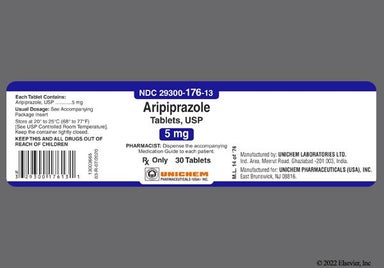




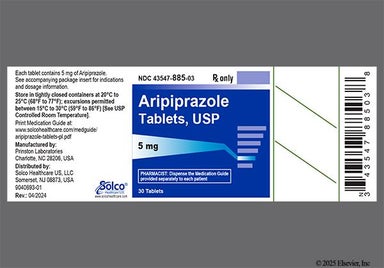
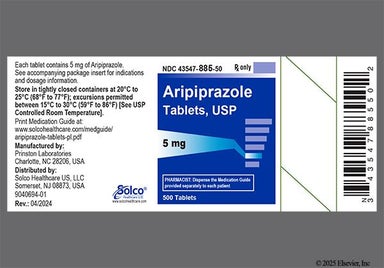











Prescription savings
Stop paying too much for your prescriptions. Compare prices, get pharmacy coupons, and save up to 80%. Find expert answers to your health questions so you can make the best decisions for yourself and your family.
Health conditions
Medications & treatment
Access & affordability
Medication discounts


No, Aripiprazole isn't a controlled substance. It isn't known to have a potential risk of misuse and dependence.
Yes, Aripiprazole can possibly cause weight gain. But the risk is generally lower than with many other similar antipsychotics. Eat a balanced, nutritious diet and try to stay active to help manage your weight. Talk to your prescriber if you notice weight gain while taking Aripiprazole and it concerns you.
Yes, Aripiprazole can make some people feel sleepy. This side effect isn't very common, but it can be more likely with higher doses. Don't drive or do anything that needs your full attention until you know how Aripiprazole affects you. If you're too sleepy to get through the day, talk to your prescriber about your options.
Aripiprazole doesn't have to be taken in the morning. Some prescribers might recommend taking it in the morning because it can cause trouble sleeping. Taking it earlier might help prevent it from interfering your nighttime sleep. If Aripiprazole makes you sleepy instead, your prescriber might suggest taking it at night. Try to take the medication around the same time each day, and ask your prescriber what time is best for you.
In general, you might notice your symptoms start to improve within about 1 to 2 weeks of starting Aripiprazole. Depending on your condition, it can take a few months to feel the full effects. Everyone responds differently, and it might take some time for your prescriber find the right dose for you. Keep taking Aripiprazole every day as prescribed, even if you don't notice a big difference right away. Talk to your prescriber if you're not sure whether it's working.
It's best to avoid alcohol while taking Aripiprazole. Alcohol can make side effects like nausea or dizziness worse. It can also worsen symptoms of conditions like schizophrenia, depression, and bipolar disorder. Talk to your prescriber about your drinking habits and how to take Aripiprazole safely.
No. You shouldn't stop taking Aripiprazole suddenly. Stopping it too quickly might cause withdrawal symptoms that can be uncomfortable. They can include nausea, sweating, dizziness, or trouble sleeping. It can also raise the risk that your mental health symptoms can come back or get worse. If you want to stop Aripiprazole, talk to your prescriber first. They can slowly lower your dose to help prevent withdrawal symptoms. They can also watch for changes in your mental health symptoms.
Small amounts of Aripiprazole can stay in your body for about 2 to 3 weeks after your last dose. This is based on the medication's half-life, or how long it takes for half of the medication to leave the body. The exact time can vary based on your overall health and the other medications you take. Ask your prescriber if you have questions about how long Aripiprazole stays in your system.
