





A List of Bipolar Disorder Medications: Lithium, Antipsychotics, and More
Bipolar disorder is a mental health condition that can affect mood and behavior. Learn about different bipolar disorder medications with GoodRx.
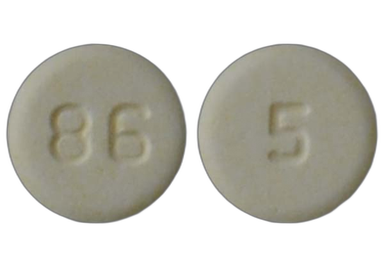
Olanzapine (Zyprexa Zydis) is an atypical antipsychotic. It's used in adults and children to treat schizophrenia or bipolar disorder. It's also prescribed in combination with fluoxetine (Prozac) to treat depression when other treatments haven't worked well. Olanzapine (Zyprexa Zydis) is an orally disintegrating tablet (ODT) that's dissolved in the mouth, typically once daily. It might be a good option for people who've trouble swallowing tablets. Some common side effects of olanzapine (Zyprexa Zydis) include sleep problems, dizziness, and weight gain. It's available as a brand name and generic medication.

When taken with fluoxetine (Prozac):
Olanzapine (Zyprexa Zydis) is an atypical antipsychotic. The way it works to help manage thoughts, mood, and behaviors isn't well-understood. But it's thought to balance the levels of certain chemicals (dopamine and serotonin) in the brain.
| Common Brands | Zyprexa Zydis |
|---|---|
| Drug Class | Atypical antipsychotic |
| Controlled Substance Classification | Not a controlled medication |
| Generic Status | Lower-cost generic available |
| Availability | Prescription only |

The following side effects may get better over time as your body gets used to the medication. Let your healthcare provider know immediately if you continue to experience these symptoms or if they worsen over time.
Contact your healthcare provider immediately if you experience any of the following.
Along with its needed effects, a medicine may cause some unwanted effects. Although not all of these side effects may occur, if they do occur they may need medical attention.
Check with your doctor immediately if any of the following side effects occur:
More common
Bloating or swelling of the face, arms, hands, lower legs, or feet
blurred vision
change in vision
change in walking and balance
clumsiness or unsteadiness
difficulty with speaking
difficulty with swallowing
impaired vision
inability to sit still
loss of balance control
mask-like face
muscle trembling, jerking, or stiffness
need to keep moving
rapid weight gain
restlessness
shuffling walk
slowed movements
slurred speech
stiffness of the arms and legs
tic-like (jerky) movements of the head, face, mouth, and neck
tingling of the hands or feet
trembling or shaking of the fingers, hands, feet, legs, or arms
twisting movements of the body
uncontrolled movements, especially of the face, neck, and back
unusual weight gain or loss
Less common
Bladder pain
bloody or cloudy urine
bruising
burning, crawling, itching, numbness, prickling, "pins and needles", or tingling feelings
difficult or labored breathing
difficult, burning, or painful urination
dizziness
excessive muscle tone
frequent urge to urinate
headache
inability to move the eyes
increased blinking or spasms of the eyelid
itching of the vagina or genital area
lack of coordination
large, flat, blue, or purplish patches in the skin
loss of bladder control
loss of memory
lower back or side pain
muscle tension or tightness
nervousness
pain during sexual intercourse
pounding in the ears
problems with memory
rhythmic movement of the muscles
slow, fast, pounding, or irregular heartbeat or pulse
speaking is less clear than usual
sticking out the tongue
thick, white vaginal discharge with no odor or with a mild odor
tightness in the chest
twitching
uncontrolled twisting movements of the neck, trunk, arms, or legs
unusual or incomplete body or facial movements
weakness of the arms and legs
Some side effects may occur that usually do not need medical attention. These side effects may go away during treatment as your body adjusts to the medicine. Also, your health care professional may be able to tell you about ways to prevent or reduce some of these side effects. Check with your health care professional if any of the following side effects continue or are bothersome or if you have any questions about them:
More common
Acid or sour stomach
back pain
belching
change in personality
difficulty having a bowel movement (stool)
discouragement
feeling sad or empty
increased appetite
increased cough
indigestion
lack of appetite
lack or loss of strength
loss of interest or pleasure
stomach discomfort, upset, or pain
thirst
trouble sleeping
trouble with concentrating
watering of the mouth
Less common
Blemishes on the skin
body aches or pain
chills
cold sweats
congestion
dryness or soreness of the throat
false or unusual sense of well-being
heavy menstrual bleeding (periods)
hoarseness
joint pain
lack of feeling or emotion
leg cramps
pain in the arms or legs
sweating
tender, swollen glands in the neck
uncaring feelings
voice change
vomiting
Other side effects not listed may also occur in some patients. If you notice any other effects, check with your healthcare professional.
Call your doctor for medical advice about side effects. You may report side effects to the FDA at 1-800-FDA-1088.




Olanzapine (Zyprexa Zydis) can cause some serious health issues. This risk may be even higher for certain groups. If this worries you, talk to your doctor or pharmacist about other options.
 People 65 years and older with dementia sometimes have symptoms of schizophrenia, like delusions and hallucinations (believing, seeing, or hearing things that aren't real). This is called dementia-related psychosis. Older people with dementia-related psychosis have a high risk of death if they take medications like olanzapine (Zyprexa Zydis). Because of this risk, olanzapine (Zyprexa Zydis) shouldn't be used in people 65 years and older with dementia-related psychosis. Let your prescriber know if you or your loved one has dementia before starting olanzapine (Zyprexa Zydis).
Having schizophrenia or bipolar I disorder can put people at risk for self-harm or suicidal thoughts. If you or anyone around you notice(s) that you have suicidal thoughts or behavior(s), get medical help right away.
Although rare, olanzapine (Zyprexa Zydis) can cause serious skin reactions, such as Drug Reaction with Eosinophilia and Systemic Symptoms (DRESS). If you notice changes in your skin (e.g., rash, blisters, swollen lymph nodes, skin reddening, skin peeling) or experience swelling in your face or trouble breathing, stop using olanzapine (Zyprexa Zydis) and get medical attention right away.
Taking antipsychotic medications like olanzapine (Zyprexa Zydis) can cause a rare, but life-threatening condition called neuroleptic malignant syndrome. Some symptoms include fever, sweating, stiff muscles, confusion, not aware of your surroundings, and fast or irregular heartbeat. If you experience any of these symptoms while taking olanzapine (Zyprexa Zydis), get medication attention as soon as possible. Your prescriber will likely have you stop taking olanzapine (Zyprexa Zydis) and switch you to something else.
Olanzapine (Zyprexa Zydis) can raise your blood sugar and cholesterol levels as well as raise your appetite, all of which can lead to weight gain. Your prescriber will likely order blood tests regularly throughout treatment with olanzapine (Zyprexa Zydis) to make sure your blood sugar and cholesterol aren't too high. Make sure to have a healthy and balanced diet low in fat and sugar and maintain a regular exercise routine while taking olanzapine (Zyprexa Zydis).
Taking antipsychotic medications like olanzapine (Zyprexa Zydis) can cause uncontrolled body movements, such as eye-twitching or lip-smacking. This is more likely to happen the longer you take medications like olanzapine (Zyprexa Zydis). This can become permanent if it's not caught in time. If you experience any uncontrolled movements and aren't able to stop them, talk to your healthcare professional right away.
Olanzapine (Zyprexa Zydis) can make you tired, lower your blood pressure, or lose your balance, which can lead to falls. When standing from a sitting or lying position, make sure to get up slowly and hold onto something. If you experience a fall while taking olanzapine (Zyprexa Zydis), contact your healthcare professional.
Though rare, olanzapine (Zyprexa Zydis) can lower your white blood cell counts (WBCs) and put you at risk for developing infections. You'll need to get blood tests done regularly during the first few months of taking olanzapine (Zyprexa Zydis) so your healthcare professional can make sure your WBCs are in a safe range. If your WBC count drops too low, you'll likely need to stop taking olanzapine (Zyprexa Zydis). If you develop any signs of infection, such as fever, tiredness, chills, cough, or trouble breathing, and they don't go away, contact your healthcare professional right away.
Olanzapine (Zyprexa Zydis) can potentially cause seizures. Before starting this medication, let your healthcare professional know if you have a history of seizures or have a medical condition that puts you at risk for getting seizures.
Taking olanzapine (Zyprexa Zydis) can raise the levels of a hormone called prolactin in your body. The risk is higher if you take this medication over a longer period of time. High prolactin levels might lead to fertility problems, enlarged male breasts, sexual problems, absence or irregular menstrual periods, and weak bones. Your healthcare professional might order blood work to check your prolactin levels when you're taking olanzapine (Zyprexa Zydis). Talk with your healthcare team if you're concerned about problems linked to higher prolactin levels.
Olanzapine (Zyprexa Zydis) can cause extreme sleepiness and lower your ability to think, react, and focus. Your risk is higher if you're also taking other medications that can cause drowsiness, such as benzodiazepines, anxiety medications, muscle relaxants, and sleep medications. Make sure you know how this medication affects you before driving a car or doing activities that require your concentration. Talk to your healthcare professional right away if you feel too sleepy from taking olanzapine (Zyprexa Zydis).
Olanzapine (Zyprexa Zydis) might cause anticholinergic side effects, including trouble urinating, constipation, and bowel movement problems. The risk of these side effects are higher if you're taking other anticholinergic medications, such as certain ones for treating overactive bladder or motion sickness. Before starting olanzapine (Zyprexa Zydis), ask your healthcare team to help you check for medication interactions.
Let your healthcare team know if you have phenylketonuria (PKU), a genetic condition where your body has trouble breaking down phenylalanine. Olanzapine (Zyprexa Zydis) contains phenylalanine and should be avoided by people with PKU. If you have PKU, your healthcare team will have you consider olanzapine (Zyprexa) tablets instead because the regular tablets don't contain phenylalanine.

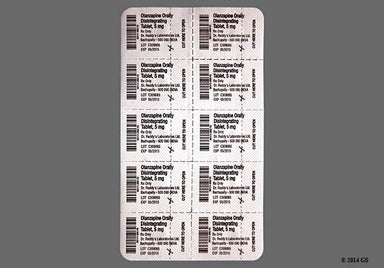
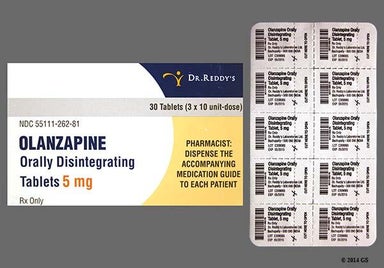
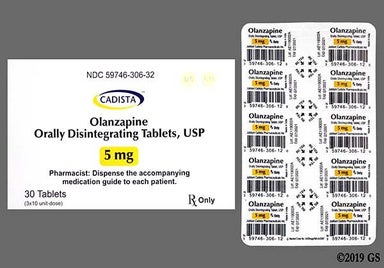
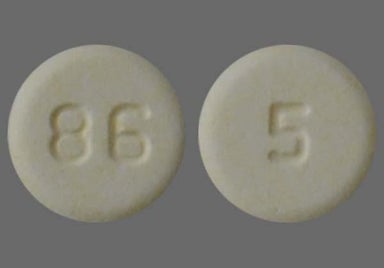
 Orally disintegrating tab
| Dosage | Quantity | Price as low as | Price per unit |
|---|---|---|---|
| 5mg | 30 orally disintegrating tabs | $21.86 | $0.73 |
| 10mg | 30 orally disintegrating tabs | $23.74 | $0.79 |
| 15mg | 30 orally disintegrating tabs | $30.75 | $1.03 |
| 20mg | 30 orally disintegrating tabs | $34.42 | $1.15 |
Your psychiatrist will determine your dose of olanzapine (Zyprexa Zydis) based on your condition, how well the medication is helping your symptoms, and if you're having side effects.
Olanzapine (Zyprexa Zydis) is an ODT that's placed in the mouth, dissolved, then swallowed.
Schizophrenia:
Bipolar I disorder (mixed or manic episodes):
Depressive episodes of bipolar I disorder (with fluoxetine (Prozac)):
Treatment-resistant depression (with fluoxetine (Prozac)):

Although certain medicines should not be used together at all, in other cases two different medicines may be used together even if an interaction might occur. In these cases, your doctor may want to change the dose, or other precautions may be necessary. When you are taking this medicine, it is especially important that your healthcare professional know if you are taking any of the medicines listed below. The following interactions have been selected on the basis of their potential significance and are not necessarily all-inclusive.
Using this medicine with any of the following medicines is not recommended. Your doctor may decide not to treat you with this medication or change some of the other medicines you take.
Using this medicine with any of the following medicines is usually not recommended, but may be required in some cases. If both medicines are prescribed together, your doctor may change the dose or how often you use one or both of the medicines.
Using this medicine with any of the following medicines may cause an increased risk of certain side effects, but using both drugs may be the best treatment for you. If both medicines are prescribed together, your doctor may change the dose or how often you use one or both of the medicines.














Prescription savings
Stop paying too much for your prescriptions. Compare prices, get pharmacy coupons, and save up to 80%. Find expert answers to your health questions so you can make the best decisions for yourself and your family.
Health conditions
Medications & treatment
Access & affordability
Medication discounts


No, Zyprexa Zydis isn't a controlled substance because it isn't known to carry a risk of addiction or dependence.
Both Zyprexa and Zyprexa Zydis are brand names that contain olanzapine as the active ingredient. The main difference between them is that Zyprexa comes as a tablet that's taken by mouth (as well as an injection that's given into the muscle), whereas Zyprexa Zydis comes as an orally dissolving tablet (ODT) that placed in the mouth, dissolved, and then swallowed. Zyprexa Zydis might be a better option for people who've trouble swallowing regular tablets.
Yes, weight gain is one of the more common side effects of Zyprexa Zydis. A study suggests olanzapine has a higher risk for weight gain compared to some other antipsychotic medications, such as quetiapine (Seroquel) and risperidone (Risperdal). To lower your risk for weight gain while taking Zyprexa Zydis, talk to your care team. They can recommend ways to plan balanced and nutritious meals with ingredients, such as lean proteins, whole-grains, fruits, and vegetables. They can also help build a regular exercise routine that's appropriate for you. Talk with your psychiatrist if you have more questions about Zyprexa Zydis and weight gain.
Zyprexa Zydis isn't FDA-approved to help with nausea. But studies suggest that olanzapine can help relieve nausea from chemotherapy. If appropriate, an oncology care team might consider Zyprexa Zydis as an off-label option to help with nausea and vomiting related to cancer treatments. Don't take Zyprexa Zydis for nausea without first speaking to a healthcare professional.
Zyprexa Zydis isn't FDA-approved to help with anxiety. But research suggests olanzapine might help with certain types of anxiety. In some cases, psychiatrists might consider prescribing Zyprexa Zydis off-label to help with obsessive-compulsive disorder (OCD) or panic disorder when first-choice medications haven't worked well. Talk to your psychiatrist if you have more questions about Zyprexa Zydis and anxiety.
No, don't cut Zyprexa Zydis tablets in half. It's an ODT tablet that's meant to be slowly dissolved in the mouth.
No, do not crush Zyprexa Zydis. It's meant to be placed in the mouth and immediately dissolves once in contact with your saliva. Talk to your psychiatrist if you have concerns about taking Zyprexa Zydis.
