


Suboxone and Alcohol: Is This a Risky Combination?
You shouldn’t drink alcohol while taking Suboxone since it can worsen side effects. Here’s what can happen when you mix alcohol and Suboxone.
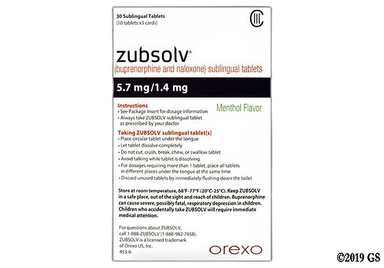
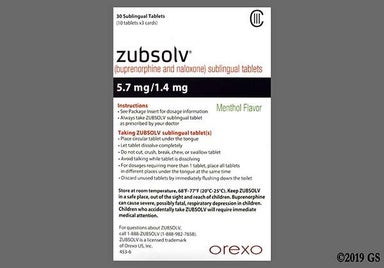
Zubsolv is a combination of two medications: buprenorphine (a partial opioid agonist) and naloxone (an opioid antagonist). It's used for the treatment of opioid use disorder (OUD) in adults, typically together with counseling and social and emotional support. Zubsolv (buprenorphine / naloxone) is a tablet that's dissolved under the tongue once per day. The dosage strength differs from person to person because it depends on many factors, such as the severity of your condition. Side effects of the medication include headache and nausea.

Zubsolv (buprenorphine / naloxone) is a combination of two medications that work together to treat opioid use disorder.
| Common Brands | Zubsolv |
|---|---|
| Drug Class | Opioid partial agonist / Opioid antagonist |
| Controlled Substance Classification | Schedule III |
| Generic Status | No lower-cost generic available |
| Availability | Prescription only |

Zubsolv (buprenorphine / naloxone) can cause some serious health issues. This risk may be even higher for certain groups. If this worries you, talk to your doctor or pharmacist about other options.
Zubsolv is a schedule III controlled substance because it contains the opioid buprenorphine. Buprenorphine has a risk for misuse and dependence. Misusing Zubsolv (buprenorphine / naloxone) can raise the risk for addiction and other serious side effects, such as dangerously slow breathing and overdose. Take Zubsolv (buprenorphine / naloxone) exactly as prescribed. Don't change how much you take or how often you take it without talking to your prescriber first.
Zubsolv contains buprenorphine, which can cause dangerously slow breathing. This can be life-threatening. Your risk is higher if you take other medications that can slow your body down like benzodiazepines and opioids. Drinking alcohol with Zubsolv (buprenorphine / naloxone) also raises your risk for slowed breathing. In addition, people getting treated for opioid use disorder can sometimes relapse, which puts them at high risk for breathing problems from opioid use.
Your prescriber might recommend that you always have naloxone (Narcan) with you in case you need to quickly treat any slowed breathing from Zubsolv (buprenorphine / naloxone) or other opioids. It's important for you and your loved ones to know how to use naloxone (Narcan) if you start breathing extremely slowly. Give naloxone (Narcan) and call 911 right away if you or a loved one notices that you're having trouble breathing or that you have bluish-colored lips.
People who are getting treated for opioid use disorder are at risk for relapse, meaning that they can fall back into taking opioids again. In general, opioids have a risk for overdose. An opioid overdose can happen at recommended doses of opioids. It can also happen if you take higher doses than prescribed or take the medication more often than prescribed. What's more, a fatal overdose can happen in children if they take just one dose of an opioid medication like Zubsolv (buprenorphine / naloxone) by mistake.
An opioid overdose can be life-threatening if it's not recognized or treated in time. Overdose symptoms include extremely slowed breathing, slow heartbeat, extreme sleepiness, cold or clammy skin, or not responding to sound or touch. Call 911 right away if you think an overdose has happened.
Your prescriber might suggest to always carry naloxone (Narcan), a medication that's used to help reverse life-threatening opioid overdose. It's important for you and your loved ones to know when and how to use naloxone (Narcan) in case an accidental overdose happens. Store your medications out of reach from children, pets, and visitors.
Zubsolv (buprenorphine / naloxone) can cause extreme sleepiness. It can also lower your ability to think, react, and focus. Drinking alcohol and taking other medications that slow your body down, like benzodiazepines, sedatives, and muscle relaxants, can worsen these side effects.
Make sure you know how Zubsolv (buprenorphine / naloxone) affects you before driving a car or doing activities that require your concentration. Avoid drinking alcohol or taking medications that make you sleepy while you're taking Zubsolv (buprenorphine / naloxone). Talk to your care team right away if you get too sleepy from taking the medication.
During pregnancy, opioids can travel through your bloodstream to your unborn baby. Long-term opioid use during pregnancy can cause your unborn baby to become dependent on the medication.
Once your baby is born, they can experience withdrawal symptoms, including high-pitched crying, poor feeding and sucking behavior, trembling, irritability, abnormal sleep patterns, and even seizures. This condition is called neonatal opioid withdrawal syndrome and can be life-threatening if not recognized and treated in time. Let your healthcare team know if you've taken Zubsolv (buprenorphine / naloxone) during pregnancy and if you notice your newborn having these withdrawal symptoms.
Some people who take medications containing opioids, like Zubsolv (buprenorphine / naloxone), can have a drop in their adrenal hormone levels. This is more likely if people take the medication for longer than 1 month. Let your prescriber know right away if you have symptoms of low adrenal hormones, including nausea, vomiting, not feeling hungry, tiredness, dizziness, and weakness. You might need to work with your prescriber to stop Zubsolv (buprenorphine / naloxone) and then get treated with corticosteroids.
Taking Zubsolv (buprenorphine / naloxone) for a long period of time can cause physical dependence. This means that your body relies on the medication to function and you can experience withdrawal if you lower the dose too quickly or stop taking the medication suddenly. Withdrawal symptoms include anxiety, restlessness, irritability, cravings, runny nose, yawning, sweating, chills, and body aches.
Withdrawal can also happen if you take Zubsolv (buprenorphine / naloxone) before the effects of any other opioids have worn off. In addition, misusing Zubsolv (buprenorphine / naloxone) by self-injection can lead to withdrawal symptoms in people who are physically dependent on other opioids.
It's important that you take Zubsolv (buprenorphine / naloxone) exactly as prescribed. Don't lower your dose or stop taking the medication suddenly without talking to your prescriber. They will slowly lower your dose to prevent withdrawal symptoms.
Some people who've taken buprenorphine-containing medications developed liver damage. This damage can range from mild to severe and life-threatening (liver failure). You'll need to get blood tests done before you start taking Zubsolv (buprenorphine / naloxone) and periodically during treatment to make sure your liver is healthy.
It's not recommended for people with moderate-to-severe liver conditions to take Zubsolv (buprenorphine / naloxone). Liver damage lowers your body's ability to clear naloxone from your system, much more so than buprenorphine. This can make the levels of naloxone in your body to rise and lead to withdrawal symptoms when you first start Zubsolv (buprenorphine / naloxone). Talk to your prescriber about other options that can help with your opioid dependence if you have liver problems.
Some people who took buprenorphine-containing medications that are dissolved in the mouth have had dental problems. These problems included cavities, tooth infections, damaged teeth, and even tooth loss.
Be sure to get regular dental cleanings and check-ups with your dentist. Practice good oral hygiene, and brush your teeth and floss every day. After Zubsolv (buprenorphine / naloxone) dissolves under the tongue, swish some water around in your mouth and then swallow. Make sure to wait at least 1 hour after you take Zubsolv (buprenorphine / naloxone) before you brush your teeth.
Suboxone contains buprenorphine, which can cause QT prolongation (the time it takes for the heart to relax and contract again is longer than usual). This can potentially lead to a dangerous heart rhythm problem.
Tell your prescriber about your full medical history before you start taking Zubsolv (buprenorphine / naloxone). Your risk for QT prolongation might be higher if you already have heart problems or if you have abnormal electrolyte levels in your body. Contact your prescriber if you have symptoms of heart problems, such as a pounding chest, trouble breathing, feeling faint or lightheaded, or chest pain, while you're taking this medication.
Zubsolv (buprenorphine / naloxone) can cause extremely low blood pressure. Your blood pressure might drop when you stand from a sitting or lying down position. This can lead to dizziness and fainting. To avoid falling, get up slowly if you've been sitting or lying down. Talk to a healthcare professional if any dizziness or lightheadedness doesn't go away.
Fatal overdoses have happened when people who haven't taken opioids before took a buprenorphine tablet for pain. Zubsolv (buprenorphine / naloxone) is only for people who've taken opioids before. Zubsolv (buprenorphine / naloxone) isn't meant to be taken as a pain reliever.

The following side effects may get better over time as your body gets used to the medication. Let your healthcare provider know immediately if you continue to experience these symptoms or if they worsen over time.
Contact your healthcare provider immediately if you experience any of the following.
Along with its needed effects, a medicine may cause some unwanted effects. Although not all of these side effects may occur, if they do occur they may need medical attention.
Check with your doctor immediately if any of the following side effects occur:
More common
Chills
feeling faint, dizzy, or lightheaded
feeling of warmth or heat
flushing or redness of the skin, especially on the face and neck
headache
hoarseness
lower back or side pain
painful or difficult urination
sweating
Incidence not known
Agitation
bloating or swelling of the face, arms, hands, lower legs, or feet
darkening of the skin
difficulty swallowing
dizziness
fainting
fast heartbeat
loss of appetite
mental depression
overactive reflexes
poor coordination
puffiness or swelling of the eyelids or around the eyes, face, lips, or tongue
rapid weight gain
restlessness shivering talking or acting with excitement you cannot control tightness in the chest
tingling of the hands or feet
trembling or shaking twitching
unusual weight gain or loss
vomiting
Get emergency help immediately if any of the following symptoms of overdose occur:
Symptoms of overdose
Blurred vision
confusion
difficult or troubled breathing
dizziness, faintness, or lightheadedness when getting up suddenly from a lying or sitting position
drowsiness
irregular, fast, slow, or shallow breathing
pale or blue lips, fingernails, or skin
pinpoint pupils
relaxed and calm feeling
sleepiness
unusual tiredness or weakness
Some side effects may occur that usually do not need medical attention. These side effects may go away during treatment as your body adjusts to the medicine. Also, your health care professional may be able to tell you about ways to prevent or reduce some of these side effects. Check with your health care professional if any of the following side effects continue or are bothersome or if you have any questions about them:
Incidence not known
Burning or sore mouth
burning, crawling, itching, numbness, prickling, "pins and needles", or tingling feelings inside the mouth
decline or loss of libido or sexual desire
irritability
mood swings
poor concentration
redness, swelling, or soreness of the tongue
reduced muscle strength
swelling, inflammation, or redness of the mouth
Other side effects not listed may also occur in some patients. If you notice any other effects, check with your healthcare professional.
Call your doctor for medical advice about side effects. You may report side effects to the FDA at 1-800-FDA-1088.



Tips on how to take Zubsolv (buprenorphine / naloxone):

 Sublingual tablet
| Dosage | Quantity | Price as low as | Price per unit |
|---|---|---|---|
| 1.4mg/0.36mg | 30 sublingual tablets | $168.87 | $5.63 |
| 5.7mg/1.4mg | 14 sublingual tablets | $156.25 | $11.16 |
| 8.6mg/2.1mg | 14 sublingual tablets | $218.63 | $15.62 |
| 2.9mg/0.71mg | 30 sublingual tablets | $308.30 | $10.28 |
| 11.4mg/2.9mg | 7 sublingual tablets | $145.92 | $20.85 |
| 0.7mg/0.18mg | 15 sublingual tablets | $85.15 | $5.68 |
In general, your prescriber will work with you to adjust the dose of your medications for opioid use disorder based on your individual needs.
In general, Zubsolv (buprenorphine / naloxone) is placed under the tongue and dissolved.

Although certain medicines should not be used together at all, in other cases two different medicines may be used together even if an interaction might occur. In these cases, your doctor may want to change the dose, or other precautions may be necessary. When you are taking this medicine, it is especially important that your healthcare professional know if you are taking any of the medicines listed below. The following interactions have been selected on the basis of their potential significance and are not necessarily all-inclusive.
Using this medicine with any of the following medicines is not recommended. Your doctor may decide not to treat you with this medication or change some of the other medicines you take.
Using this medicine with any of the following medicines is usually not recommended, but may be required in some cases. If both medicines are prescribed together, your doctor may change the dose or how often you use one or both of the medicines.
Using this medicine with any of the following medicines may cause an increased risk of certain side effects, but using both drugs may be the best treatment for you. If both medicines are prescribed together, your doctor may change the dose or how often you use one or both of the medicines.


Contraindications are specific health conditions or situations in which a person should not take a medication due to safety concerns. If you have any of the following conditions or if any of the following apply to you, let your healthcare provider know because Zubsolv (buprenorphine / naloxone) will not be safe for you to take.




Prescription savings
Stop paying too much for your prescriptions. Compare prices, get pharmacy coupons, and save up to 80%. Find expert answers to your health questions so you can make the best decisions for yourself and your family.
Health conditions
Medications & treatment
Access & affordability
 Our monthly healthcare membership can help you save thousands on your prescription costs.
Resources

Zubsolv starts to lessen opioid withdrawal symptoms and cravings within 30 minutes after a dose. But it can take up to 6 hours to feel the maximum effects of the medication. In addition, the effects last anywhere from 6 hours to 3 days, depending on the dose.
Yes. Zubsolv contains buprenorphine, which is an opioid. Although buprenorphine works similarly to other opioids, it doesn't turn on opioid receptors in the brain as strongly as those other opioids. This helps relieve opioid cravings and lessen the risk for opioid withdrawal symptoms in people with opioid use disorder. But they don't get the same "high" as they do with other opioids. The other ingredient in Zubsolv is naloxone, an opioid antagonist that blocks the effects of opioids. The naloxone helps discourage or prevent people from misusing the medication.
Yes. Zubsolv has a risk for addiction, especially if it's misused even though the medication helps treat opioid use disorder (OUD). This is because the medication contains the opioid called buprenorphine. In general, opioids can become habit forming. Watch out for signs of addiction, including cravings to take the medication, continued use even though you have negative consequences from it, and possible withdrawal symptoms when you suddenly stop taking it. Take Zubsolv exactly as prescribed to lower the risk for addiction. Your prescriber will work with you to find the lowest dose you need to take to manage your OUD and treat you for the shortest period of time possible.
Yes, Zubsolv is a schedule III controlled substance. This medication contains the opioid buprenorphine. All opioids have a risk for misuse and physical dependence. Misuse happens when a medication is used for non-medical reasons for certain desirable physical or emotional effects (e.g., a "high" feeling). People can also misuse the medication when they take it in a different way than prescribed (e.g., a higher dose). Dependence is when your body starts to rely on a medication. And when you stop taking the medication suddenly, withdrawal symptoms (like anxiety and muscle aches) tend to happen. Only take Zubsolv as instructed by your prescriber to help lower the risk for misuse and dependency. Speak with your prescriber if you have any questions or concerns about these risks.
Yes, it's possible to overdose on Zubsolv. Some signs of an overdose include feeling extremely sleepy, having a slow heartbeat, and breathing very slowly. Because of the risk for overdose, it's important to take Zubsolv exactly as prescribed. Don't change how much medication you take without talking to your prescriber first. Speak with your prescriber if you're concerned about the risk for overdose.
No. Zubsolv and Suboxone are two brand-name products that contain the combination of buprenorphine and naloxone. But they're completely different from each other. Suboxone is available as a sublingual tablet and film that are dissolved in the mouth, whereas Zubsolv is only available as a sublingual tablet. Zubsolv is a newer formulation of buprenorphine/naloxone that has a few different properties than Suboxone. Firstly, Zubsolv appears to take less time to completely dissolve in the mouth than Suboxone tablets. Additionally, studies show that people prefer the taste of Zubsolv than Suboxone. Finally, the amount of buprenorphine and naloxone in each tablet differs between each brand-name product. This is because the amount of medication that gets absorbed into the body with Zubsolv and Suboxone tablets is different.
No. You shouldn't take Zubsolv and Suboxone together because this can lead to an overdose. They're both combination medications containing buprenorphine and naloxone that are used for treating opioid use disorder. If your prescriber changes you from one brand name to the other, it's recommended to get rid of your old medication through a take-back program or flush it down the toilet.
No, never cut Zubsolv tablets in half. This could damage the medication and also cause you to take the wrong dose. In addition, you shouldn't chew or swallow the tablets. Place the entire tablet under the tongue and let it dissolve all the way. Talk to your prescriber if you're having trouble taking the tablets as instructed.
