






How to Stop Postnasal Drip: 7 Treatments to Consider
Postnasal drip can cause coughing, congestion, and more. Here’s how to stop postnasal drip with prescription and OTC medications, plus home remedies to try.
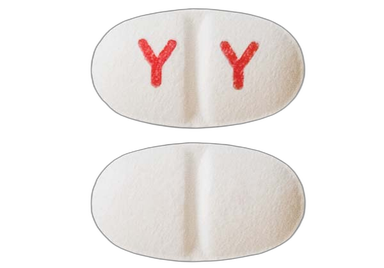
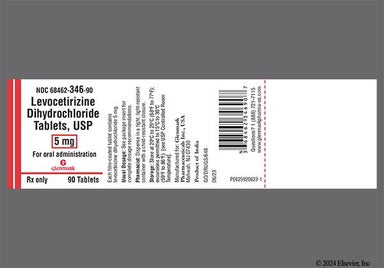
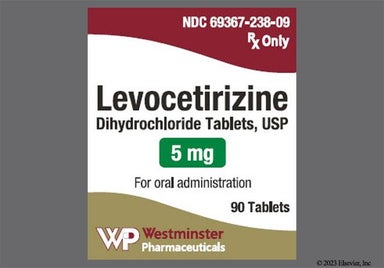
Levocetirizine (Xyzal) is an antihistamine. It's used to relieve allergy symptoms and chronic hives in adults and children. Levocetirizine (Xyzal) is available both over the counter and by prescription. The medication comes as a tablet and a liquid. It's taken by mouth once a day at night, though your specific dosage depends on your age. Some side effects include drowsiness and cold-like symptoms.

Levocetirizine (Xyzal) is an antihistamine. It works by blocking histamine. Histamine is a natural chemical in your body that causes allergy symptoms like itchiness, itchy eyes, and runny nose. By blocking histamine, this medication helps relieve allergy symptoms.
| Common Brands | Xyzal Allergy 24HR |
|---|---|
| Drug Class | Antihistamine |
| Controlled Substance Classification | Not a controlled medication |
| Generic Status | Lower-cost generic available |
| Availability | Prescription or over-the-counter |

The following side effects may get better over time as your body gets used to the medication. Let your healthcare provider know immediately if you continue to experience these symptoms or if they worsen over time.
People 12 years and older:
Children under 12 years old:
People 12 years and older:
Children under 12 years old:
Contact your healthcare provider immediately if you experience any of the following.
Along with its needed effects, a medicine may cause some unwanted effects. Although not all of these side effects may occur, if they do occur they may need medical attention.
Check with your doctor immediately if any of the following side effects occur:
Incidence not known
attack, assault, or force
bloody, cloudy, or dark urine
blurred or loss of vision
burning feeling while urinating
burning, crawling, itching, numbness, prickling, "pins and needles", or tingling feelings
chills
clay-colored stools
confusion
decrease in the frequency of urination
decrease in urine volume
deep or fast breathing with dizziness
difficult or labored breathing
difficulty in passing urine (dribbling)
difficulty with swallowing or speaking
discouragement
disturbed color perception
dizziness, fainting, or lightheadedness when getting up suddenly from a lying or sitting position
double vision
fast, irregular, pounding, or racing heartbeat or pulse
feeling of constant movement of self or surroundings
feeling sad or empty
fixed position of the eye
general tiredness and weakness
halos around lights
headache
hives or welts, itching, skin rash
inability to move the eyes
increased blinking or spasms of the eyelid
irritability
joint or muscle pain
lack of appetite
large, hive-like swelling on the face, eyelids, lips, tongue, throat, hands, legs, feet, or genitals
light-colored stools
loss of balance control
loss of interest or pleasure
muscle trembling, twitching, jerking, or stiffness
nervousness
night blindness
numbness of the feet, hands, and around the mouth
overbright appearance of lights
puffiness or swelling of the eyelids or around the eyes, face, lips, or tongue
redness of the skin
restlessness
rhythmic movement of the muscles
seeing, hearing, or feeling things that are not there
seizures
sensation of spinning
shaking
shuffling walk
sticking out of the tongue
stomach pain
swelling of the face, feet, or lower legs
thoughts of killing oneself
tightness in the chest
trouble concentrating
trouble with sleeping
tunnel vision
twisting movements of the body
uncontrolled movements, especially of the face, mouth, tongue, neck, and back
uncontrolled twisting movements of the neck, trunk, arms, or legs
unpleasant breath odor
unusual facial expressions
unusual tiredness or weakness
upper right stomach pain
vomiting with or without blood
yellow eyes and skin
Some side effects may occur that usually do not need medical attention. These side effects may go away during treatment as your body adjusts to the medicine. Also, your health care professional may be able to tell you about ways to prevent or reduce some of these side effects. Check with your health care professional if any of the following side effects continue or are bothersome or if you have any questions about them:
Less common
Body aches or pain
dryness of the throat
hoarseness
redness or swelling in the ear
tender, swollen glands in the neck
voice changes
Less common
Change in or loss of taste
difficulty in moving
increased appetite
joint pain or swelling
muscle pain, cramp, or stiffness
nightmares
Other side effects not listed may also occur in some patients. If you notice any other effects, check with your healthcare professional.
Call your doctor for medical advice about side effects. You may report side effects to the FDA at 1-800-FDA-1088.



For over-the-counter levocetirizine (Xyzal):
For levocetirizine (Xyzal) 2.5 mg/5 mL liquid solution:

Levocetirizine (Xyzal) can cause some serious health issues. This risk may be even higher for certain groups. If this worries you, talk to your doctor or pharmacist about other options.
Levocetirizine (Xyzal) can make you sleepy, tired, or weak. This can sometimes affect how well you can think, focus, or react quickly. You're more likely to have these side effects if you drink alcohol while taking levocetirizine (Xyzal). It can also happen if you take it with other medications that make you tired, like certain anxiety medications and sleep medications). Don't drive or use machinery until you know how levocetirizine (Xyzal) affects you.
Levocetirizine (Xyzal) can sometimes make it hard to urinate. Your risk might be higher if you have a condition that already makes it hard to urinate, like an enlarged prostate. Tell your prescriber right away if you have trouble urinating or can't urinate while taking levocetirizine (Xyzal). You might need to stop taking this medication.
Although it's not common, new itching can happen after stopping levocetirizine (Xyzal). This has been reported in people who took the medication regularly for several months or years. The itching can start within a few days after stopping levocetirizine (Xyzal). In some cases, it can be severe and be all over the body.
Tell your prescriber or pharmacist if you develop new itchiness after stopping levocetirizine (Xyzal). Your care team can help manage your symptoms. This might include restarting levocetirizine (Xyzal) and slowly lowering the dose.
Taking too much levocetirizine (Xyzal) can cause an antihistamine overdose. This can also happen if you use more than one product containing an antihistamine, including those used on the skin, at the same time. Signs can include drowsiness, a racing heart, trouble urinating, constipation, or poor balance. More serious side effects can include seizures, hallucinations, or even death.
Be sure to check medication labels before using other products with levocetirizine (Xyzal). Antihistamines can be found in many other over-the-counter and prescription medications. If you're not sure whether something has an antihistamine in it, ask a pharmacist.
Get medical help right away if you think someone has taken too much medication. You can also call a Poison Control Center at 1-800-222-1222.

The dose can vary depending on the levocetirizine (Xyzal) product you're using. Follow the directions on the package or your prescriber's instructions.
Over-the-counter tablets or prescription tablets
Over-the-counter liquid (2.5 mg/5 mL)
Prescription liquid (2.5 mg/5 mL)
If you have kidney problems: Talk to a healthcare professional before taking levocetirizine (Xyzal). You might need a lower dose or a different medication.

Although certain medicines should not be used together at all, in other cases two different medicines may be used together even if an interaction might occur. In these cases, your doctor may want to change the dose, or other precautions may be necessary. When you are taking this medicine, it is especially important that your healthcare professional know if you are taking any of the medicines listed below. The following interactions have been selected on the basis of their potential significance and are not necessarily all-inclusive.
Using this medicine with any of the following medicines is usually not recommended, but may be required in some cases. If both medicines are prescribed together, your doctor may change the dose or how often you use one or both of the medicines.


Contraindications are specific health conditions or situations in which a person should not take a medication due to safety concerns. If you have any of the following conditions or if any of the following apply to you, let your healthcare provider know because Levocetirizine (Xyzal) will not be safe for you to take.












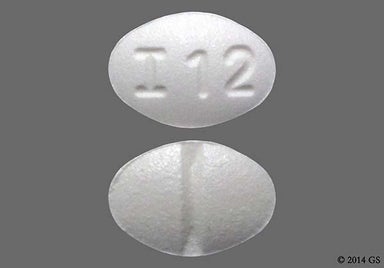

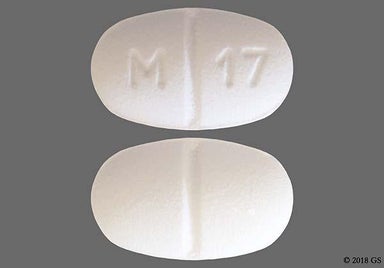



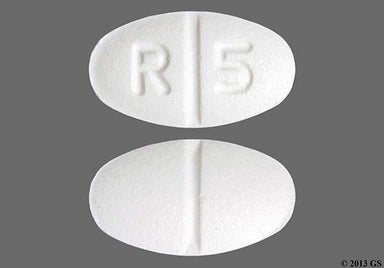
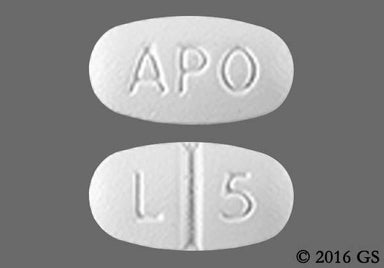
Prescription savings
Stop paying too much for your prescriptions. Compare prices, get pharmacy coupons, and save up to 80%.Resources
About GoodRx
 Find expert answers to your health questions so you can make the best decisions for yourself and your family.
Health conditions
Medications & treatment
Access & affordability
Well-being
Medication discounts

Yes, Levocetirizine is an antihistamine. It works by blocking histamine, a natural chemical your body releases when you're exposed to an allergen. This helps relieve symptoms like sneezing, runny nose, and itchy or watery eyes.
Levocetirizine can start helping with allergy symptoms within 1 hour.
Yes. Levocetirizine can make you feel drowsy or sleepy. It's more likely to cause drowsiness than some other newer antihistamines, such as loratadine (Claritin) or fexofenadine (Allegra). But it's less likely to make you sleepy than older antihistamines, such as diphenhydramine (Benadryl). Don't drive until you know how Levocetirizine affects you. If you feel too sleepy from the medication, talk to a healthcare professional or pharmacist.
Weight gain isn't a common side effect of Levocetirizine. In studies, less than 1% of people 12 years and older reported gaining weight while taking this medication. Talk to your primary care provider if you notice unexplained weight changes.
No. Levocetirizine isn't known to raise blood pressure. High blood pressure wasn't a side effect reported during clinical studies. If you have high blood pressure and aren't sure if Levocetirizine is right for you, talk to a healthcare professional.
No. Don't take Levocetirizine and diphenhydramine (Benadryl) together unless a healthcare professional tells you to. Both are antihistamines. Taking two antihistamines at the same time can raise your risk of side effects like sleepiness, dry mouth, and dizziness. If you want to switch, ask a healthcare professional or pharmacist how long to wait between them.
No. Levocetirizine (Xyzal) and cetirizine (Zyrtec) aren't the same medication, but they're very similar. Levocetirizine is the active form of cetirizine. Both are once-daily antihistamines used to relieve allergy symptoms, and they have similar side effects. They also both come as tablets and an oral liquid. But cetirizine is available in more forms, including chewable and dissolving tablets. Talk to a healthcare professional about which is right for you.
Yes, Levocetirizine is available over the counter (OTC). The tablets are sold as generic Levocetirizine and brand name Xyzal Allergy 24HR. The OTC liquid is also available as Children's Xyzal Allergy 24HR. OTC Levocetirizine is used to relieve allergy symptoms. Prescription Levocetirizine can treat both allergies and itching from chronic hives.
