Key takeaways:
Sober curious is a movement that involves becoming more aware of your drinking habits and developing a healthier relationship with alcohol.
The sober curious approach is ideal for people who tend to drink socially and don’t have a dependence on alcohol.
Drinking less alcohol can reduce your risk of certain health conditions and may improve your mental health.
Alcohol is one of the most frequently used substances. While some people can moderate their use, others have difficulty controlling it and may use it in harmful ways.
A 2021 survey found that nearly 30 million people in the U.S. aged 12 and older have had an alcohol use disorder within the past year. With rates so high, many people wonder if they can have a healthier relationship with alcohol without cutting it out completely.
If you’re concerned about your drinking, “sober curious” is one approach you can take. This approach involves taking a closer look at your relationship with alcohol and making changes. This may mean abstaining from alcohol, practicing moderation, or finding a balance somewhere in between. The goal of sober curiosity is to create a relationship with alcohol that works for you.
Search and compare options
What does “sober curious” mean?
Sober curiosity involves thinking about your decisions to drink instead of going along with social pressures. This often means:
Cutting back on alcohol
Attending social events without drinking
Going to sober bars
Avoiding alcohol for periods of time
The sober curious movement is different from complete sobriety or abstinence. People who opt for abstinence cut alcohol out of their lives completely. For many, this may be due to alcohol misuse. Sober curiosity, on the other hand, is a choice to stop drinking or cut back for personal reasons unrelated to alcohol dependence.
Over the past few years, the community of sober curious individuals has grown — especially among young adults. People may be interested in being sober curious as a way to improve their physical or mental health, relationships, or other aspects of their life.
What is the history of the sober curious movement?
For most of the 20th century, abstinence — or not drinking at all — was considered the only path to recovery from alcohol use disorder. In the 1930s, Bill W. and Dr. Bob founded Alcoholics Anonymous (AA), which advocates complete abstinence from alcohol and other substances. This philosophy dominated the recovery world for decades until other approaches gradually emerged.
Harm reduction is one example of a different approach. Developed in Europe during the 1970s and 1980s, it later found its way to the U.S. Harm reduction assumes that people will use substances regardless of laws. So, instead of focusing on abstinence, the goal of this approach is to reduce the harmful effects of drug and alcohol use.
Harm reduction groups have successfully launched needle exchanges for intravenous (IV) drug users. They’ve also handed out opioid overdose prevention kits and educated the public about the dangers of drinking and driving. Overall, this approach meets people where they are rather than assuming abstinence works for everyone.
In 2018, Ruby Warrington introduced the concept of sober curiosity in her book “Sober Curious.” This idea led to events, retreats, and a movement focused on tailoring sobriety to individual needs. While sober curiosity shares some similarities with harm reduction, it’s a separate approach.
What are the goals of the sober curious movement?
Sober curious is a lifestyle for people who may have concerns about their drinking but don’t have alcohol dependence. The goals of the sober curious movement include:
Questioning your alcohol use
Increasing awareness of your drinking habits
Thinking about your decision to drink on each occasion
Taking breaks from alcohol
Doing more sober activities
Spending time in social settings without drinking

Read more like this
Explore these related articles, suggested for readers like you.

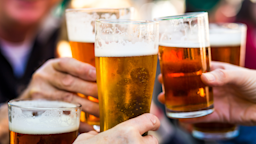

A sober curious approach might be right for you if you:
Tend to drink socially
Have thought about cutting back on alcohol
Don’t necessarily feel the need to quit completely
What are the benefits of a sober curious lifestyle?
The health benefits of being sober curious stem from reducing your alcohol intake. Drinking less can lower your risk for health issues linked to alcohol use.
These issues can include long-term health effects like:
Poor immune system functioning
Digestion problems
High blood pressure
Heart disease
Type 2 diabetes
Cancers of the breast, mouth, throat, liver, colon, and esophagus
Other benefits of adopting a sober curious lifestyle may include improved sleep and less insulin resistance.
Can a sober curious lifestyle have mental health benefits?
Research suggests that light drinking — such as with a sober curious lifestyle — may be linked to a lower risk of depression compared to excessive drinking. Lowering your alcohol intake may also lower your risk of developing other mental health disorders like anxiety.
If you choose to change your alcohol intake, you may also feel more confident and in control of your behaviors. This can help improve your overall sense of well-being. Your relationships and other areas of your life, like work or school, may also improve. Each person is unique and will experience their own benefits.
How can you incorporate sober curious practices into your lifestyle?
If being sober curious sounds like it may be right for you, here are some steps you can take right now.
Get curious about your drinking patterns
Take time to think about your relationship with alcohol. Maybe you drink socially as a way of dealing with anxiety or as a way to cope when you’re stressed. After noticing your patterns, consider the outcomes of your drinking.
You might realize that when you drink socially to cope with anxiety, you end up feeling worse after. While alcohol may temporarily mask discomfort, it doesn’t let you face challenges sober. It also doesn’t let you build confidence in your ability to handle difficult situations.
Or maybe you drink just to go along with social norms. For instance, you may not want to be the only one in your friend group not ordering a drink. But consider the flip side of skipping alcohol, which is that you’re likely keeping yourself healthier by not drinking.
Consider what sober curious means to you
Now that you’re aware of how you use alcohol, think about what a sober curious lifestyle means for you. You may want to attend parties, concerts, or other social events sober and see how it feels.
You can also think about abstaining from alcohol for a period of time. For example, participating in Dry January is a popular way to take a temporary break from alcohol.
Build a support network
Make an effort to meet and spend time with other sober curious people. You may already have friends or loved ones who enjoy spending time without alcohol. If not, consider attending a sober curious event.
Many major cities now have sober bars, coffee shops, and other alcohol-free venues.
Participate in sober activities and hobbies
Whether you choose complete sobriety or not, sober-related activities can be positive for your mental health. Think about what you already enjoy doing without alcohol. Then, consider other things you can try, like:
Joining a sports team
Taking a dance or art class
Attending a mindfulness retreat
Where can I find more resources on living a sober curious life?
For more information about living a sober curious life, see the following:
“Sober Curious” by Ruby Warrington — the book that started the sober curious movement
“Sober Curious,” a podcast by Ruby Warrington
If you’re interested in quitting drinking, then an abstinence-based support group like Alcoholics Anonymous or SMART Recovery may be right for you.
If you’re looking to gain more control over your drinking without necessarily abstaining completely, consider these self-help organizations:
Moderation Management, a group for anyone who would like to learn how to drink in moderation
She Recovers, a foundation for women and non-binary individuals looking to define their own recovery
Club Soda, a UK-based community of people who would like to drink mindfully and change their relationship with alcohol
If you or someone you know struggles with substance use, help is available. Call SAMHSA’s National Helpline at 1-800-662-HELP (4357) to learn about resources in your area.
Frequently asked questions
Sober curiosity focuses on cutting back or abstaining from alcohol. Mindful drinking is when you make clear, conscious choices about what, when, and how much you drink. You might ask yourself why you’re having a drink, how it makes you feel, and whether you want to feel that way. Part of mindful drinking is deciding in advance how much you’ll drink.
Possibly. Some of the benefits of quitting alcohol can affect your appearance. Drinking less alcohol can improve your sleep, which means you may look less tired. It can also make your skin look healthier. And it may help you manage your weight, because alcohol is a high-calorie, low-nutrient drink.
If you drink heavily and have developed a physical dependence on alcohol, you may experience alcohol withdrawal when you stop drinking. Symptoms can range from mild to serious and potentially dangerous. Withdrawal symptoms include:
Shaking
Sweating
Fast heartbeat
Headache
Nausea
Loss of appetite
Depression
Anxiety
Insomnia
Sober curiosity focuses on cutting back or abstaining from alcohol. Mindful drinking is when you make clear, conscious choices about what, when, and how much you drink. You might ask yourself why you’re having a drink, how it makes you feel, and whether you want to feel that way. Part of mindful drinking is deciding in advance how much you’ll drink.
Possibly. Some of the benefits of quitting alcohol can affect your appearance. Drinking less alcohol can improve your sleep, which means you may look less tired. It can also make your skin look healthier. And it may help you manage your weight, because alcohol is a high-calorie, low-nutrient drink.
If you drink heavily and have developed a physical dependence on alcohol, you may experience alcohol withdrawal when you stop drinking. Symptoms can range from mild to serious and potentially dangerous. Withdrawal symptoms include:
Shaking
Sweating
Fast heartbeat
Headache
Nausea
Loss of appetite
Depression
Anxiety
Insomnia
The bottom line
The sober curious movement is a new way to explore and change your relationship with alcohol. The goals of a sober curious lifestyle include becoming more aware of your drinking patterns and tracking how much you’re drinking. A sober curious lifestyle may also mean going periods of time without alcohol and having positive experiences in life without it. Taking a sober curious approach and reducing your alcohol use can have positive effects on your physical and mental health.

Why trust our experts?




References
Alcoholics Anonymous. (n.d.). History of A.A.
American Heart Association. (2024). Is drinking alcohol part of a healthy lifestyle?
Ballard, J. (2016). What is dry January? British Journal of General Practice.
Better Health. (n.d.). Drink less. National Health Services.
DrinkAware. (n.d.). Alcohol withdrawal.
Gémes, K., et al. (2019). Moderate alcohol consumption and depression - a longitudinal population-based study in Sweden. Acta Psychiatrica Scandinavica.
Mehta, G., et al. (2022). Short-term abstinence from alcohol and changes in cardiovascular risk factors, liver function tests and cancer-related growth factors: A prospective observational study. British Medical Journal Open.
Movendi International. (2021). “Swimming against the social tide”? – lockdowns and the sober curious movement.
NC Solutions. (2024). Sober curious movement: 41% of Americans are trying to drink less alcohol.
Substance Abuse and Mental Health Services Administration. (2022). Key substance use and mental health indicators in the United States: Results from the 2021 National Survey on Drug Use and Health.
Substance Abuse and Mental Health Services Administration. (2023). Mental health and substance use co-occurring disorders.
Tatarsky, A., et al. (2010). State of the art in harm reduction psychotherapy: An emerging treatment for substance misuse. Journal of Clinical Psychology.
Willis, A. C. (2024). Mindful drinking as the ultimate wellness hack. Global Wellness Institute.