Key takeaways:
Regular exercise has numerous physical benefits, from better heart health to stronger muscles.
Exercise can also boost your mood and mental health.
Experts recommend 30 minutes of moderate-intensity aerobics 5 days a week and muscle-strengthening activities 2 days a week.
You probably already know that exercise is good for you. But sometimes you need a little more incentive to get up and get moving. And you may be surprised to learn that exercise can do more than tone your muscles or help you meet fitness goals. From improved mood to better sleep, regular workouts can improve your health and quality of life in various ways.
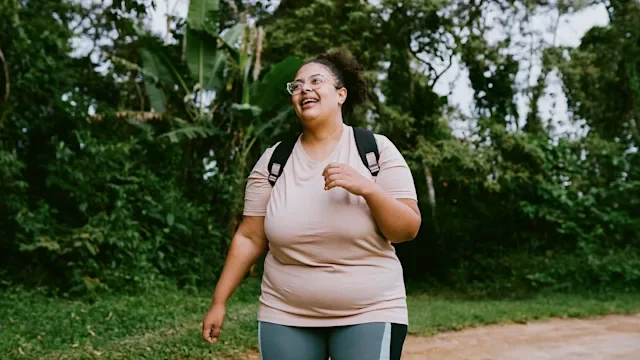
You don't have to stick to one type of workout. Exercise is any planned, structured, and repetitive physical activity that improves your fitness. Whether it's yoga, running, or another activity, the important thing is that it gets your heart pumping. Keep reading to learn 10 reasons why you should make exercise part of your routine.
What are the benefits of exercise?
Whether you prefer to exercise at home or at the gym (or both), staying active is good for your body and mind. Here are 10 scientifically proven benefits of exercise.
Search and compare options
1. Reduces the risk of chronic diseases
Exercise can help you live a longer, healthier life. In fact, regular exercise may reduce your risk of more than 40 chronic diseases, including:
Heart disease: It's no secret that exercise is good for your heart. Research suggests that exercise reduces the risk of cardiovascular disease and may even reverse damage from inactivity.
Cancer: Regular exercise lowers the risk of several cancers, including breast, colon, and kidney.
Type 2 diabetes: Aerobics and strength training –– like these 10 exercises –– may prevent or delay Type 2 diabetes.
Stroke: Moderate and high-intensity exercise may reduce the risk of a stroke by 25%.
2. Strengthens muscles and bones
Adults start to lose muscle mass in their 30s. Some researchers estimate that by age 50, people can lose up to 10% of muscle mass. But regular exercise can help stave off age-related muscle loss. One study found that a fitness routine that includes strength training can help older adults increase muscle mass, strength, and function.
And it's not just your muscles. Working out has a similar effect on your bones. It can increase bone density and strength. This advantage is especially important as you get older. Bones weaken with age, putting older adults at risk of falls and fractures. Strength training and weight-bearing activities (like jogging or playing tennis) are the best exercises to strengthen your bones.
3. Improves balance
A complete fitness routine –– including aerobics, resistance training, and balance and coordination exercises –– may improve your balance and stability. Examples of balance and coordination exercises include:
Single-leg stance with eyes open and closed
Tandem stance
Heel walking
Edge walking

Read more like this
Explore these related articles, suggested for readers like you.



These moves work by strengthening your core and your legs. Other types of exercise, such as yoga, tai chi, and Pilates, may also enhance your balance. Having better balance reduces your risk of falls, a leading cause of injury for adults over 65. It can also help older adults live independently and age in place.
4. Helps with weight management
Exercise supports keeping a healthy weight by burning calories and increasing your muscle mass, which improves your metabolic health. Your metabolic health refers to how your body processes the blood sugar and fat you consume for energy.
According to the CDC, combining exercise with a healthy diet is most effective for healthy weight loss. And studies have found that combining aerobic exercise with strength training is most effective.
5. Boosts your brain health
Working up a sweat may be just as good for your brain as it is for your body. Studies show that regular exercise delays brain aging and protects against degenerative diseases like Alzheimer's. And it may keep your memory sharp as you get older. A meta-analysis of more than 3,000 patients found that weekly aerobic exercise helps preserve memories, especially in people between age 55 and 68.
The way exercise affects your brain is a bit more complicated. But research suggests that working out may increase circulation to the brain. This includes the hippocampus, which plays a critical role in learning and memory. It also releases hormones that protect your brain, allowing it to generate new cells and make new connections (a process called neuroplasticity).
6. Relieves symptoms of depression and anxiety
Working out is good for your mood too. When you exercise, your brain releases neurotransmitters –– such as endorphins, endocannabinoids, and serotonin –– that can enhance your mood. These “feel good” chemicals may explain why you feel a mood boost or runner's high after a workout.
And research shows that exercise can relieve symptoms of depression and anxiety. In one study, researchers examined the effects of a weekly 30-minute workout in women with major depressive disorder. They found that exercise, regardless of intensity, lowered symptoms of depression.
7. Increases energy
Need an energy boost? Regular exercise strengthens your heart and lungs. When your lungs get stronger, they can take in more oxygen and transport it to your bloodstream. A stronger heart means it can take that oxygen and pump it throughout your body.
These cardiorespiratory improvements allow your body to function better and use energy more efficiently. That's why your workouts might get easier over time. A study found that regular exercise resulted in lower levels of fatigue. Exercise also helps increase energy for people with various medical conditions, including cancer and COPD.
8. Eases chronic pain
Chronic pain refers to any pain that lasts longer than 12 weeks, or longer than “normal healing.” Various conditions and injuries –– such as fibromyalgia, arthritis, and muscle strain –– can cause chronic pain. And roughly 20% of adults live with pain that can limit their work or other life activities.
Fortunately, exercise may help. A Cochrane review of 21 studies found that regular exercise reduced chronic pain and improved physical function in adults. The researchers highlighted a need for more research, as many studies have low participant numbers.
But ongoing research suggests that exercise can be an effective treatment for different types of chronic pain, including low back pain. Not to mention, regular exercise may prevent chronic pain in the first place.
9. Promotes restful sleep
If you have trouble falling or staying asleep, exercise may help with that too. Researchers examined the effects of exercise in people with chronic insomnia. They found that resistance exercises and stretching helped people fall asleep quicker and stay asleep longer.
Aerobics has been shown to improve sleep quality as well. It's not clearly understood how exercise helps you sleep better. But experts know that moderate aerobic exercise increases slow-wave or deep sleep. The improvement may also have something to do with the stress-relieving effects of exercise. Research suggests that exercising 1.5 hours before bed yields the best results.
10. Improves sexual health
Regular exercise increases muscle tone, improves flexibility, and improves mood. All of those advantages may result in a better sex life.
One study showed that pelvic floor exercises can improve sexual function in post-menopausal people. Mind-body disciplines like yoga also reduced the effects of menopausal symptoms on participants’ sex lives. But aerobics showed inconsistent results. There is a need for additional research on how exercise correlates with sexual function in menopausal people.
Exercise can also benefit people with erectile dysfunction (ED) caused by obesity, hypertension, or cardiovascular diseases. Regular exercise –– 40 minutes of aerobics four times per week –– improved ED symptoms.
How often should you exercise?
To reap the benefits of regular exercise, the U.S. Department of Health and Human Services recommends the following weekly practices:
Aerobics: 150 minutes of moderate-intensity aerobic activity or 75 minutes of vigorous aerobic intensity
Muscle-strengthening: two days of muscle-strengthening activity
Moderate-intensity aerobics –– like brisk walking or swimming –– make your heart beat faster, but you can still talk without losing your breath. With vigorous-intensity aerobics –– like running or jumping rope –– your heart beats even faster, and you'll lose your breath. Your target heart rate can also help you gauge your exercise intensity.
You can also add weekly aerobics to your routine based on what's most convenient for you. Some people might do 30 minutes of moderate-intensity aerobics five days a week. Others might do several 10-minute aerobic workouts throughout the day five days a week.
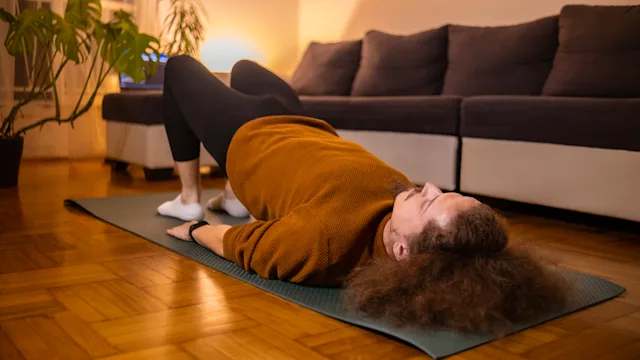
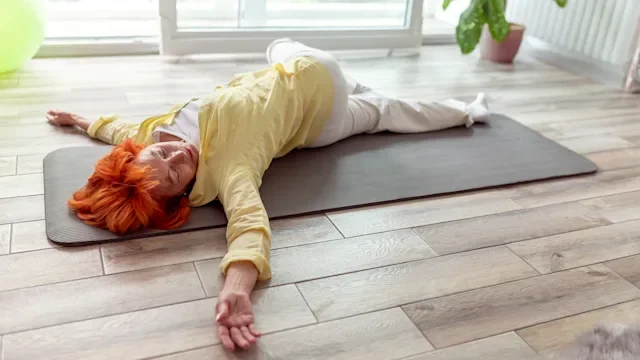
Various activities will help you meet the weekly muscle-strengthening requirement. For example, strength-training exercises, like lifting weights or using resistance bands, can keep your muscles strong. Or you can try yoga and other practices that include bodyweight exercises.
The bottom line
Whether you like to run, swim, or do a high-energy boot camp, adding exercise to your routine is one of the best things you can do for your health. Regular exercise not only helps you live longer, but it also improves the quality of your life. It reduces the risk of chronic illnesses while strengthening your muscles, bones, heart, and lungs. And if that's not reason enough, working out can boost your mood and keep your brain healthy.

Why trust our experts?




References
Aghjayan, S. L., et al. (2022). Aerobic exercise improves episodic memory in late adulthood: A systematic review and meta-analysis. Communications Medicine.
Ambrose, K. R., et al. (2016). Physical exercise as non-pharmacological treatment of chronic pain: Why and when. Best Practice and Research, Clinical Rheumatology.
American Heart Association. (2021). Target heart rates chart.
Babaei, P., et al. (2022). Exercise training improves memory performance in older adults: A narrative review of evidence and possible mechanisms. Frontiers in Human Neuroscience.
Basso, J. C., et al. (2017). The effects of acute exercise on mood, cognition, neurophysiology, and neurochemical pathways: A review. Brain Plasticity.
Bonardi, J. M. T., et al. (2016). Effect of different types of exercise on sleep quality of elderly subjects. Sleep Medicine.
Brand, S., et al. (2014). High self-perceived exercise exertion before bedtime is associated with greater objectively assessed sleep efficiency. Sleep Medicine.
Carcelén-Fraile, M. C., et al. (2020). Effects of physical exercise on sexual function and quality of sexual life related to menopausal symptoms in peri- and postmenopausal women: A systematic review. International Journal of Environmental Research and Public Health.
Centers for Disease Control and Prevention. (2020). Chronic pain and high-impact chronic pain among U.S. adults, 2019.
Centers for Disease Control and Prevention. (2020). Keep on your feet– preventing older adult falls.
Centers for Disease Control and Prevention. (2022). Physical activity for a healthy weight.
Colberg, S. R., et al. (2016). Physical activity/exercise and diabetes: A position statement of the American Diabetes Association. Diabetes Care.
Dasso, N. A. (2019). How is exercise different from physical activity? A concept analysis. Nursing Forum.
D’Aurea, C. V., et al. (2019). Effects of resistance exercise training and stretching on chronic insomnia. Revista Brasileira De Psiquiatria.
Di Liegro, C. M., et al. (2019). Physical activity and brain health. Genes.
Distefano, G., et al. (2018). Effects of exercise and aging on skeletal muscle. Cold Spring Harbor Perspectives in Medicine.
Dreisinger, T. E. (2014). Exercise in the management of chronic back pain. The Ochsner Journal.
Dunsky, A. (2019). The effect of balance and coordination exercises on quality of life in older adults: A mini-review. Frontiers in Aging Neuroscience.
Ellingson, L. D., et al. (2014). Active and sedentary behaviors influence feelings of energy and fatigue in women. Medicine and Science in Sports and Exercise.
Geneen, L. J., et al. (2017). Physical activity and exercise for chronic pain in adults: An overview of Cochrane Reviews. The Cochrane Database of Systematic Reviews.
Gerbild, H., et al. (2018). Physical activity to improve erectile function: A systematic review of intervention studies. Sexual Medicine.
Heijnen, S., et al. (2016). Neuromodulation of aerobic exercise—a review. Frontiers in Psychology.
Howard, V. J., et al. (2015). Physical activity in primary stroke prevention. Stroke.
Howden, E. J., et al. (2018). Reversing the cardiac effects of sedentary aging in middle age—a randomized controlled trial. Circulation.
Hunter, G. R., et al. (2008). Resistance training conserves fat-free mass and resting energy expenditure following weight loss. Obesity.
Jiannine, L. M. (2018). An investigation of the relationship between physical fitness, self-concept, and sexual functioning. Journal of Education and Health Promotion.
Johns Hopkins Medicine. (n.d.) Exercising for better sleep.
Law, L. F., et al. (2017). How does physical activity modulate pain?. Pain.
Luan, X., et al. (2019). Exercise as a prescription for patients with various diseases. Journal of Sport and Health Science.
Meyer, J. D., et al. (2016). Influence of exercise intensity for improving depressed mood in depression: A dose-response study. Behavior Therapy.
Mok, A., et al. (2019). Physical activity trajectories and mortality: Population based cohort study. The British Medical Journal.
National Center for Complementary and Integrative Health. (2018). Chronic pain: In depth.
Nystoriak, M. A., et al. (2018). Cardiovascular effects and benefits of exercise. Frontiers in Cardiovascular Medicine.
OrthoInfo. (2020). Exercises and bone health. American Academy of Orthopaedic Surgeons.
Osteoporosis and Related Bone Diseases National Resource Center. (2018). Exercise for your bone health.
Phu, S., et al. (2015). Exercise and sarcopenia. Journal of Clinical Densitometry.
Pinckard, K., et al. (2019). Effects of exercise to improve cardiovascular health. Frontiers in Cardiovascular Medicine.
Rock, C. L., et al. (2020). American Cancer Society guideline for diet and physical activity for cancer prevention. CA: A Cancer Journal for Clinicians.
Ruegsegger, G. N., et al. (2018). Health benefits of exercise. Cold Spring Harbor Perspectives in Medicine.
Thomas, M. H., et al. (2016). Increasing lean mass and strength: A comparison of high frequency strength training to lower frequency strength training. International Journal of Exercise Science.
U.S. Department of Health and Human Services. (2018). Physical activity guidelines for Americans, 2nd edition.
Villareal, D. T., et al. (2017). Aerobic or resistance exercise, or both, in dieting obese older adults. The New England Journal of Medicine.