Key takeaways:
Tai chi is an ancient Chinese practice that involves gentle movements, breathing, and meditation.
From better balance to improved mood, tai chi offers numerous physical and mental health benefits.
You can try the easily adaptable practice at any age or fitness level.
If you're looking for a low-impact exercise routine, tai chi is a great place to start. The mind-body practice involves slow-moving postures, controlled breathing, and meditation. It's versatile and easy on the joints, making it a suitable option for people of all ages and physical conditions. And it offers a host of benefits for physical and mental health.
What is tai chi?
Tai chi — short for tai chi chuan — is a mind-body practice that originated in China as a martial art. For centuries, people have enjoyed the physical, mental, and spiritual benefits of tai chi. And the practice has become increasingly popular in the U.S.
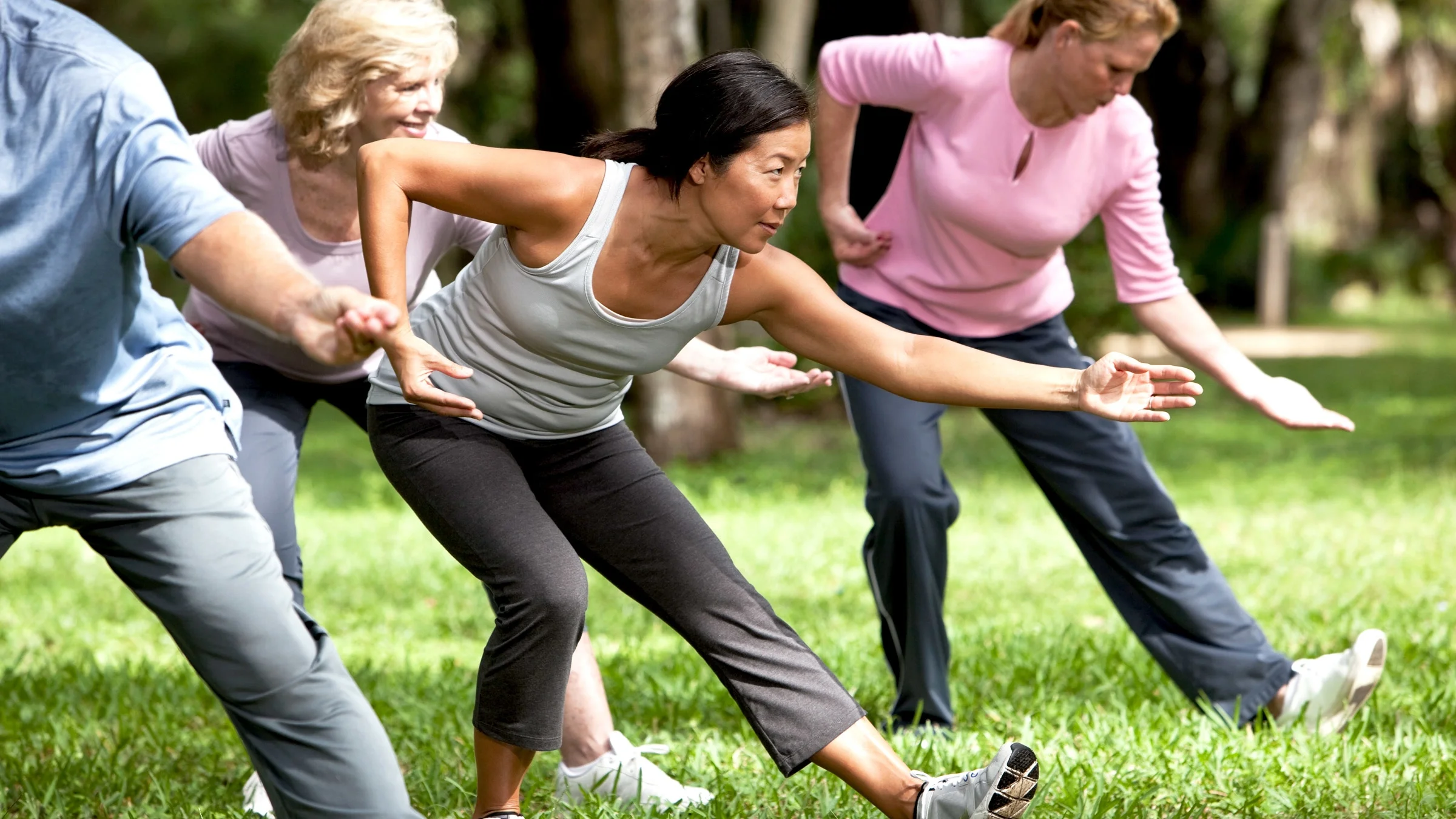
Today, it is common to see people practicing the slow, gentle movements of tai chi as a low-impact exercise. The ancient practice combines continuous movements with breathwork and meditation. As you move through a series of postures, you take deep breaths and focus on your body, thoughts, and feelings.
Search and compare options
Typically, you stand in a relaxed squatting position while practicing tai chi. You can adjust the intensity of the exercise by changing the height of the squat. Or you can perform tai chi in a seated position, which is an adjustment that makes it accessible for people with limited mobility.
What are the different styles of tai chi?
There are five main styles of tai chi: Chen, Yang, Wu, Sun, and Hao. Each is named after the family who developed the style. All of these forms emphasize a mind-body connection, but they differ in intensity and movements.
If you're looking into tai chi for health and wellness, learning which style best suits you is worthwhile. Here are some general descriptions of the five main styles:
Chen: Chen, which dates back to the 1600s, is the oldest style of tai chi. It mixes slow, gentle movements with faster movements like jumping and striking. Studies show that Chen tai chi can improve balance and fitness in older adults.
Yang: Yang tai chi is slow and steady, combining wide postures with broad, sweeping motions. It's the most popular style of tai chi worldwide. And it may be the style that comes to mind when you think of tai chi. This approachable practice is a great form of tai chi for older adults.
Wu: Wu Quanyou, who studied under the Yang family, developed this popular tai chi style. Like Yang tai chi, Wu is slow and gentle. But it is distinguished by its smaller stance and forward-leaning postures.
Sun: This relatively newer style of tai chi was developed by Taoist and Confucian scholar Sun Lutang. Sun tai chi includes more footwork than the other styles, which gives it added potential benefits for knee and ankle strength.
Hao: Hao style — sometimes also called Wu style — emphasizes qi, an internal life force referred to often in Chinese medicine. Movements in Hao tai chi look similar to those in other forms. But the technique focuses on using qi and may be best for advanced tai chi practitioners.
What are the benefits of tai chi?
Ongoing research has demonstrated that there are many health benefits of tai chi. Here are 9 science-backed reasons to consider practicing tai chi for health and fitness.
1. Enhances balance and mobility
One in four older adults in the U.S. fall every year, making falls the leading cause of injury in this age group. According to research, practicing tai chi may enhance balance and flexibility and reduce the risk of falls among older adults. And studies show that the practice helps people with Parkinson's disease counteract impaired balance and mobility.
These benefits may be related to tai chi’s ability to sharpen proprioception. Proprioception is your ability to sense your body's position and movement. And it's critical for balance and functional mobility.

Read more like this
Explore these related articles, suggested for readers like you.
2. Builds lower-body strength
You might not think that low-impact exercise can increase muscle strength. But a growing body of research suggests that tai chi builds lower-body strength. For example, one small study looked at the effects of a tai chi program in adults over 60. The findings showed that participants who practiced tai chi had stronger knee flexors after 16 weeks.
3. Boosts confidence in your physical abilities
Many people over 65 develop a fear of falling. Muscle loss, vision problems, or other age-related changes may be to blame for this fear. And it can stop people from being physically active.
Fortunately, tai chi can improve a person’s self-efficacy, or confidence in their abilities. The potential improvements in balance, strength, and mobility may explain this type of confidence boost. One study found that older adults had both better balance and less fear of falling after practicing tai chi for 8 weeks, for example.
4. Promotes cardiovascular health and fitness
There are several measures of cardiovascular health, such as blood pressure and blood sugar levels. And tai chi is a heart-healthy exercise that may help improve these measures.
For example, studies show tai chi may improve cardiorespiratory fitness in healthy adults. Cardiorespiratory fitness is the heart and lungs' ability to deliver oxygen to muscles during exercise. And it's essential for endurance and overall health.
Tai chi may also help:
Lower your blood pressure: Roughly half of adults in the U.S. have high blood pressure (hypertension). For this large number of Americans, tai chi may be a promising alternative treatment. A review found that tai chi lowers blood pressure and improves quality of life in people with hypertension.
Manage your blood sugar: High blood sugar can negatively affect your energy, mood, and long-term health. Tai chi may be an effective way to manage blood sugar levels. In one study, long-term tai chi practice reduced blood glucose and hemoglobin A1C levels in people with Type 2 diabetes.
Prevent or manage heart disease: Heart disease is the number one cause of death in the U.S. But research suggests that tai chi may help adults who have obesity lower their chances of developing heart disease.
5. Relieves chronic pain
According to the CDC, roughly 20% of adults in the U.S. live with chronic pain. As a result, many people pursue complementary methods that help ease pain.
Small studies suggest that tai chi helps people with chronic pain conditions like osteoarthritis. For example, one review found that tai chi was beneficial for people with knee osteoarthritis. In the reviewed studies, tai chi helped reduce pain and stiffness and improved balance and functional mobility. The gentle practice also lowered study participants’ stress and anxiety.
And another review found that practicing tai chi eased pain and improved sleep in people with fibromyalgia.
There's a need for more evidence about the effects of tai chi on chronic pain. But ongoing research indicates that it may be a promising treatment for other conditions, including low back pain.
6. Improves mood and mental health
Tai chi is great for mindfulness and mental health. Research indicates that regular practice can improve self-esteem and potentially alleviate symptoms of depression and anxiety.
These improvements may be due to the way tai chi combines movement and mindfulness, which can relieve stress.
7. Sharpens cognitive skills
Regular tai chi practice has been linked to improvements in cognitive function. In one review, researchers analyzed nine studies to examine how tai chi affects people with early-stage dementia. According to their findings, tai chi can enhance memory and visuospatial skills and may improve hand-eye coordination in this group.
8. Encourages restful sleep
Your sleep quality and quantity affect your overall health. So it’s important to do what you can to prioritize restful sleep. Research shows that adults who practice tai chi may have significantly better sleep quality. In studies, this was true for both healthy adults and those with chronic health conditions.
9. Supports weight loss
Weight loss may be another benefit of tai chi. In one study, middle-aged adults who did tai chi for 12 weeks saw moderate improvements in weight loss and waist size. In another study, tai chi reduced waist size as effectively as conventional strength training and aerobics.
Are there risks to doing tai chi regularly?
When you think of tai chi, you might picture older people practicing graceful movements outside. And the benefits of tai chi for older adults are undeniable. But the low-impact exercise is generally safe and beneficial for people of all ages and physical abilities.
A meta-analysis found that doing tai chi doesn’t result in more adverse events than other physical activities. (An adverse event refers to a negative health outcome that occurs during treatment.) And, according to the analysis, people with heart failure who practiced tai chi had fewer adverse effects than inactive control groups.
Tai chi is versatile and easily adaptable. And it has a range of benefits for people of all different health statuses. For example, one study that looked at the benefits of practicing tai chi in a wheelchair found that it lowered blood pressure and increased range of motion.
And ongoing research efforts have demonstrated the positive effects of tai chi on various health conditions. For example, it may be an effective rehabilitation method for people with chronic obstructive pulmonary disease (COPD). But, as with any new exercise, you should talk to your healthcare provider before getting started.
Is tai chi better than yoga?
Tai chi and yoga are both low-intensity exercises that incorporate breathing techniques and mindfulness. And they offer many of the same benefits, like stress reduction and improved balance. But is one better than the other? The short answer is no.
Tai chi involves a series of continuous, free-flowing movements, while yoga requires holding various poses. So the choice between tai chi or yoga depends on your health and fitness goals. And you can always add both practices to your routine.
How can a beginner start practicing tai chi?
Trying a new mind-body practice can be intimidating. But it may only take 1 hour of tai chi per week to gain benefits like better balance and fewer falls. And there are many resources dedicated to tai chi for beginners.
Here are some tips to help you feel confident and comfortable while learning tai chi:
Look for a beginner-friendly class. There are lots of online resources that can help you learn how to practice tai chi. But an in-person class can boost your confidence while you’re trying to master the techniques. Check your local community centers, gyms, and yoga studios for tai chi classes for beginners.
Grab the right gear. You want to feel comfortable while practicing tai chi. Opt for secure, loose-fitting clothing and supportive flat shoes that allow you to move freely.
Check your form. As with yoga, tai chi requires a strong, stable posture. Check in with your body throughout your practice, and try not to slouch as you switch from one movement to the next.
Pay attention to your balance. Tai chi can help improve your balance, but it also requires an awareness of balance to practice it safely. Bend your knees to keep your center of gravity low for better stability.
Relax. Do your best to relax as you move through your flow, focusing on the connection between your body and mind. Practice mindfulness as you move and work to release any tension in your body.
Give yourself time to learn. Learning the movements of tai chi will take time. Be patient and kind to yourself as you get the hang of things. And don’t give up if your first class doesn't go as planned.
The bottom line
There are many benefits to practicing tai chi, including more muscle strength and less mental stress. Research suggests that the mind-body practice is especially beneficial for older adults. But the gentle, low-impact movements make it generally safe and adaptable for people of all ages and physical abilities.

Why trust our experts?




References
American Psychological Association. (2021). Older adults: Health and age-related changes.
Centers for Disease Control and Prevention. (2022). Manage blood sugar.
Centers for Disease Control and Prevention. (2023). Facts about hypertension.
Centers for Disease Control and Prevention. (2023). Keep on your feet — Preventing older adult falls.
Chao, M., et al. (2018). The effects of tai chi on type 2 diabetes mellitus: A meta-analysis. Journal of Diabetes Research.
Cheng, C., et al. (2019). Effectiveness of Tai Chi on fibromyalgia patients: A meta-analysis of randomized controlled trials. Complementary Therapies in Medicine.
Choi, J. H., et al. (2005). Effects of Sun-style Tai Chi exercise on physical fitness and fall prevention in fall-prone older adults. Journal of Advanced Nursing.
Cui, H., et al. (2019). The safety of tai chi: A meta-analysis of adverse events in randomized controlled trials. Contemporary Clinical Trials.
Easwaran, K., et al. (2021). Effectiveness of tai chi for health promotion for adults with health conditions: A scoping review of meta-analyses. Disability and Rehabilitation.
Flowers, J. (2006). What is Qi? Evidence-Based Complementary and Alternative Medicine: eCAM.
Hakim, R. M., et al. (2010). A cross-sectional study of balance-related measures with older adults who participated in Tai Chi, yoga, or no exercise. Physical & Occupational Therapy in Geriatrics.
Hosseini, L., et al. (2018). Tai Chi Chuan can improve balance and reduce fear of falling in community dwelling older adults: A randomized control trial. Journal of Exercise Rehabilitation.
Hsu, C., et al. (2016). Seated Tai Chi versus usual activities in older people using wheelchairs: A randomized controlled trial. Complementary Therapies in Medicine.
Hu, L., et al. (2020). Tai Chi exercise can ameliorate physical and mental health of patients with knee osteoarthritis: Systematic review and meta-analysis. Clinical Rehabilitation.
Huang, Y., et al. (2015). Improvement of balance control ability and flexibility in the elderly Tai Chi Chuan (TCC) practitioners: A systematic review and meta-analysis. Archives of Gerontology and Geriatrics.
Hui, S. S., et al. (2015). Effects of tai chi and walking exercises on weight loss, metabolic syndrome parameters, and bone mineral density: A cluster randomized controlled trial. Evidence-Based Complementary and Alternative Medicine.
Jun, Y. (n.d.). Yang family history. Yang Family Tai Chi.
Kong, L. J., et al. (2016). Tai Chi for chronic pain conditions: A systematic review and meta-analysis of randomized controlled trials. Scientific Reports.
Lam, P. (2007). History of tai chi. Tai Chi for Health Institute.
Lan, C., et al. (2013). Tai Chi exercise in medicine and health promotion. Evidence-Based Complementary and Alternative Medicine: eCAM.
Lavretsky, H., et al. (2011). Complementary use of Tai Chi Chih augments escitalopram treatment of geriatric depression: A randomized controlled trial. The American Journal of Geriatric Psychiatry.
Li, F., et al. (2012). Tai chi and postural stability in patients with Parkinson's disease. The New England Journal of Medicine.
Li, J. X., et al. (2009). Changes in muscle strength, endurance, and reaction of the lower extremities with tai chi intervention. Journal of Biomechanics.
Liang, H., et al. (2020). Effects of tai chi exercise on cardiovascular disease risk factors and quality of life in adults with essential hypertension: A meta-analysis. Heart & Lung.
Lim, K. H., et al. (2019). The effectiveness of tai chi for short-term cognitive function improvement in the early stages of dementia in the elderly: A systematic literature review. Clinical Interventions in Aging.
National Center for Health Statistics. (2020). Chronic pain and high-impact chronic pain among U.S. adults, 2019. Centers for Disease Control and Prevention.
National Institute on Aging. (2022). Falls and fractures in older adults: Causes and prevention.
Qin, J., et al. (2019). Effect of Tai Chi alone or as additional therapy on low back pain. Medicine.
Raman, G., et al. (2013). Tai chi improves sleep quality in healthy adults and patients with chronic conditions: A systematic review and meta-analysis. Journal of Sleep Disorders & Therapy.
Siu, P. M., et al. (2021). Effects of tai chi or conventional exercise on central obesity in middle-aged and older adults: A three-group randomized controlled trial. Annals of Internal Medicine.
Skelly, C. L., et al. (2023). Adverse events. StatPearls.
Song, Q., et al. (2014). Effect of Tai Chi exercise on the physical and mental health of the elder patients suffered from anxiety disorder. International Journal of Physiology, Pathophysiology and Pharmacology.
Sun, L., et al. (2019). Tai Chi can prevent cardiovascular disease and improve cardiopulmonary function of adults with obesity aged 50 years and older. Medicine.
Tai Chi for Health Institute. (n.d.). Tai chi for beginners.
Tong, Y., et al. (2018). Effects of Tai Chi on self-efficacy: A systematic review. Evidence-Based Complementary and Alternative Medicine: eCAM.
Voukelatos, A., et al. (2007). A randomized, controlled trial of tai chi for the prevention of falls: The Central Sydney tai chi trial. Journal of the American Geriatrics Society.
Wang, C., et al. (2010). Tai chi on psychological well-being: Systematic review and meta-analysis. BMC Complementary and Alternative Medicine.
Wang, Y. T., et al. (2016). Effects of wheelchair Tai Chi on physical and mental health among elderly with disability. Research in Sports Medicine.
Wu, W., et al. (2014). Effects of Tai Chi on exercise capacity and health-related quality of life in patients with chronic obstructive pulmonary disease: A systematic review and meta-analysis. International Journal of Chronic Obstructive Pulmonary Disease.
Yang, Y., et al. (2021). Meta-analysis of elderly lower body strength: Different effects of Tai Chi exercise on the knee joint-related muscle groups. Evidence-Based Complementary and Alternative Medicine: eCAM.
Zheng, G., et al. (2015). The effect of Tai Chi training on cardiorespiratory fitness in healthy adults: A systematic review and meta-analysis. PLoS One.
Zhong, D., et al. (2020). Tai Chi for improving balance and reducing falls: An overview of 14 systematic reviews. Annals of Physical and Rehabilitation Medicine.
Zou, L., et al. (2018). Effects of mind–body exercises (Tai Chi/Uoga) on heart rate variability parameters and perceived stress: A systematic review with meta-analysis of randomized controlled trials. Journal of Clinical Medicine.
Zou, L., et al. (2019). Effects of Tai cCi on lower limb proprioception in adults aged over 55: A systematic review and meta-analysis. Archives of Physical Medicine and Rehabilitation.
Zou, L., et al. (2019). Superior effects of modified Chen-style Tai Chi versus 24-style Tai Chi on cognitive function, fitness, and balance performance in adults over 55. Brain Sciences.