Key takeaways:
Fiber is a carbohydrate found in plants and an essential part of a nutritious diet. Most people in the U.S. don't get enough of it.
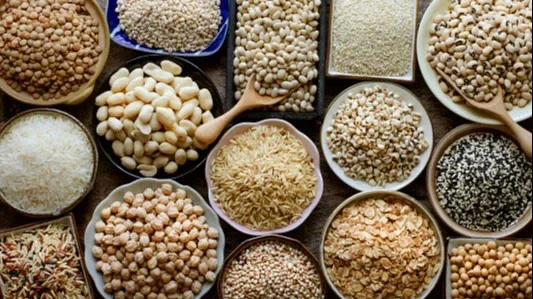
Fiber-rich foods include fruits, vegetables, whole grains, beans, nuts, and seeds.
Eating enough fiber can support gut and heart health and help manage cholesterol, blood sugar, and weight.
A high-fiber diet may also lower your risk of heart disease, Type 2 diabetes, and colon cancer.
Most people in the U.S. don’t eat enough daily fiber. Fortunately, getting more fiber doesn’t have to be expensive or complicated. Fiber-rich foods — like vegetables, whole grains, and beans — are easy to add to your diet. And eating more of them can help improve your health, manage your weight, and lower your risk of disease.
What is fiber?
Fiber is a type of carbohydrate that your body can’t fully break down or digest. Instead, it passes through the small intestine largely undigested. You get fiber by eating:
Fruits
Vegetables
Beans and lentils
Nuts and seeds
Fiber supplements
Even though your body doesn’t fully digest fiber, it still plays an important role in your overall health. Depending on the type, fiber can:
Absorb water
Add bulk to your stool
Feed the helpful bacteria in your gut
What are the different types of fiber?
There are two types of fiber: soluble and insoluble. Most fiber-rich foods have a mix of both, and both types help support smooth digestion. The type of fiber you eat doesn’t matter as much as the quantity.
Soluble fiber
Soluble fiber absorbs water and forms a gel in your gut. This slows digestion and can help lower cholesterol and control blood sugar. It also softens your stool, making it easier to pass. Foods with soluble fiber include:
Nuts and seeds
Oats and barley
Beams, lentils, and peas
Certain fruits (like raspberries and apples)
Certain vegetables (like Brussels sprouts and carrots)
Soluble fiber is also found in over-the-counter (OTC) psyllium supplements, like Metamucil.

Read more like this
Explore these related articles, suggested for readers like you.




Insoluble fiber
Insoluble fiber doesn’t absorb water. It bulks up your stool and helps food and waste move through your gut, which can help prevent constipation. Foods with insoluble fiber include:
Whole grains and wheat bran
Nuts and seeds
Vegetables (like leafy greens and cabbage)
Is fiber good for you?
Yes, fiber is good for both your digestive health and your overall health. It helps maintain good gut health and can help manage blood sugar, cholesterol, and weight.
Research suggests that eating enough fiber can:
Keep bowel movement regular and easy to pass
Lower your risk of colon cancer, Type 2 diabetes, and heart disease
Lower your risk of diverticulitis and hemorrhoids
Help control your blood sugar and cholesterol levels
Help you lose weight or maintain a healthy weight
Support and nourish a balanced gut microbiome
Help you live longer
What are the benefits of fiber?
Fiber plays an important role in many aspects of your health. Here’s a closer look at six of its most important benefits.
1. Fiber and gut health
Fiber helps keep your digestive system moving and supports a well-functioning gut. It also plays an important role in your gut microbiome (the beneficial community of microorganisms that live in your digestive tract).
Some of the organisms in your gut break down fiber and turn it into substances called short-chain fatty acids (SCFAs). SCFAs help support the cells that line your colon and may have other benefits for your gut and overall health.
Fiber can also help maintain the protective mucus layer that lines your gut.
2. Fiber and constipation
Fiber can help prevent and relieve constipation. Research shows that fiber supplements help people with chronic constipation have more frequent bowel movements and softer stools.
Different types of fiber work in different ways. Soluble fiber absorbs water, which helps keep stool soft and easier to pass. Insoluble fiber adds bulk to your stool and helps it move through your gut more easily.
3. Fiber and heart health
Eating more fiber is linked to better heart health. A large 2024 analysis of 64 studies found that people who ate more fiber had a lower risk of dying from cardiovascular disease.
Fiber may protect your heart in several ways by improving factors that are important for heart health. Research suggests that fiber can help:
Lower cholesterol
Improve blood sugar control
Support a weight range that’s healthy for you
Lower blood pressure
4. Fiber and weight loss
Eating more fiber may help with weight management. Fiber can help you feel full longer, which may help you eat less overall.
Research also suggests that fiber may help with weight loss. A 2025 review of randomized controlled trials found that increasing fiber was associated with.
Lower body weight
Lower body mass index (BMI)
Less body fat
5. Fiber and blood sugar
Fiber can help you manage your blood sugar. It slows the absorption of carbohydrates, which can help prevent blood sugar spikes. This can be especially helpful if you have diabetes.
Research also suggests that fiber can help with blood sugar in other ways. Studies have found the following:
Soluble fiber can improve blood sugar control in people with Type 2 diabetes.
Eating more fiber is linked to a lower risk of developing Type 2 diabetes.
6. Fiber and cancer prevention
Eating more fiber may help lower your risk of colon cancer. A large review of studies found convincing evidence linking higher fiber intake with a lower risk of colorectal cancer.
Fiber may help protect your colon in several ways. It helps move waste through your gut and feeds healthy gut bacteria. The SCFAs produced by these bacteria also help protect the cells lining your colon.
How much fiber should I eat?
You should aim to get about 14 g of fiber for every 1,000 calories you eat, according to expert groups like the National Academy of Medicine. Your recommended daily amount depends on your age and sex.
For adults between ages 19 and 50, this is about:
25 g per day for females
38 g per day for males
The table below shows a more detailed breakdown of daily fiber goals by age and sex.
| Age | Recommended grams of fiber per day | |
|---|---|---|
| Children | 1 to 3 | 19 |
| 4 to 8 | 25 | |
| Females | 9 to 18 | 26 |
| 19 to 50 | 25 | |
| 51 and up | 21 | |
| Males | 9 to 13 | 31 |
| 14 to 50 | 38 | |
| 51 and up | 30 |
How can I add more fiber to my diet?
Eating more fruits, vegetables, whole grains, and nuts is an easy way to add fiber to your diet. Choosing whole or less processed foods can also help you get more fiber.
For example, here’s how a comparison of the fiber in different apple foods:
Whole apple (with peel): 4.4 g
One half cup of applesauce: 1.4 g
Apple juice: none
Other ways to get more fiber include:
Aim for 4 to 5 servings of fruits and veggies a day, and leave the peels on them.
Choose whole-grain bread, pasta, and cereal.
Start your day with a high-fiber breakfast, like oatmeal or bran cereal.
Check nutrition labels and look for foods with at least 5 g of fiber per serving.
Add beans or lentils to soups, salads, and other meals.
Experiment with adding more plant-based meals and snacks to your diet.
If you’re increasing your fiber intake, do it gradually. Adding a lot of fiber at once can cause gas, bloating, and cramping. Drinking plenty of water can also help your body adjust.
Fiber-fortified foods and fiber supplements
Fiber-fortified foods (foods that have extra fiber added) and supplements can help boost your fiber intake if you have trouble getting it from food. But they aren’t necessarily a replacement for fiber-rich whole foods. Whole foods provide a variety of types of fiber, along with vitamins, minerals, and other beneficial nutrients. Many fiber supplements contain just one type of fiber.
Frequently asked questions
Fiber supplements can help you get more fiber if you’re not getting enough from food. Depending on the type of fiber, they may help relieve constipation, lower cholesterol, or improve blood sugar control. Common fiber supplements include:
Methylcellulose
Wheat dextrin
Fiber works in different ways depending on the type. Some fiber absorbs water and forms a gel, while other fiber adds bulk to your stool. Certain types of fiber are also fermented by bacteria in your gut, producing molecules called short-chain fatty acids (SCFAs) that help support gut health.
Fiber supplements can help you get more fiber if you’re not getting enough from food. Depending on the type of fiber, they may help relieve constipation, lower cholesterol, or improve blood sugar control. Common fiber supplements include:
Methylcellulose
Wheat dextrin
Fiber works in different ways depending on the type. Some fiber absorbs water and forms a gel, while other fiber adds bulk to your stool. Certain types of fiber are also fermented by bacteria in your gut, producing molecules called short-chain fatty acids (SCFAs) that help support gut health.
The bottom line
Fiber is an important part of a balanced, nutritious diet. Getting enough can support your gut and heart health, help manage blood sugar and weight, and lower your risk of certain health conditions. Some easy ways to add more fiber to your diet include eating more fruits, vegetables, and whole grains, as well as beans, nuts, and seeds.
If you’re increasing your fiber intake, start gradually and drink plenty of water to help prevent gas and bloating.

Why trust our experts?




References
Dahm, C. C., et al. (2024). Role of dietary fibres in cardiometabolic diseases. Current Opinion in Clinical Nutrition and Metabolic Care.
Ghavami, A., et al. (2023). Effect of soluble fiber on blood pressure in adults: A systematic review and dose-response meta-analysis of randomized controlled trials. Nutrition Journal.
Huff, N., et al. (2021). Extension homemakers. University of Kentucky, College of Agriculture, Food and Environment.
Jan, B., et al. (2025). Dietary fiber: A comprehensive review of its sources, health benefits, and mechanisms driving nutraceutical effects. Recent Advances in Food, Nutrition & Agriculture.
Lu, K., et al. (2023). Effect of viscous soluble dietary fiber on glucose and lipid metabolism in patients with type 2 diabetes mellitus: A systematic review and meta-analysis on randomized clinical trials. Frontiers in Nutrition.
Makki, K., et al. (2018). The impact of dietary fiber on gut microbiota in host health and disease. Cell Host and Microbe.
Mann, E. R., et al. (2024). Short-chain fatty acids: Linking diet, the microbiome and immunity. Nature Reviews. Immunology.
MedlinePlus. (2024). Fiber.
MedlinePlus. (2024). Soluble vs. insoluble fiber.
Myhrstad, M. C. W., et al. (2020). Dietary fiber, gut microbiota, and metabolic regulation – current status in human randomized trials. Nutrients.
National Institutes of Health. (n.d.). Rough up your diet: Fit more fiber into your day.
Physicians Committee for Responsible Medicine. (n.d.). Plant-based diets.
Quagliani, D., et al. (2017). Closing America’s fiber intake gap. American Journal of Lifestyle Medicine.
Ramezani, F., et al. (2024). Dietary fiber intake and all-cause and cause-specific mortality: An updated systematic review and meta-analysis of prospective cohort studies. Clinical Nutrition.
Sharma, D., et al. (2025). Effect of dietary fiber on obese/overweight persons and its mechanism of action: A systematic and meta-analysis on randomized controlled trials. Nutrition Clinique et Métabolisme.
Ursell, L. K., et al. (2012). Defining the human microbiome. Nutrition Reviews.
van der Schoot, A., et al. (2022). The effect of fiber supplementation on chronic constipation in adults: An updated systematic review and meta-analysis of randomized controlled trials. The American Journal of Clinical Nutrition.
Veettil, S. K., et al. (2021). Role of diet in colorectal cancer incidence: Umbrella review of meta-analyses of prospective observational studies. JAMA Network Open.
Wan, Y., et al. (2026). Intake of fiber from different food sources and type 2 diabetes risk: An integrated analysis of epidemiological and multiomic data. Diabetes Care.