Key takeaways:
Natural food dyes are made from plants, fruits, vegetables, minerals, or animals.
The FDA approved four natural food dyes for specific uses in foods and drinks: galdieria extract blue, calcium phosphate, gardenia (genipin), and butterfly pea flower extract.
Food manufacturers have until 2027 to replace certain petroleum-based synthetic food dyes with natural ones.
Natural food dyes are likely safer than synthetic food dyes, but they don’t make processed foods healthier.
It may be hard to imagine some of the favorite candies in the U.S. without their bright red color. That is thanks to petroleum-based synthetic food dyes — like Red Dye No. 40. Synthetic food dyes may pose some health risks, so the FDA is working with food manufacturers to eliminate them. But given that 1 in 5 food products contain synthetic dyes, what’s going to take their place? Natural food dyes are now going to become a lot more mainstream. So we took some time to explain a little more about them and where they come from.
What is the difference between natural and synthetic food dyes?
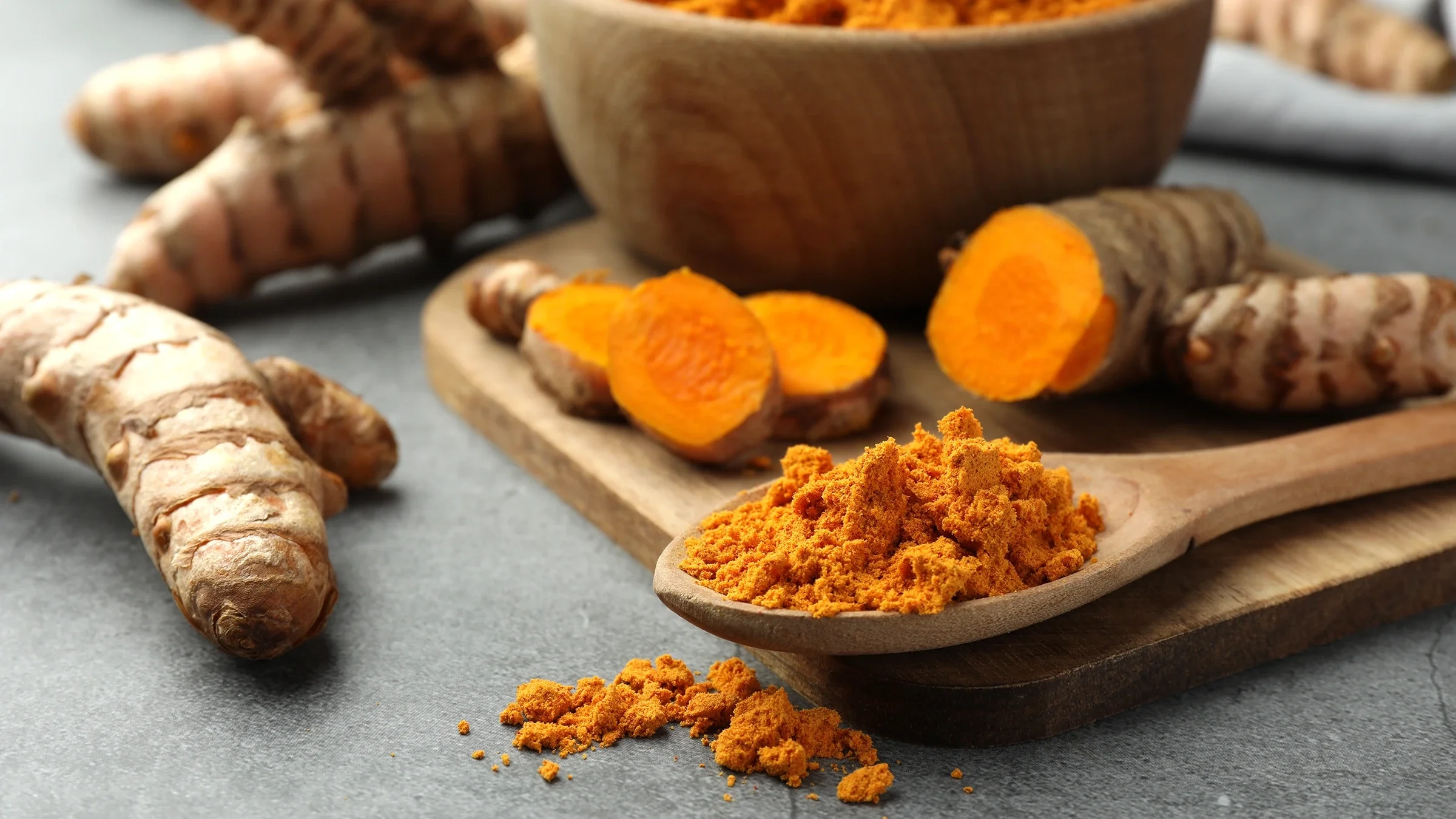
Natural food dyes come from natural sources — like vegetables, plants, minerals, or animals. Some examples of natural food dyes are:
Turmeric
Spirulina
Dehydrated beets
Beta carotene
Grape skin extract
Natural food dye colors are less vibrant than synthetic dyes. The bright colors of synthetic dyes are a marketing technique — they make food look more appealing to eat. But unlike synthetic dyes, natural food dye may actually add nutrients. And more importantly, they are safer for your health.
Synthetic dyes are human-made chemicals derived from petroleum (crude oil) for use in foods and medications. They make food appear brighter and more uniform. But synthetic dyes don’t have any nutritional value. Foods that contain synthetic dyes also tend to be higher in sugar than foods without dyes.
What natural food dyes are FDA approved?
As mentioned above, several natural food dyes have been used for a long time. Colors from plant or mineral sources don’t need to be certified, but still have to comply with regulatory requirements. The following four natural food colors — and their specific uses — were recently approved by the FDA.
Butterfly pea flower extract
Butterfly pea flower extract gives products a bright blue, purple, or green color. This color is made by drying flower petals from the butterfly pea plant. The plant’s high anthocyanin and antioxidant content — similar to blueberries — gives it the bright blue pigment.
Butterfly pea flower extract can be used in:
Drinks: sports drinks, juice, alcoholic beverages, tea
Candy: gum, hard candy
Dairy products: drinks, yogurt, and ice cream
Dry snacks: cereal, crackers, snacks, pretzels, and chips
Galdieria extract blue
Galdieria extract blue is made from red algae and gives a bright blue color. Spirulina is another well-known algae that serves as a natural food dye. Like spirulina, galdieria extract has both antioxidant and anti-inflammatory effects.
Galdieria extract blue can be used in:
Drinks: nonalcoholic beverages, smoothies, juices
Dairy products: milk, yogurt, ice cream, and nutritional beverages
Candy: gum, hard candy
Desserts: frosting, pudding, whipped topping, popsicles
Calcium phosphate
Calcium phosphate is the mineral found in bones and teeth. It’s responsible for their white color. Calcium phosphate is a natural alternative to the artificial color and whitening agent, titanium dioxide.
Calcium phosphate can be used to whiten:
Chicken products
Candy
Donuts
Gardenia (genipin)
Gardenia is a flowering evergreen tree that produces fruit with a bright blue pigment. This colorant has been used across Asia for decades.
In the U.S., gardenia can be used in:
Drinks: sports drinks, flavored water, tea, or fruit drinks
Candy: soft and hard candy
To date, there have been no new red, orange, or yellow natural food dyes approved by the FDA.
What food dyes are being phased out?
Manufacturers can no longer use the following dyes in food:
Citrus Red No. 2
Orange B
The deadline to remove Red No. 3 is January 2027, and the other food dyes will be phased out in the coming months.
California also banned three other non-dye ingredients:
Potassium bromate
Propylparaben
Brominated vegetable oil (BVO)
The FDA is also recommending that other petroleum-based synthetic dyes be phased out, but they aren’t requiring removal. These include:
Green Dye No. 3
Red Dye No. 40
Yellow Dye No. 5
Yellow Dye No. 6
Blue Dye No. 1
Blue Dye No. 2
Most companies are following this recommendation and have committed to remove synthetic dyes in the next few years. Others are refusing the recommendation and plan to keep them.
Are synthetic dyes bad?
The FDA cites concern for children’s health and behavioral issues related to synthetic dyes. And there’s some animal research that indicates high doses of certain synthetic dyes can disrupt thyroid hormone production or promote cancer growth.
But it’s important to note that many of these studies looked at very high doses of dyes for small animals — higher doses than you would consume in a food product. And some of these studies were performed decades ago.
So even though some of these health risks sound scary, remember that small and infrequent doses of synthetic dyes are unlikely to be seriously harmful. But since synthetic dyes don’t have any health benefits, our food supply is better off without them.
How do you know if food dye is in products you buy?
To know if food dye is in the products you buy, the first step is to become familiar with the ingredients list on their labels. The following tips can help you avoid food dyes when you go grocery shopping:
Look at the ingredients list. Manufacturers can list color additives as their color name, such as FD&C Yellow Dye No. 6, or by the color of the dye.
Opt for organic when it makes sense. Organic means that the food is made without artificial preservatives, flavors, or colors. Remember that sugar and salt are both organic. It doesn’t necessarily mean it’s healthier to buy this way, but it does mean it’s free of synthetic dyes.
Foods that don’t contain synthetic dyes include fresh and frozen fruits and vegetables, plain meat and seafood, nuts, and seeds.
Frequently asked questions
The FDA revoked approval of Red No. 3 because new data linked high exposure to cancer in animal research.
The FDA has an Instagram account @FDA. You can visit their website or subscribe to emails to stay up to date.
Fruits and vegetables are nature’s rainbow. You can purchase natural food dyes at the store. But fruits and vegetables are nature’s rainbow. You can purée the ingredients below to make your own food dyes — and add a boost of nutrients:
Red/pink: beets
Orange/yellow: turmeric
Green: spinach
Blue: blueberry
The FDA revoked approval of Red No. 3 because new data linked high exposure to cancer in animal research.
The FDA has an Instagram account @FDA. You can visit their website or subscribe to emails to stay up to date.
Fruits and vegetables are nature’s rainbow. You can purchase natural food dyes at the store. But fruits and vegetables are nature’s rainbow. You can purée the ingredients below to make your own food dyes — and add a boost of nutrients:
Red/pink: beets
Orange/yellow: turmeric
Green: spinach
Blue: blueberry
The bottom line
Many food manufacturers are beginning to phase out the use of synthetic food dyes. Because of this, the FDA has approved four natural food dyes for use in various foods and drinks: galdieria extract blue, calcium phosphate, gardenia (genipin), and butterfly pea flower extract.
These natural food dyes are made from plant sources. It’s important to note that while these dyes are likely a better alternative to petroleum-based dye, they don’t make processed foods any healthier. It’s still better that the majority of your diet is made up of fresh or frozen fruits and vegetables, plain meat and seafood, nuts and seeds, whole grains and dairy.

Why trust our experts?



References
Alam, A., et al. (2020). Microalgal pigments: A source of natural food colors. Microalgae Biotechnology for Food, Health and High Value Products. Springer.
Dunford, E. K., et al. (2025). All the colors of the rainbow: Synthetic dyes in US packaged foods and beverages in 2020. Journal of the Academy of Nutrition and Dietetics.
Maronpot, R. R., et al. (2023). Twelve-month in utero safety assessment of gardenia blue, a natural food colorant. Journal of Toxicologic Pathology.
U.S. Department of Agriculture. (2012). Organic 101: What the USDA organic label means.
U.S. Food and Drug Administration. (2017). Color additives history.
U.S. Food and Drug Administration. (2023). Color additives in foods.
U.S. Food and Drug Administration. (2025). FD&C red no. 3.
U.S. Food and Drug Administration. (2025). FDA approves three food colors from natural sources.
U.S. Food and Drug Administration. (2025). HHS, FDA to phase out petroleum-based synthetic dyes in nation’s food supply.