Key takeaways:
Creatine is a compound similar to protein that’s important for energy — especially quick bursts of activity.
Creatine helps with exercise performance and muscle strength. It may also support healthy aging, with benefits for bone and skin health and cognition.
Animal-sourced foods like meat, poultry, and seafood contain the highest creatine per ounce. Plant foods aren’t a good source of creatine.
Most adults who consume animal proteins get enough creatine from their diets. People who follow a vegetarian or vegan diet may want to consider a supplement of 3 g to 5 g per day.
For decades, creatine has been a popular dietary supplement for athletic performance. Now researchers are learning that creatine supplements may provide other benefits — like stronger bones and better cognitive health. But that doesn’t mean you need to take a supplement to increase your creatine intake.
If you’re more interested in a food-first approach, you might be wondering where and how much creatine you can get from foods alone. So let’s dive in.
What is creatine?
Creatine is similar to an amino acid — the building blocks of protein — because it contains nitrogen. Creatine gives your body energy during quick bursts of activity.
Your kidneys, liver, and pancreas can make creatine. About 95% of your body’s creatine is stored in your muscles, ready to be used for a fast bout of energy. Your muscles, heart, and brain are the top users of creatine because of their important, high-energy jobs.
What are the benefits of creatine?
Many people are familiar with the benefits of creatine for exercise performance and muscle strength.
But more recently, creatine is gaining a reputation as beneficial for aging. It may help:
Reduce the risk of injury
Preserve bone strength
Improve memory and problem-solving skills
Reduce the appearance of wrinkles
These benefits for aging are less studied, but they’re an area of active research.
How much creatine do you need?
Creatine isn’t an essential nutrient. That’s because your body can make about half of what it needs from amino acids. The other half has to come from animal-sourced foods or a supplement.
Your body uses about 2 g of creatine per day for energy, said registered dietician Kristen Hicks-Roof, PhD. Half of that (about 1 g) comes from food, she said, while the rest is made in your body.
That being said, many of the studies on creatine benefits use a supplement dose higher than that — like 3 g to 5 g per day. If you’re looking to get extra creatine to benefit athletic performance or aging, you can safely take up to 5 g per day.
7 foods high in creatine
Animal-based foods like meat and seafood have the highest levels of creatine per ounce. Dr. Hicks-Roof said that the average person in the U.S. gets about 0.70 g to 1 g per day from food. This means that you’re likely getting enough creatine from your diet.
The amount of creatine per ounce varies by animal species, cut of meat, and cooking method. Plant-based foods don’t contain creatine.
It’s important to note that cooking meat, seafood, and poultry to proper temperatures is critical in order to prevent foodborne illness. But overcooking can reduce the amount of creatine found in them. So, it’s helpful to know proper cooking temperatures for different types of meat.
Below is a table of the top foods that are high in creatine.
Food | Grams of Creatine Per 4 Oz Serving |
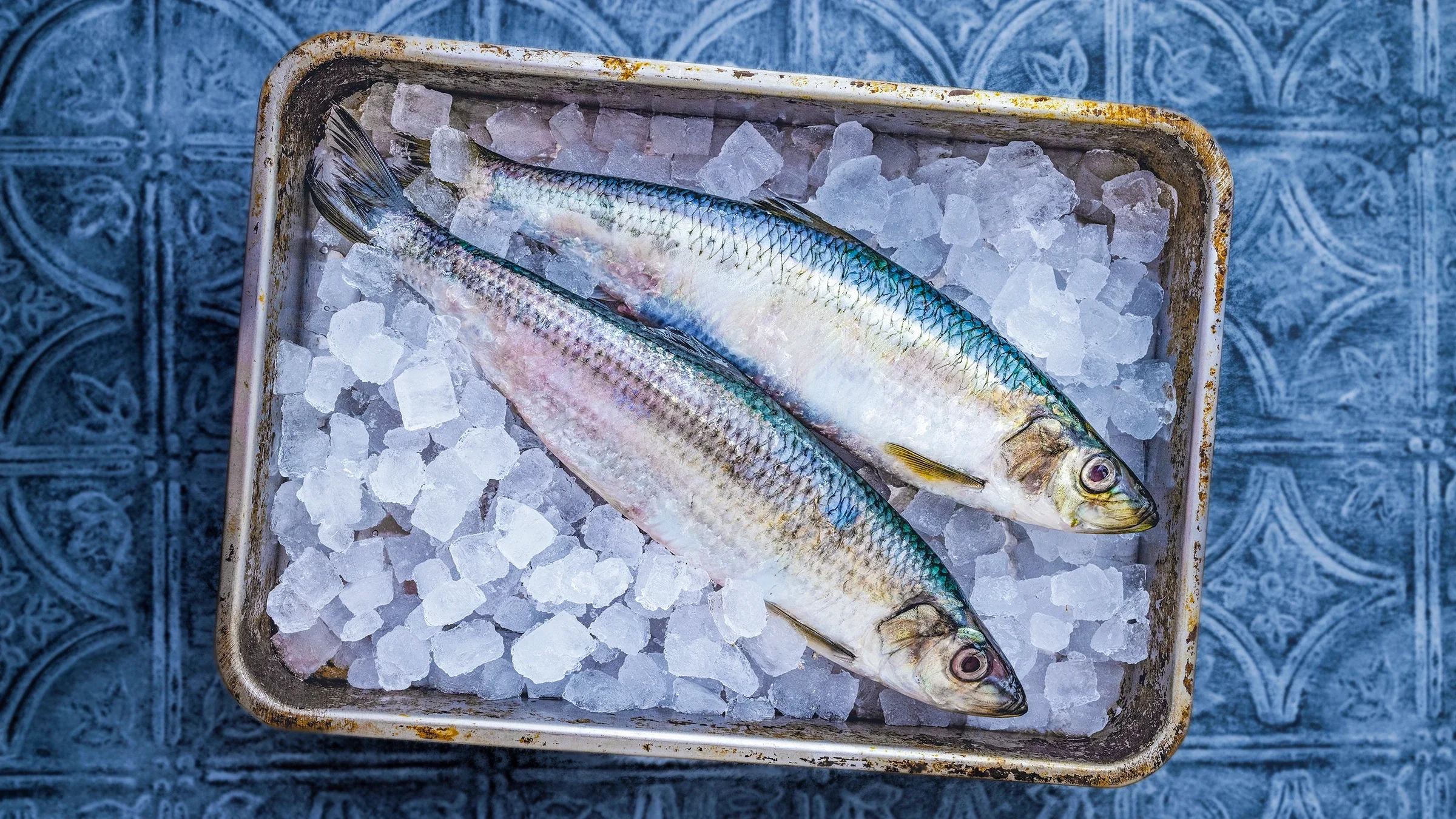
1. Herring | 0.75 to 1.13 |
2. Pork | 0.58 |
3. Beef | 0.5 |
4. Salmon | 0.5 |
5. Chicken thigh | 0.50* |
6. Tuna | 0.45 |
7. Cod | 0.35 |
*Based on a raw chicken thigh. It’s not recommended to consume raw or undercooked poultry.
How much creatine do you need if you’re pregnant or breastfeeding?
There’s very little research on creatine needs during pregnancy and breastfeeding. However, we know that pregnancy and breastfeeding both require more energy than usual, in terms of calories, protein, and creatine. Also, an infant needs creatine early on for growth and brain development. An important source of this is breastmilk.
So, if you’re pregnant or nursing, you’ll need an extra 350 to 400 calories per day to cover these extra creatine needs.
Should you take a creatine supplement?
You may want to consider a creatine supplement if you:
Eat little meat or seafood.
Follow a vegetarian or vegan diet
Want additional creatine for aging or exercise performance
If you want additional creatine, it’ll be hard to get the 3 g to 5 g range from foods alone. You’d have to consume multiple pounds of meat per day. And that would exceed the recommendations for calories, protein, and saturated fat.
If you’re wondering about the type of creatine found in supplements, here’s what to know: “Creatine from food is the same compound used in supplements,” said Dr. Hicks-Roof. That makes it easier to hit the target range of the research studies mentioned above.
The bottom line
Creatine may have benefits beyond exercise performance, particularly for aging adults. Most people get enough creatine from animal-sourced foods. Adults who don’t eat animal products may want to consider a supplement. Supplements may also help people who are trying to reach the 3 g to 5 g per day dose, which is the common range in research studies.

Why trust our experts?



References
Brosnan, M. E., et al. (2016). The role of dietary creatine. Amino Acids.
FoodSafety.gov. (2024). Cook to a safe minimum internal temperature. U.S. Department of Health & Human Services.
Grazia Alessandrì, M., et al. (2020). Increased creatine demand during pregnancy in Arginine: Glycine Amidino-Transferase deficiency: A case report. BMC Pregnancy and Childbirth.
Kreider, R. B., et al. (2017). International Society of Sports Nutrition position stand: Safety and efficacy of creatine supplementation in exercise, sport, and medicine. Journal of the International Society of Sports Nutrition.
Korovljev, D., et al. (2021). Temporal trends in dietary creatine intake from 1999 to 2018: An ecological study with 89,161 participants. Journal of the International Society of Sports Nutrition.
Mihatsch, W. A., et al. (2024). The umbilical cord creatine flux and time course of human milk creatine across lactation. Nutrients.
Ostojic, S. M. (2021). Dietary creatine and kidney function in adult population: NHANES 2017-2018. Food Science & Nutrition.
Ostojic, S. M. (2025). The evolving role of creatine in public health: From food-based nutrient to supplement and beyond. Public Health Nutrition.
Rasmussen, C., et al. (2008). National supplements for endurance athletes. In: Nutritional Supplements in Sports and Exercise.