Key takeaways:
Fire cider is a tonic that some people drink to help with immune strength and digestion.
The ingredients include horseradish, turmeric, and vinegar, which have strong roots as herbal remedies. But there isn’t much research to support their benefits.
Fire cider has minimal side effects. If you enjoy the drink, there’s no reason to avoid it. But it shouldn’t replace any prescription medications you already take.
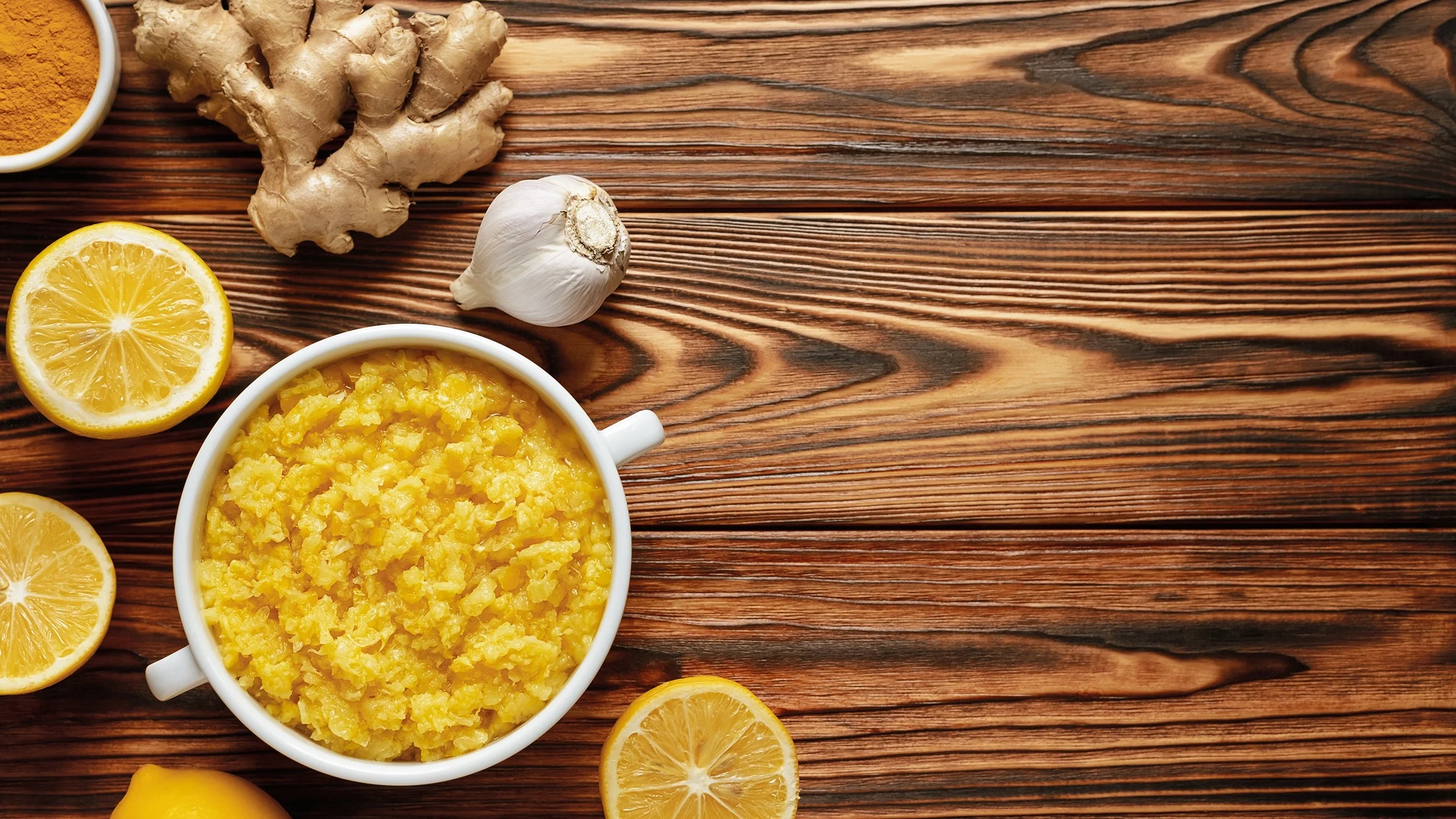
Fire cider is an herbal tonic that’s used to boost immunity, help with digestion, and warm you up on a cold day. The basic recipe combines horseradish with root vegetables like ginger, garlic, and onions. These ingredients are then dissolved in apple cider vinegar. Hot peppers are added to make it fiery.
The mixture sits in a mason jar for about a month to infuse. Some people like to add honey, citrus, or cinnamon for taste and additional antioxidants.
You can take a spoonful of fire cider every day or at the first sign of a cold. Some people prefer to dilute the mixture with juice, use it as vinegar on a salad, or drizzle it over vegetables.
Here’s a look at the research on fire cider and how you can make your own batch.
What are some of the reported benefits of fire cider?
There’s no good evidence to back up the claims around fire cider. But some of the reported fire cider benefits include:
Supporting your immune system
Promoting better blood sugar balance
Helping with weight loss
Helping with infections
Reducing inflammation
Helping with digestion
Improving skin health
What are the ingredients in fire cider, and does it boost health?
Fire cider combines traditional herbal remedies that may have specific health benefits. Here’s a look at the research on the main ingredients in fire cider.
Apple cider vinegar
Vinegar has been used to treat sores and clean wounds, dating back to Hippocrates, the ancient Greek physician. Today, apple cider vinegar is often promoted as a cure-all or weight-loss aid. But the reality is that there isn’t much research on its effects in humans.
Here are some of the more supported claims about apple cider vinegar:
Kills bacteria and yeast: Vinegar is used to preserve pickles and other foods by killing microbes. Test tube studies show that apple cider vinegar can destroy certain bacteria and yeast that cause disease. While apple cider vinegar can kill germs in a test tube or mason jar, scientists still don’t know if it has the same effect inside the human body.
Lowers heart disease risk factors: Some studies show that consuming apple cider vinegar lowers total blood cholesterol and reduces levels of sugar in the blood. But more research is needed to know whether this improves cardiovascular health.
Ginger
Ginger is a root vegetable frequently used for digestive issues, asthma, and arthritis. It has been studied extensively and appears to help relieve nausea. Some research suggests ginger may also help:
Ease period cramps
Relieve muscle and arthritis pain
Lower inflammation
Some people take ginger to help with fullness and weight loss. But there really isn’t any good evidence to support this practice. Similarly, while ginger is thought to boost your immune system, there’s no solid science supporting this.

Read more like this
Explore these related articles, suggested for readers like you.



The side effects of ginger are generally mild, but they include heartburn and stomach discomfort.
Garlic
Garlic has a lot of “antis” to its credit. Some evidence considers garlic to be:
Antimicrobial
Antifungal
Antidiabetic
Anticancer
Most people tolerate garlic without a problem. But it does contain hard-to-digest carbohydrates known as FODMAPs (fermentable oligosaccharides, disaccharides, monosaccharides, and polyols). These might cause cramping, bloating, and diarrhea in some people.
Onions
Onions are nutrient-dense vegetables. In lab studies, onions appeared to have antibiotic and antioxidant qualities. But they’re still being researched for potential pharmaceutical uses in humans.
Like garlic, there’s no evidence that eating onions will treat a cold or the flu. Onions are also a hard-to-digest FODMAP.
Hot peppers
Hot peppers are added to fire cider because they’re rich in vitamin C. They also contain active compounds that early research suggests might help you live longer. But scientists are still studying their health benefits.
The spicy heat in peppers comes from capsaicin, a chemical that may have antimicrobial properties.
That said, capsaicin can be irritating, so wash your hands after handling it and before touching eyes or broken skin. If you don’t usually consume hot spices, add it to your fire cider (or your diet in general) in small amounts at first.
Horseradish
Horseradish is a root vegetable with a strong and hot flavor. It has a long history of medicinal use. It has been shown to have anti-inflammatory and antibacterial properties. But most research comes from lab studies. It’s also unclear whether consuming small amounts of horseradish provides significant benefits, if any.
Honey
Honey has been used for healing since ancient times and is celebrated for its potential antimicrobial properties. Medical-grade honey has been approved for use on wounds, diabetic ulcers, and burns. But that approval doesn’t extend to the honey in grocery stores.
Still, the honey in your pantry could help when it comes to the common cold and symptoms like cough. Honey might also ease respiratory infection symptoms. Honey is safe for most people, except children under 1 year old, because it can cause botulism in this age group.
Whether it provides symptom relief or not, honey will add some sweetness to an otherwise potent and acidic fire cider drink.
Fire cider recipe
Below is a fire cider recipe adapted from the food and cooking website Epicurious.
It takes about 20 minutes to mix the ingredients. But the cider should sit for at least 1 month to infuse. You can store it in a sealed container in your refrigerator for about 3 months.
Ingredients
The following recipe makes about 2 cups:
1 cup coarsely grated, peeled horseradish (about 4 oz)
1 small onion, coarsely chopped
8 large garlic cloves, smashed
½ cup peeled and coarsely grated or chopped ginger (about 3 oz)
1 tbsp ground turmeric
1 tsp black peppercorns
4 rosemary sprigs
1 whole clove
1-2 dried hot chilis
1 lemon, quartered
2 cups (or more) unfiltered apple cider vinegar
2 tbsp (or more) honey
Special equipment
You’ll need a quart-size container and a cheesecloth.
How to make
Step 1
Thoroughly wash all of your ingredients.
Place all dry ingredients into your container (except the lemon, chili, and honey).
Crumble the chili into the container so it mixes in evenly.
Squeeze in the lemon quarters and add the rinds.
Pour in vinegar until the solids are fully submerged.
Cover the container tightly and swirl the jar gently to combine.
Store it in a dark place for 1 month.
Step 2
Strain the mixture through a cheesecloth-lined colander or sieve into a large measuring cup.
Discard the remaining solids.
Gather the corners of the cheesecloth and squeeze to extract as much liquid as possible.
Rinse out the jar and pour the stained liquid back in.
Add 2 tbsp of honey.
Shake the sealed container or whisk to combine.
Add more honey to taste.
Step 3
Transfer the finished fire cider into smaller bottles if you wish.
Tightly seal and store in the refrigerator.
When you’re ready to drink the fire cider, add 1 tbsp to a glass of seltzer water, orange juice, or a cup of tea. Add honey or lemon to your taste. You can also take a spoonful on its own or use it as a marinade or salad dressing.
Are there any side effects or risks to drinking fire cider?
Fire cider is likely safe for anyone who can tolerate and safely consume its ingredients. Because the drink can be made very spicy, it can cause stomach discomfort in some people. To reduce these effects, use less spice in your fire cider recipe or dilute it with water before drinking.
Another potential concern is that fire cider is acidic. Acidic drinks may damage tooth enamel and should be consumed in moderation.
Talk to your primary care provider to see if you have any conditions or take medications that could be affected by fire cider’s ingredients.
Frequently asked questions
Vinegars can usually be stored on the shelf at room temperature. But if your fire cider recipe contains fresh vegetables and herbs, store it in the refrigerator to stop bacteria from growing. Make sure to thoroughly wash all the ingredients before adding them to the vinegar.
Yes, fire cider can go bad after a while, even if you store it in the refrigerator. It’s best to use homemade fire cider within about 6 months. If you see signs of fermentation like bubbling, cloudiness, or sliminess, throw it out. Also toss it if you see mold or if it turns brown.
Vinegar is acidic, so it can be harsh on your stomach. Drinking too much of it might irritate your stomach lining and cause discomfort or pain or even cause ulcers. However, just having a tablespoon added to your food will probably not cause any damage.
Vinegars can usually be stored on the shelf at room temperature. But if your fire cider recipe contains fresh vegetables and herbs, store it in the refrigerator to stop bacteria from growing. Make sure to thoroughly wash all the ingredients before adding them to the vinegar.
Yes, fire cider can go bad after a while, even if you store it in the refrigerator. It’s best to use homemade fire cider within about 6 months. If you see signs of fermentation like bubbling, cloudiness, or sliminess, throw it out. Also toss it if you see mold or if it turns brown.
Vinegar is acidic, so it can be harsh on your stomach. Drinking too much of it might irritate your stomach lining and cause discomfort or pain or even cause ulcers. However, just having a tablespoon added to your food will probably not cause any damage.
The bottom line
No studies have been done on fire cider specifically, but it appears to be safe for most people. While more research is needed to confirm its immune-boosting benefits, many of the ingredients — like ginger, honey, and chili peppers — are rich in nutrients and might have potential health benefits. Talk to your primary care provider if you have questions about whether fire cider is right for you.

Why trust our experts?



References
Abuelgasim, H., et al. (2021). Effectiveness of honey for symptomatic relief in upper respiratory tract infections: A systematic review and meta-analysis. BMJ Evidence-Based Medicine.
Ajibola, A., et al. (2012) Nutraceutical values of natural honey and its contribution to human health and wealth. Nutrition & Metabolism.
American Dental Association. (2023). Nutrition and oral health.
American Heart Association. (2020). People who eat chili pepper may live longer?
Anh, N. H., et al. (2020). Ginger on human health: A comprehensive systematic review of 109 randomized controlled trials. Nutrients.
Boyles, M. (2025). Fire cider recipe: The spicy apple cider vinegar tonic for immunity & wellness. Almanac.
Chang, J., et al. (2019). Corrosive esophageal injury due to a commercial vinegar beverage in an adolescent. Clinical Endoscopy.
Garcia-Parilla, M. C., et al. (2017). Vinegars and other fermented condiments. Fermented Foods in Health and Disease Prevention. Academic Press.
Hadi, A., et al. (2021). The effect of apple cider vinegar on lipid profiles and glycemic parameters: A systematic review and meta-analysis of randomized clinical trials. BMC Complementary Medicine and Therapies.
Herbal Academy. (2022). Troubleshooting fire cider: Answering your questions.
Johnston, C. S., et al. (2006). Vinegar: Medicinal uses and antiglycemic effect. Medscape General Medicine.
Oehler, N. (2018). Flavored vinegars. Oregon State University Extension Service.
Omolo, M. A., et al. (2014). Antimicrobial properties of chili peppers. Journal of Infectious Diseases and Therapy.
Parham, S., et al. (2020). Antioxidant, antimicrobial and antiviral properties of herbal materials. Antioxidants.
Sanati, S., et al. (2018). A review of the effects of Capsicum annuum L. and its constituent, capsaicin, in metabolic syndrome. Iranian Journal of Basic Medical Sciences.
Sharma, K., et al. (2018). Systematic study on active compounds as antibacterial and antibiofilm agent in aging onions. Journal of Food and Drug Analysis.
Tirado, D. J., et al. (2014). Efficacy of medical grade honey against multidrug-resistant organisms of operational significance: Part I. Journal of Trauma and Acute Care Surgery.
Volger, L. (2017). Fire cider tonic. Epicurious.
Walters, S. A. (2021). Horseradish: A neglected and underutilized plant species for improving human health. Horticulturae.
Yagnik, D., et al. (2018). Antimicrobial activity of apple cider vinegar against Escherichia coli, Staphylococcus aureus and Candida albicans: Downregulating cytokine and microbial protein expression. Scientific Reports.