Key takeaways:
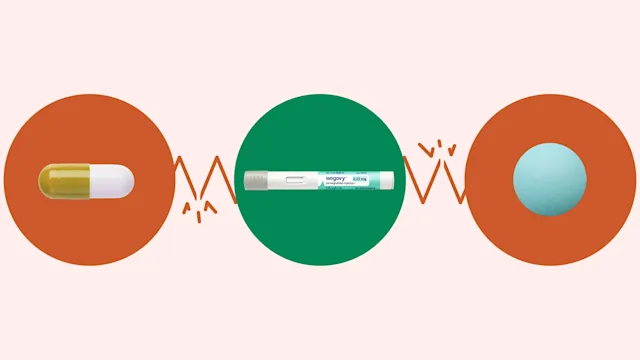
Wegovy (semaglutide) is a weight-loss medication that comes in both injectable and pill form.
Wegovy works by mimicking a natural gut hormone called glucagon-like peptide-1 (GLP-1). It affects your gut, brain, and other organs to make you feel full, reduce cravings, and decrease your appetite.
You’ll get the most from Wegovy if it’s combined with a low-calorie diet and regular exercise. And because of how Wegovy works, it’s possible to keep the weight off long term — but usually only as long as you’re taking the medication.
If you're new to using GoodRx for Wegovy savings, pay an introductory price for the first two fills of $199 per month for the injection and $149 per month for the pill (only available for certain doses). You can also access Wegovy by subscribing to GoodRx for Weight Loss.
Save on related medications
Weight loss can be a frustrating journey, especially if you’ve made numerous attempts to manage your weight without achieving your desired results. And while losing weight isn’t easy or simple, Wegovy (semaglutide) is an option to consider if you’re feeling stuck.
Wegovy is a weight-loss medication that comes in both injectable and pill form. It works in several unique ways to help you lose weight. Wegovy does this by mimicking the effects of glucagon-like peptide-1 (GLP-1), a gut hormone involved in regulating blood glucose (sugar), appetite, and digestion.
So, how exactly does Wegovy work for weight loss? We cover the four ways it works on your appetite, cravings, and more below.
Search and compare options
1. Wegovy works in your gut to make you feel full
One of the ways Wegovy works is by slowing down the rate at which food leaves your stomach — called gastric emptying. This can prolong feelings of fullness after you’ve eaten, so you may not need to eat as often. Eating fewer calories can result in weight loss over time.
However, slowed gastric emptying seems to be more significant during the first few months of using Wegovy. Research suggests that after about 20 weeks (5 months), Wegovy may be less likely to have this effect on your gut. This is one of the reasons why certain Wegovy side effects from slowed gastric emptying, such as nausea, tend to improve over time.
2. Wegovy targets areas in your brain that regulate appetite
Wegovy doesn’t just work in your gut. It also affects areas of your brain involved in regulating your appetite and fullness. This can reduce feelings of hunger, make you feel full, and reduce the amount of food you eat. Some people using Wegovy say that it also quiets down “food noise” in their head — described by some as constant thoughts revolving around food.


3. Wegovy may reduce cravings for certain foods
Wegovy’s effects on the brain can also change your food preferences. For example, you may notice reduced cravings for certain foods such as salty snacks or sweets. Along with its appetite-related effects, this may be due to Wegovy interfering with the pleasure or reward you experience from eating these foods.
During clinical trials, people receiving Wegovy reported better management over their cravings during nearly 2 years of treatment compared to people receiving a placebo (injection without medication). The Wegovy group also reported reduced cravings for savory foods — such as dairy and salty, spicy, or starchy foods — during this time.
If you’ve struggled with food cravings in the past, you may find that this is less of an issue with Wegovy. But for some people, this can mean losing your taste for some of your favorite foods. So, it’s recommended to find nutrient-packed foods that you like to ensure you’re getting adequate nutrition during treatment.
4. Wegovy may counteract certain hunger hormones that affect weight gain
Your appetite, metabolism, and body weight are influenced by several different hormones in your body. GLP-1, the gut hormone mimicked by Wegovy, is one of them. Ghrelin and leptin are a few other key players.
When you eat fewer calories, levels of these hormones can change. Ghrelin, sometimes called the “hunger hormone,” tends to increase — boosting your appetite and telling your body to store fat. And leptin, which tells you to stop eating, tends to decrease. This is thought to be one of the reasons it’s often difficult to maintain weight loss long term.
Wegovy may potentially counteract some of the hormonal changes that happen during weight loss. This may be one of the reasons many people are able to maintain weight loss from Wegovy over time. However, this effect goes away if you stop using Wegovy.

Do you need to use Wegovy forever? Experts break down how long you need to use Wegovy (semaglutide), plus the pros and cons of using it long term.
Semaglutide for weight loss: Everything you need to know about semaglutide for weight loss, from eligibility and dosage to how it compares to other weight-loss medications.
How much weight can you lose with Wegovy? Get the facts on how much weight loss is possible with Wegovy, and how long it takes to see results.
Keep in mind that Wegovy works best if you combine it with a low-calorie diet and regular exercise. Making these lifestyle changes can help you build a solid foundation for the long term.
How does Wegovy compare to other weight-loss medications?
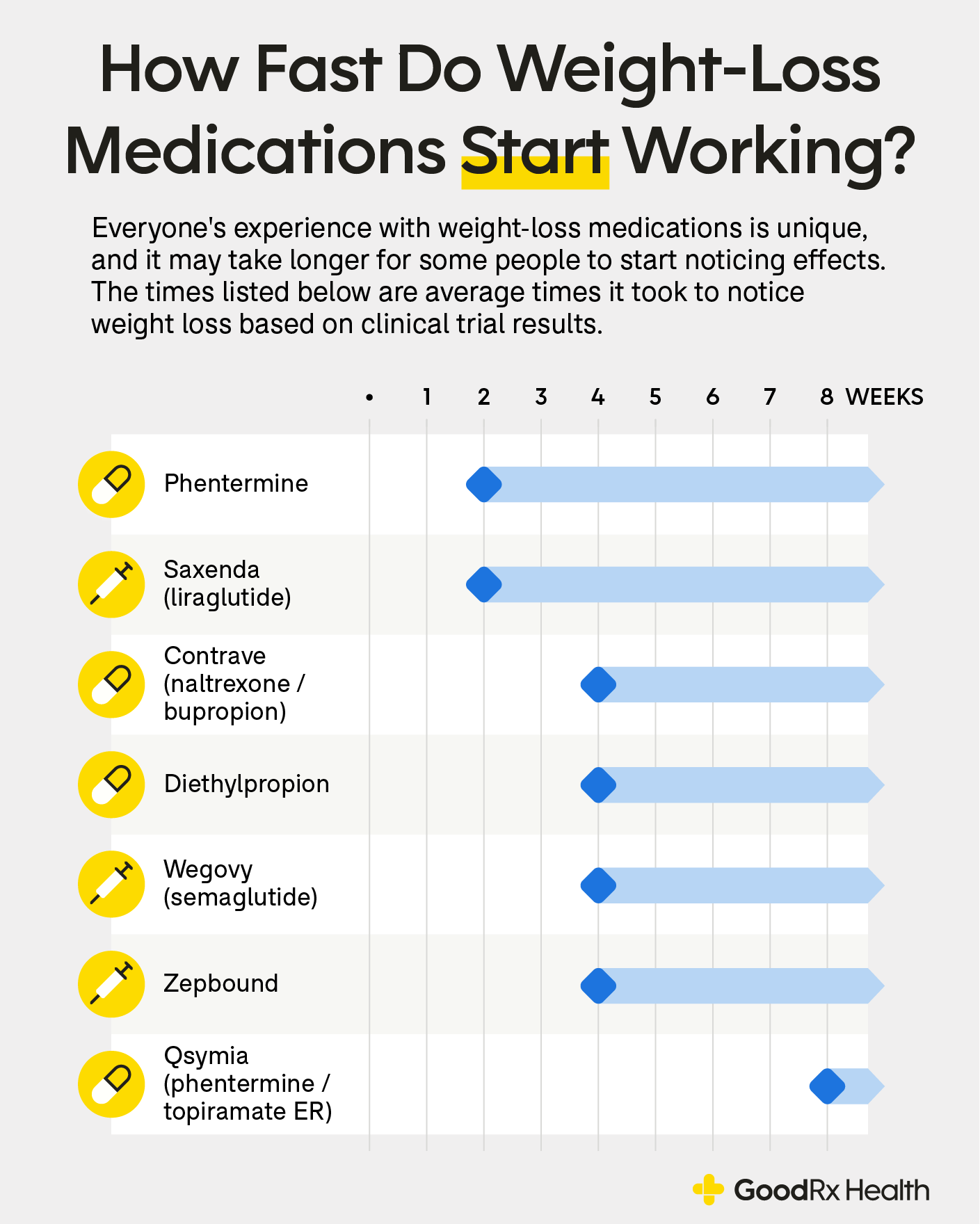
Wegovy is among the most effective FDA-approved weight-loss medications available. During clinical trials, people using the Wegovy injection lost an average of about 15% of their starting body weight. A comparable amount of weight loss has been seen with the Wegovy pill. This is more than most other options, except for one.
Zepbound (tirzepatide) is another injectable GLP-1 medication that may lead to even greater weight loss. People using the highest Zepbound dose in clinical trials lost nearly 21% of their starting body weight.
Other options, such as Saxenda (liraglutide), Qsymia (phentermine / topiramate ER), and Contrave (bupropion / naltrexone), typically result in 5% to 10% weight loss on average. Your healthcare professional can help you compare these treatments and choose the one that’s best suited for your goals, preferences, and medical history.
How to save on Wegovy
There are ways to save on Wegovy, which is available as a brand-name medication. GoodRx coupons and manufacturer copay savings cards can help make your prescription more affordable.
Save with GoodRx: If you're new to using GoodRx for Wegovy savings, pay an introductory price for the first two fills of $199 per month for the injection and $149 per month for the pill (only available for certain doses). For future fills and for other Wegovy doses, pay $349 per month for the injection and $299 per month for the pill. You can also access Wegovy by subscribing to GoodRx for Weight Loss.
Save with a copy savings card: If you have commercial insurance, you could pay as little as $25 for up to a 90-day supply for Wegovy with a copay savings card.
Frequently asked questions
Weight loss from Wegovy can vary from person to person. But during clinical trials, people using Wegovy lost around 2% of their starting body weight in the first month. Your results may depend on your dose, diet, activity level, and other factors. And it can take several months to see significant weight loss.
Both medications contain semaglutide. But Wegovy is FDA approved for weight loss, while Ozempic is approved for Type 2 diabetes. Wegovy comes in a higher dose and is typically preferred for weight loss, though some healthcare professionals may prescribe Ozempic off-label for this use.
Many people regain at least some of the weight they lost after stopping Wegovy. This can happen because the medication is no longer helping to regulate your appetite. That’s why Wegovy is meant to be used long term, along with lifestyle changes such as a balanced diet and regular physical activity.
Wegovy is intended for long-term use to help manage body weight and support other health benefits. If Wegovy is working well for you and the side effects are manageable, your prescriber will likely have you continue using it. However, how long you use Wegovy can depend on your personal goals, medical history, and how your body responds over time.
Weight loss from Wegovy can vary from person to person. But during clinical trials, people using Wegovy lost around 2% of their starting body weight in the first month. Your results may depend on your dose, diet, activity level, and other factors. And it can take several months to see significant weight loss.
Both medications contain semaglutide. But Wegovy is FDA approved for weight loss, while Ozempic is approved for Type 2 diabetes. Wegovy comes in a higher dose and is typically preferred for weight loss, though some healthcare professionals may prescribe Ozempic off-label for this use.
Many people regain at least some of the weight they lost after stopping Wegovy. This can happen because the medication is no longer helping to regulate your appetite. That’s why Wegovy is meant to be used long term, along with lifestyle changes such as a balanced diet and regular physical activity.
Wegovy is intended for long-term use to help manage body weight and support other health benefits. If Wegovy is working well for you and the side effects are manageable, your prescriber will likely have you continue using it. However, how long you use Wegovy can depend on your personal goals, medical history, and how your body responds over time.
The bottom line
Wegovy (semaglutide) is a weight-loss medication that comes in both injectable and pill form. It works several different ways to help with weight loss. These include decreasing your appetite, reducing cravings and changing food preferences, and making you feel full.
Many people using Wegovy are able to maintain their weight loss. But this is usually only the case if you continue taking it. Since it’s a long-term commitment, talk to your healthcare team about whether or not Wegovy is right for you.

Why trust our experts?



References
Ard, J., et al. (2021). Weight loss and maintenance related to the mechanism of action of glucagon-like peptide 1 receptor agonists. Advances in Therapy.
Eren-Yazicioglu, C. Y., et al. (2021). Can GLP-1 be a target for reward system related disorders? A qualitative synthesis and systematic review analysis of studies on palatable food, drugs of abuse, and alcohol. Frontiers in Behavioral Neuroscience.
Friedrichsen, M., et al. (2020). The effect of semaglutide 2.4 mg once weekly on energy intake, appetite, control of eating, and gastric emptying in adults with obesity. Diabetes, Obesity & Metabolism.
Garvey, W. T., et al. (2022). Two-year effects of semaglutide in adults with overweight or obesity: The STEP 5 trial. Nature Medicine.
Gorgojo-Martínez, J. J., et al. (2022). Clinical recommendations to manage gastrointestinal adverse events in patients treated with Glp-1 receptor agonists: A multidisciplinary expert consensus. Journal of Clinical Medicine.
Iepsen, E. W., et al. (2014). Treatment with a GLP-1 receptor agonist diminishes the decrease in free plasma leptin during maintenance of weight loss. International Journal of Obesity.
Shulman, D. (2022). Endocrine-related organs and hormones. Endocrine Society.
Sumithran, P., et al. (2011). Long-term persistence of hormonal adaptations to weight loss. The New England Journal of Medicine.
Wharton, S., et al. (2023). Two-year effect of semaglutide 2.4 mg on control of eating in adults with overweight/obesity: STEP 5. Obesity.
Wilding, J. P. H., et al. (2021). Once-weekly semaglutide in adults with overweight or obesity. The New England Journal of Medicine.
You and Your Hormones. (2021). Ghrelin.