VIDEO CENTER
Major Depressive Disorder
Major depressive disorder is also known as clinical depression. It refers to having low mood, energy, and functioning for at least two weeks.

U.S. culture often promotes willpower, discipline, and individualism. As a result, people with depression may feel that they can or should just “push through” the symptoms. But it’s a myth that you can relieve depression through willpower.
This myth can be “very, very invalidating for the patients,” says Jacques Ambrose, MD, MPH, FAPA, Psychiatrist at Columbia University Irving Medical Center. “No one deserves to be suffering through any medical condition for which we have treatments.”
Not only can treatment help you feel better, but it can also help prevent risks and complications linked to untreated depression.
It’s unclear why people with depression are more likely to develop heart disease. In some cases, it may be because people with depression are more likely to engage in habits that hurt heart health, such as smoking and not exercising.
Both depression and Type 2 diabetes are linked to sleep issues, sedentary lifestyle, and poor diet. Depression may also lead to high levels of stress hormones, which can negatively affect blood sugar stability.
One of the symptoms of depression is sleeping more or less than usual. Poor sleep can in turn worsen mood, energy, and quality of life.
Over time, poor sleep is linked to many conditions, including:
Heart disease
Kidney disease
Type 2 diabetes
Stroke
People with substance use disorder (SUD) are more likely to report symptoms of depression compared to people without SUD.
One theory is that emotional distress may lead to substance use, and the substance may temporarily numb depression symptoms. In the long run, substance use often worsens mental health and leads to more severe depression.
Many people who have died by suicide (potentially up to 90 percent) lived with some type of mental disorder, including depression. Some research also shows that suicide risk may increase as the severity of depression worsens (although this is not the only factor).
“It's especially important to let your physicians know if your thoughts of wanting to hurt yourself or and your life [are] becoming more frequent, more intense, or more vivid, with clear plan and intention,” says Dr. Ambrose.
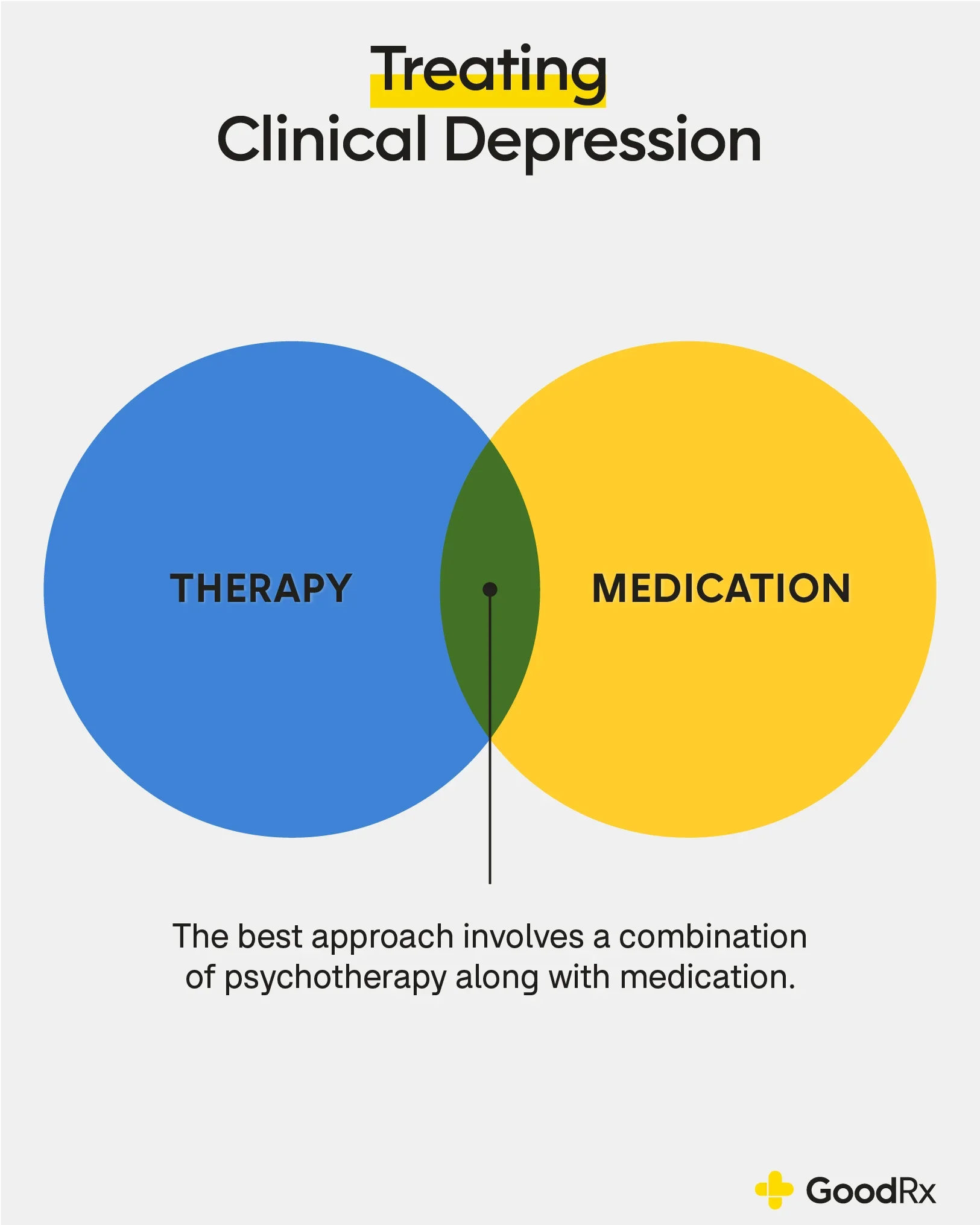
You do not have to wait until your depression is severe to get help. In fact, early diagnosis and treatment may lead to better outcomes. Mild depression is generally easier to treat and may not even require medication, depending on the person.
If you think you have depression, make an appointment with your primary care provider, therapist, or psychiatrist. They can assess your symptoms and recommend a treatment plan.
This information is for informational purposes only and is not meant to be a substitute for professional medical advice, diagnosis or treatment. GoodRx is not offering advice, recommending or endorsing any specific prescription drug, pharmacy or other information on the site. GoodRx provides no warranty for any information. Please seek medical advice before starting, changing or terminating any medical treatment.
Prescription savings
Stop paying too much for your prescriptions. Compare prices, get pharmacy coupons, and save up to 80%.Resources
About GoodRx
 Find expert answers to your health questions so you can make the best decisions for yourself and your family.
Health conditions
Medications & treatment
Access & affordability
Well-being
Medication discounts


