VIDEO CENTER
Major Depressive Disorder
Major depressive disorder is also known as clinical depression. It refers to having low mood, energy, and functioning for at least two weeks.

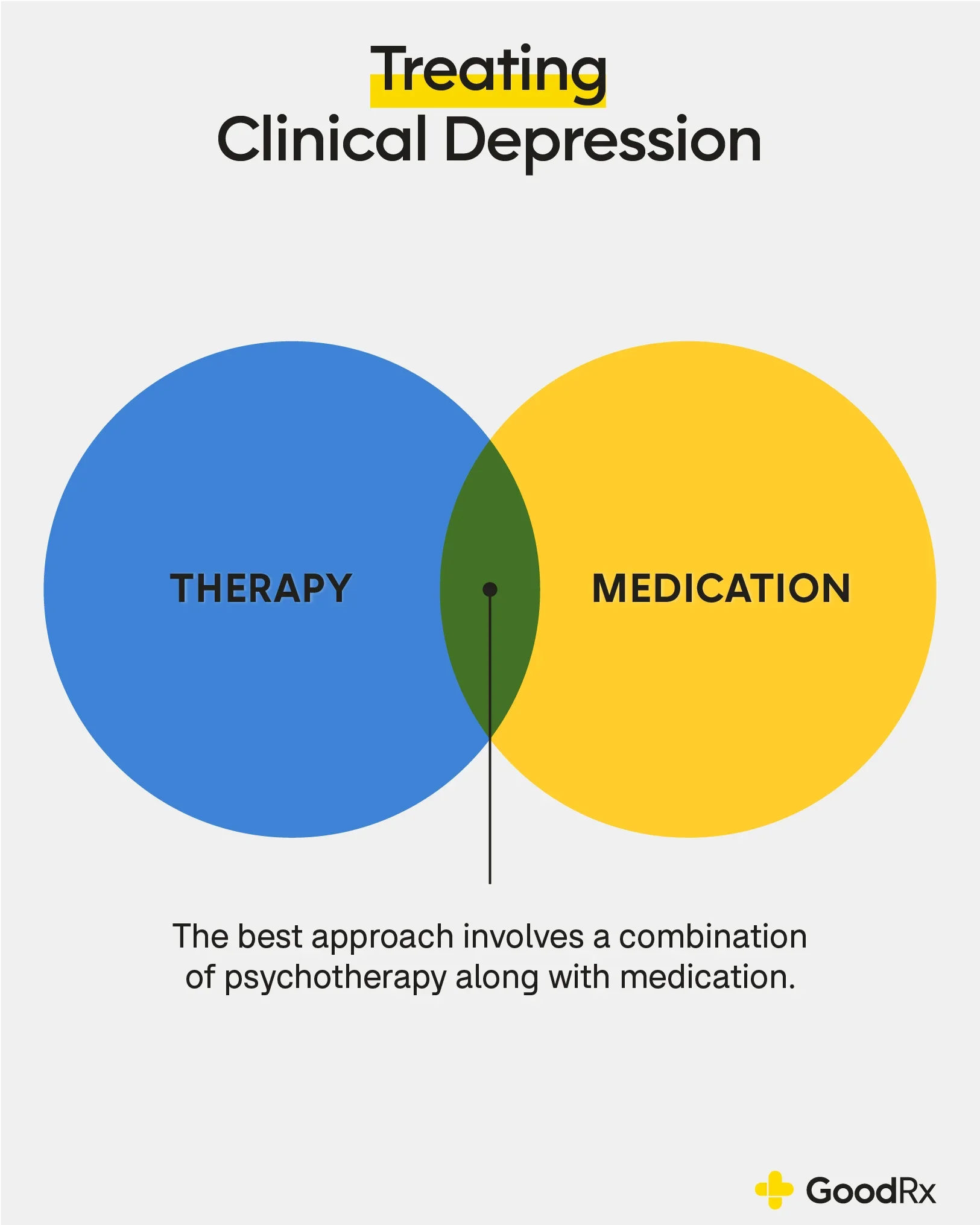
When it comes to treating depression with medication, this generally works best when combined with psychotherapy. Medications for depression aim to recalibrate the imbalance in the naturally produced chemicals in your brain.
Starting medication for depression requires patience as the first medication you try might not necessarily be the right one for you. Sometimes, medication is started at a lower dose in order to minimize side effects so you can see how you tolerate the medication and slowly increase the dose until you find the right dose for you.
When you've found the right one, Dr. Samuels recommends to stay on the antidepressant medication for 6-9 months when first trying it out as very few people experience consistent depression throughout long periods of time. When it is time to start lowering your medication, it is important to speak with your doctor to monitor for any re-emergence of symptoms. This also must be done through phases; you should never just stop taking your medication from one day to the next.
If you have experienced depression before and recovered, remember what your triggers may or may not be, so when those triggers may happen, you can speak with your doctor and see what the best next step would be for you.
This information is for informational purposes only and is not meant to be a substitute for professional medical advice, diagnosis or treatment. GoodRx is not offering advice, recommending or endorsing any specific prescription drug, pharmacy or other information on the site. GoodRx provides no warranty for any information. Please seek medical advice before starting, changing or terminating any medical treatment.
Prescription savings
Stop paying too much for your prescriptions. Compare prices, get pharmacy coupons, and save up to 80%.Resources
About GoodRx
 Find expert answers to your health questions so you can make the best decisions for yourself and your family.
Health conditions
Medications & treatment
Access & affordability
Well-being
Medication discounts


