valganciclovir
Valganciclovir, also known by its brand name Valcyte, is an antiviral that's used for cytomegalovirus (CMV). It can prevent problems from CMV infection in some adults and children after an organ transplant. For prevention, it's taken by mouth once a day. The medication can also treat an eye infection called CMV retinitis in adults with acquired immunodeficiency syndrome (AIDS). For treatment, it's taken twice a day at first, then once a day later on. Valganciclovir (Valcyte) comes as a tablet and an oral solution, and a generic version is available. Side effects can include diarrhea, nausea, and fever.


What is Valganciclovir (Valcyte)?
What is Valganciclovir (Valcyte) used for?
- Prevention of cytomegalovirus (CMV) infection after certain organ transplants in high-risk people ages 1 month and older
- Treatment of CMV retinitis in adults with acquired immunodeficiency syndrome (AIDS)
How Valganciclovir (Valcyte) works
Valganciclovir (Valcyte) is an antiviral medication. It belongs to the drug class called CMV nucleoside analogues.
In the body, valganciclovir (Valcyte) gets broken down to ganciclovir. Ganciclovir stops a protein called DNA polymerase from working. Without this protein, CMV can't make copies of itself. This helps stop the virus from growing and surviving.
Drug facts
| Common Brands | Valcyte |
|---|---|
| Drug Class | Antiviral |
| Controlled Substance Classification | Not a controlled medication |
| Generic Status | Lower-cost generic available |
| Availability | Prescription only |

Side effects of Valganciclovir (Valcyte)
The following side effects may get better over time as your body gets used to the medication. Let your healthcare provider know immediately if you continue to experience these symptoms or if they worsen over time.
Common Side Effects
Prevention of CMV:
- Diarrhea (30%)
- Shakiness or tremors (28%)
- Nausea (23%)
- Headache (22%)
- Trouble sleeping (20%)
- Vomiting (16%)
Treatment of CMV retinitis:
- Diarrhea (41%)
- Fever (31%)
- Nausea (30%)
- Headache (22%)
- Low blood cell counts (up to 22%)
- Vomiting (21%)
- Trouble sleeping (16%)
- Stomach pain (15%)
- Retinal detachment (15%)
Less Common Side Effects
Prevention of CMV:
- Fever
Treatment of CMV retinitis:
- Nerve pain in hands and feet
- Tingling or prickling sensation
Notes: Side effects were from adults. Side effects might differ for children who've had an organ transplant.
Valganciclovir (Valcyte) serious side effects
Contact your healthcare provider immediately if you experience any of the following.
- Retinal detachment: sudden changes in vision, floaters, flashes of light
- Low blood cell counts: infections (fever, chills, weakness, cough); easy bleeding or bruising; tiredness; dizzines; pale skin
- Kidney problems: urinating less often than usual; swelling in your feet, ankles, or hands; dry, itchy skin
The following Valganciclovir (Valcyte) side effects have also been reported
Side effects that you should report to your care team as soon as possible:
- Allergic reactions—skin rash, itching, hives, swelling of the face, lips, tongue, or throat
- Aplastic anemia—unusual weakness or fatigue, dizziness, headache, trouble breathing, increased bleeding or bruising
- Infection—fever, chills, cough, sore throat, wounds that don't heal, pain or trouble when passing urine, general feeling of discomfort or being unwell
- Kidney injury—decrease in the amount of urine, swelling of the ankles, hands, or feet
- Unusual bruising or bleeding
Side effects that usually do not require medical attention (report to your care team if they continue or are bothersome):

Get your GoodRx coupon

Pros and cons of Valganciclovir (Valcyte)
Pros
- First-choice medication for CMV after organ transplant
- Taken by mouth
- Typically taken once a day for maintenance
- Also comes as an oral solution for children
Cons
- Must take with food
- Can cause stomach upset
- Has a risk of anemia and other low blood cell counts
- Might cause fertility problems

Pharmacist tips for Valganciclovir (Valcyte)

- Take valganciclovir (Valcyte) at the same time every day with food. This helps your body absorb the medication.
- For the valganciclovir (Valcyte) tablet: Swallow the tablet whole. Don't break, chew, or crush the tablets. Talk to your prescriber about your options if you have trouble swallowing the pill.
- It's a good idea to wear disposable medical gloves when handling valganciclovir (Valcyte), like when taking a tablet out of the bottle. It can be very harmful if someone gets in contact with broken or crushed medication. If it gets on your skin, wash the area well with soap and water. If it gets in your eyes or nose, rinse well with plain water.
- Drink plenty of fluids while taking valganciclovir (Valcyte). This medication can hurt your kidneys. Staying hydrated can help protect them.
- Tell your care team about all the medications you take or plan to take. Valganciclovir (Valcyte) can interact with other medications and raise your risk of side effects. This includes other transplant medications and medications for human immunodeficiency virus (HIV). Your prescriber might want to watch more closely for side effects like infections or kidney issues. Your care team can make sure your medications are safe to take together.
- Valganciclovir (Valcyte) is an antiviral medication for CMV. It only treats and prevents infections caused by CMV. It won't work for other infections. Don't take it to help with infections caused by bacteria, fungi, or other viruses. Talk to your care team or primary care provider to get the right treatment for your infection.
- If you can become pregnant: Use a reliable form of birth control while taking valganciclovir (Valcyte) and for at least 30 days after stopping treatment. This is because the medication can harm an unborn baby. Tell your prescriber right away if you get pregnant during treatment.
- If you're male and your partner can become pregnant: Use condoms during sex while taking valganciclovir (Valcyte) and for at least 90 days after your last dose. Your partner should also use birth control during your treatment and for at least 30 days after your last dose. It's important to prevent pregnancy during treatment. This is because valganciclovir (Valcyte) can harm an unborn baby. If your partner gets pregnant, tell your care team right away.
More tips for the valganciclovir (Valcyte) oral solution:
- Your pharmacist will prepare the valganciclovir (Valcyte) liquid for you. They'll prepare it when you pick it up from the pharmacy.
- Store the prepared valganciclovir (Valcyte) liquid in the refrigerator (36°F to 46°F). Be sure not to let the medication freeze. The liquid medication is good for up to 49 days after it's been prepared. Your pharmacist will write this expiration date on the medication label. After that date, don't use the medication, even if there's some left in the bottle.
- Wear disposable medical gloves when handling valganciclovir (Valcyte). Be careful when measuring the liquid medication. It can be harmful if it gets on your skin or in your eyes or nose. If it touches your skin, wash it well with soap and water. If it gets in your eyes or nose, rinse with plain water.
- Shake the bottle of the valganciclovir (Valcyte) liquid well before measuring the dose. This makes sure the medication is mixed well.
- Measure the dose carefully using an oral syringe. Ask the pharmacist for extras. Don't use any household spoons to measure out the liquid because it might not be accurate. Don't mix the valganciclovir (Valcyte) oral solution with any other liquid.

Risks and warnings for Valganciclovir (Valcyte)
Valganciclovir (Valcyte) can cause some serious health issues. This risk may be even higher for certain groups. If this worries you, talk to your doctor or pharmacist about other options.
Low blood cell count and bone marrow problems
- Risk factors: Taking other medications that lower blood cell counts | Receiving radiation | Kidney problems
 Valganciclovir (Valcyte) can lower your blood cell counts. This includes your red blood cells, white blood cells, and platelets. It can also make your bone marrow make a lot fewer of these blood cells. Sometimes, this can be serious and can happen at any time during treatment.
Low red blood cells can cause anemia and make you feel very tired. Low platelets can lead to easy bruising and bleeding. And low white blood cells can put you at risk of infections and make it harder for your body to fight them.
Your prescriber will check your blood counts with regular blood tests. If your blood counts get too low, your prescriber might stop your treatment. Your blood counts usually start to go back up within 3 to 7 days after stopping valganciclovir (Valcyte). Your prescriber might also give you medications called growth factors to help your bone marrow make blood cells.
During treatment, let your care team know if you have any signs or symptoms of low blood cells. This can include feeling tired, weak, or dizzy. Also tell them about any trouble breathing, easy bruising, bleeding that's hard to stop, or blood in your urine or stool. Watch for signs of infection like a fever, body aches, and chills and call your medical team for care.
Possible fertility problems
Valganciclovir (Valcyte) at recommended doses can cause fertility problems in both men and women. This means it might be harder to have a child. The effect might be temporary or possible permanent. If you plan to have a child in the future, talk to your primary care provider about family planning before starting treatment.
Harm to an unborn baby
Based on animal studies, valganciclovir (Valcyte) can harm an unborn baby. It might cause birth defects.
If you can get pregnant, use effective birth control while taking valganciclovir (Valcyte) and for at least 30 days after stopping.
If you're male and your partner can get pregnant, use condoms during treatment for at least 90 days after stopping. Your partner should also use reliable birth control while you're taking this medication and for at least 30 days after you stop.
If you or your partner becomes pregnant during treatment, tell your care team.
Potential cancer risk
Based on animal studies, valganciclovir (Valcyte) has the potential to cause cancer in people. If you have concerns about this risk, talk to your prescriber.
Kidney problems
- Risk factors: Dehydration | Older adults | Taking other medications that harm the kidneys
Valganciclovir (Valcyte) can cause serious harm to the kidneys. The risk is higher in older adults. It's also higher if you become dehydrated or take other medications that can harm the kidneys.
Tell your prescriber if you have any kidney problems. They might order regular lab tests to check your kidney function. If needed, your prescriber might lower your dose of valganciclovir (Valcyte) to keep you safe.
Be sure to drink plenty of fluids while taking valganciclovir (Valcyte). Also tell your prescriber about all the medications you take. They can check for any medications that might further harm the kidneys.
Watch for signs of kidney damage, like unusual changes in how much or how often you urinate. If this happens while you're taking valganciclovir (Valcyte), let your prescriber know.

Valganciclovir (Valcyte) dosage


Typical dosage for Valganciclovir (Valcyte)
-
Prevention of CMV infection after organ transplant
- Adults after kidney, heart, or kidney-pancreas transplant: The typical dose is 900 mg by mouth once a day, starting within 10 days of organ transplant.
- After heart or kidney-pancreas transplant: Continue to take this medication for 100 days after your transplant, or as directed by your prescriber.
- After kidney transplant: Continue to take this medication for 200 days after your transplant, or as directed by your prescriber.
- Children after kidney or heart transplant: The prescriber will determine the dose based on your child's age, height, weight, and kidney function. Typically, your child will start this medication within 10 days of organ transplant. It's taken by mouth once a day.
- Age 4 months to 16 years after kidney transplant: Your child will continue taking the medication for 200 days after their transplant, or as directed by their prescriber.
- Age 1 month to 16 years after heart transplant: Your child will continue taking the medication for 100 days after their transplant, or as directed by their prescriber.
- Adults after kidney, heart, or kidney-pancreas transplant: The typical dose is 900 mg by mouth once a day, starting within 10 days of organ transplant.
-
Treatment of CMV retinitis (an eye infection)
- Adults: The typical starting dose is 900 mg by mouth twice a day for 21 days (3 weeks). After that, the dose is 900 mg by mouth once a day.
For adults, the dose might differ depending on your kidney health.

How much does Valganciclovir (Valcyte) cost?

Valganciclovir (Valcyte) contraindications
Contraindications are specific health conditions or situations in which a person should not take a medication due to safety concerns. If you have any of the following conditions or if any of the following apply to you, let your healthcare provider know because Valganciclovir (Valcyte) will not be safe for you to take.
- Serious allergic reaction to ganciclovir (Cytovene IV)

What are alternatives to Valganciclovir (Valcyte)?

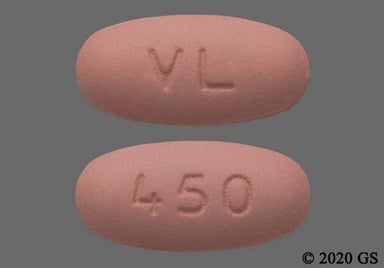
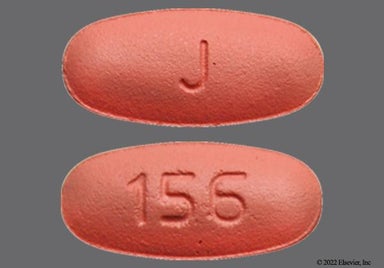
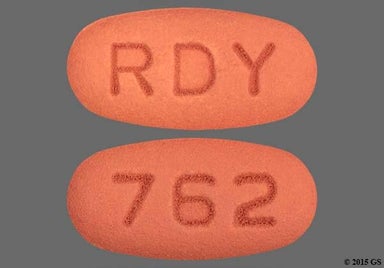
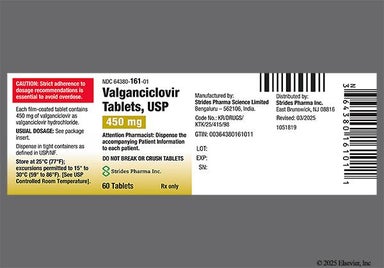
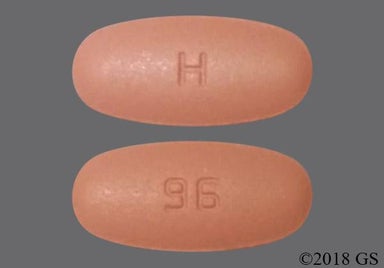
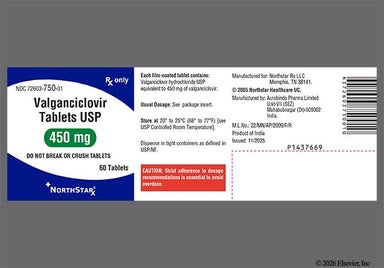
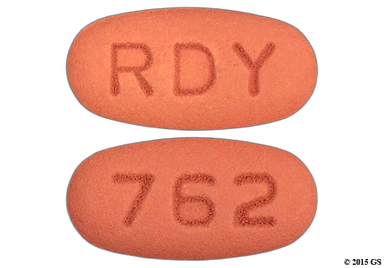
Valganciclovir (Valcyte) images