



What Is Vaginal Dryness, and How Can You Treat It?
Vaginal dryness can happen at any age, but it's especially common after menopause. Learn about the causes, symptoms, and treatment options, with GoodRx.
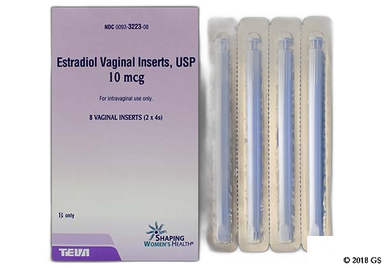
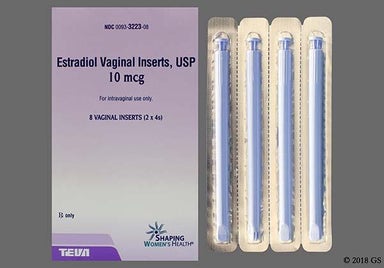
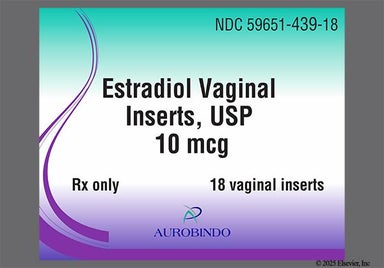
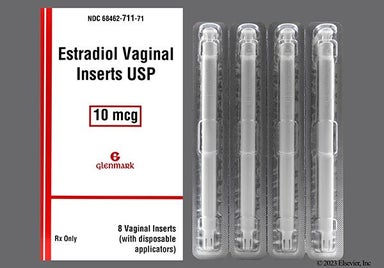
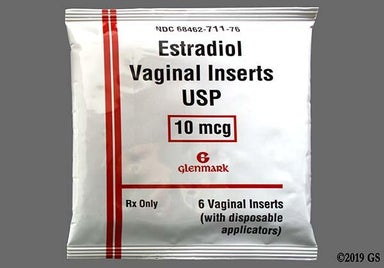
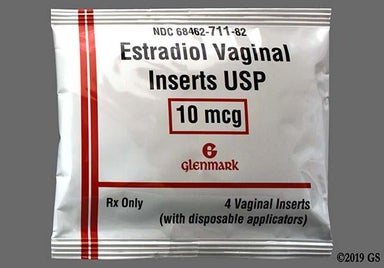
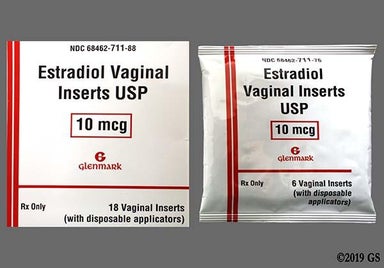
Vagifem (estradiol vaginal insert) is used to treat vaginal dryness, irritation, and burning caused by menopause. It contains estradiol, a type of estrogen that helps to raise your hormone levels to ease these symptoms. You'll usually use one insert with an applicator twice a week (after using it daily for the first 2 weeks). Common side effects include back pain, diarrhea, and vaginal yeast infection.

Vagifem is an estrogen replacement. It replaces the natural estrogen your body loses during menopause. The medication works by raising estrogen levels in the vagina to reduce vaginal dryness, burning, and irritation.
| Common Brands | Vagifem |
|---|---|
| Drug Class | Estrogen replacement |
| Controlled Substance Classification | Not a controlled medication |
| Generic Status | Lower-cost generic available |
| Availability | Prescription only |

The following side effects may get better over time as your body gets used to the medication. Let your healthcare provider know immediately if you continue to experience these symptoms or if they worsen over time.
Contact your healthcare provider immediately if you experience any of the following.
Side effects that you should report to your care team as soon as possible:
Side effects that usually do not require medical attention (report to your care team if they continue or are bothersome):



How to use Vagifem

Vagifem can cause some serious health issues. This risk may be even higher for certain groups. If this worries you, talk to your doctor or pharmacist about other options.
Estrogen therapy, like Vagifem, can raise your risk of blood clots. Sometimes, these blood clots can be very dangerous and lead to a heart attack, stroke, or a blood clot in your lungs (called a pulmonary embolism). Because of this risk, Vagifem shouldn't be used to prevent heart disease.
Tell your prescriber about your full medical history, especially if you've ever had a blood clot. Also let them know if you have a planned surgery or expect to be on bedrest for a long time. Your prescriber will let you know when to stop Vagifem before your procedure and when to restart it after you're moving around again to lower your risk of blood clots. In general, you should use the lowest dose for the shortest amount of time to stay safe.
Know the signs of a blood clot or related problem:
Remove Vagifem and get medical help right away if you have any signs or symptoms of a blood clot.
Estrogens like estradiol, found in Vagifem, can thicken and change the lining of your uterus (called the endometrium). This can lead to uncontrolled growth of the uterine lining and put people who have a uterus at risk for uterine cancer (or endometrial cancer). Watch for warning signs like vaginal bleeding after menopause or pelvic pain, and let your prescriber know if you notice anything unusual.
Because of this cancer risk, if you haven't had your uterus removed (through a hysterectomy), your prescriber will usually have you take a progestin along with Vagifem. Progestins help balance estrogen's effect and protect the uterus. Speak with your prescriber if you have questions about uterine cancer risk and how to lower it.
Studies suggest that taking estrogens like Vagifem for several years might raise the risk for breast cancer. This risk is even higher if you take estrogen with a progestin. Don't take Vagifem if you currently have or have ever had breast cancer.
To lower your risk for breast cancer, take the lowest dose of Vagifem for the shortest time needed. Regularly check your breasts for any changes and get recommended breast scans (mammograms). Let your prescriber know if you notice any lumps, pain, or swelling in your breasts.
Some studies suggest that people who take estrogens like Vagifem for menopause symptoms might have a higher risk for ovarian cancer. Speak with your prescriber if you're concerned about this risk. Let your care team know if you have any unusual bloating, pelvic pain, trouble eating, or feeling full quickly. These can be signs of ovarian cancer.
People ages 65 and older who take estrogen medications like Vagifem might have a higher risk of developing dementia. Because of this, estrogen therapy shouldn’t be used to prevent dementia.
Be aware of the early signs of dementia, such confusion, memory loss, getting lost, or struggling to do everyday tasks. If you’re worried about the risk for dementia, talk to your prescriber.
The risk for gallbladder problems is higher for people who have gone through menopause and are taking estrogen therapy, like Vagifem. In some cases, these problems have required surgery. Let your prescriber know if you've ever had jaundice (yellowing of your skin or whites of your eyes). Also tell your care team right away if you notice jaundice, stomach pain that doesn't go away, nausea, or vomiting while you're taking this medication — these could be signs of liver damage or gallbladder problems.
Let your prescriber know if you've ever had high triglyceride levels. Estrogens like estradiol (found in Vagifem) can sometimes raise the amount of triglycerides (fat) in your blood. Having too much can lead to swelling of the pancreas (pancreatitis). Tell your care team right away if you have symptoms like sudden stomach or back pain, nausea, vomiting, fever, or weakness.
Estrogen therapy like Vagifem can affect the calcium levels in your blood. People with breast cancer or cancer that's spread to the bones are at higher risk of dangerously high calcium levels while they're taking estrogens. Tell your care team if you have any symptoms of high calcium levels like tiredness, muscle weakness, bone pain, nausea, constipation, and thirst.
On the other hand, if you have low parathyroid hormone levels, estrogen can cause your calcium to drop too low. Call your care team if you have signs of low calcium, like muscle cramps, brittle nails, or tingling in your fingers, toes, or lips.
Estrogen therapy like Vagifem can change thyroid hormone levels. If you have low thyroid hormone levels (hypothyroidism), it might be harder for your body to adjust. If you're taking thyroid replacement medication, you might need a higher dose while using estrogen therapy. Talk to your prescriber so they can help adjust your medication if needed.
Estrogen therapy like Vagifem can make your body hold onto extra fluids. This can sometimes cause swelling of your hands and feet. Fluid retention can worsen symptoms of certain heart conditions like heart failure, or kidney damage. If you have heart or kidney problems, tell your healthcare team right away if you notice swelling, sudden weight gain, or other signs of fluid retention while taking Vagifem.
Before you start Vagifem, talk to your care team about your medical history. Estrogen-containing medications can make certain health conditions worse, and you might need closer monitoring. These conditions include diabetes, asthma, migraine, lupus, seizures, and hereditary angioedema.
Some people find that the Vagifem applicators cause vaginal irritation right after they insert the medication. This is more likely to happen if your menopause symptoms are more severe. If the irritation you experience gets worse or is very bothersome, speak with your prescriber.

 Insert
| Dosage | Quantity | Price as low as | Price per unit |
|---|---|---|---|
| 10mcg | 24 inserts | $90.88 | $3.79 |
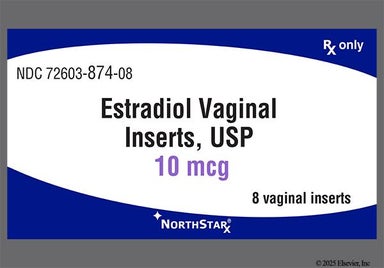
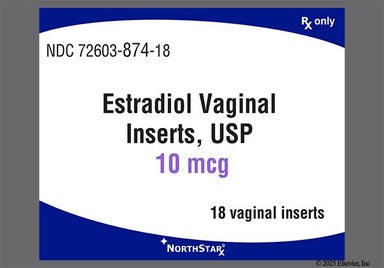
Each Vagifem insert contains 10 mcg of estradiol.
Place 1 insert into the vagina once a day for the first 2 weeks. After that, place 1 insert into the vagina twice a week (for example, on Tuesday and Friday).


Contraindications are specific health conditions or situations in which a person should not take a medication due to safety concerns. If you have any of the following conditions or if any of the following apply to you, let your healthcare provider know because Vagifem will not be safe for you to take.












Prescription savings
Stop paying too much for your prescriptions. Compare prices, get pharmacy coupons, and save up to 80%. Find expert answers to your health questions so you can make the best decisions for yourself and your family.
Health conditions
Medications & treatment
Access & affordability
 Our monthly healthcare membership can help you save thousands on your prescription costs.
Resources

It can take several hours for Vagifem to dissolve. The time it takes to fully dissolve can vary from person to person.
Yes, Vagifem is considered a bioidentical hormone. This means it contains a hormone (estrogen) that's chemically similar to the ones your body naturally makes.
Vagifem is available in most pharmacies, but you'll need a prescription from a healthcare professional before you can buy it.
Yes, you can have intercourse after using Vagifem, but ask your prescriber about how long to wait. The vaginal insert can take several hours to fully dissolve, and it isn't known if having intercourse affects how well the medication is absorbed. Your prescriber can give you guidance on the best timing so the treatment works as well as possible.
Vagifem is FDA approved for daily use during the first 2 weeks, and then twice a week after that. It might not work as well if you only use it once a week. Talk to your prescriber before making any changes to your dose.
Vagifem is FDA approved for women who have undergone menopause, so you shouldn't be having regular periods while using it. If you notice bleeding that seems like a period, let your prescriber know right away. That's because bleeding after menopause isn’t normal and should be checked.
Vagifem has occasionally been linked to weight gain, but this wasn't commonly reported in clinical studies. Weight gain can also happen naturally during menopause. If you’re worried about changes in your weight, talk with your prescriber.
All three medications are vaginal inserts that contain the same active ingredient, estradiol, used to treat menopause-related symptoms, but they differ in a few ways. Vagifem and Yuvafem are FDA approved to treat vaginal dryness, burning, and irritation caused by menopause. On the other hand, Imvexxy is approved for painful sex related to vaginal dryness and thinning from menopause. Vagifem and Yuvafem come in a tablet that you place into the vagina with an applicator, while Imvexxy is a soft insert used without an applicator. Talk to your prescriber to learn more about these medications.
