


Which Medications Treat Non-Small Cell Lung Cancer?
Several types of medication may be used to treat non-small cell lung cancer (NSCLC). What’s recommended for you depends on the stage of cancer and other factors.
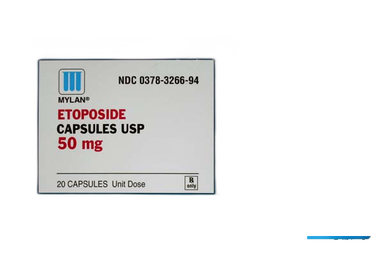
Etoposide injection is an chemotherapy anticancer medication used in combination with other chemotherapy medications to treat testicular cancer or small cell lung cancer. It’s also known as VP-16. Etoposide injection is infused intravenously (IV), usually daily for a few days during each chemotherapy cycle. This medication can raise your risk for infections and bleeds.

Etoposide injection is a type of anticancer medication called a topoisomerase II inhibitor. It prevents cancer cells from growing by damaging the cancer cells’ genetic material.
| Common Brands | Etopophos |
|---|---|
| Drug Class | Anticancer agent |
| Controlled Substance Classification | Not a controlled medication |
| Generic Status | Lower-cost generic available |
| Availability | Prescription only |

The following side effects may get better over time as your body gets used to the medication. Let your healthcare provider know immediately if you continue to experience these symptoms or if they worsen over time.
Please note: These side effects were reported by people taking either etoposide alone, either by mouth or as an infusion. The side effects you experience might differ depending on what other anticancer medications you're taking.
Contact your healthcare provider immediately if you experience any of the following.
Side effects that you should report to your care team as soon as possible:
Side effects that usually do not require medical attention (report to your care team if they continue or are bothersome):




Etoposide injection can cause some serious health issues. This risk may be even higher for certain groups. If this worries you, talk to your doctor or pharmacist about other options.
Etoposide injection can cause your red blood cell (RBC), white blood cell (WBC), and platelet counts to drop, typically around 1 to 2 weeks after you start this medication. This is because etoposide injection is a chemotherapy agent that targets and kills fast-growing cancer cells. But as a side effect, it can kill fast-growing healthy cells as well, such as your blood cells. When your blood cell counts drop too low, you're at risk for problems such as infections, anemia, and bleeding or bruising. Your provider will order labs to check your blood cell counts before you start etoposide injection and before each chemotherapy cycle. If your blood cell counts drop too low, your provider will need to pause your treatment and possibly add another medication to help raise your blood counts. Let your provider know right away if you experience symptoms of low blood cell counts, such as:
Though rare, receiving etoposide injection can put you at risk for developing blood cancers (leukemias). While researchers aren't clear why this happens, it's thought that etoposide injection can affect the genetic material of certain blood cells and change them into cancer cells. And the risk is higher if you receive etoposide injection for a longer period of time. If you've any questions or concerns about the risk of blood cancer, please discuss them with your healthcare provider.
Some people have experienced serious allergic reactions from etoposide injection treatment. If you experience an allergic reaction, your provider will need to stop your etoposide infusion and provide medical care immediately. If your reaction is severe, you might not be able to continue etoposide treatment. Let your provider know right away if you experience symptoms of an allergic reaction, such as rash, hives, itching, chills, swelling of the face and throat, or trouble breathing.
Etoposide injection might cause harm to unborn babies if received by mothers during pregnancy. If you're able to get pregnant, you're recommended to use birth control while receiving etoposide injection and for 6 months after your treatment ends. Discuss with your provider about birth control options that are best for you. If you become pregnant while receiving this medication, please let your provider know right away.
If you're a male and have a partner who is able to become pregnant, you should also use birth control while receiving etoposide injection and for 4 months after your treatment ends. Etoposide injection might damage your sperm, which can lead to birth defects if your partner becomes pregnant.

Your provider will calculate your dose of etoposide injection using your body surface area (BSA, in units of m2), which takes into account your body weight and height.
Testicular cancer
Small cell lung cancer


Prescription savings
Stop paying too much for your prescriptions. Compare prices, get pharmacy coupons, and save up to 80%. Find expert answers to your health questions so you can make the best decisions for yourself and your family.
Health conditions
Medications & treatment
Access & affordability
Medication discounts


Etopophos is FDA approved to treat both testicular cancer and small cell lung cancer. But etoposide oral is only approved to treat small cell lung cancer, and is not used as commonly as the injectable version because people aren’t able to tolerate it as much. While you’ll typically receive Etopophos in a clinic or infusion center, etoposide oral can be taken at home. But be aware that etoposide oral needs to be refrigerated, so you'll need to properly and safely store this medication.
Hair loss is a common side effect experienced by people who receive Etopophos. This is because etoposide is a chemotherapy that works by killing fast-growing cancer cells. Unfortunately, it also harms healthy cells, including hair cells. Usually, hair loss is temporary and your hair should grow back once treatment is done. But in the meantime, there are some ways that you might be able to minimize hair loss while receiving Etopophos, such as wearing a cooling cap, not brushing your hair too much, and avoiding heat (e.g., blow drying or hair straightening). Ask your provider if you have any questions about etoposide and hair loss.
Etopophos, as well as other anticancer agents, can cause mouth sores. You typically start noticing symptoms about a week after your infusion. And the sores last for about 1 to 2 weeks. If you get mouth sores, they can make it more difficult for you to eat or drink, and might affect your dental health. Let your provider know if you're concerned about mouth sores. They can talk with you about possible treatment options, such as a mouth rinse to ease the pain. They can also give you tips to lower your risk for sores, such as sucking on ice chips during Etopophos.
Discuss with your provider what kind of precaution you need to take to keep your family, visitors, or pets safe while you're receiving Etopophos. Some amount of drug waste from Etopophos will pass from your body through body fluids, such as tears, sweat, blood, and urine. Some ways to keep your loved ones safe include using your own designated toilet if possible, flushing the toilet twice after you use it and keeping the lid down when it's not in use, and washing laundry that’s been soiled with any body waste separately from others' laundry.
No. This medication isn’t typically given during pregnancy because it might cause harm to unborn babies. If you’re able to get pregnant, talk with your provider about birth control options. You’re recommended to use birth control while receiving Etopophos and for 6 months after your treatment ends. And if you’re a male and have a partner who can become pregnant, you’re recommended to use birth control during and for 4 months after your Etopophos treatment ends. There’s a chance this medication might damage your sperm and cause birth defects.
Etopophos isn’t recommended if you’re breastfeeding. Researchers don’t know if this medication can pass into breast milk. But if it does, it can cause serious harm to nursing infants. Let your provider know if you’re breastfeeding or considering breastfeeding.
