



What Medications Are Used to Treat Melanoma?
While surgery is often a first-choice treatment for melanoma, medications can prevent recurrence. Here's how immunotherapy and chemotherapy drugs work for melanoma.
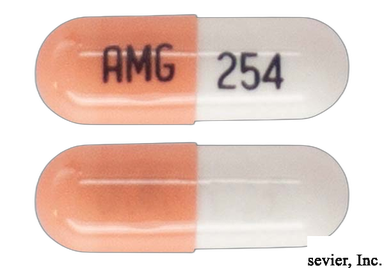
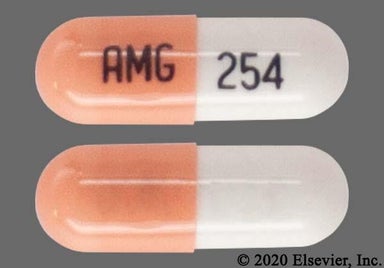
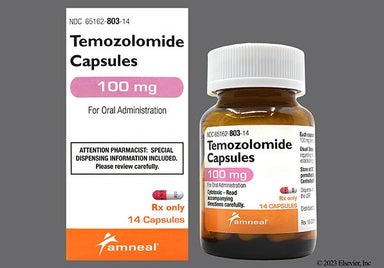
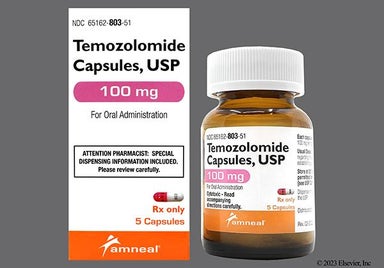
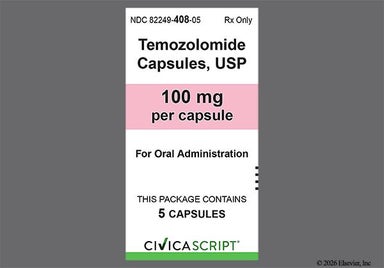
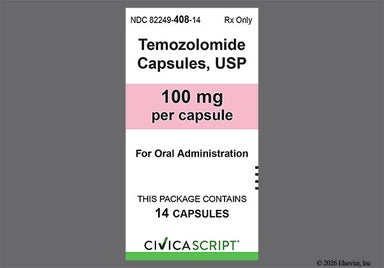
Temozolomide (Temodar) treats adults with certain types of brain cancer, like glioblastoma (GBM). It’s a type of chemotherapy called an alkylating agent. Temozolomide (Temodar) usually comes as a capsule you swallow whole once a day. But it’s also available as an injection that’s given through the vein by a healthcare professional at a medical office or infusion clinic. Temozolomide (Temodar) can cause side effects like tiredness, nausea, and hair loss. It also has risks like low blood cell counts and liver problems.

Temozolomide (Temodar) is a type of traditional chemotherapy. It’s known as an alkylating agent.
Once temozolomide (Temodar) gets inside a cancer cell, it attaches to the cell’s DNA. This damages the DNA, which usually causes the cancer cell to die. As a result, the cancer cell can’t make copies of itself so the cancer can’t grow.
| Common Brands | Temodar |
|---|---|
| Drug Class | Alkylating agent |
| Controlled Substance Classification | Not a controlled medication |
| Generic Status | Lower-cost generic available |
| Availability | Prescription only |

The following side effects may get better over time as your body gets used to the medication. Let your healthcare provider know immediately if you continue to experience these symptoms or if they worsen over time.
Note: Side effects listed for temozolomide (Temodar) by itself as maintenance therapy for glioblastoma. Side effects might differ when taken with radiation or for people with anaplastic astrocytoma.
Contact your healthcare provider immediately if you experience any of the following.
Along with its needed effects, a medicine may cause some unwanted effects. Although not all of these side effects may occur, if they do occur they may need medical attention.
Check with your doctor immediately if any of the following side effects occur:
Less common or rare
Amnesia
black, tarry stools
blood in the urine or stools
convulsions
cough or hoarseness
fever or chills
lower back or side pain
muscle weakness or paralysis on one or both sides of the body
painful or difficult urination
pinpoint red spots on the skin
swelling of the feet or lower legs
unusual bleeding or bruising
Incidence not known
Abdominal or stomach pain or tenderness
blistering, peeling, or loosening of the skin
clay colored stools
decreased appetite
difficulty with swallowing
dizziness
fast heartbeat
headache
joint or muscle pain
nausea or vomiting
puffiness or swelling of the eyelids or around the eyes, face, lips, or tongue
red skin lesions, often with a purple center
red, irritated eyes
sores, ulcers, or white spots in the mouth or on the lips
tightness in the chest
troubled breathing
unusual tiredness or weakness
yellow skin or eyes
Some side effects may occur that usually do not need medical attention. These side effects may go away during treatment as your body adjusts to the medicine. Also, your health care professional may be able to tell you about ways to prevent or reduce some of these side effects. Check with your health care professional if any of the following side effects continue or are bothersome or if you have any questions about them:
More common
Less common or rare
blurred or double vision
breast pain (in females)
burning or prickling feeling on the skin
confusion
difficulty with speaking
drowsiness
increased urge to urinate
loss of appetite
loss of muscle coordination
mental depression
runny or stuffy nose
trouble sleeping
unusual weight gain
Other side effects not listed may also occur in some patients. If you notice any other effects, check with your healthcare professional.
Call your doctor for medical advice about side effects. You may report side effects to the FDA at 1-800-FDA-1088.



Tips for temozolomide (Temodar) capsules:
Tips for temozolomide (Temodar) IV infusion:

Temozolomide (Temodar) can cause some serious health issues. This risk may be even higher for certain groups. If this worries you, talk to your doctor or pharmacist about other options.
Taking temozolomide (Temodar) can cause your blood cell counts to drop. This can put you at higher risk for infections, anemia, and easy bleeding. Sometimes, it can be very serious.
Your oncologist will check your blood cell counts before each cycle and occasionally during treatment. If your blood cell count gets too low, your oncologist might lower your dose or pause your treatment until it goes back up.
During treatment, watch for signs of infection like fever, chills, or cough. Also look out for signs of anemia, such as feeling tired or having pale skin. And tell your care team if you bleed or bruise more easily than usual.
Although uncommon, serious liver problems can happen in some people taking temozolomide (Temodar). Sometimes, it can be life-threatening.
Your oncologist will regularly check your liver health with lab tests. So, be sure to go to all the lab appointments your oncologist recommends. Tell your care team if you have belly pain, a swollen belly, yellow skin, or yellow eyes during treatment. These could be signs of liver damage.
Some people taking temozolomide (Temodar) have gotten a lung infection called Pneumocystis pneumonia (PCP). Your risk is higher if you’re also taking a corticosteroid like dexamethasone. It’s also higher if you’re getting radiation at the same time. Your oncologist might prescribe an antibiotic to help prevent this infection. A common one used is Bactrim (sulfamethoxazole / trimethoprim).
Tell your care team if you have a fever, cough, trouble breathing, chest pain, chills, or feel very tired while taking temozolomide (Temodar). These can be symptoms of PCP.
People taking temozolomide (Temodar) have a higher risk of developing new cancers later. This has included cancers including acute myeloid leukemia (AML). Your oncologist will monitor for this side effect with lab tests, even after you’ve stopped taking temozolomide (Temodar). Talk to your oncologist if you’re worried about this risk.
Animal studies show that temozolomide (Temodar) might harm an unborn baby or cause pregnancy loss (miscarriage). If you can get pregnant, use reliable birth control while taking this medication and for 6 months after your last dose.
If you’re having sex with someone who can get pregnant, also use birth control like condoms during treatment and for 3 months after stopping. Because temozolomide (Temodar) might affect sperm, don’t donate semen during this time.
Tell your oncologist right away if you or your partner becomes pregnant while you’re taking temozolomide (Temodar).


Although certain medicines should not be used together at all, in other cases two different medicines may be used together even if an interaction might occur. In these cases, your doctor may want to change the dose, or other precautions may be necessary. When you are taking this medicine, it is especially important that your healthcare professional know if you are taking any of the medicines listed below. The following interactions have been selected on the basis of their potential significance and are not necessarily all-inclusive.
Using this medicine with any of the following medicines is not recommended. Your doctor may decide not to treat you with this medication or change some of the other medicines you take.
Using this medicine with any of the following medicines is usually not recommended, but may be required in some cases. If both medicines are prescribed together, your doctor may change the dose or how often you use one or both of the medicines.


Contraindications are specific health conditions or situations in which a person should not take a medication due to safety concerns. If you have any of the following conditions or if any of the following apply to you, let your healthcare provider know because Temozolomide (Temodar) will not be safe for you to take.


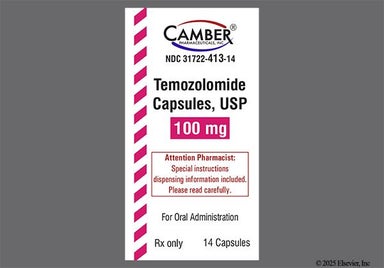
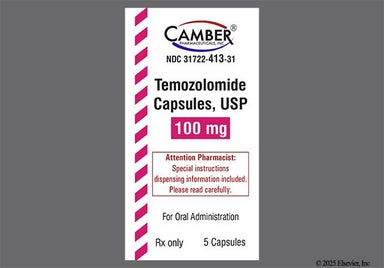
Prescription savings
Stop paying too much for your prescriptions. Compare prices, get pharmacy coupons, and save up to 80%. Find expert answers to your health questions so you can make the best decisions for yourself and your family.
Health conditions
Medications & treatment
Access & affordability
Medication discounts

Temozolomide is FDA approved to treat two types of brain cancer: glioblastoma and anaplastic astrocytoma. But it’s also sometimes used off-label to treat other types of cancer. This includes certain types of neuroendocrine tumors and sarcoma. Talk to your oncologist to see if Temozolomide is right for your cancer.
Yes, Temozolomide is a type of traditional or standard chemotherapy. It works by killing fast-growing cells, including cancer cells, by damaging their DNA. It stops cancer cells from spreading. But the medication can also affect healthy fast-growing cells, like the ones in your stomach and hair. That’s why nausea and hair loss are common side effects of Temozolomide.
It depends on your risk of getting a specific lung infection called Pneumocystis pneumonia (PCP). Some people taking Temozolomide have a higher risk. This includes people getting radiation at the same time and those with a low lymphocyte count (a type of white blood cell). If you’re at high risk, your oncologist might recommend an antibiotic to help prevent PCP. The most common one is Bactrim (sulfamethoxazole / trimethoprim). But there are other options if you’re allergic to sulfa drugs. Ask your oncologist if you need to take an antibiotic while taking Temozolomide. Follow their instructions if you do.
Some people taking Temozolomide can have hair loss. Typically, your hair will grow back after you stop taking the medication. Let your care team know if you notice hair loss or shedding during treatment. They can talk to you about ways to manage this side effect, such as using a soft brush or a cooling cap.
A single dose of Temozolomide stays in your body for about 9 hours. This is based on the medication’s half-life, which is how long it takes the body to break it down. Ask your oncologist if you have more questions about how long Temozolomide stays in your system.
If you or your partner becomes pregnant while you’re taking Temozolomide, tell your oncologist right away. We don’t know how Temozolomide affects people who are pregnant because there aren’t any studies done about this. But animal studies show that it might harm an unborn baby. Your oncologist can talk to you about the safest treatment options for you.
You shouldn’t breastfeed while taking Temozolomide and for 1 week after your last dose of the medication. We don’t know if Temozolomide passes into human milk. But because of the way the medication works, it might be harmful to your baby if it does. Talk to your oncologist or a lactation specialist about your options.
