trandolapril / verapamil
Trandolapril/verapamil is a combination medication that treats high blood pressure (hypertension) in adults. It contains two types of blood pressure medications in one tablet: an ACE inhibitor called trandolapril and a calcium channel blocker called verapamil. This combination medication works by relaxing the blood vessels in the body. It's taken by mouth, typically once daily. Side effects can include headaches, cough, and rarely high prolactin levels (hyperprolactinemia). The brand name for this combination medication, Tarka, has been discontinued. But the generic version is still available.


What is Trandolapril/verapamil?
What is Trandolapril/verapamil used for?
- High blood pressure
How Trandolapril/verapamil works
Trandolapril/verapamil is a combination of two blood pressure medications.
- Trandolapril is an angiotensin-converting enzyme (ACE) inhibitor. It blocks the body from making a hormone that usually makes your blood vessels tighter called angiotensin II. This helps your blood vessels relax and causes your blood pressure to go down.
- Verapamil is a calcium channel blocker. It works by controlling how much calcium comes into your heart and blood vessels. Calcium helps your heart and blood vessels move blood and oxygen through your body. Verapamil blocks calcium from coming into your heart and blood vessels. This helps relax your blood vessels and makes it easier for your heart to pump blood, which lowers your blood pressure.
Drug facts
| Common Brands | Tarka |
|---|---|
| Drug Class | ACE inhibitor / CCB |
| Controlled Substance Classification | Not a controlled medication |
| Generic Status | Lower-cost generic available |
| Availability | Prescription only |

Side effects of Trandolapril/verapamil
The following side effects may get better over time as your body gets used to the medication. Let your healthcare provider know immediately if you continue to experience these symptoms or if they worsen over time.
Common Side Effects
- Headache (9%)
- Cough (5%)
- Upper respiratory tract infection (5%)
- Constipation (3%)
- Dizziness (3%)
- Elevated liver enzyme levels (3%)
- Tiredness (3%)
Less Common Side Effects
- Diarrhea
- Nausea
- Shortness of breath
- Stuffy nose
- Bronchitis
- Swelling
- Pain in the arm or leg
- Back pain
- Joint pain
- High prolactin levels (changes in menstrual bleeding patterns, enlarged breasts in males, milky discharge from the breast in females)
Trandolapril/verapamil serious side effects
Contact your healthcare provider immediately if you experience any of the following.
- Angioedema (severe swelling): swelling of the face, lips, tongue, or throat; swelling in the arm or leg; swelling in the stomach (nausea, vomiting, stomach cramps, diarrhea)
- Serious heart problem: trouble breathing, tiredness, dizziness, swelling in your body, sudden weight gain, chest pain, slow heart rate
- Very low blood pressure: dizziness, lightheadedness, pale skin, feeling faint
- Liver problems: swelling of your stomach, yellowing of your skin or the whites of your eyes, dark or brown urine, confusion
- Kidney problems: urinating less often than usual; swelling in your feet, ankles, or hands; unexplained weight gain
- High potassium levels: nausea, muscle weakness, abnormal heartbeat
- Severe allergic reaction: swelling of your lips, tongue, throat, or face; trouble breathing; rash
The following Trandolapril/verapamil side effects have also been reported
Along with its needed effects, a medicine may cause some unwanted effects. Although not all of these side effects may occur, if they do occur they may need medical attention.
Check with your doctor immediately if any of the following side effects occur:
Some side effects may occur that usually do not need medical attention. These side effects may go away during treatment as your body adjusts to the medicine. Also, your health care professional may be able to tell you about ways to prevent or reduce some of these side effects. Check with your health care professional if any of the following side effects continue or are bothersome or if you have any questions about them:
Other side effects not listed may also occur in some patients. If you notice any other effects, check with your healthcare professional.
Call your doctor for medical advice about side effects. You may report side effects to the FDA at 1-800-FDA-1088.

Get your GoodRx coupon

Pros and cons of Trandolapril/verapamil
Pros
- Combines two blood pressure medications into one tablet for convenience
- Only taken once a day

Pharmacist tips for Trandolapril/verapamil

- Check your blood pressure regularly at home to keep track of how well trandolapril/verapamil is working for you. Write down your blood pressure readings and bring your log to your follow-up appointments. Talk to your prescriber about how well the medication is managing your blood pressure.
- Let your healthcare team know if you have a dry cough after you start taking trandolapril/verapamil. Dry cough is a common side effect of this medication. Let your prescriber know if this dry cough is bothersome so they can suggest a different treatment option for you.
- Trandolapril/verapamil helps lower your blood pressure. But sometimes, this can cause dizziness and lightheadedness. This feeling is more likely to happen if you're suddenly standing up from a sitting or lying down position. Make sure to lie down if you feel dizzy or lightheaded and get up slowly. Tell your healthcare team if you faint or feel too dizzy while you're taking this medication.
- Let your healthcare team know what medications you're taking, including over-the-counter products and supplements. Trandolapril/verapamil can interact with many medications, such as certain diuretics (water pills), nonsteroidal anti-inflammatory drugs (NSAIDs), and beta blockers. Your healthcare team can make sure all your medications are safe to take together. Talk with your healthcare team if you have any questions about drug interactions with trandolapril/verapamil.
- Stop taking trandolapril/verapamil and tell your prescriber right away if you become pregnant while you're taking this medication. Trandolapril/verapamil can harm the baby if it's taken during pregnancy. Your prescriber will find safer ways to help manage your blood pressure.

Risks and warnings for Trandolapril/verapamil
Trandolapril/verapamil can cause some serious health issues. This risk may be even higher for certain groups. If this worries you, talk to your doctor or pharmacist about other options.
Harm to an unborn baby
 Trandolapril/verapamil can cause severe and sometimes life-threatening harm to an unborn baby if the medication is taken during pregnancy. Because of this potential risk, you should avoid taking trandolapril/verapamil while pregnant.
 Stop taking trandolapril/verapamil and tell your care team right away if you find out that you're pregnant while you're taking this medication. Your prescriber can recommend safer blood pressure medications for you if you're pregnant or planning to become pregnant.
Angioedema (swelling)
- Risk factors: History of angioedema | Black people | Taking Entresto (sacubitril / valsartan) | Taking sirolimus (Rapamune) or everolimus (Zortress, Affinitor)
Angioedema is a rare but serious side effect of ACE inhibitors, such as trandolapril in trandolapril/verapamil. It causes swelling in different parts of the body, like the face, throat, tongue, arms, legs, and stomach. Swelling of the throat or tongue can be life-threatening since it can make it hard to breathe. You're more likely to experience angioedema if you're Black or of older age.
Stop taking trandolapril/verapamil and get medical help right away if you have trouble breathing, swelling of the face or tongue, or belly pain. These can be signs of angioedema. The medical team can help manage these symptoms.
Worsening heart failure
- Risk factors: Heart failure | Taking beta blockers
Some people who took verapamil (an ingredient in trandolapril/verapamil) had heart failure. This is because verapamil can affect how well the heart pumps blood to the rest of the body.
Tell your prescriber before you start taking trandolapril/verapamil if you have heart failure or if you're taking a beta blocker. People with severe heart failure or people who are taking beta blockers shouldn't take trandolapril/verapamil because the medication can make the heart work even less well.
Let your care team know right away if you have symptoms of heart failure, such as trouble breathing, tiredness, dizziness, swelling in your body, or sudden weight gain.
Low blood pressure
- Risk factors: Dehydration (e.g., diarrhea, vomiting) | Low-salt diet | Heart failure | People on dialysis | Taking diuretics for a long time
Sometimes, taking trandolapril/verapamil can cause your blood pressure to drop too much. Low blood pressure can make you feel dizzy, tired, or lightheaded.
Make sure to stay well hydrated while you're taking trandolapril/verapamil to make sure your blood pressure doesn't drop too low. Lie down if you feel dizzy, lightheaded, or faint. Then, get up slowly when you feel better. Let your healthcare team know if you feel dizzy, lightheaded, tired, or confused often while you're taking trandolapril/verapamil.
Slow heart rate or heart block
- Risk factors: Having medical conditions that slow your heart rate | Taking beta blockers or digoxin (Lanoxin)
Although rare, trandolapril/verapamil can slow down your heart rate and cause heart block. When your heart beats too slowly, you might feel weak or lightheaded or even pass out.
You have a higher risk of a slow heart rate while you're taking trandolapril/verapamil if you also take other medications that slow your heart, like digoxin (Lanoxin) or beta blockers. The risk is also higher if you have other health problems that affect your heart rate or rhythm.
Tell your healthcare team about all the medical conditions you have before you start taking trandolapril/verapamil. Ask your prescriber if you're not sure whether this medication is safe for you to take.
Liver problems
- Risk factor: History of liver problems
Some people who took trandolapril/verapamil have had higher liver enzyme levels on their results from blood work. These lab results can be a sign of liver injury. Rarely, people had severe liver problems or liver failure.
Your prescriber might check your liver enzyme levels every so often while you're taking trandolapril/verapamil. Call your healthcare team if you have belly pain, tiredness, or yellowing of your skin and the whites of your eyes. These can be signs of liver problems.
Worsening kidney problems
- Risk factors: Severe heart failure | Kidney problems | Kidney artery blockage | Taking other medications that can cause kidney damage | Not enough fluid in the body
Trandolapril/verapamil can usually improve blood flow to the kidneys, which is good for people with high blood pressure and chronic kidney disease (CKD). But in some cases, trandolapril/verapamil can cause kidney damage. The risk for kidney damage from trandolapril/verapamil is higher for people who have certain medical conditions, such as blockage of the kidney artery (renal artery stenosis) or severe heart failure.
Your prescriber might order lab tests before you start taking trandolapril/verapamil to check your kidneys and make sure it's safe for you to take. They also might check your lab work throughout treatment, especially if you're at higher risk for kidney damage. Let your care team know if you're urinating less often than usual, feeling tired, feeling nauseous, or having chills. These can be symptoms of kidney damage.
High potassium levels
- Risk factors: Kidney problems | Diabetes | Taking other medications that also raise potassium levels
Very rarely, trandolapril/verapamil can raise the amount of potassium in your body, which can sometimes be dangerous. Your risk of developing high potassium is greater if you have diabetes, or kidney problems. It's also higher if you're taking other medications that also raise potassium levels, like potassium supplements or certain diuretics.
Make sure your healthcare team knows your full medical history and the medications you're taking before you start trandolapril/verapamil. They can monitor your risk for high potassium levels. Tell your care team right away if you have symptoms of high potassium levels, such as muscle weakness, tingling or numbness, nausea, or abnormal heartbeat.
Dry cough
Trandolapril/verapamil can cause a dry cough. This happens because trandolapril raises the level of a protein in the body called bradykinin. And this can make your airways narrower. The dry cough usually goes away after you stop taking the medication. Tell your prescriber if you have a dry cough with trandolapril/verapamil and it starts to bother you.
Low white blood cell count
- Risk factors: Kidney problems | Lupus
It's not clear whether trandolapril, one of the ingredients in trandolapril/verapamil, can lower white blood cell counts. But some people with kidney problems and lupus have had low white blood cell counts with a different ACE inhibitor. To be safe, your prescriber might check your white blood cell count during treatment if you have kidney problems or lupus.

Trandolapril/verapamil dosage


Interactions between Trandolapril/verapamil and other drugs
More on Trandolapril/verapamil interactions

Although certain medicines should not be used together at all, in other cases two different medicines may be used together even if an interaction might occur. In these cases, your doctor may want to change the dose, or other precautions may be necessary. When you are taking this medicine, it is especially important that your healthcare professional know if you are taking any of the medicines listed below. The following interactions have been selected on the basis of their potential significance and are not necessarily all-inclusive.
Using this medicine with any of the following medicines is not recommended. Your doctor may decide not to treat you with this medication or change some of the other medicines you take.
- Aliskiren
- Colchicine
- Dofetilide
- Eliglustat
- Flibanserin
- Lomitapide
- Sacubitril
Using this medicine with any of the following medicines is usually not recommended, but may be required in some cases. If both medicines are prescribed together, your doctor may change the dose or how often you use one or both of the medicines.
- Abametapir
- Acalabrutinib
- Acebutolol
- Adenosine
- Afatinib
- Alfentanil
- Alprazolam
- Alprenolol
- Alteplase, Recombinant
- Amiloride
- Amiodarone
- Aprepitant
- Atazanavir
- Atenolol
- Atorvastatin
- Avapritinib
- Azathioprine
- Azilsartan
- Azilsartan Medoxomil
- Benzhydrocodone
- Berotralstat
- Betaxolol
- Betrixaban
- Bevantolol
- Bisoprolol
- Bosutinib
- Brexpiprazole
- Brigatinib
- Bucindolol
- Bupivacaine
- Bupivacaine Liposome
- Buprenorphine
- Candesartan Cilexetil
- Canrenoate
- Carbamazepine
- Carteolol
- Carvedilol
- Celiprolol
- Ceritinib
- Cilostazol
- Clarithromycin
- Clonidine
- Clopidogrel
- Clozapine
- Cobimetinib
- Codeine
- Conivaptan
- Cyclobenzaprine
- Dabigatran Etexilate
- Dantrolene
- Deflazacort
- Digoxin
- Dihydrocodeine
- Dilevalol
- Domperidone
- Doxorubicin
- Doxorubicin Hydrochloride Liposome
- Dronedarone
- Edoxaban
- Elexacaftor
- Encorafenib
- Entrectinib
- Epirubicin
- Eplerenone
- Eprosartan
- Erythromycin
- Esmolol
- Everolimus
- Fentanyl
- Fingolimod
- Fosaprepitant
- Fosnetupitant
- Hydrocodone
- Ibrutinib
- Ifosfamide
- Irbesartan
- Ivabradine
- Ivacaftor
- Ivosidenib
- Ketoconazole
- Labetalol
- Lacosamide
- Lefamulin
- Lemborexant
- Levobunolol
- Lithium
- Losartan
- Lovastatin
- Lumateperone
- Lurasidone
- Lurbinectedin
- Meperidine
- Mepindolol
- Mepivacaine
- Mercaptopurine
- Methadone
- Metipranolol
- Metoprolol
- Morphine
- Morphine Sulfate Liposome
- Nadolol
- Naloxegol
- Nebivolol
- Neratinib
- Netupitant
- Nilotinib
- Olaparib
- Olmesartan Medoxomil
- Oxprenolol
- Oxycodone
- Palbociclib
- Pemigatinib
- Penbutolol
- Pentazocine
- Pexidartinib
- Pindolol
- Piperaquine
- Pixantrone
- Ponesimod
- Potassium
- Potassium Phosphate
- Propranolol
- Ranolazine
- Relugolix
- Rimegepant
- Selpercatinib
- Selumetinib
- Simeprevir
- Simvastatin
- Siponimod
- Sirolimus
- Sonidegib
- Sotalol
- Spironolactone
- Sufentanil
- Tacrolimus
- Talazoparib
- Talinolol
- Tazemetostat
- Telmisartan
- Temsirolimus
- Tertatolol
- Tezacaftor
- Timolol
- Tizanidine
- Tolvaptan
- Topotecan
- Tramadol
- Triamterene
- Trimethoprim
- Ubrogepant
- Valsartan
- Venetoclax
- Vincristine
- Vincristine Sulfate Liposome
- Voclosporin
- Zanubrutinib
Using this medicine with any of the following medicines may cause an increased risk of certain side effects, but using both drugs may be the best treatment for you. If both medicines are prescribed together, your doctor may change the dose or how often you use one or both of the medicines.
- Apixaban
- Azosemide
- Bromfenac
- Bufexamac
- Bumetanide
- Bupivacaine
- Bupivacaine Liposome
- Buspirone
- Capsaicin
- Celecoxib
- Choline Salicylate
- Clonixin
- Cyclosporine
- Dalfopristin
- Dexibuprofen
- Dexketoprofen
- Diclofenac
- Diflunisal
- Digitoxin
- Dipyrone
- Droxicam
- Dutasteride
- Ethacrynic Acid
- Etodolac
- Etofenamate
- Etoricoxib
- Felbinac
- Fenoprofen
- Fepradinol
- Feprazone
- Flecainide
- Floctafenine
- Flufenamic Acid
- Flurbiprofen
- Fosphenytoin
- Furosemide
- Gold Sodium Thiomalate
- Ibuprofen
- Indinavir
- Indomethacin
- Ketoprofen
- Ketorolac
- Lithium
- Lornoxicam
- Loxoprofen
- Lumiracoxib
- Meclofenamate
- Mefenamic Acid
- Meloxicam
- Metformin
- Midazolam
- Morniflumate
- Nabumetone
- Naproxen
- Nepafenac
- Nesiritide
- Nevirapine
- Niflumic Acid
- Nimesulide
- Nimesulide Beta Cyclodextrin
- Oxaprozin
- Oxcarbazepine
- Oxyphenbutazone
- Pancuronium
- Parecoxib
- Phenobarbital
- Phenylbutazone
- Phenytoin
- Piketoprofen
- Piretanide
- Piroxicam
- Proglumetacin
- Propionic Acid
- Propyphenazone
- Proquazone
- Quinidine
- Quinupristin
- Rifapentine
- Rivaroxaban
- Rofecoxib
- Salicylic Acid
- Salsalate
- Sodium Salicylate
- St John's Wort
- Sulindac
- Suvorexant
- Tedisamil
- Telithromycin
- Tenoxicam
- Tiaprofenic Acid
- Tolfenamic Acid
- Tolmetin
- Torsemide
- Tubocurarine
- Valdecoxib
- Vecuronium

How much does Trandolapril/verapamil cost?
$129.29

Trandolapril/verapamil contraindications
Contraindications are specific health conditions or situations in which a person should not take a medication due to safety concerns. If you have any of the following conditions or if any of the following apply to you, let your healthcare provider know because Trandolapril/verapamil will not be safe for you to take.
- History of angioedema from an ACE inhibitor
- Severe left-sided heart failure
- Low blood pressure (below 90 mmHg)
- Cardiogenic shock
- Sick sinus syndrome (a type of heart rhythm problem) and don't have a pacemaker
- Second- or third-degree heart block and don't have a pacemaker
- Atrial fibrillation (AFib), atrial flutter, or other heart rhythm problem
- Take Addyi (flibanserin)
- Take at the same time as aliskiren (Tekturna) for people with diabetes
- Take at the same time as or within 36 hours of Entresto (sacubitril / valsartan)

What are alternatives to Trandolapril/verapamil?

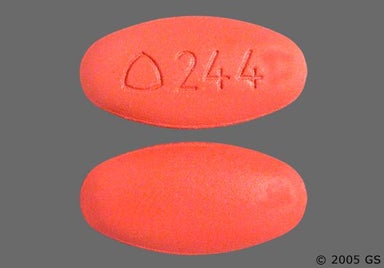
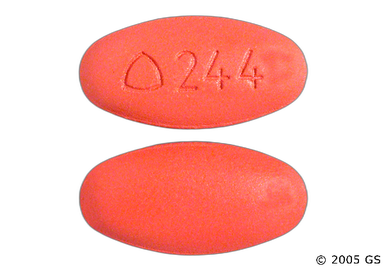
Trandolapril/verapamil images