Key takeaways:
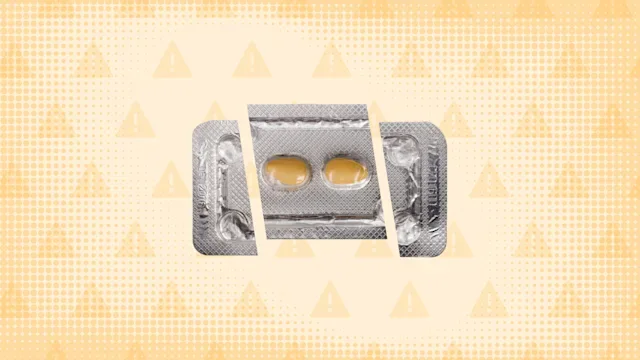
Cialis (tadalafil) is an oral medication that treats erectile dysfunction (ED). One dose of Cialis lasts longer than a dose of Viagra (sildenafil).
You can take Cialis when you need it, typically 30 minutes before sex. If that doesn’t work for you, another option is to take a lower-dose pill every day. Your prescriber will tell you how often you should take it.
Cialis is widely available as a lower-cost generic. You can find it for as low as $18.90 at certain pharmacies with a free GoodRx discount. And with GoodRx for ED, you can get generic Cialis delivered directly to your door starting at $21 per month.
Save on related medications

When it comes to medications for erectile dysfunction (ED), Cialis (tadalafil) is a popular treatment option. Just like its well-known cousin Viagra (sildenafil), it comes as a tablet you take by mouth. But it lasts longer compared to other ED treatments.
Here are seven pharmacist-backed tips for how to take Cialis. Plus, learn how it works, how long it lasts, and potential side effects.
1. Cialis works by increasing blood flow
Like Viagra, Cialis is a phosphodiesterase 5 (PDE5) inhibitor. It helps relax certain muscles and arteries inside the penis. When you’re sexually aroused, this increases blood flow to the penis and helps it fill with blood, leading to an erection.
Search and compare options
ED often happens when there isn’t enough blood flow to the penis, making it difficult to get or maintain an erection. This can be a result of a medical problem, stress, medication side effect, or some other factor. Your prescriber can help determine the cause and whether ED medication might be right for you.
Good to know: Cialis only works if you’re sexually aroused. If you’re not aroused, you won’t be able to get an erection.
2. Cialis starts to work in about 30 minutes
So, how long does Cialis take to work? People typically feel the effects of Cialis within 30 minutes. So it’s recommended to take Cialis at least 30 minutes before sex. But know that it can take up to 2 hours for the full effects to kick in.
But keep in mind that if you’re taking Cialis every day, it’s already working in the background. This allows for more spontaneous sexual activity, without any wait time.
3. You can take Cialis with or without food
Cialis isn’t affected by food. This means you can take Cialis with or without food — it won’t affect how fast it works. Viagra, on the other hand, can take longer to work if you take it with fatty foods.
But you should avoid taking Cialis with grapefruit juice or alcohol. These combinations can cause a drop in your blood pressure, which can lead to dizziness or falls.
4. Cialis can last for up to 36 hours
The effects of Cialis last longer than the effects of Viagra. Cialis can last up to 36 hours. Viagra usually lasts for up to 5 hours.
But that doesn’t mean every time you take Cialis, you’ll have an erection lasting a full day and a half. It just means that Cialis can help you achieve an erection when you’re aroused throughout those 36 hours. This can allow for more spontaneous sexual activity, and is one reason some people prefer Cialis over other ED medications.
If your erection ever lasts longer than 4 hours, it’s considered a medical emergency — even if it isn’t painful. Call 911 or go to the nearest ER if you experience a prolonged erection.
5. Follow safe, recommended Cialis doses
There are two ways to take Cialis for ED:
As-needed use: Take a higher-dose tablet on an as-needed basis — at least 30 minutes before you plan to have sex.
Daily use: Take a lower-dose tablet at the same time every day, even if you don’t plan on having sex that day.
The 10 mg tablet is usually recommended for as-needed use. But some people may find that a lower (5 mg) or higher (20 mg) dose works better for them.
The 2.5 mg and 5 mg tablets are more commonly used for daily, scheduled doses. One of the benefits of taking Cialis every day is that it provides continuous medication levels. This removes the need to plan sexual activity around medication timing.
According to several studies, there’s no difference in how well Cialis works or side effects between these two methods. However, daily Cialis isn’t recommended if you have severe kidney problems.
Taking a higher dose than prescribed or more than one Cialis per day won’t make it work faster or more effectively. But it can increase the risk of side effects. If taking Cialis as needed isn’t working well for you, talk to your prescriber about taking it daily instead. If daily Cialis isn’t effective, a different ED medication may be a better fit for your needs.
Keep in mind: With both methods, know that finding the right dosage might take some trial and error. Make sure to tell your prescriber if your Cialis dose isn’t working well for you or if you’re having side effects. Your prescriber may adjust your dose or switch you to a different ED medication altogether.
6. Cialis can cause low blood pressure when taken with other medications
One of Cialis’ side effects is low blood pressure. So combining Cialis with high blood pressure medications can make your blood pressure drop too low.
This is especially true when Cialis is paired with a nitrate medication. You should avoid this combination since it has a high risk of causing dangerously low blood pressure. Some examples of nitrates include:
Nitroglycerin (Nitrostat)
Isosorbide mononitrate (Monoket)
Isosorbide dinitrate (Isordil)
Other medications and foods can also interact with Cialis. They may lead to additional side effects. These include:
Alpha blockers such as tamsulosin (Flomax)
Riociguat (Adempas)
Oral antifungal medications such as ketoconazole
Antibiotics such as erythromycin (Ery-Tab)
Other PDE5 inhibitors (like Viagra)
It’s always a good idea for your pharmacist and all prescribers to have an up-to-date list of all the medications and supplements you take. That way, they can minimize any interactions.
7. There are ways to manage Cialis side effects
Some of the more common Cialis side effects include:
Headache
Indigestion
Back pain
Muscle pain
Nasal congestion
Side effects can slightly differ if you’re taking Cialis daily. In addition to what’s mentioned above, these side effects are more likely to occur with daily use:
Upper respiratory tract infections, such as the common cold
Diarrhea
Cough
Acid reflux
Abdominal pain
These side effects are usually mild and go away on their own. But if they don’t, you can usually treat them at home. For example, headaches can often be managed by drinking more water or taking an over-the-counter (OTC) pain reliever, such as acetaminophen (Tylenol). For indigestion and acid reflux, OTC antacids like Tums (calcium carbonate) can help.
If these side effects are still bothering you despite your best efforts to treat them, talk to your prescriber. They might lower your dose or explore other options for treating your ED.
Rare but serious side effects of Cialis may include:
Priapism (erection lasting longer than 4 hours)
Sudden hearing loss
Sudden vision loss
If any of these happen to you, stop taking Cialis and go to the nearest ER right away.
How to save on the cost of Cialis
There are ways to save on Cialis, which is available as both a generic- and brand-name medication.
Save with GoodRx: GoodRx can help you save over 80% off the average retail price of the generic version. Generic Cialis’ price at certain pharmacies is as low as $18.90 for 30 tablets with a free GoodRx discount. An equivalent dose of the brand-name product may cost as little as $292.93 with a free GoodRx discount.
Save with GoodRx for ED: Get generic Cialis delivered directly to your door starting at $21 per month.
Save with GoodRx Companion: You can access discounted prescription medications with a GoodRx Companion subscription. Over 250 medications (including some forms of tadalafil) are available for free, with hundreds more under $10. The program also includes benefits to help you cut your self-pay costs, such as lower prices for online care visits, discounts on dental care, and other health services.
Save with a patient assistance program: If you’re uninsured or underinsured, you may be eligible for Cialis’ patient assistance program, which offers the medication free of charge.
Frequently asked questions
It’s not recommended to take multiple ED medications together, including Viagra and Cialis. Taking them together could increase the risk of side effects. Talk with a healthcare professional to figure out the best ED treatment(s) for you.
No, there isn’t a way to completely flush Cialis out of your system. The best thing to do is wait for your body to clear it out naturally. If you take more Cialis than prescribed, call your healthcare team or contact Poison Control at 1-800-222-1222. If taking Cialis results in an erection that lasts longer than 4 hours, you should seek emergency care.
No, Cialis doesn’t make you last longer. If you’re climaxing earlier than you’d like during sex (premature ejaculation), Cialis won’t make a difference. However, other treatments can help. You can practice delaying orgasm by using the start-stop technique or the squeeze technique. Certain antidepressants, such as sertraline (Zoloft), can also prolong time before ejaculation. But this is an off-label use, meaning it’s not FDA-approved.
It’s not recommended to take multiple ED medications together, including Viagra and Cialis. Taking them together could increase the risk of side effects. Talk with a healthcare professional to figure out the best ED treatment(s) for you.
No, there isn’t a way to completely flush Cialis out of your system. The best thing to do is wait for your body to clear it out naturally. If you take more Cialis than prescribed, call your healthcare team or contact Poison Control at 1-800-222-1222. If taking Cialis results in an erection that lasts longer than 4 hours, you should seek emergency care.
No, Cialis doesn’t make you last longer. If you’re climaxing earlier than you’d like during sex (premature ejaculation), Cialis won’t make a difference. However, other treatments can help. You can practice delaying orgasm by using the start-stop technique or the squeeze technique. Certain antidepressants, such as sertraline (Zoloft), can also prolong time before ejaculation. But this is an off-label use, meaning it’s not FDA-approved.
The bottom line
Cialis (tadalafil) is a prescription medication for erectile dysfunction (ED). If you take Cialis as needed, it usually starts working within 30 minutes but can take up to 2 hours to fully set in. The effects of Cialis can last for up to 36 hours — longer than most other ED medications. Taking Cialis daily keeps levels consistent in the body, so there’s no wait period before sexual activity.
Be sure to follow your recommended Cialis dosage, whether you’re taking it every day or as needed. You can take Cialis with or without food, but avoid combining it with grapefruit or alcohol. As with any medication, Cialis can also cause side effects, including headaches and indigestion. It can also interact with other medications you may be taking. Your prescriber can tell you more about how to take Cialis.

Why trust our experts?




References
Lilly Cares Foundation. (n.d.). Available medications.
Peng, Z., et al. (2017). Efficacy and safety of tadalafil once-a-day versus tadalafil on-demand in patients with erectile dysfunction: A systematic review and meta-analyses. Urologia Internationalis.
PubChem. (n.d.). Tadalafil. National Library of Medicine.