


7 Suprax Side Effects You Should Know About
Suprax is an antibiotic that can treat a variety of bacterial infections. Suprax side effects include diarrhea, nausea, and stomach pain
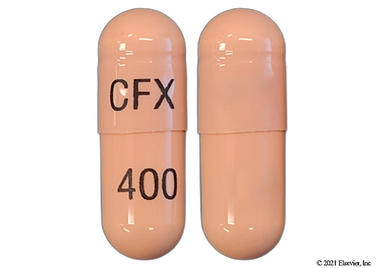
Cefixime (Suprax) is a cephalosporin antibiotic that treats many types of bacterial infections, but it tends to cause diarrhea and stomach upset, and is more expensive than other similar antibiotics.

Cefixime (Suprax) is a cephalosporin antibiotic. It kills bacteria by preventing them from making their own protective covering.
| Common Brands | Suprax |
|---|---|
| Drug Class | Cephalosporin antibiotic |
| Controlled Substance Classification | Not a controlled medication |
| Generic Status | Lower-cost generic available |
| Availability | Prescription only |

The following side effects may get better over time as your body gets used to the medication. Let your healthcare provider know immediately if you continue to experience these symptoms or if they worsen over time.
Contact your healthcare provider immediately if you experience any of the following.
Along with its needed effects, a medicine may cause some unwanted effects. Although not all of these side effects may occur, if they do occur they may need medical attention.
Check with your doctor immediately if any of the following side effects occur:
Less common
Abdominal or stomach pain
agitation
black, tarry stools
bleeding gums
blistering, peeling, or loosening of the skin
blood in the urine or stools
chills
clay-colored stools
coma
confusion
dark urine
decreased urine output
difficulty with swallowing
dizziness
fast heartbeat
feeling of discomfort
general tiredness and weakness
headache
hostility
inflammation of the joints
irritability
joint or muscle pain
large, hive-like swelling on the face, eyelids, lips, tongue, throat, hands, legs, feet, or sex organs
lethargy
light-colored stools
loss of appetite
lower back or side pain
muscle aches
muscle twitching
painful or difficult urination
pale skin
pinpoint red spots on the skin
puffiness or swelling of the eyelids or around the eyes, face, lips, or tongue
rapid weight gain
red skin lesions, often with a purple center
red, irritated eyes
seizures
sores, ulcers, or white spots on the lips or in the mouth
stupor
swelling of the face, ankles, or hands
swollen glands
swollen lymph glands
tightness in the chest
unpleasant breath odor
unusual bleeding or bruising
unusual tiredness or weakness
upper right abdominal or stomach pain
vomiting of blood
yellow eyes or skin
Incidence not known
Abdominal or stomach cramps or tenderness
back, leg, or stomach pains
cough or hoarseness
coughing up blood
diarrhea, watery and severe, which may also be bloody
general body swelling
increased menstrual flow or vaginal bleeding
increased thirst
nosebleeds
paralysis
prolonged bleeding from cuts
red or black, tarry stools
red or dark brown urine
sudden decrease in the amount of urine
unpleasant breath odor
unusual weight loss
Some side effects may occur that usually do not need medical attention. These side effects may go away during treatment as your body adjusts to the medicine. Also, your health care professional may be able to tell you about ways to prevent or reduce some of these side effects. Check with your health care professional if any of the following side effects continue or are bothersome or if you have any questions about them:
Less common
Acid or sour stomach
belching
bloated
excess air or gas in the stomach or intestines
full feeling
hives or welts
indigestion
itching of the vagina or genital area itching or pain of the genital area
pain during sexual intercourse
passing gas
redness of the skin
stomach discomfort, upset, or pain
thick, white vaginal discharge with no odor or with a mild odor
white patches in the mouth or throat or on the tongue
white patches with diaper rash
Other side effects not listed may also occur in some patients. If you notice any other effects, check with your healthcare professional.
Call your doctor for medical advice about side effects. You may report side effects to the FDA at 1-800-FDA-1088.




Cefixime (Suprax) can cause some serious health issues. This risk may be even higher for certain groups. If this worries you, talk to your doctor or pharmacist about other options.
If you've had an allergic reaction from taking penicillin-type or cephalosporin antibiotics, such as trouble breathing, or swelling in your face and neck, let your provider know before taking this. Cefixime (Suprax) may not be right for you and your provider may prescribe another antibiotic. If you experience those allergy symptoms after starting on cefixime (Suprax), seek medical attention immediately.
In rare cases, taking antibiotics like cefixime (Suprax) can increase your chance of getting a serious bacterial infection that causes severe diarrhea. This can happen up to 2 months after you finish taking antibiotics. If you develop severe diarrhea with watery stools after you finish the medication, talk to your provider.
Your body removes cefixime (Suprax) through the kidneys. If your kidneys are not working well, or if you are on dialysis, you are more likely to have a build-up of cefixime (Suprax) in your body. Too much cefixime (Suprax) in the body can cause more side effects and other problems. Your provider or pharmacist will determine the right dose for you based on your kidney labs.
Although rare, cefixime (Suprax) can affect your body's ability to stop bleeding. Let your provider know if you're on blood thinners, since they might have to change your dose while you're taking cefixime (Suprax). Talk to your provider or go to the emergency room right away if you notice unusual bleeding, or cuts that take a very long time to heal.
You should only take cefixime (Suprax) for bacterial infections. Using cefixime (Suprax) or other antibiotics when they are not necessary can lead to drug-resistant bacteria, which are much harder to treat.
The chewable tablet form of cefixime (Suprax) contains phenylalanine. Eating too much phenylalanine can be dangerous for people who have PKU. Talk to your provider about whether it is safe for you or your child to take cefixime (Suprax) chewable tabs.

 Bottle of oral suspension
| Dosage | Quantity | Price as low as | Price per unit |
|---|---|---|---|
| 50ml of 100mg/5ml | 1 bottle | $56.35 | $56.35 |
| 50ml of 200mg/5ml | 1 bottle | $105.50 | $105.50 |
| 75ml of 200mg/5ml | 1 bottle | $156.00 | $156.00 |
 Capsule
| Dosage | Quantity | Price as low as | Price per unit |
|---|---|---|---|
| 400mg | 2 capsules | $22.13 | $11.07 |
 Tablet
| Dosage | Quantity | Price as low as | Price per unit |
|---|---|---|---|
| 400mg | 2 tablets | $55.14 | $27.57 |

Although certain medicines should not be used together at all, in other cases two different medicines may be used together even if an interaction might occur. In these cases, your doctor may want to change the dose, or other precautions may be necessary. When you are taking this medicine, it is especially important that your healthcare professional know if you are taking any of the medicines listed below. The following interactions have been selected on the basis of their potential significance and are not necessarily all-inclusive.
Using this medicine with any of the following medicines is usually not recommended, but may be required in some cases. If both medicines are prescribed together, your doctor may change the dose or how often you use one or both of the medicines.







Prescription savings
Stop paying too much for your prescriptions. Compare prices, get pharmacy coupons, and save up to 80%.Resources
About GoodRx
 Find expert answers to your health questions so you can make the best decisions for yourself and your family.
Health conditions
Medications & treatment
Access & affordability
Well-being
Medication discounts

Cefixime is used to treat various types of infections. Compared to other cephalosporin antibiotics, it can sometimes work better against certain resistant bacteria. There are other antibiotics that can treat more types of infections, or more serious infections. Keep in mind that "stronger" antibiotics are not always the best choice. Your provider will choose the antibiotic that is best for you.
Cefixime can be used to treat uncomplicated urinary tract infections (UTI), since it works against some of the bacteria that commonly cause these infections. Let your provider know if you don't start to feel better within 1 or 2 days, since that could be an indication that your infection is due to resistant bacteria, or that there is some other problem going on. Cefixime is not the best medication for people with complicated UTI's. A UTI is considered to be complicated for various reasons, including if someone is male, pregnant, or has a weak immune system.
Amoxicillin and Cefixime are often used to treat similar types of infections. Both are good antibiotics when used for the right scenario, but there are some types of infections where one may be better. For example, amoxicillin doesn't treat gonorrhea, and Cefixime won't work for a H. pylori stomach infection. Your provider will determine which antibiotic is best for you based on your specific infection and medical history.
People with kidney problems can take Cefixime. Depending on their level of kidney function, they may need to take a lower dose than usual to avoid build-up of the antibiotic in the body. Rarely, Cefixime may cause kidney problems including renal failure.
Cefixime does not contain penicillin. It is a cephalosporin, which is a class of antibiotics that are like cousins to penicillin. The molecule structures have some similarities, and they both kill bacteria by preventing them from making their own protective covering.
