sumatriptan
Sumatriptan (Imitrex) is used to treat migraines with or without aura in adults. The medication is typically taken as a single dose for your migraine. But, it's possible that you can take it again 2 hours after the first dose if your migraine doesn't go away. Side effects of sumatriptan (Imitrex) include tingling or numbness of fingers or toes, feeling too warm or too cold, and fatigue. It can interact with antidepressants and other similar migraine medications. Sumatriptan (Imitrex) is available as a lower-cost generic tablet.


What is Sumatriptan (Imitrex)?
What is Sumatriptan (Imitrex) used for?
- Treatment of migraine attacks with or without aura in adults
How Sumatriptan (Imitrex) works
Sumatriptan (Imitrex) is a triptan. It works by attaching to and turning on serotonin receptors in the blood vessels and nerves in your brain. This causes the blood vessels to tighten as well as lower the release of proteins that cause inflammation and pain. This is thought to help relieve migraines.
Drug facts

Side effects of Sumatriptan (Imitrex)
The following side effects may get better over time as your body gets used to the medication. Let your healthcare provider know immediately if you continue to experience these symptoms or if they worsen over time.
Common Side Effects
Less Common Side Effects
- Chest pain, tightness, pressure, or heaviness
- Pain, tightness, or pressure in the neck, throat, or jaw
Sumatriptan (Imitrex) serious side effects
Contact your healthcare provider immediately if you experience any of the following.
- Heart problems: heart attack, dangerously high blood pressure, severe headache, chest pain, trouble breathing, irregular heartbeat
- Stroke: sudden weakness on one side of your body, headache, changes in your speech or vision, confusion
- Serotonin syndrome: fast heart rate, dizziness, sweating, flushing, tremor (shakiness), muscle stiffness or twitching, uncoordinated movement, hallucinations
- Allergic reaction: rash or hives, swelling of face or throat, trouble breathing
- Narrowing of blood vessels in the body: bloody diarrhea; severe stomach pain; partial or permanent blindness; tightness, weakness, numbness of legs or feet
- Seizures
More on Sumatriptan (Imitrex) side effects
The following Sumatriptan (Imitrex) side effects have also been reported
Along with its needed effects, a medicine may cause some unwanted effects. Although not all of these side effects may occur, if they do occur they may need medical attention.
Check with your doctor immediately if any of the following side effects occur:
Less common
Abdominal or stomach pain
blurred vision
changes in patterns and rhythms of speech
chest pain or tightness
chills
confusion
dizziness
fast, slow, irregular, pounding, or racing heartbeat or pulse
headache
muscle cramps and stiffness
neck, throat, or jaw pain
nightmares
shivering
sweating
swelling of the fingers, hands, feet, or lower legs
tightness in the chest
trouble breathing
Rare
Blindness
chest pain or discomfort
chest tightness or heaviness
flushing or redness of the skin, especially on the face and neck
increased blinking or spasms of the eyelid
itching, pain, redness, or swelling
lightheadedness, dizziness, or fainting
nerve pain
severe numbness, especially on one side of the face or body
severe or continuing stomach pain
trouble speaking or swallowing
twitching
unusual bleeding or bruising
vomiting of blood or material that looks like coffee grounds
weakness of the arms and legs
Incidence not known
Agitation
back, leg, or stomach pains
bleeding gums
changes in vision
muscle twitching
pinpoint red spots on the skin
poor coordination
puffiness or swelling of the eyelids or around the eyes, face, lips, or tongue
restlessness
unexplained bleeding or bruising
unusually warm skin
weakness in the arm or leg on one side of the body, sudden and severe
Some side effects may occur that usually do not need medical attention. These side effects may go away during treatment as your body adjusts to the medicine. Also, your health care professional may be able to tell you about ways to prevent or reduce some of these side effects. Check with your health care professional if any of the following side effects continue or are bothersome or if you have any questions about them:
Less common
Burning, crawling, itching, numbness, prickling, "pins and needles", or tingling feelings
change in color vision
change in hearing
difficulty with concentrating
drowsiness
increased sensitivity of the eyes to sunlight
joint pain
muscle aching or cramping
muscle stiffness or tightness
swollen joints
trouble sleeping
Other side effects not listed may also occur in some patients. If you notice any other effects, check with your healthcare professional.
Call your doctor for medical advice about side effects. You may report side effects to the FDA at 1-800-FDA-1088.

Get your GoodRx coupon

Pros and cons of Sumatriptan (Imitrex)
Pros
- First-choice option for treating migraines
- Can take with commonly used over-the-counter pain relievers like acetaminophen (Tylenol)
- Can start relieving migraine headaches within 30 minutes to 2 hours
- Available as a lower-cost generic
Cons
- Can't use to prevent migraines
- Must wait at least 2 hours after the first dose to take a second dose, if needed
- Your migraines can get worse if you use this medication too often.
- Unknown if it's safe or if it works well in children

Pharmacist tips for Sumatriptan (Imitrex)

- You can take sumatriptan (Imitrex) with or without food. If it's hurting your stomach, try taking it with food to help.
- If you didn't get any migraine relief from your first dose of sumatriptan (Imitrex), don't take a second dose of medication without asking your provider first. It could mean that your headache isn't migraine-related and that it's caused by another condition.
- Sumatriptan (Imitrex) can sometimes make you feel sleepy or dizzy. Don't drive or do anything that requires a lot of attention until you know how this medication affects you.
- You might have a feeling of tightness, pressure, or pain in the chest, throat, jaw, or neck after taking sumatriptan (Imitrex). It typically doesn't last for long and will go away. However, these symptoms are very similar to symptoms of a heart attack or heart problems. If you notice that these symptoms are worsening or don't go away, get medical help right away.
- If you're having more than four migraines per month, let your healthcare provider know. It's not known whether it's safe to take sumatriptan (Imitrex) that often. If you have frequent migraines, you'll need to consider different medication options to help with your symptoms. In general, taking migraine medications for more than 9 days out of a month can lead to rebound headaches (also called medication-overuse headaches).
- Sumatriptan (Imitrex) interacts with many medications. These interactions can lead to dangerous side effects. Make sure to let your provider and pharmacist know about all the medications you're taking (including vitamins and supplements) before starting sumatriptan (Imitrex) so that they can help you check for interactions. If there are many interactions, your provider might even switch you to a different migraine medication.

Common questions about Sumatriptan (Imitrex)
It's generally considered safe to take sumatriptan (Imitrex) with acetaminophen (Tylenol) or nonsteroidal anti-inflammatory drugs (NSAIDs) like ibuprofen (Advil, Motrin). Sumatriptan (Imitrex), acetaminophen (Tylenol), and NSAIDs work completely differently to relieve migraines and don't appear to interact with each other. Taking sumatriptan (Imitrex) with acetaminophen (Tylenol) or ibuprofen (Advil, Motrin) can potentially work even better to relieve migraines than taking any of these medications alone. But, keep in mind that these other pain relievers also have their own risks (e.g., liver risks, heart risks, kidney problems). Before using other pain medications with sumatriptan (Imitrex), speak with your healthcare provider to make sure it's safe for you to do so.
There are a few medications that you shouldn't take with sumatriptan (Imitrex). This is because certain drug interactions with sumatriptan (Imitrex) can be harmful. Don't take ergot-derivative medications, like dihydroergotamine (Migranal), and other triptans within 24 hours of sumatriptan (Imitrex). This combination can cause your blood vessels to become dangerously narrow, raise your blood pressure too much, and raise your risk of heart attack or stroke. Additionally, you shouldn't take sumatriptan (Imitrex) with certain antidepressants because of the risk of serotonin syndrome. Tell your provider and pharmacist about all the medications and over-the-counter products you're taking or planning to take. They can help check for interactions and make sure your medications are safe to take with sumatriptan (Imitrex).
You can take two doses of sumatriptan (Imitrex) within a 24-hour period to help treat a migraine. If you need to take two doses, make sure they're separated by at least 2 hours. In addition, only take sumatriptan (Imitrex) for up to 4 migraines in a 30-day period because it's not known how safe it is to take the medication too many times. If you're still having a migraine after taking two doses of sumatriptan (Imitrex) in a day or have already used the medication for 4 migraines in a month, speak to your provider about other treatment options to help. But, keep in mind that using migraine medications for 10 or more days per month can cause your headaches to come back and possibly be worse (rebound or medication-overuse headaches).
After you take a dose of sumatriptan (Imitrex), it can take about 10 hours for the medication to leave your body. Keep in mind that this time frame is estimated based on the half-life of sumatriptan (Imitrex). How long the medication stays in your body can be affected by your health conditions, so it might be different for each individual person. Discuss with your provider if you have questions about how long the medication stays in your body.
It's possible for sumatriptan (Imitrex) to make you sleepy, but it doesn't appear to be a common side effect. Only about 2% to 3% of people taking sumatriptan (Imitrex) reported feeling tired or fatigue as a side effect in clinical studies. Before driving or performing activities where you need to be alert, wait and see how this medication affects you.
Sumatriptan (Imitrex) can start to relieve pain and other migraine symptoms within 30 minutes to 2 hours. If you feel that a dose of sumatriptan (Imitrex) isn't enough to relieve your migraine symptoms, speak to your provider about your options.
Talk to your provider about using sumatriptan (Imitrex) if you're pregnant. It isn't completely clear how safe sumatriptan (Imitrex) is during pregnancy. Data from a pregnancy exposure registry and a medical birth registry didn't show a clear link between sumatriptan (Imitrex) and harm to babies. However, animal studies show babies were harmed when born to mothers exposed to sumatriptan (Imitrex). To be safe, it's best to always discuss the risks and benefits of using sumatriptan (Imitrex) during pregnancy with your provider.
Based on available data, sumatriptan (Imitrex) isn't expected to cause side effects in breastfed babies or affect breast milk production. But, the manufacturer of sumatriptan (Imitrex) recommends avoiding breastfeeding for at least 12 hours after taking a dose of the medication. Ask your provider if using sumatriptan (Imitrex) while breastfeeding is a safe option for you and your baby.

How to save using GoodRx



Risks and warnings for Sumatriptan (Imitrex)
Sumatriptan (Imitrex) can cause some serious health issues. This risk may be even higher for certain groups. If this worries you, talk to your doctor or pharmacist about other options.
Heart problems and high blood pressure
- Risk factors: History of heart problems | Age older than 65 | Diabetes | Obesity | High blood pressure | Smoking tobacco | Family history of heart disease
Although rare, some people have reported serious heart problems, such as heart attack and heart rhythm problems, within a few hours after taking sumatriptan (Imitrex). In addition, sumatriptan (Imitrex) can raise your blood pressure, rarely to dangerously high levels. If you have a history of heart problems, talk to your provider first to make sure sumatriptan (Imitrex) is as safe for you as possible. Make sure to check your blood pressure periodically while you're taking sumatriptan (Imitrex), and let your provider know if it's higher than usual. Get emergency help right away if you experience a heart attack, severe headache, chest pain, or irregular heartbeat.
Stroke or other brain injury
Some people who've taken triptans like sumatriptan (Imitrex) have experienced life-threatening strokes or bleeding in the brain. Symptoms of such brain injury include sudden weakness on one side of the body, bad headaches, drooping face, trouble breathing, or changes in your speech or vision. These symptoms can be similar to migraine symptoms, so strokes can be mistaken for a migraine. To lower the risk of making this mistake, it's important that you're properly diagnosed with migraines before you start sumatriptan (Imitrex). In addition, people who've had strokes before shouldn't take sumatriptan (Imitrex). If you notice symptoms of a stroke, stop taking sumatriptan (Imitrex) and get medical help as soon as possible, especially if you haven't had a migraine before.
Extreme narrowing of blood vessels
Sumatriptan (Imitrex) can cause extreme narrowing of your blood vessels in certain parts of your body. This can lead to serious stomach problems (e.g., stomach pain, bloody diarrhea), vision problems, and changes in sensation in your hands and feet. It can also lead to color changes in your hands and feet (can turn pale or reddish depending on how much blood is flowing through). If you notice these symptoms after taking sumatriptan (Imitrex), don't take any more medication until you see a provider so they can check out what's going on.
Serotonin syndrome
- Risk factors: Taking other medications that raise serotonin levels in your brain
Some people taking sumatriptan (Imitrex) have developed a rare, but potentially life-threatening condition called serotonin syndrome. This condition happens where there's too much serotonin in the brain. Your risk for serotonin syndrome goes up if you use sumatriptan (Imitrex) with other medications that can raise your serotonin levels, such as certain antidepressants, mental health medications, pain medications, and migraine medications.
Let your provider know about all the medications you take before starting sumatriptan (Imitrex), as well as any medications you plan to take. Symptoms of serotonin syndrome include fast heart rate, sweating, muscle stiffness or spasms, fever, and confusion. Get medical help right away if you have any of these symptoms.
Allergic reactions
Allergic reactions to sumatriptan (Imitrex) are possible, including life-threatening reactions like facial swelling, shock, and anaphylaxis (closing of the throat). If you notice dizziness, difficulty breathing, a choking sensation, nausea, swelling around your eyes, or swelling of the lips or tongue after using sumatriptan (Imitrex), get medical attention as soon as possible.
Seizures
- Risk factors: History of seizures or epilepsy
Some people have had seizures after taking sumatriptan (Imitrex). This has happened in people who have a history of seizures, but can also happen in people who've never had them as well. Get medical help right away if you have a seizure while taking sumatriptan (Imitrex).

Sumatriptan (Imitrex) dosage
 Dose pack
| Dosage | Quantity | Price as low as | Price per unit |
|---|---|---|---|
| 9 tablets of 25mg | 1 dose pack | $12.21 | $12.21 |
| 9 tablets of 50mg | 1 dose pack | $12.63 | $12.63 |
| 9 tablets of 100mg | 1 dose pack | $13.77 | $13.77 |
| 27 tablets of 25mg | 1 dose pack | $17.44 | $17.44 |
| 27 tablets of 50mg | 1 dose pack | $18.70 | $18.70 |
| 27 tablets of 100mg | 1 dose pack | $22.11 | $22.11 |
Typical dosage for Sumatriptan (Imitrex)
The typical dose is 25 mg, 50 mg, or 100 mg by mouth for one single dose as soon as you get a migraine. If your migraine doesn't go away or comes back after some improvement, you can take a second dose at least 2 hours after your first dose.
Don't take more than 200 mg in a 24-hour period.
Your dose might differ if you have liver problems.
More on Sumatriptan (Imitrex) dosage


Interactions between Sumatriptan (Imitrex) and other drugs
More on Sumatriptan (Imitrex) interactions

Although certain medicines should not be used together at all, in other cases two different medicines may be used together even if an interaction might occur. In these cases, your doctor may want to change the dose, or other precautions may be necessary. When you are taking this medicine, it is especially important that your healthcare professional know if you are taking any of the medicines listed below. The following interactions have been selected on the basis of their potential significance and are not necessarily all-inclusive.
Using this medicine with any of the following medicines is not recommended. Your doctor may decide not to treat you with this medication or change some of the other medicines you take.
- Almotriptan
- Bromocriptine
- Dihydroergotamine
- Eletriptan
- Ergoloid Mesylates
- Ergonovine
- Ergotamine
- Frovatriptan
- Furazolidone
- Iproniazid
- Isocarboxazid
- Linezolid
- Methylene Blue
- Methylergonovine
- Methysergide
- Moclobemide
- Naratriptan
- Nialamide
- Phenelzine
- Procarbazine
- Rasagiline
- Rizatriptan
- Safinamide
- Selegiline
- Tranylcypromine
- Zolmitriptan
Using this medicine with any of the following medicines is usually not recommended, but may be required in some cases. If both medicines are prescribed together, your doctor may change the dose or how often you use one or both of the medicines.
- Alfentanil
- Amineptine
- Amitriptyline
- Amitriptylinoxide
- Amoxapine
- Amphetamine
- Benzhydrocodone
- Benzphetamine
- Buprenorphine
- Butorphanol
- Citalopram
- Clomipramine
- Codeine
- Desipramine
- Desvenlafaxine
- Dexfenfluramine
- Dextroamphetamine
- Dibenzepin
- Dihydrocodeine
- Dolasetron
- Doxepin
- Duloxetine
- Escitalopram
- Fenfluramine
- Fentanyl
- Fluoxetine
- Fluvoxamine
- Granisetron
- Hydrocodone
- Hydromorphone
- Imipramine
- Lasmiditan
- Levomilnacipran
- Levorphanol
- Lisdexamfetamine
- Lithium
- Lofepramine
- Lorcaserin
- Melitracen
- Meperidine
- Metaxalone
- Methamphetamine
- Milnacipran
- Mirtazapine
- Morphine
- Morphine Sulfate Liposome
- Nalbuphine
- Nefazodone
- Nortriptyline
- Ondansetron
- Opipramol
- Oxycodone
- Oxymorphone
- Palonosetron
- Paroxetine
- Pentazocine
- Protriptyline
- Reboxetine
- Remifentanil
- Sertraline
- Sibutramine
- St John's Wort
- Sufentanil
- Tapentadol
- Tianeptine
- Tramadol
- Trazodone
- Trimipramine
- Venlafaxine
- Vilazodone
- Vortioxetine
- Ziprasidone

How much does Sumatriptan (Imitrex) cost?

Sumatriptan (Imitrex) contraindications
Contraindications are specific health conditions or situations in which a person should not take a medication due to safety concerns. If you have any of the following conditions or if any of the following apply to you, let your healthcare provider know because Sumatriptan (Imitrex) will not be safe for you to take.
- Coronary artery disease
- Certain conditions that cause an irregular heart rhythm (arrhythmias)
- History of stroke or transient ischemic attack ("mini-stroke")
- History of hemiplegic or basilar migraines (because of higher risk of stroke)
- Peripheral vascular disease
- Ischemic bowel disease
- Uncontrolled high blood pressure
- Use of ergot-containing or ergot-type medications like dihydroergotamine (Migranal) or other triptans in the last 24 hours
- Currently take or have taken a monoamine oxidase inhibitor (MAOI), such as selegiline, in the last 14 days
- Severe liver problems

What are alternatives to Sumatriptan (Imitrex)?

News about Sumatriptan (Imitrex)









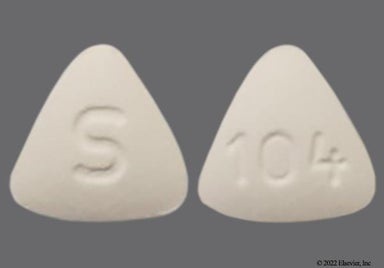
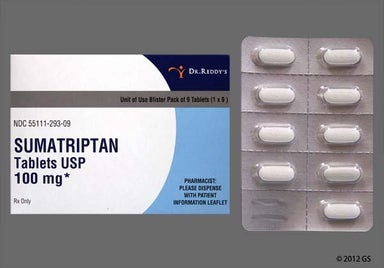
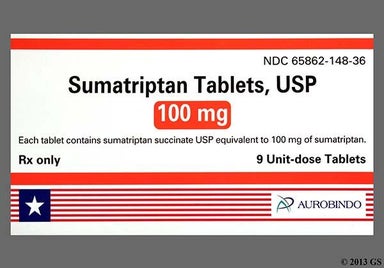
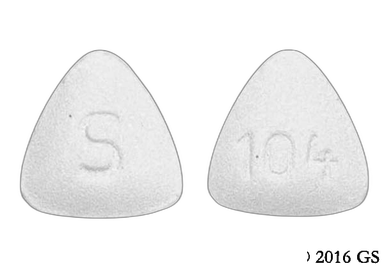
Sumatriptan (Imitrex) images