

What to Do Before and After Spravato Treatment: 8 Tips for Using Spravato Safely
Spravato is an antidepressant nasal spray administered in a healthcare setting. Learn how Spravato treatment works, how to care for yourself after, and more tips.
Spravato (esketamine) is used for adults with treatment-resistant depression (TRD). It also treats adults who have depression with suicidal thoughts or behavior. As an NMDA antagonist, it works in the brain to regulate mood. Spravato (esketamine) is a nasal spray that you must use at a treatment center. At first, you take it twice a week for 4 weeks. After that, people with treatment-resistant depression can take it once a week. Side effects include feeling sleepy and dissociated (disconnected from your thoughts or feelings). Side effects can be serious, so you must join the Spravato REMS program to get treatment.

Spravato (esketamine) is an N-methyl-D-aspartate (NMDA) receptor antagonist. It's not exactly known how the medication works to help with depression. But researchers think it works in the brain to balance the chemicals and signaling pathways that regulate mood.
| Common Brands | Spravato |
|---|---|
| Drug Class | NMDA receptor antagonist |
| Controlled Substance Classification | Schedule III |
| Generic Status | No lower-cost generic available |
| Availability | Prescription only |

Spravato (esketamine) can cause some serious health issues. This risk may be even higher for certain groups. If this worries you, talk to your doctor or pharmacist about other options.
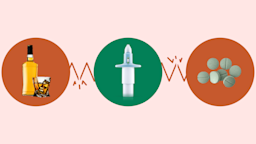
 Spravato (esketamine) can make you very sleepy, which can make it hard for you to focus, think, or react. The medication can also slow your breathing down a lot, which can be dangerous. These side effects can be worse if you drink alcohol or take other medications that make you sleepy or slow your body down.
 In addition, Spravato (esketamine) can cause dissociation. This is when you feel disconnected with your thoughts, feelings, and sense of self. You can also feel unaware of your surroundings or lose your sense of time.
To monitor for these risks, your care team will keep an eye on you at the treatment center for at least 2 hours after each Spravato (esketamine) dose. They'll make sure it's safe for you to leave. Have someone pick you up from the treatment center. You shouldn't drive or do anything requiring concentration until the next day after a good night's rest.
Spravato (esketamine) is a schedule 3 controlled substance because it can be misused or cause dependence. These risks can be serious and even life-threatening. Your prescriber will check in with your often to make sure you're using the medication safely.
Spravato (esketamine) has a risk of serious side effects. It can make you sleepy, feel dissociated from reality, and have very slowed breathing. This medication also has a potential risk for misuse. These risks can be very dangerous.
Because of these risks, the FDA requires Spravato (esketamine) to be given through the Spravato REMS program. You, your prescriber, and the pharmacy that provides Spravato (esketamine) must all be signed up for this Risk Evaluation and Mitigation Strategy program. This helps make sure the medication is used as safely as possible.
Antidepressants like Spravato (esketamine) can raise the risk of suicidal thoughts and behavior in people 24 years and younger. The risk is highest when you start the medication and when your dose changes. Spravato (esketamine) is not approved for children under 18.
If you or someone close to you notices your depression getting worse or strange behavior (like anxiety or panic attacks), tell your prescriber right away. If you start thinking about hurting yourself, call 911 as soon as possible.
Spravato (esketamine) can raise your blood pressure, usually about 40 minutes after you take it. This effect can last about 4 hours. Sometimes, blood pressure can go up a lot. The systolic blood pressure (the top number) by 40 mmHg or more, and the diastolic blood pressure (the bottom number) by 25 mmHg or more.
Tell your prescriber about your medical history and the medications you take. The risk is greater if you take other medications that can raise blood pressure even more. This includes stimulants and monoamine oxidase inhibitors (MAOIs). You can't take Spravato (esketamine) if you've had an aneurysm or a brain bleed.
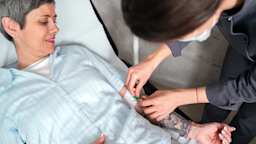
Your care team will check your blood pressure before each Spravato (esketamine) dose. If it's too high, they might delay the treatment. They'll also check your blood pressure for at least 2 hours after each dose. If needed, your care team can help manage your blood pressure while you're at the treatment center.
Get medical help right away if you have chest pain, shortness of breath, severe headache, and changes in vision. These can be signs of dangerously high blood pressure.
Spravato (esketamine) can cause problems with your mental abilities. You can have trouble remembering or learning new things. You can also have a hard time focusing and making decisions. If this happens to you during treatment, speak to your prescriber.
After each of your Spravato (esketamine) doses, don't do anything that needs your full attention and coordination, like driving. Wait at least until the next day after you've had a restful night of sleep.
Some people who took Spravato (esketamine) had problems with their bladder. This included urinating often (even at night) and suddenly feeling like you have to urinate. Some people also had pain while urinating and an irritated bladder. If any of these signs happen during treatment, tell your care team.
Spravato (esketamine) isn't recommended during pregnancy. Animal studies suggest that it might harm an unborn baby if taken while pregnant.
If you're thinking about becoming pregnant, speak to your prescriber or obstetrician-gynecologist (OB-GYN). They can help you understand the risks and benefits of taking Spravato (esketamine). They can also talk to you about pregnancy planning and prevention (like with birth control) if needed.
If you get pregnant during treatment, tell your prescriber and OB-GYN right away. They can talk to you about the possible risks to your baby and suggest other safer options for you. They might also want to sign you up in a pregnancy exposure registry. This program helps researchers learn more about the risks of Spravato (esketamine) during pregnancy.

The following side effects may get better over time as your body gets used to the medication. Let your healthcare provider know immediately if you continue to experience these symptoms or if they worsen over time.
Note: Side effects were reported by people with treatment-resistant depression also taking an oral antidepressant. Side effects might differ for those who have major depressive disorder with suicidal ideation.
Contact your healthcare provider immediately if you experience any of the following.
Side effects that you should report to your care team as soon as possible:
Side effects that usually do not require medical attention (report these to your care team if they continue or are bothersome):




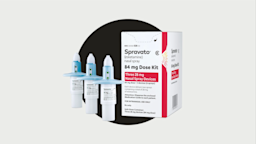
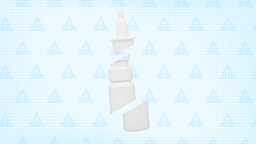
This medication is given as a spray into the nose at a treatment center. Each device contains 1 spray for each nostril and a total of 28 mg of esketamine.
Most times, Spravato (esketamine) is used along with another antidepressant that you take by mouth.
Treatment-resistant depression (TRD)
Major depressive disorder with suicidal ideation or behavior (MDSI)

Contraindications are specific health conditions or situations in which a person should not take a medication due to safety concerns. If you have any of the following conditions or if any of the following apply to you, let your healthcare provider know because Spravato (esketamine) will not be safe for you to take.





Prescription savings
Stop paying too much for your prescriptions. Compare prices, get pharmacy coupons, and save up to 80%.Resources
About GoodRx
 Find expert answers to your health questions so you can make the best decisions for yourself and your family.
Health conditions
Medications & treatment
Access & affordability
Well-being
Medication discounts

Spravato is a nasal spray. You spray the medication into your nose yourself. But you'll need to go to a treatment center to do it. This is because there are certain steps you must follow to use the medication properly. You'll need a healthcare professional available to help guide you through these steps. They'll also need to watch you for at least 2 hours after you take the medication to check for serious side effects.
No. Based on clinical studies, Spravato doesn't typically cause weight gain. If your weight changes a lot while taking this medication, talk to your prescriber or primary care provider. They can examine you and talk to you about your concerns.
Yes, Spravato is a schedule 3 controlled substance. This means there's a chance that it could be misused or that people could become dependent on it. Misuse and dependence can sometimes lead to addiction. Because of these risks, you must take Spravato under the supervision of a healthcare professional. This helps lower the risk of misuse, dependence, and addiction. If you're worried about these risks, talk to your prescriber.
No, Spravato is not a medication you can take at home. You'll need to go to a treatment center to take it. At the center, you'll spray the medication into your nose under the supervision of a healthcare professional. This is because they need to show you exactly how to use it the right way. You also need to stay at the center for at least 2 hours after taking the medication. It's important for your care team prescriber to check for any potentially serious side effects before you can go home.
You'll start by taking Spravato for 4 weeks. If you have treatment-resistant depression, you'll probably keep taking it as long as it helps your mood and doesn't cause too many side effects. Your prescriber will help adjust your dose as needed. A study showed that people safely took Spravato for up to a year and a half. If you have major depressive disorder with suicidal ideation, talk to your prescriber about your options after 4 weeks of Spravato. We don't know if the medication works well or is safe if it's used for more than 4 weeks. If you have questions about how long you can take Spravato, ask your prescriber.
Spravato isn't approved by the FDA to help with only anxiety. But a study showed that it works well for adults who have treatment-resistant depression along with anxiety. Keep in mind that these people were also taking another oral antidepressant to help. Also note that some people could have anxiety as a side effect of taking Spravato. If you have anxiety, talk to your prescriber about your options.
Spravato is made by a pharmaceutical company called Janssen Pharmaceuticals.
