Key takeaways:
Using spironolactone (Aldactone) for acne is one treatment approach healthcare professionals may recommend for women.
Spironolactone usually has few side effects. The most common side effects include breast tenderness, dizziness, and needing to go to the bathroom more often.
Spironolactone is available as a lower-cost generic. GoodRx can help you save on the average retail price at certain pharmacies.
Save on related medications
Acne can be frustrating and hard to get rid of. The good news is that medications can help.
If you’re a woman dealing with difficult acne, spironolactone may be a good option. Spironolactone (Aldactone) is a diuretic, also called a “water pill.” It helps your body get rid of fluid through urination. Here’s what you need to know if you’re prescribed spironolactone to treat acne.
How does spironolactone help with acne?
Spironolactone slows your body’s production of androgen hormones, such as testosterone. These hormones can make the skin produce too much oil, which clogs pores and causes acne.
Search and compare options
Androgen hormones promote male traits, but everyone — including women — needs some androgens for normal body functions. Lowering high androgen levels can help with acne.
Who can use spironolactone for acne?
Spironolactone can be used off-label to treat acne in women by targeting the hormonal causes of acne.
Although spironolactone can be effective for treating acne in women, it’s not typically used to treat acne in men. This is because it lowers testosterone levels and can cause unwanted side effects.
Spironolactone is also used to treat other conditions, including:
Edema (fluid buildup in your body)
Hirsutism (a condition of unwanted male-pattern hair growth in females)
Who shouldn’t take spironolactone for acne?
Experts recommend not taking spironolactone during pregnancy because it could be harmful. Your prescriber may prescribe birth control while you’re taking spironolactone to help prevent pregnancy.
You should also not take spironolactone if you:
Have hyperkalemia (high potassium levels)
Have Addison disease, also called primary adrenal insufficiency
Take eplerenone (Inspra)
How long does spironolactone take to work for acne?
You may not see results from spironolactone right away. It can take at least a few months to see fewer breakouts. Studies suggest people tend to get more of a benefit from the medication the longer they take it.
Spironolactone dosage for acne
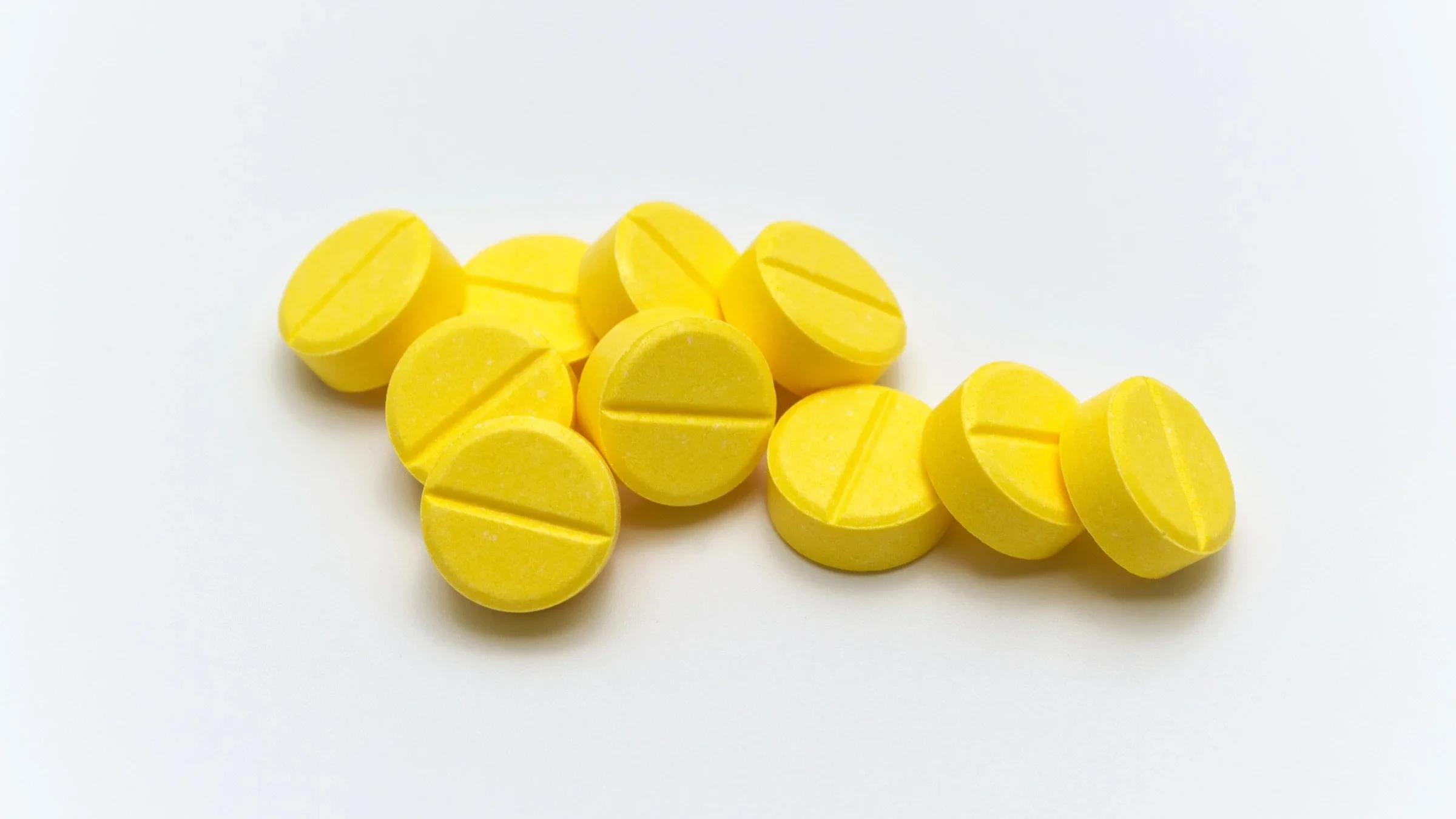
Spironolactone is a tablet that you take by mouth once daily. Doses for acne typically range from 25 mg to 200 mg. In clinical studies, doses range from 50 mg to 200 mg. But it’s common to start at 25 mg and slowly increase the dose. Your prescriber will determine which dose is best for you based on your situation.
Remember, acne is considered an off-label use of spironolactone. This means the FDA hasn’t determined a standard dose for treating acne.
You can take spironolactone with or without food. But choose one way and stick to it. Also, avoid taking it before bedtime because it can make you pee more often.
Your prescriber may recommend that you combine spironolactone with other acne treatments, such as oral birth control pills. These treatments can work together to fight your acne. In turn, the combination can give you better results than either treatment alone.
How long do you stay on spironolactone for acne?
You and your prescriber will decide together how long you should take spironolactone. Keep in mind that it can take months to get the full benefit. You might need to take it for a longer or shorter period of time, depending on how you respond to the medication.
If you have side effects that are bothering you (see below), ask your prescriber if you should stop the medication earlier. If you’re doing well on the medication, you may need to take it for a longer period of time.
If you’re taking antibiotics in addition to spironolactone, you’ll likely stop the antibiotics after a few months but continue taking spironolactone to prevent new acne from forming. This is because antibiotics can become less effective over time due to antibiotic resistance. Antibiotics target bacteria that can infect clogged pores and cause inflammation. Over time, these bacteria may become resistant to the medication.
Regardless of how long you take spironolactone, never stop taking it or any other medication without consulting your prescriber first.
What side effects does spironolactone have?
Most people do well on spironolactone, but all medications can cause side effects.
The most common side effects of spironolactone are:
Peeing more often
Changes in your menstrual cycle
Breast tenderness
Fatigue
Dizziness
Lower sex drive (low libido)
Spironolactone can also raise your potassium levels. This is more likely in people who have medical conditions such as Type 2 diabetes, kidney disease, and high blood pressure. It’s important to keep all of your appointments with your prescriber. They may want to keep an eye on your potassium levels while you’re taking spironolactone.
Will I gain weight on spironolactone?
There are concerns that taking spironolactone for acne can cause weight gain. But there isn’t much evidence to support this concern. For example, the medication’s package insert doesn’t list weight gain as a side effect.
Many people also worry that spironolactone will make their acne look worse when they first start taking it. While this can happen with some acne treatments, it’s generally not an issue with spironolactone.
What interactions does spironolactone have?
Certain medications and dietary items can interact with spironolactone and lead to dangerous problems. Some examples include:
Angiotensin-converting enzyme (ACE) inhibitors, such as lisinopril (Zestril, Qbrelis), which are used to treat high blood pressure and heart disease
Angiotensin II receptor blockers (ARBs), such as losartan (Cozaar), which are also used to treat high blood pressure and heart disease
Digoxin (Lanoxin), which treats heart failure and heart rhythm problems
Nonsteroidal anti-inflammatory drugs (NSAIDs), such as ibuprofen (Advil, Motrin), naproxen (Aleve, Naprosyn), and meloxicam, which are used to treat pain and inflammation from conditions such as arthritis
Cyclosporine (Sandimmune, Gengra, Neoral), which helps prevent organ rejection after a transplant and treats other conditions, like arthritis and psoriasis
Triamterene (Dyrenium), a diuretic used to treat swelling caused by heart, liver, or kidney disease
Salt substitutes, such as Nu-Salt and NoSalt
This isn’t a complete list of all the possible medication interactions for spironolactone. In some cases, the benefits of combining these medications with spironolactone may outweigh the risks. Don’t stop taking any of your medications or change your dose without speaking with a healthcare professional.
It’s best to have a pharmacist or other healthcare professional review your medication list. Make sure to share a list of all medications you take, including over-the-counter (OTC) and herbal supplements. This can help you determine whether it’s safe for you to take spironolactone for acne.
Finally, it’s best to limit alcohol while taking spironolactone for acne. Alcohol can increase your risk of dehydration and orthostatic hypotension. This condition can cause dizziness when your blood pressure drops after you stand up too quickly.
What are some alternatives aside from spironolactone for acne?
If spironolactone isn’t an option for you, there are several other choices for treating your acne. The most common alternative is oral birth control pills, also called oral contraceptives.
Other treatments for acne include:
Topical clindamycin (Cleocin-T) or erythromycin
Antibiotics that you take by mouth
Isotretinoin (Absorbica, Amnesteem, Claravis)
Your healthcare team can work with you to figure out which one of these medications is the best one for you.
How to save on spironolactone
There are ways to save on spironolactone, which is available as both a brand-name and generic medication:
Save with GoodRx. GoodRx can help you save more than 60% off the average retail price of the generic version. The price for 30 tablets of spironolactone 50 mg at certain pharmacies is as low as $7.20 with a free GoodRx discount.
Save with Companion. You can access discounted prescription medications with a GoodRx Companion subscription. Over 200 medications are available for free, with hundreds more for less than $10. The program also includes benefits that can help you lower your out-of-pocket costs, such as lower prices for online care visits, discounts on dental care, and other health services.
Frequently asked questions
You might notice that you need to pee more often when you start taking spironolactone. You might also have other mild side effects, like headache or dizziness. But it’s possible you won’t have any. You probably won’t notice a difference in your acne right away because spironolactone can take a while to work.
For some people, 25 mg of spironolactone may be enough to treat acne. The right dose depends on the person and how well they tolerate the medication.
No, spironolactone isn’t an antibiotic. It’s a diuretic, or water pill. Because it also blocks a hormone called aldosterone, it’s often used to treat acne.
You might notice that you need to pee more often when you start taking spironolactone. You might also have other mild side effects, like headache or dizziness. But it’s possible you won’t have any. You probably won’t notice a difference in your acne right away because spironolactone can take a while to work.
For some people, 25 mg of spironolactone may be enough to treat acne. The right dose depends on the person and how well they tolerate the medication.
No, spironolactone isn’t an antibiotic. It’s a diuretic, or water pill. Because it also blocks a hormone called aldosterone, it’s often used to treat acne.
The bottom line
Whether you use it by itself or with other acne treatments, spironolactone (Aldactone) is an effective medication that can help clear stubborn acne in women. But it might take some time to see results.
Talk to your healthcare team if you’re considering spironolactone for acne. They can help you determine whether this medication is right for you or recommend other options if needed.

Why trust our experts?




References
American Academy of Dermatology Association. (n.d.). Stubborn acne? Hormonal therapy may help.
Bryant Ranch PrePack, Inc. (2026). Spironolactone - tablet.
Charny, J. W., et al. (2017). Spironolactone for the treatment of acne in women, a retrospective study of 110 patients. International Journal of Women’s Dermatology.
Kim, G. et al. (2012). Oral spironolactone in post-teenage female patients with acne vulgaris: practical considerations for the clinician based on current data and clinical experience. The Journal of Clinical and Aesthetic Dermatology.
MedlinePlus. (2025). Addison disease.
Patibandla, S., et al. (2023). Spironolactone. StatPearls.
Reynolds, R. V., et al. (2026). Guidelines of care for the management of acne vulgaris. Journal of the American Academy of Dermatology.
Santer, M., et al. (2023). Effectiveness of spironolactone for women with acne vulgaris (SAFA) in England and Wales: Pragmatic, multicentre, phase 3, double blind, randomised controlled trial. The BMJ.