spironolactone / HCTZ
Aldactazide is a combination medication containing spironolactone, a potassium-sparing diuretic, and hydrochlorothiazide, a loop diuretic. This combination water pill treats high blood pressure (hypertension). It also helps lessen fluid buildup throughout the body from liver, kidney, or heart problems. This medication is a tablet that's taken by mouth. Side effects include frequent urination, stomach upset, and dizziness. It's available in a brand-name and generic version.


What is Aldactazide (spironolactone / hydrochlorothiazide)?
What is Aldactazide (spironolactone / hydrochlorothiazide) used for?
- High blood pressure
- Swelling from too much fluid buildup in people with liver cirrhosis, nephrotic syndrome (a rare kidney condition), or heart failure
How Aldactazide (spironolactone / hydrochlorothiazide) works
Aldactazide is a combination of two different diuretics (or water pills). Spironolactone is a potassium-sparing diuretic and hydrochlorothiazide is a thiazide diuretic. They both work in the kidneys to help remove extra water from your body. This lowers blood pressure and lessens water retention (swelling).
Spironolactone also helps restore potassium in the body that's lost as a side effect of hydrochlorothiazide. The addition of spironolactone helps prevent low potassium levels that can possibly happen with hydrochlorothiazide.
Drug facts
| Common Brands | Aldactazide |
|---|---|
| Drug Class | Diuretic (water pill) |
| Controlled Substance Classification | Not a controlled medication |
| Generic Status | Lower-cost generic available |
| Availability | Prescription only |

Side effects of Aldactazide (spironolactone / hydrochlorothiazide)
The following side effects may get better over time as your body gets used to the medication. Let your healthcare provider know immediately if you continue to experience these symptoms or if they worsen over time.
Common Side Effects
Common hydrochlorothiazide side effects:
- Weakness
- Low blood pressure
- Diarrhea
- Vomiting
- Low electrolyte levels (e.g., calcium, magnesium, sodium)
Common spironolactone side effects:
- Fatigue
- Dizziness
- Headache
- Breast pain or tenderness
- Muscle cramps
- High potassium levels
Less Common Side Effects
- Difficulty getting or maintaining an erection
- Low sex drive
- Irregular or no menstrual periods
- Leg cramps
- Dehydration
Aldactazide (spironolactone / hydrochlorothiazide) serious side effects
Contact your healthcare provider immediately if you experience any of the following.
- Serious allergic reaction or skin reaction: sore throat, fever, fatigue, rash, hives, painful blisters, skin reddening, skin peeling, swollen lymph nodes
- High potassium levels: nausea, muscle weakness, tingling, abnormal heartbeat
- Abnormal levels of other electrolytes: muscle cramps, fainting, irregular heartbeat, seizure
The following Aldactazide (spironolactone / hydrochlorothiazide) side effects have also been reported
Along with its needed effects, a medicine may cause some unwanted effects. Although not all of these side effects may occur, if they do occur they may need medical attention.
Check with your doctor immediately if any of the following side effects occur:
Incidence not known
Back or leg pains
blistering, peeling, or loosening of the skin
bloody or black, tarry stools
bloody or cloudy urine
blue lips and fingernails
blurred vision
burning, crawling, itching, numbness, prickling, "pins and needles", or tingling feelings
chest pain or tightness
clay-colored stools
clear or bloody discharge from the nipple
confusion
cough or hoarseness
dark urine
decreased appetite
difficult, fast, or noisy breathing
difficulty with swallowing
dizziness, faintness, or lightheadedness when getting up suddenly from a lying or sitting position
fast or irregular heartbeat
fever with or without chills
flushed, dry skin
fruit-like breath odor
general body swelling
general feeling of discomfort or illness
greatly decreased frequency of urination or amount of urine
hives or welts, skin rash
increased hunger
increased thirst
inverted nipple
joint pain, stiffness, or swelling
lower back or side pain
lump in the breast or under the arm
muscle cramps or pain
numbness, tingling, pain, or weakness in the hands, feet, or lips
painful or difficult urination
pains in the stomach, side, or abdomen, possibly radiating to the back
persistent non-healing sore
pink growth
pinpoint red or purple spots on the skin
puffiness or swelling of the eyelids or around the eyes, face, lips, or tongue
red, irritated eyes
reddish patch or irritated area
redness or swelling of the breast
redness, soreness, or itching skin
seizures
shiny bump
sore on the skin of the breast that does not heal
sores, ulcers, or white spots on the lips or in the mouth
stomach cramping, burning, or tenderness
swelling of the face, hands, fingers, feet, or lower legs
swollen, painful, or tender lymph glands in the neck, armpit, or groin
trembling
trouble breathing
unusual bleeding or bruising
unusual tiredness or weakness
white, yellow or waxy scar-like area
yellow eyes or skin
Get emergency help immediately if any of the following symptoms of overdose occur:
Symptoms of overdose
Difficulty with sleeping
disorientation
drowsiness to profound coma
hallucination
lethargy
lightheadedness
mood or other mental changes
rash with flat lesions or small raised lesions on the skin
Some side effects may occur that usually do not need medical attention. These side effects may go away during treatment as your body adjusts to the medicine. Also, your health care professional may be able to tell you about ways to prevent or reduce some of these side effects. Check with your health care professional if any of the following side effects continue or are bothersome or if you have any questions about them:
Incidence not known
Absent, missed, or irregular menstrual periods
burning feeling in the chest or stomach
discoloration of the skin
feeling of constant movement of self or surroundings
inability to have or keep an erection
increased sensitivity of the skin to sunlight
restlessness
sensation of spinning
severe sunburn
stomach upset
stopping of menstrual bleeding
swelling of the breasts or breast soreness in both females and males
Other side effects not listed may also occur in some patients. If you notice any other effects, check with your healthcare professional.
Call your doctor for medical advice about side effects. You may report side effects to the FDA at 1-800-FDA-1088.

Pros and cons of Aldactazide (spironolactone / hydrochlorothiazide)
Pros
- Combines two different kinds of diuretics into a single pill for convenience
- Helps minimize potassium loss
- Can take at any time of day
- Can take with or without food
Cons
- Can't customize the dose of each individual ingredient since it's a combination medication
- Can make you urinate more often
- Can cause breast growth in males
- Need regular blood tests to check your potassium levels and kidney function

Pharmacist tips for Aldactazide (spironolactone / hydrochlorothiazide)

- Mark your calendar with your appointments to follow up with your prescriber about how well Aldactazide (spironolactone / hydrochlorothiazide) is working for you. Also get any blood work done as scheduled. Checking your electrolyte levels and kidney function through blood work helps make sure the medication is safe for you. Your prescriber can adjust the dose of your medication, if needed.
- Take Aldactazide (spironolactone / hydrochlorothiazide) with or without food at the same time every day. Taking it with food can help ease any upset stomach from the medication.
- Ask your prescriber whether you should take your Aldactazide (spironolactone / hydrochlorothiazide) dose all at once each day or whether you should split the dose into smaller ones that are taken throughout the day. For example, if you need to take 2 tablets of the medication per day for your dose, you have the option to take the tablets at the same time once a day or take 1 tablet twice a day at different times.
- You might feel dizzy when you start taking Aldactazide (spironolactone / hydrochlorothiazide) or when your prescriber raises the dose. Dizziness typically goes away as your body gets used to the medication and to the lowered blood pressure. But let your healthcare team know if the dizziness is making it hard for you to go about your day. Don't drive until you know how this medication affects you.
- Take Aldactazide (spironolactone / hydrochlorothiazide) exactly as prescribed. Don't lower your dose or stop taking the medication suddenly without talking to your prescriber first. Otherwise, it's possible for your blood pressure to rise quickly or for fluid to build up in your body again. Your prescriber will work with you to lower your dose slowly over time, if needed.
- Tell your care team about all the medications you're taking or planning to take. They can check for drug interactions to keep you safe. Both spironolactone and hydrochlorothiazide can interact with many other medications, including nonsteroidal anti-inflammatory drugs (NSAIDs) like ibuprofen (Advil). Avoid taking potassium supplements because Aldactazide (spironolactone / hydrochlorothiazide) already raises your risk for having high potassium levels.
- Ask your care team about what types of food you can or can't eat while you're taking Aldactazide (spironolactone / hydrochlorothiazide). Follow a balanced and nutritious diet that's low in salt to help manage your condition. But avoid adding salt substitutes containing potassium to your food and ask your care team how much potassium-rich foods you should have, since this medication can raise your potassium levels.
- Avoid alcohol or limit how much alcohol you drink while you're taking Aldactazide (spironolactone / hydrochlorothiazide). Drinking alcohol regularly, particularly in high amounts, can make your blood pressure go up. Alcohol can also make some side effects, like sleepiness, dizziness, and frequent urination, worse.
- Contact your prescriber right away if you become pregnant or are thinking of getting pregnant while you're taking Aldactazide (spironolactone / hydrochlorothiazide). There are other recommended blood pressure medications during pregnancy, so your prescriber might consider a different medication for you.

Risks and warnings for Aldactazide (spironolactone / hydrochlorothiazide)
Aldactazide (spironolactone / hydrochlorothiazide) can cause some serious health issues. This risk may be even higher for certain groups. If this worries you, talk to your doctor or pharmacist about other options.
High potassium levels
- Risk factors: Kidney problems | Illness that could affect kidney function | Diabetes | Taking other medications that raise potassium | Using potassium-based salt substitutes | Potassium-rich diet
The spironolactone in Aldactazide can raise the amount of potassium in your body, which can sometimes be dangerous. Your risk is greater if you have diabetes or kidney problems or if you're taking other medications that also raise potassium levels. For this reason, make sure your prescriber knows your full medical history and the medications you're taking before you start treatment. Tell a healthcare professional right away if you have signs of high potassium levels, like nausea, muscle weakness, or a numbing or tingling feeling.
Changes in electrolyte, blood sugar, and cholesterol levels
In addition to potassium, Aldactazide (spironolactone / hydrochlorothiazide) can affect the level of other electrolytes in your body, including sodium and magnesium. You might need blood work done regularly while you're taking this medication to check your electrolyte levels. Tell your care team if you have a fast heartbeat, muscle pain or cramps, or nausea. Also let them know if you feel weak, have low energy, or notice that you're urinating less than usual. These can be signs of electrolyte changes in your body.
In addition, hydrochlorothiazide can raise your blood sugar levels. Tell your prescriber if you have diabetes or a history of having high blood sugar levels. Your prescriber might recommend that you check your blood sugar at home, or they might order a blood test to check your blood sugar levels once in awhile.
Hydrochlorothiazide can also raise your cholesterol levels. Make sure to go get your blood work done if your prescriber orders a blood test while you're taking Aldactazide (spironolactone / hydrochlorothiazide) to check your cholesterol levels.
Low blood pressure and dizziness
- Risk factors: Not enough fluid in your body | Having diarrhea or vomiting for a long time | Low salt levels in your body | Taking higher doses of diuretic medications
Sometimes, taking Aldactazide (spironolactone / hydrochlorothiazide) can cause your blood pressure to drop too much, especially when you stand up. This can make you feel dizzy, tired, or lightheaded. Having instances of low blood pressure is more common when you first start Aldactazide (spironolactone / hydrochlorothiazide) or when the dose is raised.
To prevent low blood pressure and dizziness, make sure to stay well hydrated. Ask your care team how much fluid you need each day. If you feel dizzy at any time while you're taking Aldactazide (spironolactone / hydrochlorothiazide), make sure to sit down slowly while holding onto something. Contact your prescriber if you feel dizzy, lightheaded, faint, tired, or confused while you're taking Aldactazide (spironolactone / hydrochlorothiazide). These can be signs that your blood pressure is too low.
Breast growth or breast pain
- Risk factors: Taking high doses of spironolactone | Taking Aldactazide (spironolactone / hydrochlorothiazide) for a long time
The spironolactone in Aldactazide can cause breast growth in males, or gynecomastia. The medication can also cause breast pain or tenderness in both males and females. It usually goes away when you stop taking Aldactazide (spironolactone / hydrochlorothiazide), but it rarely can be permanent. Talk to your prescriber if you notice unusual or concerning breast growth or breast pain. Your prescriber can discuss with you about lowering your dose or trying other options to treat your condition.
Vision problems
- Risk factors: Sulfa or penicillin allergies
It's rare, but some people might have vision changes or eye pain within hours or weeks after starting Aldactazide. This can happen because the hydrochlorothiazide component of the combination medication can suddenly elevate the pressure in the eye. Stop taking Aldactazide (spironolactone / hydrochlorothiazide) and call your prescriber right away if you notice any eye pain, blurry vision, or other changes in vision. In some cases, you might need additional treatment to help avoid permanent vision loss.
Lupus
Although rare, some people who took thiazide diuretics, like hydrochlorothiazide in this combination medication, developed lupus. In addition, some people who already had lupus experienced flares or worsened symptoms after they started taking hydrochlorothiazide. Let your prescriber know if you notice a rash across your cheeks and nose, feel very tired, or have joint pain. These can be symptoms of lupus.
Allergic reaction
- Risk factors: History of sulfa allergies
People with allergies to other sulfa-containing medications might experience similar reactions when they take Aldactazide (spironolactone / hydrochlorothiazide). Make sure your prescriber and pharmacist know about all of your allergies, especially if they were severe. Get medical attention right away if you notice rash, trouble breathing, or other signs of an allergic reaction.

Aldactazide (spironolactone / hydrochlorothiazide) dosage
 Tablet
| Dosage | Quantity | Price as low as | Price per unit |
|---|---|---|---|
| 25mg/25mg | 90 tablets | $36.91 | $0.41 |

Interactions between Aldactazide (spironolactone / hydrochlorothiazide) and other drugs
Although certain medicines should not be used together at all, in other cases two different medicines may be used together even if an interaction might occur. In these cases, your doctor may want to change the dose, or other precautions may be necessary. When you are taking this medicine, it is especially important that your healthcare professional know if you are taking any of the medicines listed below. The following interactions have been selected on the basis of their potential significance and are not necessarily all-inclusive.
Using this medicine with any of the following medicines is not recommended. Your doctor may decide not to treat you with this medication or change some of the other medicines you take.
Using this medicine with any of the following medicines is usually not recommended, but may be required in some cases. If both medicines are prescribed together, your doctor may change the dose or how often you use one or both of the medicines.
- Aceclofenac
- Acemetacin
- Acetyldigoxin
- Alacepril
- Amphetamine
- Amtolmetin Guacil
- Arginine
- Arsenic Trioxide
- Aspirin
- Benazepril
- Benzphetamine
- Bromfenac
- Bufexamac
- Captopril
- Celecoxib
- Choline Salicylate
- Cilazapril
- Clonixin
- Delapril
- Deslanoside
- Desmopressin
- Dexibuprofen
- Dexketoprofen
- Dextroamphetamine
- Diclofenac
- Diflunisal
- Digitalis
- Digitoxin
- Digoxin
- Dipyrone
- Droperidol
- Droxicam
- Enalaprilat
- Enalapril Maleate
- Etodolac
- Etofenamate
- Etoricoxib
- Felbinac
- Fenoprofen
- Fepradinol
- Feprazone
- Flecainide
- Floctafenine
- Flufenamic Acid
- Flurbiprofen
- Fosinopril
- Ibuprofen
- Imidapril
- Indomethacin
- Ketanserin
- Ketoprofen
- Ketorolac
- Levomethadyl
- Lisdexamfetamine
- Lisinopril
- Lithium
- Lornoxicam
- Loxoprofen
- Lumiracoxib
- Meclofenamate
- Mefenamic Acid
- Meloxicam
- Methamphetamine
- Methotrexate
- Metildigoxin
- Moexipril
- Morniflumate
- Nabumetone
- Naproxen
- Nepafenac
- Niflumic Acid
- Nimesulide
- Nimesulide Beta Cyclodextrin
- Ouabain
- Oxaprozin
- Oxyphenbutazone
- Parecoxib
- Pentopril
- Perindopril
- Phenylbutazone
- Piketoprofen
- Piroxicam
- Porfimer
- Potassium
- Potassium Phosphate
- Pranoprofen
- Proglumetacin
- Propyphenazone
- Proquazone
- Proscillaridin
- Quinapril
- Ramipril
- Rofecoxib
- Salicylic Acid
- Salsalate
- Sodium Salicylate
- Sotalol
- Spirapril
- Sulindac
- Temocapril
- Tenoxicam
- Tiaprofenic Acid
- Tolfenamic Acid
- Tolmetin
- Trandolapril
- Trimethoprim
- Valdecoxib
- Zofenopril
Using this medicine with any of the following medicines may cause an increased risk of certain side effects, but using both drugs may be the best treatment for you. If both medicines are prescribed together, your doctor may change the dose or how often you use one or both of the medicines.
- Aminolevulinic Acid
- Bepridil
- Carbamazepine
- Cholestyramine
- Digitoxin
- Ginkgo
- Gossypol
- Licorice
- Topiramate

How much does Aldactazide (spironolactone / hydrochlorothiazide) cost?

Aldactazide (spironolactone / hydrochlorothiazide) contraindications
Contraindications are specific health conditions or situations in which a person should not take a medication due to safety concerns. If you have any of the following conditions or if any of the following apply to you, let your healthcare provider know because Aldactazide (spironolactone / hydrochlorothiazide) will not be safe for you to take.
- High potassium levels
- High calcium levels
- Addison's disease
- Not making urine (not urinating)
- Certain kidney problems or very poor kidney function
- Liver failure
- Allergy to sulfa medications
- Allergy to thiazide diuretics

What are alternatives to Aldactazide (spironolactone / hydrochlorothiazide)?

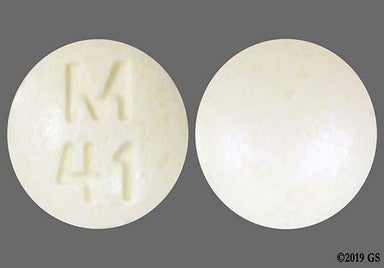
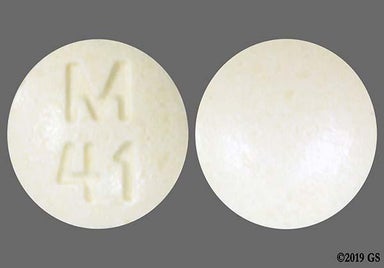
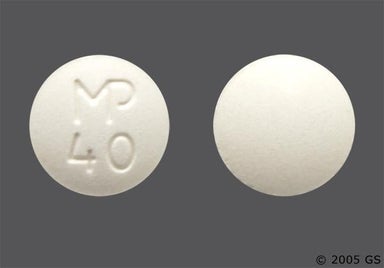
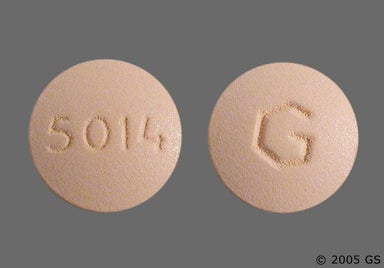
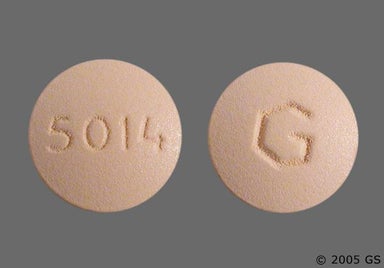
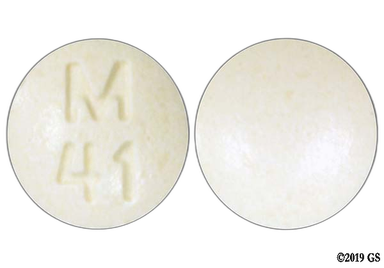
Aldactazide (spironolactone / hydrochlorothiazide) images