


Wakix vs. Xyrem for Narcolepsy in Children: 7 Differences to Consider
Wakix and Xyrem are both used to treat excessive daytime sleepiness (EDS). We compare Wakix and Xyrem as a treatment for pediatric narcolepsy.
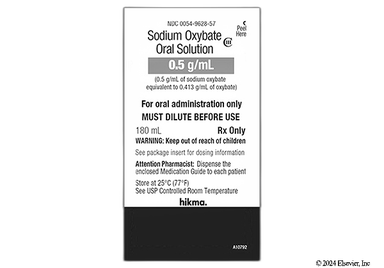
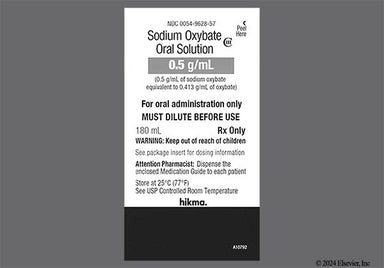
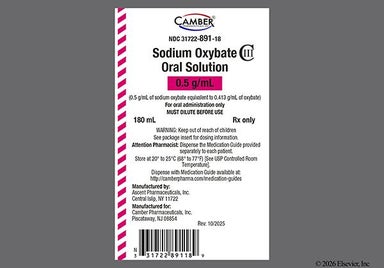
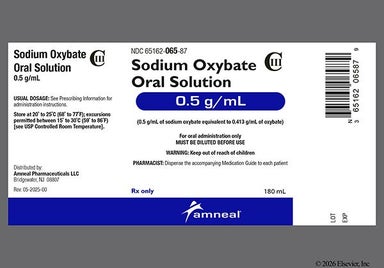
Sodium oxybate (Xyrem) is for people 7 years and older with narcolepsy. It's used to treat cataplexy (sudden muscle weakness after strong emotions) and excessive daytime sleepiness (EDS). This medication works as a central nervous system depressant. It's a liquid solution that you have to mix with water before you take it. The dosage is taken by mouth two times at night, once at bedtime, and then again 2.5 to 4 hours later. Side effects include nausea and dizziness. Some people, but especially children, might wet the bed. Sodium oxybate (Xyrem) is available with a prescription as a brand-name and generic medication.

Sodium oxybate (Xyrem) is a central nervous system (CNS) depressant. It's not entirely clear how the medication works. But researchers think that it affects proteins in the brain called gamma-aminobutyric acid (GABA) receptors. This might help with wakefulness for people with narcolepsy.
| Common Brands | Xyrem |
|---|---|
| Drug Class | CNS depressant |
| Controlled Substance Classification | Schedule III |
| Generic Status | Lower-cost generic available |
| Availability | Prescription only |

Sodium oxybate (Xyrem) can cause some serious health issues. This risk may be even higher for certain groups. If this worries you, talk to your doctor or pharmacist about other options.
 Sodium oxybate (Xyrem) is a controlled substance because it has a risk of misuse. Misuse can lead to serious, life-threatening problems. This can include seizure, extremely slowed breathing, and overdose. Misusing this medication can sometimes also lead to addiction. If you're worried about these risks, talk to your prescriber.
Sodium oxybate (Xyrem) can slow down your brain. This can make you feel very sleepy and have trouble thinking, focusing, and reacting to things.
 Don't drive or do anything that needs your full attention until at least 6 hours after you take sodium oxybate (Xyrem). In general, it's also good idea to avoid these things until you know how this medication affects you.
You can have changes in mental alertness at any time while taking sodium oxybate (Xyrem), even at recommended doses. Don't drink alcohol while taking this medication because it can raise your risk. Also don't take other CNS depressants, like opioids or other sedatives. Talk to your prescriber if you're worried about these risks.
Sodium oxybate (Xyrem) can slow your breathing down to the point where it's very dangerous. This can look like shortness of breath and slow and shallow breathing. It can lead to bluish-colored lips, fingers, or toes. If slowed breathing isn't recognized and treated right away, it can be life-threatening. If you or a close one notices that your breathing is extremely slow, get medical help right away.
Your breathing can slow down at any time while you're taking sodium oxybate (Xyrem). It can even become slow at recommended doses. But your risk is higher if you drink alcohol with sodium oxybate (Xyrem). It's also higher if you take other CNS depressants, like opioids and muscle relaxants. If you're worried about the risk of slowed breathing, speak to your prescriber.
Sodium oxybate (Xyrem) has a risk of misuse. It can also slow the body down and make your breathing extremely slow. Because of these risks, the FDA requires that sodium oxybate (Xyrem) can only be available through a Risk Evaluation and Mitigation Strategies (REMS) program. This safety program is called the Xyrem REMS program.
Your prescriber will help you sign up for the Xyrem REMS program. Your prescriber and the pharmacy you get sodium oxybate (Xyrem) from must also enroll. This helps make sure you and everyone involved in your care understands the dangers of the medication.
Some people who took sodium oxybate (Xyrem) had changes in behavior. This included confusion and anxiety. Some also felt paranoid, acted more aggressive, or saw or heard things that aren't there (hallucinations). Although rare, others reported having signs of depression or thoughts of hurting themselves.
Let your prescriber know if you have a history of mental health problems. They might want to follow up with you more often. They can make sure your mental health is okay while you're taking sodium oxybate (Xyrem).
Tell your prescriber if you start to behave in ways that aren't normal for you or have signs of depression while taking this medication. If you start thinking about wanting to hurt yourself, call 911 right away.
Some people who took sodium oxybate (Xyrem) have sleepwalked or had other similar unusual sleep behaviors. This can look like having confused behavior or wandering throughout the night. These sleep behaviors can raise the risk of hurting yourself by accident.
Make sure your family and loved ones know about this side effect so they can watch out for your safety. Tell your prescriber if you've sleepwalked or wandered around at night while taking sodium oxybate (Xyrem). Also let them know about any other strange things you've done while you're sleeping during treatment.
Sodium oxybate (Xyrem) contains a high amount of sodium (salt). It can be dangerous to take for people who are sensitive to salt. This includes people with heart failure, high blood pressure, or kidney problems.
Before starting sodium oxybate (Xyrem), tell your prescriber about your full medical history. They can make sure it's safe for you to take, given the high salt content in the medication.

The following side effects may get better over time as your body gets used to the medication. Let your healthcare provider know immediately if you continue to experience these symptoms or if they worsen over time.
Adults:
Children:
Adults:
Contact your healthcare provider immediately if you experience any of the following.
Along with its needed effects, a medicine may cause some unwanted effects. Although not all of these side effects may occur, if they do occur they may need medical attention.
Check with your doctor immediately if any of the following side effects occur:
More common
Bedwetting
sleep walking
Less common
Burning, crawling, itching, numbness, prickling, "pins and needles", or tingling feelings
changes in behavior
choking or gasping sounds
daytime sleepiness or tiredness
headache
lack of appetite
loud or frequent snoring
rapid weight gain
seeing, hearing, or feeling things that are not there
thoughts of killing oneself
trouble sleeping
unusual weight gain or loss
waking to urinate at night
Incidence not known
Being forgetful
blurred vision
decrease in the amount of urine
dizziness
hoarseness
increase urge to urinate at night
irritation
joint pain, stiffness, or swelling
nervousness
noisy, rattling breathing
pounding in the ears
redness of the skin
swelling of the face, fingers, hands, feet, or lower legs
tightness in the chest
trouble breathing or swallowing
Get emergency help immediately if any of the following symptoms of overdose occur:
Symptoms of overdose
Agitation
bluish lips or skin, not breathing
chest pain or discomfort
clumsiness
confusional, agitated combative state
drowsiness
generalized slowing of mental and physical activity
inability to hold bowel movement or urine
increased sweating
lightheadedness, dizziness, or fainting
loss of consciousness
muscle aches or weakness
seizures
shakiness and unsteady walk
shivering
slow or irregular heartbeat
trembling or other problems with muscle control or coordination
unusual tiredness or weakness
weak or feeble pulse
Some side effects may occur that usually do not need medical attention. These side effects may go away during treatment as your body adjusts to the medicine. Also, your health care professional may be able to tell you about ways to prevent or reduce some of these side effects. Check with your health care professional if any of the following side effects continue or are bothersome or if you have any questions about them:
More common
difficulty passing urine (dribbling)
increased frequency, urgency, or burning on urination
increased sweating
vomiting
Less common
Incidence not known
Difficulty with moving
Other side effects not listed may also occur in some patients. If you notice any other effects, check with your healthcare professional.
Call your doctor for medical advice about side effects. You may report side effects to the FDA at 1-800-FDA-1088.



How to prepare your sodium oxybate (Xyrem) dose:
How to take sodium oxybate (Xyrem):

 Bottle of oral solution
| Dosage | Quantity | Price as low as | Price per unit |
|---|---|---|---|
| 180ml of 500mg/ml | 3 bottles | $6,075.79 | $2,025.26 |
Adults: The typical starting dose is 2.25 grams by mouth at bedtime, then 2.25 grams taken 2.5 to 4 hours later. Your prescriber will raise your dose every week to the recommended dose. The recommended dose is 6 to 9 grams by mouth per night, split evenly into two doses.
Children 7 years and older: Dosing will depend on your child's weight. The dose is taken at night, once at bedtime and again 2.5 to 4 hours later. Your child's prescriber will raise the dose about every week to the recommended dose.
Your dose might differ if you have liver problems. It also might differ if you take divalproex (Depakote).

Although certain medicines should not be used together at all, in other cases two different medicines may be used together even if an interaction might occur. In these cases, your doctor may want to change the dose, or other precautions may be necessary. When you are taking this medicine, it is especially important that your healthcare professional know if you are taking any of the medicines listed below. The following interactions have been selected on the basis of their potential significance and are not necessarily all-inclusive.
Using this medicine with any of the following medicines is not recommended. Your doctor may decide not to treat you with this medication or change some of the other medicines you take.
Using this medicine with any of the following medicines is usually not recommended, but may be required in some cases. If both medicines are prescribed together, your doctor may change the dose or how often you use one or both of the medicines.


Contraindications are specific health conditions or situations in which a person should not take a medication due to safety concerns. If you have any of the following conditions or if any of the following apply to you, let your healthcare provider know because Sodium oxybate (Xyrem) will not be safe for you to take.


Prescription savings
Stop paying too much for your prescriptions. Compare prices, get pharmacy coupons, and save up to 80%. Find expert answers to your health questions so you can make the best decisions for yourself and your family.
Health conditions
Medications & treatment
Access & affordability
 Our monthly healthcare membership can help you save thousands on your prescription costs.
Resources

Some people have said that they've lost some weight while taking Sodium Oxybate. It's not clear how much weight they lost, though. The medication can cause stomach upset or make you not want to eat as much as side effects. This could possibly lead to some weight loss. If you notice you're losing weight and you're worried about it, talk to your prescriber. If your child has weight changes, tell their prescriber because they might need to adjust the dose.
The Xyrem REMS program is an extra safety requirement for the medication from the FDA. It's required because the medication has a risk of misuse. It can also make you very sleepy, slow your breathing, and make it hard to think, focus, and react. These risks can be serious and dangerous. This Risk Evaluation and Mitigation Strategy (REMS) program makes sure that you and your care team understand these risks. Your prescriber will help you enroll in the Xyrem REMS program. Your prescriber and the pharmacy where you're getting the medication from will also need to enroll. If you have more questions about the Xyrem REMS program, ask your prescriber.
Yes. Sodium Oxybate is a schedule 3 controlled substance. This is because the medication has a risk of misuse. Misuse means taking the medication in a way other than how your prescriber told you to. Misuse can lead to very serious and possibly life-threatening problems. This can include dangerously slow breathing and overdose. It can also sometimes lead to addiction. Controlled substances like Sodium Oxybate have federal and state laws about how they're prescribed and dispensed. Talk to your prescriber about these regulations and any questions you have. Also talk to them if you're worried about these risks with Sodium Oxybate.
It can take several weeks to see improvements in narcolepsy symptoms. In a study, adults had fewer cataplexy attacks after 4 weeks of taking Sodium Oxybate. In another study, adults had shorter episodes of excessive sleepiness during the day after about 8 weeks of treatment. Children also showed improvement after a few weeks of taking Sodium Oxybate. Note that some people were also taking other narcolepsy medications along with Sodium Oxybate in these studies. Be sure to keep taking Sodium Oxybate every night, even if you don't see any difference right away. This will help the medication work the best it can for you. If you have questions about how long Sodium Oxybate is taking to work, talk to your prescriber.
Sodium Oxybate contains a high amount of sodium (salt). The amount of sodium in the medication depends on your dose. For example, a total dose of 4.5 grams of medication each night contains 820 mg of sodium. And if an adult is taking 6 grams of medication each night, they're getting 1,100 mg of sodium per night. Tell your prescriber if you have a medical condition that makes you sensitive to sodium. This can include heart failure, high blood pressure, or kidney problems. Too much sodium in the body can be problematic for these people. Your prescriber can make sure you can take Sodium Oxybate in a safe way. Or, they might suggest a different option for you.
If you're pregnant or thinking about getting pregnant, talk to your prescriber. They can help you understand the risks and benefits of taking Sodium Oxybate. There isn't enough information to know if the medication is safe to take during pregnancy. In animal studies, Sodium Oxybate harmed unborn babies when given during pregnancy. This included stillbirths and growth problems. Your prescriber can help you decide the safest option for you.
Xyrem and Xywav are both medications for people 7 years and older who have a sleep problem called narcolepsy. They both help with cataplexy and excessive daytime sleepiness related to this condition. But Xywav can also help adults with another sleep problem called idiopathic hypersomnia. What's more, Xyrem and Xywav both have sodium oxybate in it. But Xywav also has extra ingredients: calcium, potassium, and magnesium oxybates. And, the company that makes Xywav says that it has much less sodium per nightly dose than Xyrem, in fact 92% less. This might make Xywav a better option for people who need to limit salt for their health. Talk to your prescriber about how the two medications compare and see which one best fits your needs.
Xyrem and Lumryz both have sodium oxybate in them. They're both used to treat cataplexy and excessive daytime sleepiness in people 7 years and older with narcolepsy. The main difference is how you take them. Xyrem is taken twice each night. You take it at bedtime and then again 2.5 to 4 hours later. But for Lumryz, you take it just once at bedtime. So, Lumryz might be a good option if you often miss your second dose of Xyrem of the night. Both need to be mixed with water before you take it. For Xyrem, you can take the medication as long as it's within 24 hours of mixing. But for Lumyrz, you have to take it within 30 minutes of mixing. Talk to your prescriber about how these medications compare and see which might be best for you.
