







Medications That Cause Dehydration: 9 Drugs That May Leave You Feeling Thirsty
Dehydration is a side effect of many medicines, and it can be serious. Medications that cause dehydration include diuretics, laxatives, and chemotherapy drugs.
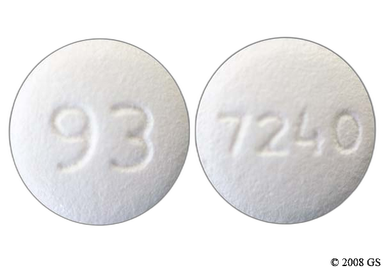
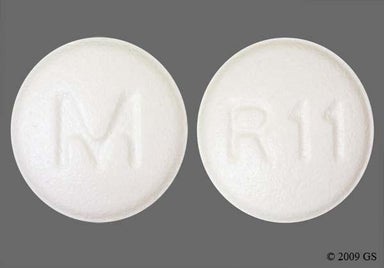
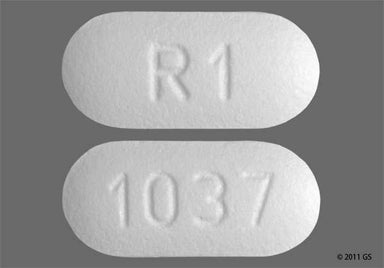
Risperidone (Risperdal) is an atypical antipsychotic that's used to improve mood, thoughts, and behaviors in people with schizophrenia, bipolar disorder, and autism. It's taken by mouth, typically once or twice daily. Common side effects of risperidone (Risperdal) include sleepiness, movement problems, and weight gain. Risperidone (Risperdal) can interact with some medications, such as certain antidepressants or blood pressure medications. Taking these medications together can make certain side effects worse.

Risperidone (Risperdal) is an atypical antipsychotic. It's not completely known how risperidone (Risperdal) works, but it's thought to work by balancing out the levels of chemicals (dopamine and serotonin) in your brain to help control your thoughts, mood, and behaviors.
| Common Brands | Risperdal, Risperdal M-Tab |
|---|---|
| Drug Class | Atypical antipsychotic |
| Controlled Substance Classification | Not a controlled medication |
| Generic Status | Lower-cost generic available |
| Availability | Prescription only |

The following side effects may get better over time as your body gets used to the medication. Let your healthcare provider know immediately if you continue to experience these symptoms or if they worsen over time.
Adults:
Children:
Adults:
Children:
Please note: Side effects listed here were reported by people taking risperidone for bipolar in clinical studies. The side effects you experience might differ if you're taking risperidone for a different condition.
Contact your healthcare provider immediately if you experience any of the following.
Along with its needed effects, a medicine may cause some unwanted effects. Although not all of these side effects may occur, if they do occur they may need medical attention.
Check with your doctor immediately if any of the following side effects occur:
More common
Aggressive behavior
agitation
changes in vision, including blurred vision
difficulty concentrating
difficulty speaking or swallowing
inability to move the eyes
increase in amount of urine
loss of balance control
mask-like face
memory problems
muscle spasms of the face, neck, and back
problems with urination
restlessness or need to keep moving (severe)
shuffling walk
skin rash or itching
stiffness or weakness of the arms or legs
tic-like or twitching movements
trembling and shaking of the fingers and hands
trouble sleeping
twisting body movements
Rare
Confusion
dizziness
drowsiness
extreme thirst
fast, shallow breathing
fast, weak heartbeat
headache
increased thirst
lip smacking or puckering
loss of appetite
muscle cramps
pale, clammy skin
poor coordination
prolonged, painful, inappropriate erection of the penis
puffing of the cheeks
rapid or worm-like movements of the tongue
shivering
talking, feeling, and acting with excitement and activity that cannot be controlled
uncontrolled chewing movements
uncontrolled twisting movements of neck, trunk, arms, or legs
unusual bleeding or bruising
unusual facial expressions or body positions
Incidence not known
Actions that are out of control
bleeding gums
blood in the urine or stools
bluish lips or skin
change in mental status
chills
clay-colored stools
clumsiness
cold sweats
cool, pale skin
dark or bloody urine
decrease in the frequency of urination
decrease in urine volume
decreased awareness or responsiveness
difficulty in passing urine (dribbling)
fainting
fast or irregular heartbeat
flushed, dry skin
fruit-like breath odor
hostility
increased hunger
increased urination
indigestion
irregular heartbeat, recurrent
irritability
large, hive-like swelling on face, eyelids, lips, tongue, throat, hands, legs, feet, or genitals
loss of consciousness
low body temperature muscle ache, twitching, or weakness
nervousness
nightmares
pains in the stomach, side, or abdomen, possibly radiating to the back
pinpoint red spots on the skin
puffiness or swelling of the eyelids or around the eyes, face, lips, or tongue
rapid weight gain
seizures
severe constipation
severe sleepiness
shakiness
slurred speech
stomach pain
swelling of the face, ankles, or hands
tightness in the chest
troubled breathing
unexplained weight loss
unpleasant breath odor
unusual drowsiness, dullness, tiredness, weakness, or feeling of sluggishness
vomiting
vomiting of blood
weak or feeble pulse
yellow eyes or skin
Some side effects may occur that usually do not need medical attention. These side effects may go away during treatment as your body adjusts to the medicine. Also, your health care professional may be able to tell you about ways to prevent or reduce some of these side effects. Check with your health care professional if any of the following side effects continue or are bothersome or if you have any questions about them:
Less common
Absent, missed, or irregular menstrual periods
body aches or pain
breast swelling or soreness
dandruff
darkening of skin color
decreased interest in sexual intercourse
ear congestion
inability to have or keep an erection
increase in body movements
increased watering of the mouth
joint pain
loss in sexual ability, desire, drive, or performance
loss of voice
oily skin
pain or tenderness around the eyes and cheekbones
stopping of menstrual bleeding
toothache
unusual breast milk production
Incidence not known
change in taste
enlargement of the penis or testes
growth of pubic hair
loss of taste
rapid increase in height
sleepwalking
thinning or loss of hair
Other side effects not listed may also occur in some patients. If you notice any other effects, check with your healthcare professional.
Call your doctor for medical advice about side effects. You may report side effects to the FDA at 1-800-FDA-1088.



More tips for the risperidone (Risperdal) oral solution:

Risperidone (Risperdal) can cause some serious health issues. This risk may be even higher for certain groups. If this worries you, talk to your doctor or pharmacist about other options.
 People over the age of 65 who also have dementia sometimes have some of the symptoms of schizophrenia, like hallucinations and delusions. This is called dementia-related psychosis, and it should not be treated with risperidone (Risperdal). If risperidone (Risperdal) is used for dementia-related psychosis, it can cause death. In clinical studies, the cause of death is often linked to stroke or other blood vessel problems. Let your provider know if you or your loved one has dementia before starting risperidone (Risperdal).
Taking antipsychotic medications like risperidone (Risperdal) can cause a rare, but life-threatening condition called neuroleptic malignant syndrome. Be aware of symptoms, such as fever, sweating, stiff muscles, confusion, not aware of your surroundings, and fast or irregular heartbeat. If you experience any of these symptoms while taking risperidone (Risperdal), get medication attention as soon as possible. Your provider will likely have you stop taking risperidone (Risperdal) and switch you to something else.
Risperidone (Risperdal) can cause uncontrolled and possibly permanent muscle movements in the tongue, face, mouth, lips, neck, hands, arms, legs, and feet (tardive dyskinesia). To lower your risk of tardive dyskinesia, take the lowest dose possible for the shortest period of time for your symptoms. Stop taking risperidone (Risperdal) and talk to your provider right away if you notice any unusual movements you can't control.
Risperidone (Risperdal) can raise your blood sugar and cholesterol levels as well as raise your appetite, all of which can lead to weight gain. Your provider will likely order blood tests regularly throughout treatment with risperidone (Risperdal) to make sure your blood sugar and cholesterol aren't too high. Make sure to have a healthy and balanced diet low in fat and sugar and maintain a regular exercise routine while receiving risperidone (Risperdal).
Risperidone (Risperdal) can cause prolactin hormone levels in your blood to go up. High prolactin levels can lead to symptoms such as milky substances being released from the nipple, enlarged breasts, and absent or irregular menstrual periods. Talk to your healthcare provider if you experience or have any concerns about these symptoms.
Risperidone (Risperdal) can make you tired, lower your blood pressure, or cause you to lose your balance, which can lead to falls. When standing from a sitting or lying position, make sure to get up slowly and hold onto something. If you experience a fall while taking risperidone (Risperdal), contact your provider.
Though rare, risperidone (Risperdal) can lower your white blood cell counts (WBCs) and put you at risk for developing infections. You might need to get blood tests done regularly during the first few months of taking risperidone (Risperdal) so your provider can make sure your WBCs are in a safe range. If your WBC count drops too low, you'll likely need to stop taking risperidone (Risperdal). If you develop any signs of infection, such as fever, tiredness, chills, cough, or trouble breathing, and they don't go away, contact your provider right away.
Risperidone (Risperdal) can cause extreme sleepiness and lower your ability to think, react, and focus. Your risk is higher if you're also taking other medications that can cause drowsiness, such as benzodiazepines, anxiety medications, muscle relaxants, and sleep medications. Make sure you know how this medication affects you before driving a car or doing activities that require your concentration. Talk to your healthcare provider right away if you feel too sleepy from risperidone (Risperdal).
Risperidone (Risperdal) can potentially cause seizures. Before starting this medication, let your provider know if you have a history of seizures or have a medical condition that puts you at risk for getting seizures.
Although rare, risperidone (Risperdal) can cause prolonged and painful erections, which sometimes requires surgery to treat. If you develop a prolonged erection that lasts longer than 4 hours, get medical attention right away.
The risperidone (Risperdal M-Tab) orally disintegrating tablets (ODTs) contain phenylalanine, a component of the artificial sweetener aspartame. If you have a genetic condition called phenylketonuria (PKU), taking the ODTs can be dangerous for you. Let your provider know if you have PKU so they can prescribe a different formulation of risperidone (Risperdal) that might be safer for you.

 Dropper
| Dosage | Quantity | Price as low as | Price per unit |
|---|---|---|---|
| 30ml of 1mg/ml | 1 dropper | $22.87 | $22.87 |
 Orally disintegrating tab
| Dosage | Quantity | Price as low as | Price per unit |
|---|---|---|---|
| 2mg | 60 orally disintegrating tabs | $53.72 | $0.90 |
| 3mg | 30 orally disintegrating tabs | $40.46 | $1.35 |
| 4mg | 30 orally disintegrating tabs | $52.05 | $1.74 |
| 0.5mg | 30 orally disintegrating tabs | $35.26 | $1.18 |
| 1mg | 30 orally disintegrating tabs | $37.50 | $1.25 |
| 0.25mg | 30 orally disintegrating tabs | $39.49 | $1.32 |
Oral risperidone (Risperdal) is available as oral solution, dissolvable tablets, and tablets.
Your provider will determine you dose of risperidone (Risperdal) based on your condition and whether you have kidney or liver problems. They'll adjust your dose over time, if needed.
Schizophrenia
Bipolar I disorder
Irritability associated with autism

Although certain medicines should not be used together at all, in other cases two different medicines may be used together even if an interaction might occur. In these cases, your doctor may want to change the dose, or other precautions may be necessary. When you are taking this medicine, it is especially important that your healthcare professional know if you are taking any of the medicines listed below. The following interactions have been selected on the basis of their potential significance and are not necessarily all-inclusive.
Using this medicine with any of the following medicines is not recommended. Your doctor may decide not to treat you with this medication or change some of the other medicines you take.
Using this medicine with any of the following medicines is usually not recommended, but may be required in some cases. If both medicines are prescribed together, your doctor may change the dose or how often you use one or both of the medicines.
Using this medicine with any of the following medicines may cause an increased risk of certain side effects, but using both drugs may be the best treatment for you. If both medicines are prescribed together, your doctor may change the dose or how often you use one or both of the medicines.


Contraindications are specific health conditions or situations in which a person should not take a medication due to safety concerns. If you have any of the following conditions or if any of the following apply to you, let your healthcare provider know because Risperidone (Risperdal) will not be safe for you to take.











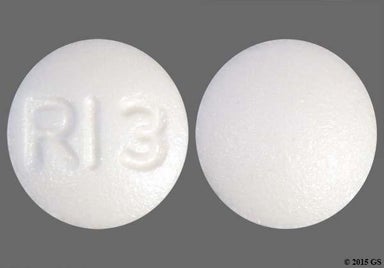
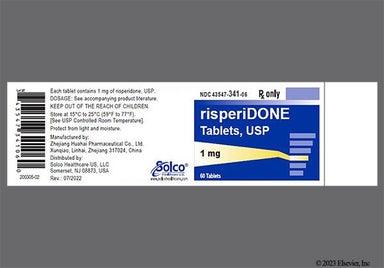
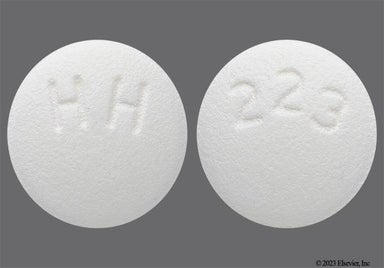

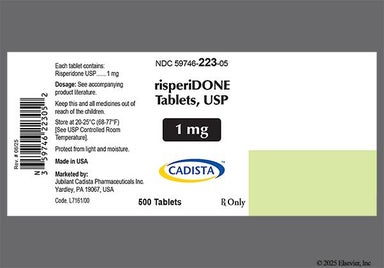
Prescription savings
Stop paying too much for your prescriptions. Compare prices, get pharmacy coupons, and save up to 80%. Find expert answers to your health questions so you can make the best decisions for yourself and your family.
Health conditions
Medications & treatment
Access & affordability
 Our monthly healthcare membership can help you save thousands on your prescription costs.
Resources

In a study, some people noticed their symptoms improving in 2 to 6 days after starting Risperidone for psychosis. In other studies involving people with bipolar or schizophrenia, people noticed their condition getting better within a month. Also, studies showed that irritability related to autism improved within a few weeks to months for children who took Risperidone. Keep in mind that each person responds to Risperidone differently. And, it can take some time to get to a dose of Risperidone that works best for you. Talk with your provider if you're not sure whether this medication is working for you.
Talk with your provider to see how long you should continue taking Risperidone. More research is needed to learn about the long-term effects of taking this medication. But a study showed that Risperidone was safe and continued to work well to control symptoms due to schizophrenia after a year of treatment. Your provider might have you continue taking Risperidone as long as its helping your symptoms and you're not having serious side effects. Otherwise, your provider might switch you to a different medication.
No, Risperidone isn't a controlled substance because it doesn't have a risk of addiction, misuse, or dependence.
Yes, it's possible to gain weight from taking Risperidone. In studies, some people taking Risperidone gained at least 7% of their body weight before starting the medication. People who took higher doses of Risperidone experienced more weight gain. To lower your risk for weight gain while taking Risperidone, make sure to have a healthy diet and regular exercise routine. Contact your provider if you're uncomfortable with how much weight you've gained while on Risperidone. They might give you medications to treat the weight gain or switch you to a different medication.
Yes, sleepiness is one of the more common side effects of Risperidone. But some people also experience other sleep problems while taking Risperidone, including trouble falling asleep or vivid dreams. When you first start Risperidone, pay attention to how this medication is affecting your sleep. If it's making you too sleepy or interrupting your sleep, contact your provider. They can try to ease the side effect by making changes to your dose or the timing of when you take this medication.
Stopping Risperidone too suddenly can cause withdrawal symptoms, such as nausea, vomiting, and dizziness. Make sure to take Risperidone exactly as prescribed. If you're interested in stopping the medication, contact your provider. They'll give you specific instructions on how to lower your dose slowly over a period of time before completely stopping the medication.
