



Is Gabapentin a Controlled Substance? In Some States, Yes
Gabapentin is a controlled substance in states like Michigan and Kentucky, while others have mandated reporting rules. Learn about its risk for abuse here.
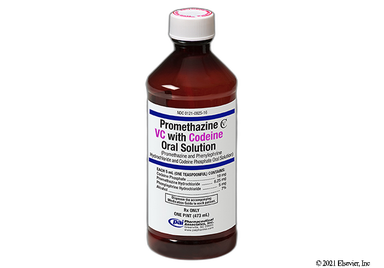
Promethazine VC with Codeine is a combination medication containing promethazine (an antihistamine), phenylephrine (a decongestant), and codeine (an opioid cough suppressant). Promethazine VC with Codeine is a prescription oral solution (liquid) used for the treatment of symptoms caused by allergies or the common cold, such as congestion, cough, runny nose, and sneezing. The medication is taken by mouth, typically every 4 to 6 hours as needed. Side effects include sleepiness, headache, and dizziness.

Promethazine VC with Codeine is a combination of three medications that work together to relieve the symptoms related to allergies and the common cold like cough, runny nose, and congestion.
| Common Brands | Promethazine VC with Codeine |
|---|---|
| Drug Class | Phenothiazine / Alpha-1 adrenergic receptor agonist / Opioid |
| Controlled Substance Classification | Schedule V |
| Generic Status | Lower-cost generic available |
| Availability | Prescription only |

Promethazine VC with Codeine can cause some serious health issues. This risk may be even higher for certain groups. If this worries you, talk to your doctor or pharmacist about other options.
 The codeine in Promethazine VC with Codeine carries a risk of addiction or misuse, even at recommended doses. In serious cases, addiction and misuse of an opioid medication can lead to overdose and death. For these reasons, Promethazine VC with Codeine is a schedule V controlled substance. Your healthcare professional (HCP) will prescribe the lowest amount of Promethazine VC with Codeine for the shortest period of time needed to treat your symptoms. If you've taken Promethazine VC with Codeine for 5 days and your cough hasn't gotten better, then this medication isn't likely a good choice for you. In this case, contact your prescriber to discuss alternatives.
Promethazine VC with Codeine can cause dangerously slow breathing, which can be life-threatening. This can happen at any time, but you're at higher risk 1 to 3 days right after you start Promethazine VC with Codeine or if your HCP raises your dose. Drinking alcohol and taking other medications, like benzodiazepines, can also raise your risk for this dangerous side effect. You're recommended to ask your prescriber about getting naloxone (Narcan) before you start Promethazine VC with Codeine so that you can have it available in case of an accidental overdose. If you or your loved one notice you have trouble breathing or have bluish-colored lips, fingers, or toes, call 911 to get medical help right away.
Promethazine VC with Codeine can cause extreme sleepiness and lower your ability to think, react, and focus. Your risk is higher if you're taking other medications that can make you sleepy, such as benzodiazepines, muscle relaxants, and sleep medications. Make sure you know how this medication affects you before driving a car or doing activities that require your concentration. Talk to your HCP right away if you feel too sleepy from taking Promethazine VC with Codeine.
To prevent accidentally taking too much Promethazine VC with Codeine, only use an accurate measuring device, such as an oral medication syringe, to measure your dose. If you don't already have one at home, ask your pharmacist.
Promethazine VC with Codeine can interact with many medications. For example, taking certain medications, like erythromycin (Ery-tab) and ritonavir (Norvir), can raise the level of codeine and put you at higher risk for breathing problems. And starting certain medications, like rifampin (Rifadin) or carbamazepine (Tegretol), while you're already taking Promethazine VC with Codeine might lower the level of codeine and put you at risk for withdrawal symptoms.
Before starting Promethazine VC with Codeine, make sure your care team is aware of all the medications you're currently taking. Don't start or stop any medications without first checking with your care team.
If you take Promethazine VC with Codeine during pregnancy, you can pass the medication to your unborn baby. Long-term use during pregnancy can cause your unborn baby to become dependent on opioids. Once your baby is born, they can experience withdrawal symptoms, such as high-pitched crying, poor feeding and sucking behavior, trembling, irritability, abnormal sleep patterns, and seizures. This condition is called neonatal opioid withdrawal syndrome and can be life-threatening if not recognized and treated in time. Let your healthcare professional know if you've used Promethazine VC with Codeine during pregnancy or if you notice these symptoms in your baby.
People with certain medical conditions shouldn't take Promethazine VC with Codeine.
For example, this medication can't be taken by people with certain stomach-related conditions, such as slow movement of the gut. The codeine in this medication can worsen gut movement.
Promethazine VC with Codeine isn't appropriate for people with head injuries, brain tumors, or other brain-related medical conditions. This is because this medication can slow breathing and lower oxygen levels in the brain, which can be dangerous.
Before starting Promethazine VC with Codeine, make sure to let your medical team know about what medical conditions you have so that they can check to see if this medication is safe for you to take.
The promethazine in Promethazine VC with Codeine can cause a rare, but life-threatening condition called neuroleptic malignant syndrome (NMS). Symptoms include fever, sweating, stiff muscles, confusion, not aware of your surroundings, and fast or irregular heartbeat. If you experience any of these symptoms while taking Promethazine VC with Codeine, seek medication attention as soon as possible. Your HCP will likely have you stop taking Promethazine VC with Codeine and switch you to something else.
Promethazine VC with Codeine contains phenylephrine, which can raise your heart rate and blood pressure, even at recommended doses. However, Promethazine VC with Codeine also contains codeine, which can have the opposite effect and cause your blood pressure to drop, especially when you stand from a sitting or lying down position. This can lead to dizziness and cause you to pass out or fall. People with certain heart conditions are more likely to experience this side effect. To avoid falling, get up slowly if you've been sitting or lying down. If dizziness or lightheadedness doesn't go away, talk to your healthcare professional. Depending on your medical conditions, your prescriber might recommend measuring your blood pressure at home to see how you react to the medication.
Codeine and promethazine can cause people with a history of seizures to have seizures more often. Promethazine VC with Codeine can also raise your risk of seizures in certain situations. Let your HCP know if you have seizures more often while taking Promethazine VC with Codeine.
Though not common, promethazine in Promethazine VC can lower your white blood cell counts, especially if they've been low previously from other conditions. This can raise your risk of serious infection. If you develop any signs of infection, such as fever, tiredness, chills, cough, or trouble breathing, and they don't go away, contact your prescriber right away.
The promethazine in Promethazine VC with Codeine can cause uncontrolled body movements (called tardive dyskinesia), such as eye-twitching or lip-smacking. The risk is higher for people who are dehydrated. If you experience any uncontrolled movements and aren't able to stop them, talk to your HCP right away.
Though rare, opioids like Promethazine VC with Codeine can cause your adrenal hormone levels to drop. This is more likely to happen after taking opioids for longer than 1 month. Symptoms include nausea, vomiting, not feeling hungry, tiredness, dizziness, and weakness. Let your HCP know right away if you experience these symptoms because you might need to stop Promethazine VC with Codeine and be treated with corticosteroids.
Promethazine VC with Codeine can interfere with certain lab tests. For example, it can cause pregnancy tests to have false-positive or false-negative results. It can also cause blood sugar tests to be falsely high. Make sure to tell your HCP you're taking Promethazine VC with Codeine if you're receiving any lab tests.

The following side effects may get better over time as your body gets used to the medication. Let your healthcare provider know immediately if you continue to experience these symptoms or if they worsen over time.
Contact your healthcare provider immediately if you experience any of the following.





Contraindications are specific health conditions or situations in which a person should not take a medication due to safety concerns. If you have any of the following conditions or if any of the following apply to you, let your healthcare provider know because Promethazine VC with Codeine will not be safe for you to take.


Prescription savings
Stop paying too much for your prescriptions. Compare prices, get pharmacy coupons, and save up to 80%. Find expert answers to your health questions so you can make the best decisions for yourself and your family.
Health conditions
Medications & treatment
Access & affordability
Medication discounts

Promethazine Vc With Codeine contains codeine, an opioid cough suppressant. It's thought to work by attaching to certain receptors in the brain that control the urge to cough. But studies are mixed about how well it works for cough. Contact your prescriber if your cough doesn't get better after 5 days of starting Promethazine Vc With Codeine because they will ask you to consider other options. Continuing to take Promethazine Vc With Codeine can raise your risk for dependence and serious side effects, such as extreme sleepiness and trouble breathing.
Yes, Promethazine Vc With Codeine contains phenylephrine, a decongestant. Based on how it works in the body, you should expect to feel relief from your symptoms about 15 to 20 minutes after a dose. But recent studies suggest that oral phenylephrine doesn't work well at easing nasal or sinus congestion. If your congestion symptoms aren't getting better with Promethazine Vc With Codeine, ask your prescriber about other recommendations. Continuing to take Promethazine Vc With Codeine when it isn't helping won't make you feel better, but can put you at risk for serious side effects.
One of the ingredients in Promethazine Vc With Codeine is codeine, which can be habit-forming. To lower the risk for dependence or addiction, your healthcare professional (HCP) will prescribe the lowest dose of Promethazine Vc With Codeine needed for the shortest period of time to treat your symptoms. Only take Promethazine Vc With Codeine as directed by your HCP.
Yes, Promethazine Vc With Codeine is only available by prescription from a healthcare professional.
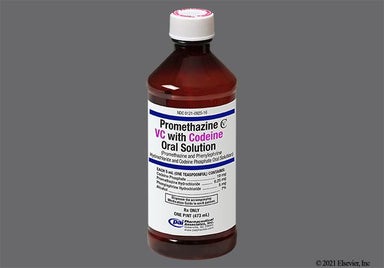
The brand version, Promethazine Vc With Codeine, is a strawberry-flavored liquid that's a clear, reddish-orange color. But generic versions of this medication can look and taste different.
