

How to Prevent Measles: 6 Practical Tips From Healthcare Experts
Measles is highly contagious and can spread through the air with coughing and sneezing. Here are six expert-backed ways to prevent measles.
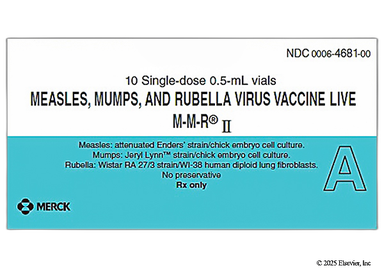
MMR II and Priorix are live vaccines that protect you against 3 viruses: measles, mumps, and rubella (MMR). They're both injections given as 2 doses under the skin. Typically, these vaccines are given as part of the routine vaccination series for children under 6 years old. Older children and adults may also need 1 or 2 doses of MMR vaccine if they haven't already received it.

MMR II and Priorix are both vaccines that protect you from infection from measles, mumps, and rubella. They're live-attenuated vaccines that're made from a weakened version of the live viruses. Both vaccines help your body's immune system make antibodies against the MMR viruses. If you ever become infected with MMR, these antibodies will attack the viruses and fight off the infection.
| Common Brands | MMR II, Priorix |
|---|---|
| Drug Class | Vaccine |
| Controlled Substance Classification | Not a controlled medication |
| Generic Status | No lower-cost generic available |
| Availability | Prescription only |

The following side effects may get better over time as your body gets used to the medication. Let your healthcare provider know immediately if you continue to experience these symptoms or if they worsen over time.
Contact your healthcare provider immediately if you experience any of the following.
Side effects that you should report to your care team as soon as possible:
Side effects that usually do not require medical attention (report these to your care team if they continue or are bothersome):




MMR vaccine can cause some serious health issues. This risk may be even higher for certain groups. If this worries you, talk to your doctor or pharmacist about other options.
As with any vaccine, there's a rare chance that your child might have a severe allergic reaction to MMR vaccine. In particular, people with a severe allergy to eggs or egg products shouldn't receive MMR II because it can contain egg protein. Additionally, people with an allergy to latex should also be careful when receiving Priorix since the cap of the prefilled syringe is made of latex. If it's your child's first dose, your provider will typically ask you and your child to stay at the pharmacy or clinic for a short period of time after they've received their vaccine. This is to make sure your child gets proper care in case of a serious allergic reaction. Sometimes, these reactions can happen after you've already left the clinic. Get medical help right away if your child has symptoms such as feeling faint, face swelling, tightness in your throat, difficulty breathing, hives, rash, dizziness, shaking, nausea, or chest pain.
Although rare, MMR vaccine can put your child at risk for fever with seizures within the first 2 weeks after they've received the vaccine. Let your child's provider know if they've ever had a febrile seizure or have a family history of febrile seizures before getting MMR vaccine, you'll need to be careful and monitor your child for fevers and get medical help if needed.
MMR vaccine can lower your child's platelet count temporarily. In people who received MMR II, this usually happens 4 to 6 weeks after injection. Platelets are cells in your blood that form clots to stop you from bleeding. A low platelet count raises your child's risk for severe bleeding. For most people, this temporary drop in platelet count won't cause problems. But if your child already has low platelet count because of a medical condition, this can put them at higher risk for bleeds. Get medical help if your child has symptoms such as difficulty stopping a bleed, bruises that don't go away, or feeling lightheaded, dizzy, or confused.
People with weakened immune systems should avoid MMR vaccine. This is because you or your child might get seriously sick from the weakened, but active viruses in the vaccine. People with weakened immune systems include those with certain medical conditions (e.g., human immunodeficiency virus (HIV) or cancer) and those taking medications that can weaken the immune system (e.g., high-dose corticosteroids or transplant medications). If you or your child has a family history of immunodeficiency (poor immune system function), you'll need to check with your or your child's provider about other vaccine options. Make sure to tell your healthcare providers about you or your child's medical history before receiving MMR vaccine.
MMR vaccine shouldn've be used by people who are pregnant. Even though this vaccine contains weakened forms of the measles, mumps, and rubella viruses, there's still a possibility that pregnant people can get infected from the vaccine. If this happens, the viruses can cause birth defects, premature birth, or death to the unborn baby. If you're already pregnant, wait until after you give birth to get MMR vaccine. If you're thinking of becoming pregnant, avoid getting pregnant for at least a month after you get this vaccine. Talk with your provider if you have any questions about MMR and pregnancy.

 Dose
Dose| Dosage | Quantity | Price as low as | Price per unit |
|---|---|---|---|
| 0.5ml | 1 dose | $110.50 | $110.50 |


Contraindications are specific health conditions or situations in which a person should not take a medication due to safety concerns. If you have any of the following conditions or if any of the following apply to you, let your healthcare provider know because MMR vaccine will not be safe for you to take.









Prescription savings
Stop paying too much for your prescriptions. Compare prices, get pharmacy coupons, and save up to 80%. Find expert answers to your health questions so you can make the best decisions for yourself and your family.
Health conditions
Medications & treatment
Access & affordability
Medication discounts


MMR vaccine is recommended for all children in the United States. Adults who don't have evidence of immunity, such as those without an immunization record, should get at least 1 dose of MMR vaccine. Some adults might need 2 doses (e.g., college students, healthcare workers, and international travelers). Ask your provider or pharmacist if you aren't sure if you or your child need to receive MMR.
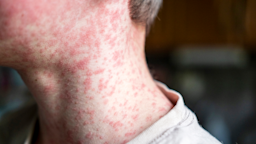
MMR lowers your risk for infection with 3 viruses, measles, mumps, and rubella, or commonly known as MMR. Typical symptoms include fever, headache, sore throat, tiredness, rash, but each infection has other symptoms as well. These infections can be dangerous, especially for children, and can cause serious complications, such as severe infections throughout the body, swelling of the brain or spinal cord, or even death.
There are 3 vaccines that can protect against MMR: MMR II, Priorix, and ProQuad (MMRV vaccine). One of the main difference between these 3 vaccines is what they protect against. All 3 of these vaccines protect against MMR. But ProQuad protects against an additional virus, varicella (chickenpox). Another difference is who can get them. ProQuad is typically used in children (ages 1 to 12 years old), whereas MMR II and Priorix can be given to both adults and children (ages 1 year and older). The CDC currently recommends MMR II and Priorix over ProQuad. Ask your provider which vaccine is best for you or your child.
If your child is receiving MMR as part of their routine vaccines, then they should follow the CDC's guidelines for MMR (first shot around age 1 years old, then a second shot between ages 4 to 6 years old). However, if you or your child needs to receive MMR in special circumstances, then you can get the 2 doses of MMR a month apart. Talk with your provider if you have any questions about vaccine schedules.
Yes, both MMR II and Priorix are interchangeable, which means your first dose can be MMR II and your second dose can be Priorix. However, Advisory Committee on Immunization Practices (ACIP) recommends to use the same manufacturer, if possible, to finish your vaccination series. If you can't find either MMR II and Priorix at your local pharmacy, ask your provider or pharmacist for help.
No, you shouldn't get MMR if you're pregnant. Because MMR is made from a weakened form of a live virus, there's a small risk that pregnant people can get infected from the vaccine. If this happens, the viruses can cause birth defects, premature birth, or death to the unborn baby. If you're already pregnant, wait until after you give birth to receive MMR. If you're thinking of becoming pregnant, avoid getting pregnant for at least a month after you get MMR. Talk with your provider if you have any questions about MMR vaccines and pregnancy.
