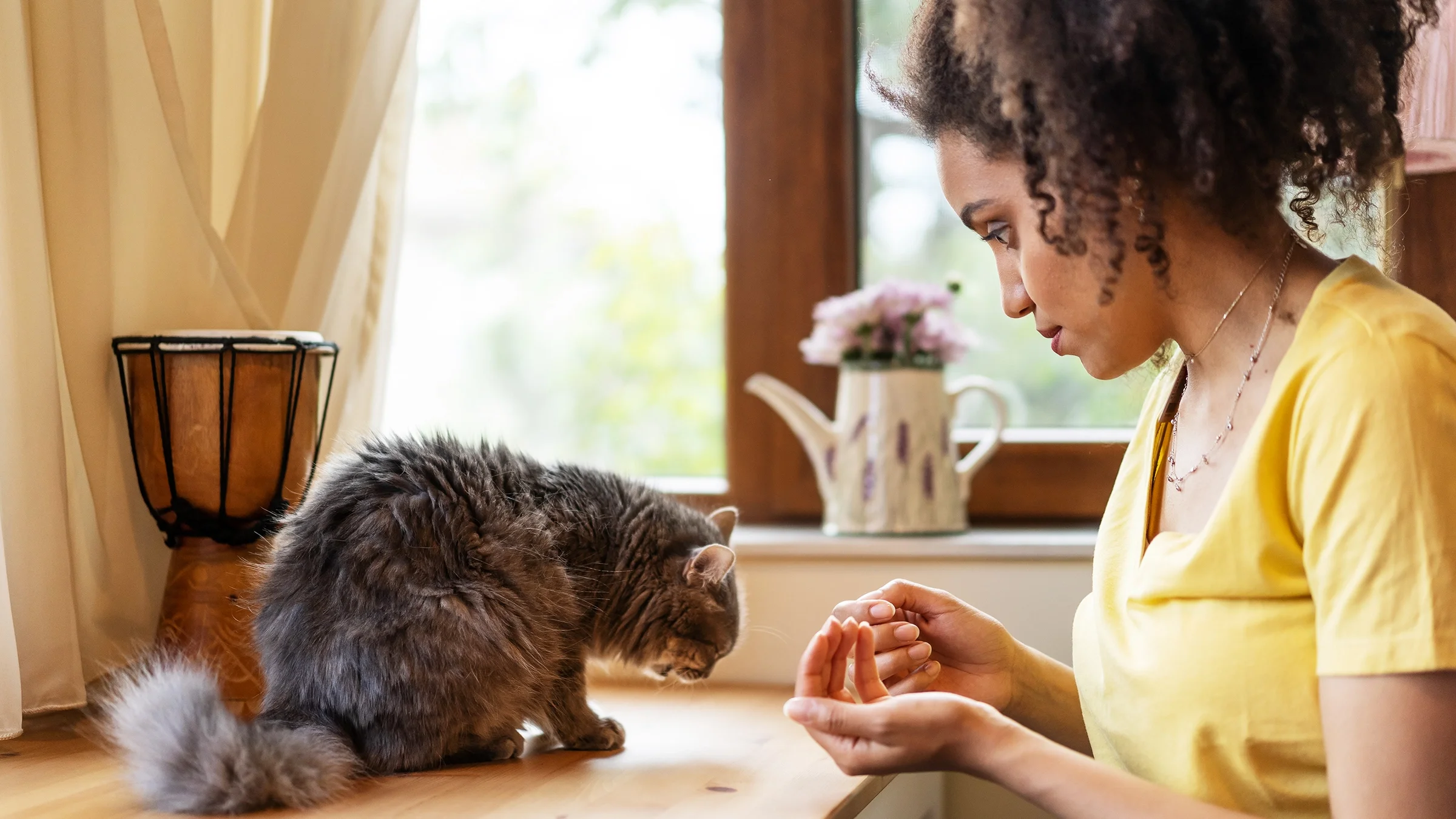
Key takeaways:
Onsior (robenacoxib) for cats is a once-daily, flavored tablet that helps reduce pain and inflammation.
Onsior is FDA approved to be given to cats for a maximum of 3 days to manage pain associated with orthopedic surgery and spaying or neutering.
Onsior may be prescribed off-label for longer-term use in some cats, but there are risks that pet parents should be aware of.
Save on related medications
When it comes to managing pain in cats, the options for pain medications are limited. Onsior (robenacoxib) for cats is a nonsteroidal anti-inflammatory drug (NSAID) that is approved by the FDA to manage pain in cats in certain situations.
In this article, we’ll cover how Onsior works, what types of pain it’s used for, and the potential adverse effects and safety concerns associated with the medication.
Onsior for cats at a glance
Common names | Onsior (robenacoxib) |
What it treats | Pain and inflammation, especially after surgery |
How it comes (forms) | Flavored tablets, injection |
Standard dosage | For a cat who weighs 5.5 lbs to 13.2 lbs, the dosage is one 6 mg tablet daily. For cats weighing 13.3 lbs or more, the dosage is two 6 mg tablets daily. |
Common side effects | Decreased appetite, soft stool, vomiting, lethargy |
Average cost |
What is Onsior for cats, and how does it work?
Onsior is the brand-name version of the medication robenacoxib. Onsior is an NSAID that is FDA approved to relieve pain and inflammation in cats after surgery. It is the first NSAID that is FDA approved for use in cats.
Search and compare options
Onsior works by blocking certain enzymes (proteins that cause chemical reactions) that lead to inflammation. It is considered safer for cats than other NSAIDs because it is much more selective in which enzymes it blocks. As a result, Onsior is less likely to cause NSAID side effects that cats are especially sensitive to.
What is Onsior used for in cats?
Onsior for cats is used to treat pain and inflammation after orthopedic surgery and spay or neuter surgery. Onsior for cats is FDA approved for up to 3 days after these surgical procedures.
Options to manage pain are very limited for cats. Onsior is the only NSAID that is FDA approved for use in cats. It’s often considered the safest choice for pain related to short-term issues, including broken bones and other injuries.
Off-label uses for Onsior include managing acute pain for up to 6 days and managing chronic pain from arthritis for up to 1 month. According to studies, cats with arthritis did well taking Onsior for 1 month, including some cats with chronic kidney disease. No negative side effects or changes to lab work (including liver and kidney values) were detected in these cases.
As with any NSAID, cat parents should weigh the potential risks and benefits of long-term use of Onsior. The potential risks and benefits differ for each cat, so it’s important to talk to your vet about the medication.
If your cat is prescribed Onsior for longer-term use, follow your veterinarian’s directions carefully. Their directions may vary significantly from the instructions on the label.
How is Onsior given to cats, and what is the standard dosage?
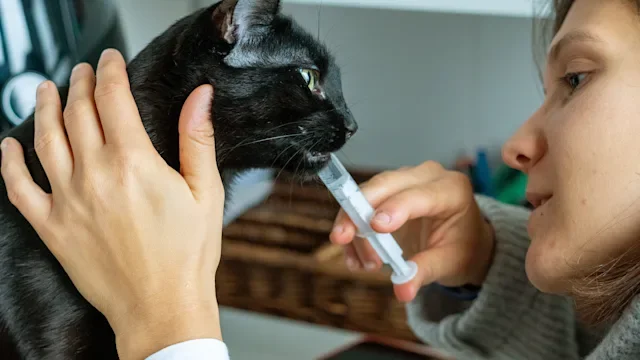
According to the manufacturer’s instructions, the standard Onsior dosage for a cat who weighs 5.5 lbs to 13.2 lbs is one 6 mg tablet daily. For cats weighing 13.3 lbs or more, the dosage is two 6 mg tablets daily.
Additional dosage-related information includes:
Onsior for cats is FDA approved to be used once daily for up to 3 days.
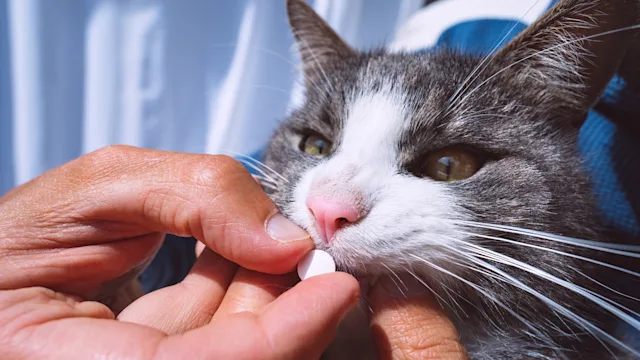
Onsior flavored tablets are not scored and should not be split in half.
Onsior is approved to be used in cats who weigh more than 5.5 lbs, since the tablets can’t be separated into smaller doses for cats who weigh less.
Onsior for cats can be taken with or without food. But giving your cat the medication without food may increase its absorption.

Read more like this
Explore these related articles, suggested for readers like you.

Onsior for cats also comes in an injectable form. But this form of the medication is used only in veterinary hospitals. Injectable Onsior is typically given before surgery to reduce pain after surgery.
What should you do if your cat misses a dose of Onsior?
If your cat misses a dose of Onsior, give them the next dose as soon as possible and note the time. Then give them their next dose at that new time the next day.
What are the common side effects of Onsior in cats?
The most common side effects of Onsior for cats include:
Decreased appetite
Soft stool
Vomiting
Lack of energy
These side effects are generally temporary and go away after your cat stops taking the medication.
What are the most serious risks of Onsior for cats?
Although Onsior is generally considered safer for short-term use in cats compared with other NSAIDs, there is still a risk for serious effects. The most common adverse side effects reported with Onsior, and other NSAIDs, are:
Stomach upset
Stomach ulcers
Kidney damage
Liver damage
Bleeding disorders
Very rare, but potential, side effects of Onsior for cats include:
Bloody urine
Breathing problems
Incoordination
Death
These rare side effects are thought to be related to kidney failure. Onsior side effects are more likely in cats who are:
Generally sick
Dehydrated
Taking a diuretic medication
Diagnosed with preexisting liver, heart, or kidney problems
Does Onsior interact with other cat medications?
Onsior for cats should not be given with other NSAIDs or with steroids, including:
Angiotensin-converting enzyme (ACE) inhibitors like enalapril
Baby aspirin
Budesonide
Depo-Medrol injections
Diuretics
Methotrexate
Other NSAIDs like meloxicam
Prednisolone and other steroids
Before you give Onsior to your cat, tell your vet about over-the-counter medications and supplements your cat takes on a regular basis.
Frequently asked questions
Onsior, especially the injectable version given to cats before surgery, should start to work within 30 minutes of being given the medication. The medication seems to work faster if given without food.
Cats’ bodies do not process NSAID medications like Onsior well. This means giving cats NSAIDs for a longer period of time can lead to serious side effects like kidney and liver damage. Research on Onsior’s safety for cats found that the risk of these serious side effects stays low if the medication isn’t given for longer than 3 days.
Onsior, especially the injectable version given to cats before surgery, should start to work within 30 minutes of being given the medication. The medication seems to work faster if given without food.
Cats’ bodies do not process NSAID medications like Onsior well. This means giving cats NSAIDs for a longer period of time can lead to serious side effects like kidney and liver damage. Research on Onsior’s safety for cats found that the risk of these serious side effects stays low if the medication isn’t given for longer than 3 days.
The bottom line
Onsior (robenacoxib) for cats is a generally safe and effective medication that is FDA approved to manage pain in certain situations. The medication is most often used on a short-term basis to treat pain and inflammation after surgery in cats.
Caution should always be taken when giving a nonsteroidal anti-inflammatory drug (NSAID), like Onsior, to cats since they can have serious side effects. And make sure to follow your veterinarian’s instructions when giving your cat Onsior.

Why trust our experts?




References
Adrian, D., et al. (2021). Robenacoxib shows efficacy for the treatment of chronic degenerative joint disease-associated pain in cats: A randomized and blinded pilot clinical trial. Scientific Reports.
Brooks, W. (2023). Robenacoxib (Onsior). Veterinary Partner.
Elanco. (n.d.). Onsior® (robenacoxib) for cats.
Elanco US. (2024). Onsior- robenacoxib tablet [package insert]. DailyMed.
King, J. N., et al. (2016). Clinical safety of robenacoxib in feline osteoarthritis: Results of a randomized, blinded, placebo-controlled clinical trial. Journal of Feline Medicine and Surgery.
Lees, P., et al. (2022). Pharmacology, safety, efficacy and clinical uses of the COX-2 inhibitor robenacoxib. Journal of Veterinary Pharmacology and Therapeutics.
U.S. Food and Drug Administration. (2022). Pain reliever facts for dogs and cats. Veterinary Partner.