


How Much Is Doxycycline Without Insurance?
Learn how much doxycycline costs without insurance and how to save with GoodRx. The price depends on the dose, the form, and the location of your pharmacy.
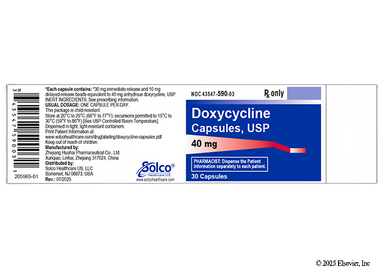
Doxycycline (Oracea) is a tetracycline antibiotic used to treat rosacea in adults. It specifically helps with the pimple-like bumps caused by rosacea. Doxycycline (Oracea) comes as a capsule that's taken by mouth once daily in the morning. Side effects can include common cold symptoms and diarrhea.

Doxycycline (Oracea) is a tetracycline antibiotic. The way it works to treat rosacea isn't fully understood. But it's thought calm down inflammation in the skin.
| Common Brands | Oracea |
|---|---|
| Drug Class | Tetracycline antibiotic |
| Controlled Substance Classification | Not a controlled medication |
| Generic Status | Lower-cost generic available |
| Availability | Prescription only |

The following side effects may get better over time as your body gets used to the medication. Let your healthcare provider know immediately if you continue to experience these symptoms or if they worsen over time.
Contact your healthcare provider immediately if you experience any of the following.
Along with its needed effects, a medicine may cause some unwanted effects. Although not all of these side effects may occur, if they do occur they may need medical attention.
Check with your doctor immediately if any of the following side effects occur:
Incidence not known
Blistering, peeling, or loosening of the skin
chills
clay-colored stools
dark urine
decreased appetite
diarrhea, watery and severe, which may also be bloody
difficulty with swallowing
dizziness
fast heartbeat
feeling of discomfort
headache
hives, itching, puffiness or swelling of the eyelids or around the eyes, face, lips, or tongue
hives or welts, itching, or rash
increased thirst
indigestion
inflammation of the joints
joint or muscle pain
large, hive-like swelling on the face, eyelids, lips, tongue, throat, hands, legs, feet, or sex organs
loss of appetite
numbness or tingling of the face, hands, or feet
pain in the stomach, side, or abdomen, possibly radiating to the back
red skin lesions, often with a purple center
redness and soreness of the eyes
redness of the skin
sores, ulcers, or white spots in the mouth or on the lips
stomach cramps
stomach pain or tenderness
swelling of the feet or lower legs
swollen, painful, or tender lymph glands in the neck, armpit, or groin
tightness in the chest
unusual tiredness or weakness
unusual weight loss
vomiting
yellow eyes or skin
Some side effects may occur that usually do not need medical attention. These side effects may go away during treatment as your body adjusts to the medicine. Also, your health care professional may be able to tell you about ways to prevent or reduce some of these side effects. Check with your health care professional if any of the following side effects continue or are bothersome or if you have any questions about them:
Incidence not known
Back, leg, or stomach pains
black, tarry stools
bleeding gums
blood in the urine or stools
blurred vision
bulging soft spot on the head of an infant
change in the ability to see colors, especially blue or yellow
chest pain, discomfort, or burning
cracks in the skin
decrease in vision
difficulty breathing
discoloration of the thyroid glands
double vision
general body swelling
increased sensitivity of the skin to sunlight
loss of heat from the body
lower back or side pain
nosebleeds
pain or burning in the throat
pain with swallowing
painful or difficult urination
pale skin
pinpoint red spots on the skin
rash with flat lesions or small raised lesions on the skin
red, swollen skin
redness or other discoloration of the skin
redness, swelling, or soreness of the tongue
severe nausea
severe stomach pain
severe sunburn
tooth discoloration
unusual bleeding or bruising
vomiting blood
Other side effects not listed may also occur in some patients. If you notice any other effects, check with your healthcare professional.
Call your doctor for medical advice about side effects. You may report side effects to the FDA at 1-800-FDA-1088.


Doxycycline (Oracea) can cause some serious health issues. This risk may be even higher for certain groups. If this worries you, talk to your doctor or pharmacist about other options.
Antibiotics, such as doxycycline (Oracea), can change the normal bacteria in your gut. This can let harmful bacteria called Clostridioides difficile (C. diff) grow too much and cause a serious infection. This infection can lead to severe diarrhea, even up to 2 months after you stop the antibiotic.
It's important to know the difference between mild diarrhea from doxycycline (Oracea) and serious diarrhea from C. diff. Signs of a C. diff infection include fever, nausea, severe or watery diarrhea, foul-smelling diarrhea, frequent bowel movements, or bloody stool. Get medical help right away if you have any signs of this infectious diarrhea. This can be a medical emergency and should get treated as soon as possible.
Tetracyclines like doxycycline (Oracea) have been linked to having high pressure around the brain. This is called intracranial hypertension. Your risk might be higher risk if you can become pregnant and are considered overweight or have had this problem before. Avoid taking doxycycline (Oracea) with the acne medication isotretinoin, since it can also cause this problem.
The pressure usually gets better after you stop doxycycline (Oracea). But it can stay high for several weeks. In some cases, it might cause some permanent problems. Call your prescriber right away if you have headaches or vision changes, such as blurry vision, double vision, or vision loss. You'll need an eye exam right away if you have vision changes.
Tetracyclines like doxycycline (Oracea) can make your skin more sensitive to sunlight. This means you might get a sunburn more easily. Protect your skin by wearing sun-protective clothing and using sunscreen with an SPF of at least 30 when you're outside. Avoid tanning beds and other sources of ultraviolet (UV) light while taking doxycycline (Oracea). Tell your care team if your skin becomes red or looks sunburned.
Tetracyclines such as doxycycline (Oracea) have been linked to the development of autoimmune problems. These problems happen when your immune system mistakenly attacks parts of your body. Tell your care team if you have fever, rash, joint pain, or if you feel generally unwell while taking this medication. They can examine you to see what might be going on.
Doxycycline (Oracea) can cause changes in the color of your skin and other parts of your body. This can include your nails, eyes, or inside of your mouth. Tell your care team if you notice any unusual color changes while taking doxycycline (Oracea).
If you have kidney problems, doxycycline (Oracea) can build up in your body and cause serious problems. Taking the antibiotic for a long time can also raise the risk of liver problems. If you have kidney problems, your prescriber might give you a lower dose or have you take it less often to help keep you safe.
Doxycycline (Oracea) can affect developing teeth and bones. Taking it during the second half of pregnancy can affect an unborn baby's bones and teeth. It can slow bone growth and permanently stain developing teeth yellow, gray, or brown. It can also cause problems with tooth enamel.
Because of these risks, talk to your prescriber if you're pregnant or plan to become pregnant. Tell them right away if you become pregnant while taking doxycycline (Oracea). Doxycycline (Oracea) isn't approved for use in children.

 Capsule
| Dosage | Quantity | Price as low as | Price per unit |
|---|---|---|---|
| 40mg of | 30 capsules | $102.38 | $3.41 |
The typical dose is 40 mg by mouth once daily in the morning on an empty stomach (at least 1 hour before or 2 hours after a meal).

Although certain medicines should not be used together at all, in other cases two different medicines may be used together even if an interaction might occur. In these cases, your doctor may want to change the dose, or other precautions may be necessary. When you are taking this medicine, it is especially important that your healthcare professional know if you are taking any of the medicines listed below. The following interactions have been selected on the basis of their potential significance and are not necessarily all-inclusive.
Using this medicine with any of the following medicines is not recommended. Your doctor may decide not to treat you with this medication or change some of the other medicines you take.
Using this medicine with any of the following medicines is usually not recommended, but may be required in some cases. If both medicines are prescribed together, your doctor may change the dose or how often you use one or both of the medicines.
Using this medicine with any of the following medicines may cause an increased risk of certain side effects, but using both drugs may be the best treatment for you. If both medicines are prescribed together, your doctor may change the dose or how often you use one or both of the medicines.


Contraindications are specific health conditions or situations in which a person should not take a medication due to safety concerns. If you have any of the following conditions or if any of the following apply to you, let your healthcare provider know because Doxycycline (Oracea) will not be safe for you to take.









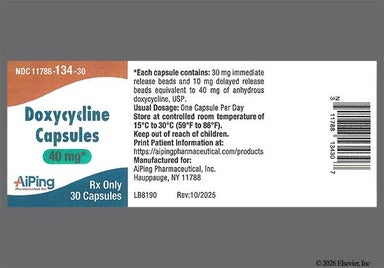
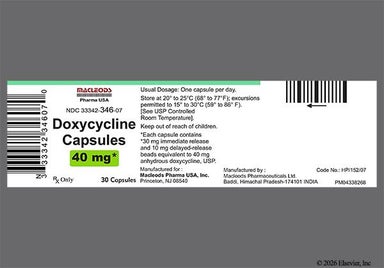
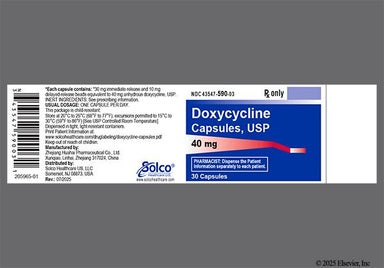
Prescription savings
Stop paying too much for your prescriptions. Compare prices, get pharmacy coupons, and save up to 80%. Find expert answers to your health questions so you can make the best decisions for yourself and your family.
Health conditions
Medications & treatment
Access & affordability
Medication discounts


How long you take Oracea for rosacea depends on how well it's working for you. It can be taken for several months, and studies have looked at its use for up to 1 year. Your dermatologist or primary care provider can tell you how long to take it based on your response to the medication.
You might start noticing your rosacea improving within 3 weeks of starting Oracea. You might have less pimple-like bumps on your skin. But it can take a few months of daily use to see the full benefits. Talk to your prescriber if you have questions about how long it's taking Oracea to work for you.
No. Brand name Oracea and generic doxycycline 40 mg capsules aren't FDA approved or typically used to treat acne. They contain a low dose of doxycycline (40 mg) that's approved to treat rosacea in adults. Higher doses of doxycycline are sometimes used for acne. If you have acne, talk to a dermatologist or your primary care provider about the right treatment for you.
Avoid taking Oracea with food. Instead, take it on an empty stomach, at least 1 hour before or 2 hours after a meal. This helps your body absorb the medication as it should. Also avoid tanning beds and too much direct sunlight since Oracea can make your skin more sensitive to the sun.
No, weight gain isn't a known side effect of Oracea. If you notice unexpected weight gain while taking this medication, talk to your prescriber or primary care provider. They can help find out what might be going on.
