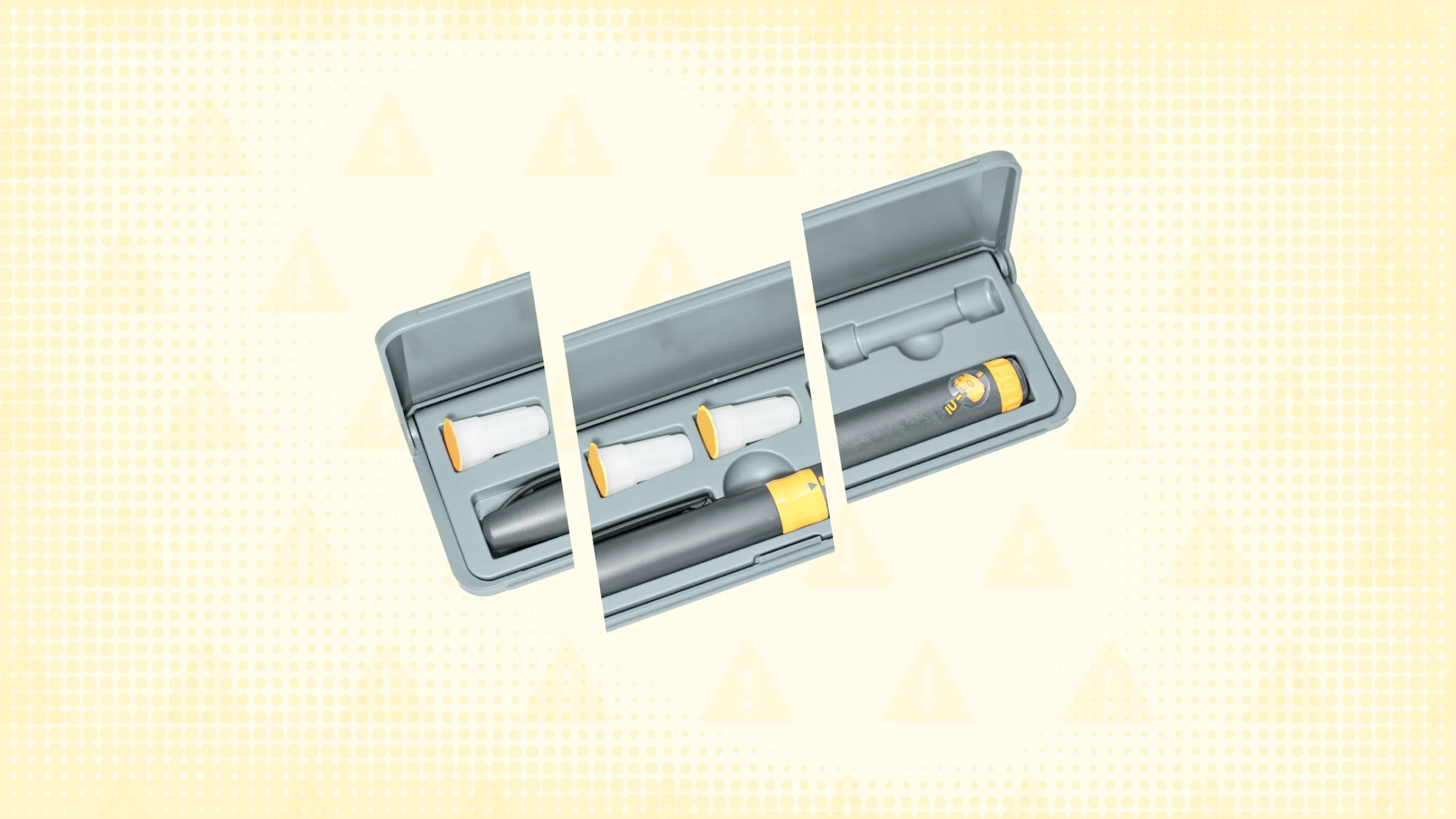
Key takeaways:
Nucala (mepolizumab) is an injectable medication that treats several health conditions tied to high eosinophil levels, including severe eosinophilic asthma.
Typical Nucala side effects include headaches, injection site reactions, and fatigue. Back, throat, and joint pain are also possible. These side effects are generally mild and easy to manage.
Nucala can make it harder for your body to fight infections. Your healthcare team should check for infections and may suggest you receive the herpes zoster (shingles) vaccine before you start receiving Nucala. If you start to notice symptoms of an infection, such as fever or chills, let your prescriber know right away.
Save on related medications
Nucala (mepolizumab) is an injectable medication that lowers the amount of eosinophils in your body. Eosinophils are a type of white blood cell involved in lung inflammation. Because of how Nucala works, it’s used to treat several conditions caused by high eosinophils, such as severe eosinophilic asthma.
Nucala’s asthma benefits outweigh its risks in the large majority of cases. After all, its side effects are generally mild and easy to manage. But it’s still a good idea to be familiar with what to expect before you start the treatment.
Nucala side effects at a glance
A number of Nucala side effects have been reported in clinical trials and real-world studies. Some are common and relatively mild, while others are more substantial.
The most common side effects of Nucala include:
Headache
Injection site reactions, including redness, itching, or burning
Back, throat, and joint pain
Fatigue, or tiredness
Muscle spasms
Rare, but potentially serious side effects include:
Serious infections, including herpes zoster (shingles)
Allergic reactions
Below, we'll go over the top five Nucala side effects to know about and what you can do to manage them. Keep in mind that you should let your prescriber know about any concerning symptoms you develop while receiving Nucala — even if they’re not listed here.
1. Injection site reactions
Like any injectable medication, Nucala may cause reactions in the area where the needle enters the skin. This includes:
Pain
Redness
Swelling
Itching
Burning
These side effects usually develop within a few hours of the injection. But they can also happen a few days after getting Nucala. Mild injection site reactions are common and they don’t mean that you’re allergic to Nucala. These reactions usually go away on their own over time.
There are a few steps you can take to limit symptoms in the meantime:
Apply warm and cold compresses. You can apply warm and cold compresses over the injection site area for 10 to 20 minutes at a time. Warm compresses help with muscle irritation, while cold compresses help with symptoms such as skin redness and swelling.
Try over-the-counter (OTC) remedies. OTC pain medications, such as acetaminophen (Tylenol), can help with pain. Antihistamines, such as diphenhydramine (Benadryl), can reduce itching and swelling. Your healthcare team can help you decide which remedies are safe for you to try.
Alternate injection sites. To reduce irritation in the future, it helps to alternate the site of injection with each dose of Nucala. It’s recommended to switch between the outer thigh and stomach. You can also receive the injection in your upper arm with help from a friend or family member.
2. Headache
A headache is the most common Nucala side effect. It’s reported to occur in nearly one-fifth of people prescribed the medication for severe asthma. But during clinical trials, this was only slightly higher than people who didn’t receive Nucala. So it’s possible that the headaches were from inhaled steroids (used in both groups) or from asthma in general.
Here are a few tips for managing headaches:
OTC pain relievers: If needed, OTC pain medications like acetaminophen may help provide some headache relief.
Stress management: Maintain a daily routine that includes stress-reducing activities, such as deep breathing exercises and spending time outside.
Adequate sleep: Making sure you get enough sleep every night can help lower your risk of getting headaches.
Tell your prescriber if your headaches continue or worsen, or you find yourself frequently turning to OTC pain medications for relief. They may be able to suggest other methods to alleviate the pain you’re experiencing. In some cases, they may opt to run tests to see if there’s another reason you’re experiencing headaches.
3. Throat, back, and joint pain
During clinical trials, some people receiving Nucala reported pain in one or more areas of the body, such as the throat, back, or joints. However, it’s not clear from the research whether this was caused by Nucala. Other medications participants may have been taking — such as inhaled corticosteroids — can also cause throat pain and back pain.
Here are a few tips for managing pain:
Throat pain: Lozenges, throat sprays, and humidifiers can all be useful for soothing throat pain. If you’re using an inhaled corticosteroid, be sure to rinse your mouth after each dose. Tell your prescriber if you notice white or yellow patches, or if it’s painful to swallow.
Back and joint pain: Gentle stretching or low-impact physical activity may help address back and joint pain. Heating pads or warm compresses can also help provide targeted relief to areas of discomfort. OTC pain relievers may also help reduce inflammation and ease pain.
If you’re still experiencing pain or it’s getting worse, talk to your prescriber to discuss different options for pain management.
4. Fatigue
Fatigue, or feeling unusually tired, is possible with Nucala. However, people who didn’t receive Nucala also reported fatigue during clinical trials. So this side effect may not be caused by the medication alone. In fact, fatigue is common for people with asthma, especially if they have frequent flare-ups or disrupted sleep due to symptoms.
No matter the cause, fatigue can take a toll on your daily life. Here are a few steps you can take to help manage it:
Stay physically active. Gentle, regular exercise can actually improve energy levels and promote better sleep.
Eat well and stay hydrated. Nutritious meals and adequate fluids are key to supporting your body’s energy needs.
Try breathing exercises or meditation. These can reduce stress and improve both energy and mood.
Check in with your healthcare team. Asthma itself may be contributing to your fatigue, especially if you’re still having frequent flare-ups after starting Nucala. Your prescriber may recommend adjustments to your asthma management plan.
If fatigue is interfering with your daily life, it’s important to reach out to your healthcare team. There may be many different reasons you’re experiencing fatigue. They can help you determine if Nucala is the cause of your symptoms.
5. Increased risk of infection
Although it’s not common, Nucala could increase your risk of developing an infection. By reducing eosinophils levels, Nucala helps reduce inflammation. But this effect can make it harder for the immune system to fight off certain infections.
Parasitic infections may be more difficult to treat after starting Nucala. Because of this, your healthcare team will likely check for parasitic infections before you start the medication. If you have a parasitic infection, it must be treated before starting Nucala.
There have also been cases where people receiving Nucala developed herpes zoster (shingles) infections. Ask your healthcare team whether you should receive the shingles vaccine (Shingrix) before starting Nucala. Other infections reported with Nucala use include influenza (the flu) and urinary tract infections.
Does Nucala cause weight gain?
No, Nucala isn’t known to cause weight gain. But people using Nucala may also be taking oral corticosteroids, which can cause weight gain. Tell your healthcare team if you notice any significant body weight changes after starting Nucala.
Does Nucala affect blood pressure?
No, Nucala isn’t known to affect blood pressure in most people. But it can cause low blood pressure as part of a serious allergic reaction, which may include symptoms such as fainting, dizziness, or feeling lightheaded. These reactions are rare but require emergency medical attention. It’s also important to note that oral corticosteroids, which may be taken with Nucala, can increase blood pressure.
Does Nucala cause hair loss?
Nucala isn’t known to commonly cause hair loss, although rare reports have been noted after starting treatment. However, it’s unclear if Nucala was the direct cause, since hair loss can happen for many reasons. For example, people with asthma and other related conditions might also have a higher risk of certain types of hair loss in general. If you notice hair thinning or loss after starting Nucala, discuss it with your prescriber.
How long do Nucala side effects last?
Most Nucala side effects are mild and temporary, typically lasting only a few days to weeks after your injection. Common side effects include injection site reactions and headaches, which usually resolve on their own. However, some mild side effects may last longer or persist throughout treatment. Tell your prescriber if any side effects are severe, persistent, or getting worse.
When to contact your prescriber about Nucala side effects
Serious Nucala side effects are rare. But it’s a good idea to be aware of the symptoms to look out for and know when you should give your prescriber a call.
If you notice any signs or symptoms of an infection, it’s time to get in touch with a healthcare professional. Treating an infection early on is important to prevent any future complications. Signs and symptoms of an infection include:
Fever
Chills
New or persistent cough
Sore throat
Pain or burning when you pee
Difficulty breathing, severe lightheadedness or dizziness, and swelling in the face or throat, are possible symptoms of a serious allergic reaction. If you experience any of these symptoms, you should call 911 or have someone take you to the nearest ER right away.
Frequently asked questions
If you stop taking Nucala, your underlying health condition (such as asthma) may worsen. For example, studies have shown that stopping Nucala leads to a higher risk of asthma flare-ups. For these reasons, you should always talk to your prescriber before stopping Nucala. They can help you weigh the risks and benefits of continuing treatment.
Nucala stays in the body for about 2 to 3 months after your last dose. This is based on its half-life, which is 16 to 22 days. Nucala gradually leaves your system over time, but its effect may fade sooner.
You shouldn’t take Nucala if you’ve had a serious allergic reaction to mepolizumab or any ingredient in Nucala. Share your drug allergy list with your healthcare team so they can check for potential issues with Nucala.
If you stop taking Nucala, your underlying health condition (such as asthma) may worsen. For example, studies have shown that stopping Nucala leads to a higher risk of asthma flare-ups. For these reasons, you should always talk to your prescriber before stopping Nucala. They can help you weigh the risks and benefits of continuing treatment.
Nucala stays in the body for about 2 to 3 months after your last dose. This is based on its half-life, which is 16 to 22 days. Nucala gradually leaves your system over time, but its effect may fade sooner.
You shouldn’t take Nucala if you’ve had a serious allergic reaction to mepolizumab or any ingredient in Nucala. Share your drug allergy list with your healthcare team so they can check for potential issues with Nucala.
The bottom line
Common Nucala (mepolizumab) side effects are headache, injection site reactions, and fatigue (tiredness). These side effects are typically mild and manageable. Serious side effects that can happen with Nucala are serious allergic reactions and infections, such as shingles.
If you’re experiencing any signs or symptoms of an infection, contact your healthcare team immediately. Seek immediate medical attention right away if you start to experience difficulty breathing or mouth or throat swelling.

Why trust our experts?



References
Centers for Disease Control and Prevention. (2023). Know the signs and symptoms of infection.
Each Breath. (2022). 'I’m tired, too!' American Lung Association.
GlaxoSmithKline. (2023). Nucala- mepolizumab injection, powder, for solution, Nucala- mepolizumab injection, solution [package insert].
GlaxoSmithKline. (2025). Nucala- mepolizumab injection, powder, for solution, Nucala- mepolizumab injection, solution [package insert]. DailyMed.
Gungen, A. C., et al. (2017). Assessment of headache in asthma patients. Pakistan Journal of Medical Sciences.
Harrison, T., et al. (2020). Real-world mepolizumab in the prospective severe asthma REALITI-A study: initial analysis. European Respiratory Journal.
Herck, M.V., et al. (2018). Fatigue is highly prevalent in patients with asthma and contributes to the burden of disease. Journal of Clinical Medicine.
Massey, O. W., et al. (2022). Taking a breather: Advances in interleukin 5 inhibition for asthma relief. International Journal of Molecular Sciences.
Nixon, R., et al. (2020). Case of paradoxical adverse response to mepolizumab with mepolizumab-induced alopecia in severe eosinophilic asthma. BMJ Case Reports.
Walter, K. (2022). Common causes of hair loss. JAMA.