Key takeaways:
Nucala (mepolizumab) is a prescription biologic medication used to treat asthma and other inflammatory conditions. Without insurance or discounts, one syringe of Nucala 100 mg/mL (a 1-month supply) costs an average of $5877.64.
The cost of Nucala can vary depending on factors such as your dosage, insurance coverage, and whether you’re eligible for financial assistance. Most insurance types cover Nucala. Prior authorization or step therapy are required for the majority of enrollees.
The manufacturer copay card and patient assistance program can lower your Nucala cost to as little as $0 per dose for those who qualify. Talk to your prescriber or specialty pharmacy staff about your options to help make Nucala a more affordable treatment option.
Save on related medications
Nucala (mepolizumab) is an injectable biologic medication used to treat conditions such as severe asthma, chronic obstructive pulmonary disease (COPD), and chronic rhinosinusitis with nasal polyps in adults.
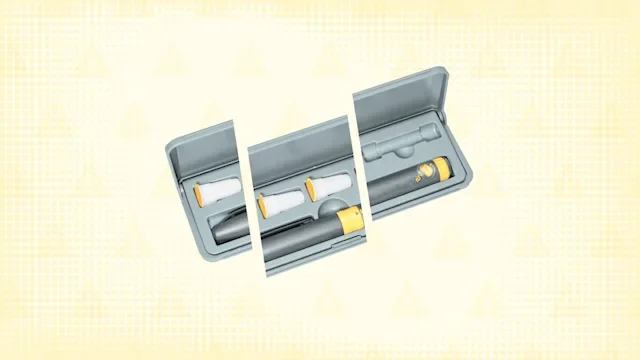
Nucala is available as a prefilled autoinjector or syringe that you inject under the skin at home. There’s also a vial form, which is typically used in healthcare settings. The recommended Nucala dosage for adults and teens ages 12 and older ranges from 100 mg to 300 mg every 4 weeks, depending on the condition being treated. For children ages 6 to 11, the recommended dosage to treat severe asthma is 40 mg every 4 weeks.
Out-of-pocket costs for the medication can reach several thousand dollars per month, and no biosimilars are currently available. Here's what to know about how much Nucala costs without insurance, along with ways to save on your prescription.
How much does Nucala cost?
Without insurance or discounts, one syringe of Nucala 100 mg/mL costs an average of $5877.64.
What you pay for Nucala may differ depending on several factors, such as:
Pharmacy: Due to the need for special handling and storage, Nucala is generally distributed through specialty pharmacies. These pharmacies may have different pricing and negotiated rates for Nucala, which can impact your costs. If you have insurance, what you pay may also depend on whether you use a pharmacy that’s in network with your plan.
Location: Medication costs can vary between different areas of the U.S. GoodRx research shows that someone in Atlanta often pays less for prescriptions than someone in New Orleans, for example.
Dosage: Your prescribed dosage, which varies by age and condition, can affect what you pay for Nucala
Insurance: Even with insurance coverage, you may be responsible for deductibles, copays, or coinsurance. These costs can vary between insurance plans.
Discounts: You may be able to lower your cost for Nucala if you qualify for a financial assistance program.
Does insurance cover Nucala?
Most types of prescription insurance cover Nucala. Nearly all Medicaid and commercial plan enrollees having access to this medication. Affordable Care Act (ACA) marketplace plans cover Nucala for almost 9 in 10 enrollees. About half of Medicare Part D beneficiaries have coverage for Nucala, though it may also be covered under Part B if administered by a healthcare professional
Prior authorization (approval from your insurer before getting the medication) is required for the majority of covered enrollees, regardless of plan type. Step therapy rules (when you’re required to try other, lower-cost options first) are also common, affecting about 3 out of 4 people with commercial plans and more than 4 in 5 people with ACA plans.
Check your plan’s list of covered medications, known as a formulary, or contact your insurer to understand how your plan covers Nucala and what you can expect to pay.
How different insurance plans cover Nucala
The tables below show coverage for Nucala across different insurance types, along with the likelihood of having prior authorization and step therapy requirements.
Insurance type | Enrollees covered for Nucala 100 mg/mL autoinjector | Enrollees required to get prior authorization | Enrollees required to do step therapy |
86.0% | 86.0% | 76.9% | |
Commercial plans (excluding ACA plans) | 96.2% | 90.8% | 83.7% |
Medicare (Medicare Advantage and Part D plans) | 51.1% | 51.1% | 47.5% |
Medicaid, including state-run and managed care plans | 99.2% | 91.0% | 68.5% |
Insurance type | Enrollees covered for Nucala 100 mg/mL prefilled syringe | Enrollees required to get prior authorization | Enrollees required to do step therapy |
ACA plans | 85.6% | 85.2% | 76.2% |
Commercial plans (excluding ACA plans) | 96.2% | 90.9% | 83.7% |
Medicare (Medicare Advantage and Part D plans) | 51.5% | 51.5% | 47.9% |
Medicaid, including state-run and managed care plans | 99.2% | 90.2% | 67.7% |
Source: Managed Markets Insight & Technology, LLC™, as of September 11, 2025. (See methodology below.)
If your insurance doesn’t cover Nucala, or if your out-of-pocket costs are too high, try the following:
Request a formulary exception to get Nucala covered by your plan. Your prescriber may need to submit documentation and a letter of medical necessity to explain why you need this medication.
If the exception request is denied, file an appeal to have the decision reconsidered.
Check if you’re eligible for financial assistance through one of the various financial assistance programs listed below.
Discuss different treatment options with your prescriber. One of these Nucala alternatives may be covered by your insurance or have lower out-of-pocket costs.
During open enrollment, compare insurance plans to find one that provides better coverage for Nucala.
Ways to save on Nucala
Nucala can cost thousands of dollars a month without insurance. But you can reduce your out-of-pocket expenses or potentially get the medication at no cost, whether or not you have insurance. Here are five ways to save on Nucala.
1. Check if you’re eligible for the manufacturer’s copay program
The manufacturer’s Together with Nucala Copay Program may reduce your cost to as little as $0 per dose if you qualify. The program can also help cover up to $100 of administration costs in certain states when you receive Nucala in a healthcare setting.
To be eligible, you must:
Have commercial or prescription insurance
Have a valid prescription for Nucala with approved coverage through your commercial plan
Be age 18 or older
Live in the U.S., including the District of Columbia, Puerto Rico, or the U.S. Virgin Islands
Not be enrolled in any state or federal insurance program, including Medicare Part B or Part D, Medicaid, Medigap, Veterans Affairs (VA), or Tricare
There is an annual maximum benefit limit for this program. Office visits, labs, and other services are not included.
You can enroll in the Nucala Copay Program online or call 1-800-691-1939 for assistance.
2. Apply for the manufacturer’s patient assistance program
If you’re uninsured, your commercial insurance doesn’t cover Nucala, or you have Medicare, you may qualify for the Nucala Patient Assistance Program offered by the manufacturer. The program provides Nucala at no cost if you:
Live in the U.S., Puerto Rico, or the U.S. Virgin Islands
Are uninsured or have commercial insurance that provides no coverage for Nucala
Are not enrolled in an alternate funding program
Do not receive prescription coverage through a government program such as Medicaid, VA, Department of Defense (DoD), or Tricare
Not be enrolled in Medicare Extra Help (low-income subsidy)
Are not eligible for Puerto Rico’s government health plan Mi Salud, or have applied and been denied
Meet the program’s income requirements
Work with your prescriber to complete the application form or call 1-844-225-5894 for more information.
3. Consider the Patient Advocate Foundation Co-Pay Relief Program
You may qualify for assistance through the Patient Advocate Foundation’s Co-Pay Relief Program. This support is available for people receiving Nucala for COPD and can help cover copays, deductibles, and coinsurance for medications and medical care.
Funding availability changes, so check the program’s website for updates.
4. Use your insurance’s preferred specialty pharmacy
If you have insurance, check whether your plan has a preferred specialty pharmacy for Nucala. Using your plan’s preferred pharmacy can help you avoid higher out-of-pocket costs associated with going out of network. Ask your insurer for a list of preferred pharmacies.
Specialty pharmacies can also help you finding financial assistance for Nucala. So don't hesitate to reach out to your pharmacy for guidance.
5. Tap into your HSA or FSA funds
If you have a health savings account (HSA), flexible spending account (FSA), or health reimbursement arrangement (HRA), you can use those funds to pay for Nucala and other qualifying medical expenses.
FSA money must be used by the end of your plan year, or you’ll lose it, unless your employer provides a grace period or allows you to carry over a portion. HSA funds, however, roll over each year and remain available whenever you need them. HRA rules depend on your employer’s plan design.
The bottom line
Without insurance or discounts, one syringe of Nucala 100 mg/mL (a 1-month supply) costs an average of $5877.64. But this cost can vary depending on factors such as your dosage, insurance coverage, and whether you’re eligible for financial assistance.
If you have commercial insurance, you may qualify for the Together with Nucala Copay Program, which could lower your costs to as little as $0 per dose. If you’re uninsured, underinsured, or have Medicare and meet income requirements, the manufacturer’s patient assistance program offers Nucala at no cost.
Talk to your prescriber or specialty pharmacy staff about your options to help make Nucala a more affordable treatment option.

Why trust our experts?



Methodology
We obtained national prescription coverage data for each medication from Managed Markets Insight & Technology (MMIT). The data reflects health insurance coverage as of September 2025.
We calculated the percentage of enrollees in plans that cover each medication by dividing the number of enrollees covered for the medication within a specific insurance channel (e.g., ACA, Medicare, Medicaid) by the total number of enrollees in all plans within that channel.
We determined the percentage of enrollees in plans with a prior authorization requirement by calculating the proportion of enrollees in plans that required prior authorization for the medication within each channel.
Finally, we measured the percentage of enrollees in plans with a step therapy requirement by calculating the proportion of enrollees in plans that imposed step therapy requirements for the medication in each channel.
These estimates, derived from national MMIT coverage data, provide insight into health insurance coverage for each medication. They take into account restrictions such as prior authorization, step therapy, and quantity limits. The percentages are expressed relative to the total number of enrollees covered by various insurance channels, including ACA plans, commercial (excluding ACA) plans, Medicare, and Medicaid (both state-run and managed care plans).
References
American College of Allergy, Asthma, & Immunology. (2021). Chronic rhinosinusitis with nasal polyps.
GlaxoSmithKline. (2025). Nucala- mepolizumab injection, powder, for solution; Nucala- mepolizumab injection, solution [package insert].
GSK. (n.d.). Nucala Copay Program.
GSK for You. (n.d). GSK pricing information for Nucala.
GSK Viiv Healthcare Patient Access Programs Foundation. (n.d.). If you are uninsured.
GSK Viiv Healthcare Patient Access Programs Foundation. (n.d.). If you have Medicare.
HealthCare.gov. (n.d.) Appealing a health plan decision.
Medicaid.gov. (n.d.). Managed care.
Patient Advocate Foundation. (n.d.). Chronic obstructive pulmonary disease (COPD).
Together with GSK. (n.d.). Discover options that work for you.
Together with GSK. (2025). Together with GSK enrollment form.