



Everything You Need to Know About Immune Thrombocytopenia
Immune thrombocytopenia (ITP) is a rare blood disorder. It often occurs when the immune system attacks platelets, leading to a range of health issues.
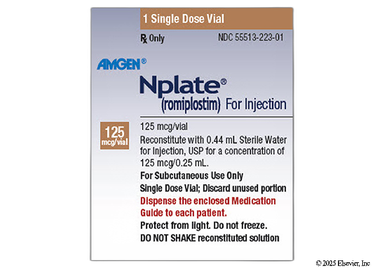
Nplate (romiplostim) is injected under the skin weekly mainly to treat low platelet counts in people whose immune system attacks their platelets. Unlike some other medications used to treat this condition, Nplate (romiplostim) doesn't weaken the immune system, so it doesn’t raise your risk for infections. Nplate (romiplostim) is only used when certain medical procedures (removal of the spleen or splenectomy) or other medications for ITP (corticosteroids) haven't worked well for you.

Nplate (romiplostim) is a thrombopoietin receptor agonist. This means that it acts like the hormone thrombopoietin that’s responsible for the production of your platelets. Platelets are blood cells that help you form clots to prevent bleeds. When your platelet levels are too low, you’re at higher risk for bleeds.
Nplate (romiplostim) is used to raise the amount of platelets in people with immune thrombocytopenia, a condition where your platelets are attacked by your immune system. Nplate (romiplostim) is also used to raise platelet levels in people whose platelets have been destroyed by too much radiation exposure. By raising the platelet levels, this medication helps lower the risk for bleeding.
| Common Brands | Nplate |
|---|---|
| Drug Class | Thrombopoietin receptor agonist |
| Controlled Substance Classification | Not a controlled medication |
| Generic Status | No lower-cost generic available |
| Availability | Prescription only |

The following side effects may get better over time as your body gets used to the medication. Let your healthcare provider know immediately if you continue to experience these symptoms or if they worsen over time.
Adults:
Children:
Adults:
Children:
Contact your healthcare provider immediately if you experience any of the following.
Along with its needed effects, a medicine may cause some unwanted effects. Although not all of these side effects may occur, if they do occur they may need medical attention.
Check with your doctor or nurse immediately if any of the following side effects occur:
More common
Bloating or swelling of the face, arms, hands, lower legs, or feet
body aches or pain
change in hearing
chills
difficulty breathing
ear congestion, drainage, or pain
headache
loss of appetite
loss of voice
pain or tenderness around the eyes and cheekbones
rapid weight gain
stomach pain
stuffy or runny nose
tightness of the chest
tingling of the hands or feet
unusual tiredness or weakness
unusual weight gain or loss
upper stomach pain
Incidence not known
Burning pain, warmth, swelling, or redness of the hands and feet
fast heartbeat
feeling of warmth
hoarseness
irritation
joint pain, stiffness, or swelling
large, hive-like swelling on the face, eyelids, lips, tongue, throat, hands, legs, feet, or genitals
redness of the skin
trouble swallowing
Some side effects may occur that usually do not need medical attention. These side effects may go away during treatment as your body adjusts to the medicine. Also, your health care professional may be able to tell you about ways to prevent or reduce some of these side effects. Check with your health care professional if any of the following side effects continue or are bothersome or if you have any questions about them:
More common
Acid or sour stomach
belching
bruise
burning, crawling, itching, numbness, prickling, "pins and needles", or tingling feelings
difficulty with moving
dizziness
indigestion
mouth or throat pain
muscle pains, cramps, or stiffness
pain in the shoulder, arms, or legs
stomach discomfort, upset, or pain
trouble sleeping
Other side effects not listed may also occur in some patients. If you notice any other effects, check with your healthcare professional.
Call your doctor for medical advice about side effects. You may report side effects to the FDA at 1-800-FDA-1088.




Nplate (romiplostim) can cause some serious health issues. This risk may be even higher for certain groups. If this worries you, talk to your doctor or pharmacist about other options.
 People with MDS who use Nplate (romiplostim) can develop a more serious blood cancer called acute myeloid leukemia (AML). As a result, Nplate (romiplostim) is not approved to treat low platelet levels in people with MDS. Before starting Nplate (romiplostim), speak to your provider if you have a history of blood cancer because this medication might not be right for you.
Because Nplate (romiplostim) raises your platelet levels, it can put you at higher risk for blood clots. Blood clots linked to Nplate (romiplostim) use were those that occurred in the liver (portal vein thrombosis) in people with liver problems. Let your healthcare provider know if you experience symptoms of a clot in your liver, including stomach pain, nausea, vomiting, or diarrhea.
It’s also possible for clots to form in other parts of your body, like your heart or brain. This can cause problems such as a heart attack or stroke. If you experience chest pain, pain in the arms or shoulders, redness or swelling in the arms or legs, numbness on one side of your body, difficulty breathing, or confusion, contact your provider as soon as possible.
Nplate (romiplostim) might not work well for everyone. It's possible for some people to develop antibodies that block Nplate (romiplostim) from working. Let your provider know if you continue to notice signs of bleeding, such as bruising easily or bleeds that are difficult to stop, even though you've been taking Nplate (romiplostim) for a while. Your provider might need to test you for antibodies.

 Vial
Vial| Dosage | Quantity | Price as low as | Price per unit |
|---|---|---|---|
| 250mcg | 1 vial | $2,781.29 | $2,781.29 |
| 500mcg | 4 vials | $22,206.51 | $5,551.63 |
| 125mcg | 4 vials | $5,556.43 | $1,389.11 |

Although certain medicines should not be used together at all, in other cases two different medicines may be used together even if an interaction might occur. In these cases, your doctor may want to change the dose, or other precautions may be necessary. Tell your healthcare professional if you are taking any other prescription or nonprescription (over-the-counter [OTC]) medicine.


This medication is used for many different conditions. Generally, it's used for autoimmune problems, conditions related to swelling, or cancer. Some examples include:


Prescription savings
Stop paying too much for your prescriptions. Compare prices, get pharmacy coupons, and save up to 80%. Find expert answers to your health questions so you can make the best decisions for yourself and your family.
Health conditions
Medications & treatment
Access & affordability
 Our monthly healthcare membership can help you save thousands on your prescription costs.
Resources

ITP is a medical condition where your immune system, which protects your body from infections, attacks your platelets instead. Platelets are small blood cells that help the blood clot. When your immune system attacks your platelets, it lowers the amount of platelets in your body. And when your platelet levels are too low, you’re at higher risk for serious bleeds. Nplate raises the amount of platelets in your body to lower your risk of bleeding and bruising from ITP.
If you have ITP, your symptoms typically depend on how low your platelet levels are and the location of your bleed. Some people who have mild ITP might not experience any symptoms. And some people who have severely low platelet counts might have bleeding on the inside of their body that’s not very noticeable. Common symptoms of bleeds can include small red dots on the skin, purple spots on the skin, and bruising on the arms and legs from minor bumps. If you have ITP, be careful during activities that might cause injury or bruising, such as contact sports. Use caution when shaving, brushing your teeth, or using sharp objects.
Corticosteroids, not Nplate, are typically the first-choice options in people with ITP. If the corticosteroids don’t work well for you, your provider might consider switching you to a second-choice treatment option, such as Nplate.
Your provider will measure your platelet levels every week to find a dose of Nplate that works well for you. Your provider will start you at a low dose in the beginning and then raise it over time. Keep in mind that Nplate isn't used to bring your platelets to the same level as someone without ITP. Instead, it raises your platelet levels just high enough to lower your risk of bleeding. And if your platelet levels remain steady, your provider might even be able to stop your ITP treatments for some time.
Yes, Nplate can put you at risk for clots. This medication works by raising the level of platelets in your body. But if your platelet level is too high, you can get blood clots. Let your provider know if you have any liver problems before starting Nplate. Some people who have liver problems developed a clot in their liver while taking this medication. It’s also possible for a clot to develop anywhere in your body, such as your heart or brain, and cause a heart attack or a stroke. Call your provider right away if you experience symptoms of a clot in your liver (nausea, vomiting, fevers, chills) or clots in other parts of your body (swelling of the arms, legs, or stomach).
