


10 of the Most Unusual Medication Side Effects You Should Know About
Did you know some antibiotics can cause peeling skin, and some antidepressants can cause painful erections? Check out some of the most unique medication side effects here.
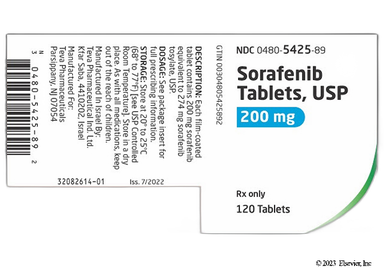
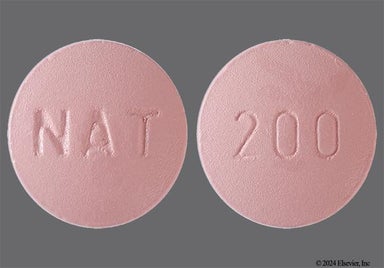
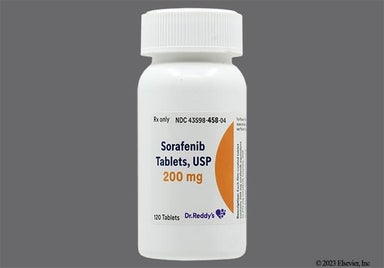
Nexavar (sorafenib) is a targeted anticancer medication that’s used for several types of cancers like liver cancer, kidney cancer, and thyroid cancer. Nexavar (sorafenib) is taken by mouth twice a day. It can commonly cause side effects like rash, diarrhea, and tiredness. This medication can also cause rare, but serious side effects, like bleeding.

Nexavar (sorafenib) is a targeted anticancer medication known as a tyrosine kinase inhibitor (TKI). It targets and blocks multiple proteins in cancer cells called kinases that are involved in tumor growth and tumor blood supply. By blocking these proteins, Nexavar (sorafenib) stops tumor growth.
| Common Brands | Nexavar |
|---|---|
| Drug Class | Tyrosine kinase inhibitor |
| Controlled Substance Classification | Not a controlled medication |
| Generic Status | Lower-cost generic available |
| Availability | Prescription only |

The following side effects may get better over time as your body gets used to the medication. Let your healthcare provider know immediately if you continue to experience these symptoms or if they worsen over time.
The following side effects were reported in people taking the medication for kidney cancer. Side effects might differ for those with other types of cancers.
Contact your healthcare provider immediately if you experience any of the following.
Along with its needed effects, a medicine may cause some unwanted effects. Although not all of these side effects may occur, if they do occur they may need medical attention.
Check with your doctor immediately if any of the following side effects occur:
More common
Bleeding gums
blistering, peeling, redness, or swelling of the palms of the hands or bottoms of the feet
bloating of the abdomen or stomach
blood in the urine or stools
blurred vision
clay-colored stools
coughing up blood
dark urine
difficulty with breathing or swallowing
dizziness
headache
increased menstrual flow or vaginal bleeding
light-colored stools
nervousness
nosebleeds
paralysis
pounding in the ears
prolonged bleeding from cuts
red or black, tarry stools
red or dark brown urine
slow or fast heartbeat
stomach pain
tightness in the chest
vomiting
vomiting of blood
yellow eyes or skin
Less common
Bone pain
burning feeling in the chest or stomach
chest pain or discomfort
chills
clammy skin
confusion
decreased urine production
depressed mood
difficulty with moving
dry skin and hair
enlarged pupils (black part of the eye)
fainting
feeling cold
hearing loss
hoarseness or husky voice
increase in heart rate
increased sensitivity of the eyes to light
increased sweating, possibly with fever or cold
increased thirst
indigestion
joint pain or swelling
lightheadedness
loss of appetite
loss of the ability to use or understand speech or language
lower back or side pain
muscle cramps, pain, or stiffness
pain or discomfort in the arms, jaw, back, or neck
painful or difficult urination
pains in the stomach, side, or abdomen, possibly radiating to the back
pale skin
pinpoint red spots on the skin
rapid breathing
reddening of the skin, especially around the ears
ringing, buzzing, or other unexplained noise in the ears that continues
seizures
severe chest pain
severe headache
shivering
skin rash that is encrusted, scaly, and oozing
sores, ulcers, or white spots on the lips or in the mouth
stiff or sore neck
stomach discomfort or upset
sweating
swelling of the ankles or hands
swelling of the eyes, face, or inside of the nose
swollen glands
trouble breathing with exertion
unpleasant breath odor
unusual bleeding or bruising
unusual tiredness or weakness
Incidence not known
Blistering, peeling, or loosening of the skin
large, hive-like swelling on the face, eyelids, lips, tongue, throat, hands, legs, feet, or genitals
red skin lesions, often with a purple center
red, irritated eyes
Some side effects may occur that usually do not need medical attention. These side effects may go away during treatment as your body adjusts to the medicine. Also, your health care professional may be able to tell you about ways to prevent or reduce some of these side effects. Check with your health care professional if any of the following side effects continue or are bothersome or if you have any questions about them:
More common
Burning, tingling, numbness or pain in the hands, arms, feet, or legs
numbness, pain, tingling, or unusual sensations in palms of the hands or bottom of the feet
sensation of pins and needles
stabbing pain
thinning of the hair
Less common
belching
burning, itching, and pain in hairy areas
cracked lips
cracks in the skin
decreased appetite
decreased interest in sexual intercourse
discouragement
feeling of warmth
feeling sad or empty
flushing or red skin
general feeling of discomfort or illness
inability to have or keep an erection
irritability
lack or loss of strength
loss in sexual ability, desire, drive, or performance
loss of heat from the body
loss of interest or pleasure
mouth pain
pus at the root of the hair
red face, neck, arms, and occasionally, upper chest
red, swollen skin
sunken eyes
swelling of the breasts or breast soreness in both men and women
swelling or inflammation of the mouth
tenderness in the stomach area
thirst
trouble concentrating
trouble sleeping
unusually warm skin
wrinkled skin
Other side effects not listed may also occur in some patients. If you notice any other effects, check with your healthcare professional.
Call your doctor for medical advice about side effects. You may report side effects to the FDA at 1-800-FDA-1088.




Nexavar (sorafenib) can cause some serious health issues. This risk may be even higher for certain groups. If this worries you, talk to your doctor or pharmacist about other options.
Nexavar (sorafenib) can cause heart problems, like less blood flow to the heart, heart attack, and heart failure. It can also cause changes in the electrical activity of your heart known as QT prolongation, raising the risk for life-threatening irregular heartbeats. During treatment, your healthcare provider might check the levels of electrolytes in your blood and the electrical activity of your heart with an electrocardiogram (ECG). Let your provider know right away if you have symptoms like chest pain, shortness of breath, swelling in lower legs or feet, racing or irregular heartbeat, feeling faint or lightheaded, or tiredness. If you develop heart problems while taking Nexavar (sorafenib), your provider may recommend you stop taking it.
Nexavar (sorafenib) can raise the risk of serious and sometimes fatal bleeding. Bleeding can happen in any area of the body, including in the lungs, digestive tract, and less commonly, the brain. Tell your healthcare provider as soon as possible if you have symptoms of unusual bleeding, like vomiting blood, blood in your urine, abnormal vaginal bleeding, blood in your stool, coughing up blood, frequent nosebleeds, or bruising easily. Your provider might recommend you to stop taking Nexavar (sorafenib) if you experience serious bleeding.
If you also take the blood thinner warfarin (Coumadin), you might experience changes in your INR (international normalized ratio) and put you at higher risk of bleeding. Your healthcare provider might recommend that you get your warfarin (Coumadin) blood checks more frequently.
Nexavar (sorafenib) can commonly cause high blood pressure. This change in blood pressure is usually mild, but can be more severe in some cases. It typically happens when you first start Nexavar (sorafenib). Because of this, you should check your blood pressure every week for the first 6 weeks of treatment and then regularly thereafter. If you develop high blood pressure while taking Nexavar (sorafenib), your healthcare provider might recommend that you take blood pressure medication(s). If your blood pressure gets severely high, you might be recommended to stop taking Nexavar (sorafenib).
Nexavar (sorafenib) can cause serious skin reactions, including serious rash and hand-foot skin reaction. Reactions can also happen in the mouth and look like blistering or peeling inside of your mouth. These skin and mouth reactions can become life-threatening. Let your healthcare provider know if you experience any skin rash or redness, pain, swelling, blistering or peeling of the skin on your body or inside your mouth, or blistering on the palms of your hands or soles of your feet. Some skin reactions can be managed with topical treatments like hydrating lotions or urea-based creams. But if they become severe, your healthcare provider might recommend that you stop taking Nexavar (sorafenib).
Though rare, some people who took Nexavar (sorafenib) have developed tears in their gut. Let your provider know if you have symptoms of gut damage, such as a fever, nausea, vomiting, bloating, tenderness, or a lot of stomach pain or cramping (especially if it doesn’t go away).
Nexavar (sorafenib) can make it more difficult for your wounds to heal. Let your provider know if you’re planning to have a surgery or procedure so they can adjust your treatment plan. You shouldn’t take Nexavar (sorafenib) at least 10 days before surgery. And you won’t be able to restart the medication until at least 2 weeks after the surgery and until your surgical wounds have properly healed.
In addition, if you get injured while you’re taking Nexavar (sorafenib) and your wounds are healing very slowly, let your provider know. Your provider might ask you to temporarily stop this medication until your injuries have healed.
Although rare, Nexavar (sorafenib) can cause liver damage, which can sometimes lead to liver failure and even death. Your healthcare provider will perform blood tests to check your liver function regularly during your treatment with Nexavar (sorafenib). Let your healthcare provider know right away if you experience any symptoms of liver damage, like yellowing of the skin or eyes, pain on the right side of your stomach, dark urine, light-colored stools, loss of appetite, or severe nausea or vomiting.
Based on animal studies, it’s possible that Nexavar (sorafenib) can cause harm to an unborn baby when taken during pregnancy. If you can get pregnant, your provider will ask you to use birth control while you’re taking Nexavar (sorafenib) and for 6 months after your last dose. Men with female partners who can become pregnant should also use birth control while they’re taking Nexavar (sorafenib) and for 3 months after their last dose of medication. Let your provider know right away if you or your partner become pregnant during this time frame.
If you have differentiated thyroid cancer, you can have changes in your thyroid hormone levels during treatment with Nexavar (sorafenib). Your healthcare provider will check your thyroid hormone levels through blood tests every month during treatment. If you’re also taking a thyroid medication, your healthcare provider might need to adjust its dose based on your lab results. This helps stabilize your thyroid hormone levels.

 Tablet
| Dosage | Quantity | Price as low as | Price per unit |
|---|---|---|---|
| 200mg | 60 tablets | $2,748.78 | $45.81 |
The typical dose is 400 mg by mouth twice daily without food.

Although certain medicines should not be used together at all, in other cases two different medicines may be used together even if an interaction might occur. In these cases, your doctor may want to change the dose, or other precautions may be necessary. When you are taking this medicine, it is especially important that your healthcare professional know if you are taking any of the medicines listed below. The following interactions have been selected on the basis of their potential significance and are not necessarily all-inclusive.
Using this medicine with any of the following medicines is not recommended. Your doctor may decide not to treat you with this medication or change some of the other medicines you take.
Using this medicine with any of the following medicines is usually not recommended, but may be required in some cases. If both medicines are prescribed together, your doctor may change the dose or how often you use one or both of the medicines.
Using this medicine with any of the following medicines may cause an increased risk of certain side effects, but using both drugs may be the best treatment for you. If both medicines are prescribed together, your doctor may change the dose or how often you use one or both of the medicines.


Contraindications are specific health conditions or situations in which a person should not take a medication due to safety concerns. If you have any of the following conditions or if any of the following apply to you, let your healthcare provider know because Nexavar (sorafenib) will not be safe for you to take.


Prescription savings
Stop paying too much for your prescriptions. Compare prices, get pharmacy coupons, and save up to 80%. Find expert answers to your health questions so you can make the best decisions for yourself and your family.
Health conditions
Medications & treatment
Access & affordability
 Our monthly healthcare membership can help you save thousands on your prescription costs.
Resources

Hand-foot skin reaction is a reaction to Nexavar that causes reddening, swelling, and peeling of the skin on the palms of the hands or soles of the feet. Sometimes, this medication can also cause the outer layer of your skin to thicken. You can help prevent hand-foot skin reaction by limiting exposure of your hands and feet to hot water, applying moisturizing creams, and avoiding excessive rubbing or exercise to the hands and feet. Exfoliating areas of thickened skin gently can also help. These preventative measures are important because hand-foot skin reaction can become painful and come along with tingling, numbness, and soreness of the hands and feet. Typically, these skin reactions happen during the first 6 weeks of starting treatment with Nexavar. If you experience a skin reaction while you’re taking Nexavar, let your provider know so they can recommend ways to manage the reaction.
No. While Nexavar is used to treat cancer, it’s not considered chemotherapy. Chemotherapy is a class of medication that kills cancer cells in your body. Nexavar is a type of targeted therapy and works to slow cancer growth. It's a type of multikinase inhibitor, which means it blocks several different pathways that are involved in cancer cell growth and survival, leading to cancer cell death.
Usually, you’ll continue to take Nexavar as long as the medication is working well to treat your cancer. In addition to that, you’ll usually continue taking the medication as long as you aren’t experiencing too many side effects from it that you can't tolerate (for example, skin reactions, upset stomach, or fatigue). Don’t stop taking Nexavar without first discussing with your provider.
It’s possible for men who take Nexavar to have problems having children in the future. Talk with your provider if you have questions or concerns about how Nexavar will affect your plans to have children and options for sperm banking.
No, animal studies show that Nexavar can cause harm to the unborn baby when taken during pregnancy. To prevent potential harm, you should avoid becoming pregnant while taking Nexavar and for 6 months after your last dose of medication. Let your provider know right away if you become pregnant during treatment with Nexavar.
There isn’t much information about how Nexavar might affect a nursing baby or your milk supply. But to avoid the potential risk for serious harm, it’s advised that you don’t breastfeed while taking Nexavar and for 2 weeks after your last dose. Talk with your provider if you have any questions about breastfeeding while taking Nexavar.
It’s possible. Nexavar is approved for use to treat certain liver, kidney, and thyroid cancers. But the National Comprehensive Cancer Network (NCCN) guidelines say that it can sometimes be considered for an uncommon cancer of the digestive tract called gastrointestinal stromal tumor (GIST). Nexavar might be an option for people with GIST that’s advanced or that has spread (metastatic) who have already tried other medications like imatinib (Gleevec) and sunitinib (Sutent). Using Nexavar for GIST is considered an off-label use of the medication. In general, it’s common for researchers to study whether anticancer medications like Nexavar can be used off label for other cancers. Ask your provider if Nexavar is a treatment option for your type of cancer.
