


HER2 Inhibitors: 6 Medications That Fight HER2-Positive Breast Cancer
HER2-positive breast cancer responds well to therapies that target the HER2 receptor. Read about six commonly prescribed HER2 inhibitors and their side effects.
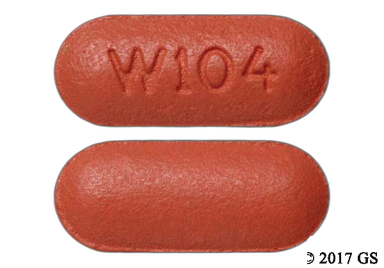
Nerlynx (neratinib) is an oral medication that treats HER2-positive breast cancer. Depending on the stage of breast cancer, it’s taken by itself (early stage) or together with another anticancer medication (advanced or metastatic stage). Nerlynx (neratinib) is typically used for people who’ve received other previous breast cancer treatments. It’s conveniently taken once a day, but usually causes diarrhea.

Nerlynx (neratinib) is a kinase inhibitor. It works by blocking the action of specific proteins called human epidermal growth factor receptor 2 (HER2) and epidermal growth factor receptor (EGFR). HER2 and EGFR are both found on normal and cancer cells, and they play a role in cell growth.
In some cancers like HER2-positive breast cancer, the cancer cells have more HER2 and EGFR proteins than normal cells. When these proteins are blocked by Nerlynx (neratinib), the cancer cells can’t grow and spread as well.
| Common Brands | Nerlynx |
|---|---|
| Drug Class | Kinase inhibitor |
| Controlled Substance Classification | Not a controlled medication |
| Generic Status | No lower-cost generic available |
| Availability | Prescription only |

The following side effects may get better over time as your body gets used to the medication. Let your healthcare provider know immediately if you continue to experience these symptoms or if they worsen over time.
*These side effects happened when Nerlynx (neratinib) was taken by itself or together with other chemotherapy.
Contact your healthcare provider immediately if you experience any of the following.
Side effects that you should report to your care team as soon as possible:
Side effects that usually do not require medical attention (report these to your care team if they continue or are bothersome):




Nerlynx (neratinib) can cause some serious health issues. This risk may be even higher for certain groups. If this worries you, talk to your doctor or pharmacist about other options.
Most people taking Nerlynx (neratinib) have diarrhea during treatment. Diarrhea typically happens within the first month of treatment and lasts less than a week. Though rare, severe cases of diarrhea can sometimes lead to dehydration, very low blood pressure, and kidney damage. To prevent, manage, and treat diarrhea, your provider will likely instruct you to take an antidiarrheal medication such as loperamide (Imodium A-D) along with your Nerlynx (neratinib) treatment. Let your provider know if you begin to have any diarrhea. They might adjust your antidiarrheal medication, lower your Nerlynx (neratinib) dose, or stop your Nerlynx (neratinib) treatment.
Nerlynx (neratinib) can cause liver damage. Your provider will track your liver health through lab work while you’re taking this medication. Let your provider know if you develop any symptoms of liver problems, such as yellowing of skin or whites of your eyes, dark urine, and pain or discomfort in the right upper stomach area. Your provider might lower your Nerlynx (neratinib) dose, pause, or stop your treatment.
Nerlynx (neratinib) might cause harm to an unborn baby. If you're a female who can get pregnant, your provider might double check to make sure you’re not pregnant before you start treatment. Use birth control while taking Nerlynx (neratinib) and for at least 1 month after your last dose. If you’re a male taking Nerlynx (neratinib) and your partner is able to become pregnant, you should use birth control while you’re taking Nerlynx (neratinib) and for at least 3 months after your last dose. Let your provider know right away if you or your partner becomes pregnant during this time.

Each tablet contains 40 mg of neratinib.
The typical dose is 6 tablets (total of 240 mg of neratinib) taken at one time each day. Some people might start on a lower dose of Nerlynx (neratinib) first before the dose is slowly raised to 240 mg (see FAQs for more information).
Your dose might be different if you have liver problems or if you experience side effects.





Prescription savings
Stop paying too much for your prescriptions. Compare prices, get pharmacy coupons, and save up to 80%. Find expert answers to your health questions so you can make the best decisions for yourself and your family.
Health conditions
Medications & treatment
Access & affordability
Medication discounts

To help manage having diarrhea from Nerlynx, your provider might start you at a lower dose (3 tablets daily), and then slowly raise it up to the typical dose (6 tablets daily) over 2 weeks. This is an alternative dosing option compared to starting treatment at the typical dose right off the bat along with taking the antidiarrheal medication loperamide (Imodium A-D) regularly for at least the first 2 months of treatment. Talk with your provider about the best dosing strategy for you.
For early-stage breast cancer, you typically continue treatment until the cancer comes back. But keep in mind that treatment with Nerlynx is also limited to 1 year for this stage of breast cancer, since there haven’t been any studies about how well the medication works or how safe it is beyond that time. On the other hand, for advanced or metastatic breast cancer, you typically continue treatment as long as Nerlynx is preventing your cancer from getting worse. But in general, if you don’t tolerate Nerlynx well, experience certain side effects like severe diarrhea, or your provider determines the medication is causing liver problems, your care team will discuss with you about what this means and if you need to stop treatment. Don’t stop taking Nerlynx without talking with your healthcare provider first.
In clinical studies, hair loss wasn’t a reported side effect of Nerlynx. Hair loss is more commonly related to other anticancer medications for breast cancer like docetaxel (Taxotere) and paclitaxel. If you experience hair loss during Nerlynx treatment, contact your provider so they can check what’s causing it and address your concerns.
Nerlynx isn’t considered chemotherapy. Chemotherapy medications kill cancer cells in your body. Nerlynx doesn’t kill cancer cells, but rather slows or stops cancer cells from growing.
It isn’t recommended to breastfeed while taking Nerlynx. It's not known if the medication can be found in breast milk, but there’s a risk of serious harm to nursing infants if it is. Because of this risk, don’t breastfeed during Nerlynx treatment and for at least 1 month after your last dose. Talk with your provider if you have any questions about breastfeeding or recommendations for other ways to feed your baby while taking Nerlynx.
