



Which Diabetes Medications Can Cause Weight Loss or Gain?
Many diabetes drugs cause weight changes. But which drugs cause weight loss, and which cause weight gain? Here’s how metformin, Ozempic, and other meds affect your weight.

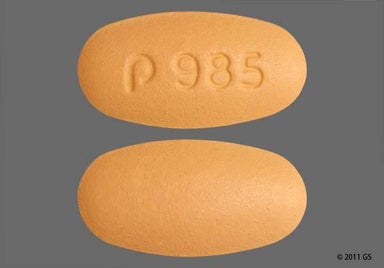
Nateglinide is an add-on medication to diet and exercise to control blood sugar in people with Type 2 diabetes. This medication comes as a tablet that's taken by mouth. It must be taken three times a day, which might be inconvenient for some people.

Nateglinide belongs to the meglitinide class of medications. It works by making your pancreas release more insulin into your body. Insulin is a hormone that helps your body use sugar for energy and store any extra sugar for later use. This keeps your blood sugar from getting too high.
| Common Brands | Starlix |
|---|---|
| Drug Class | Meglitinide |
| Controlled Substance Classification | Not a controlled medication |
| Generic Status | Lower-cost generic available |
| Availability | Prescription only |

The following side effects may get better over time as your body gets used to the medication. Let your healthcare provider know immediately if you continue to experience these symptoms or if they worsen over time.
Contact your healthcare provider immediately if you experience any of the following.
Along with its needed effects, a medicine may cause some unwanted effects. Although not all of these side effects may occur, if they do occur they may need medical attention.
Check with your doctor immediately if any of the following side effects occur:
Less common
Convulsions (seizures)
unconsciousness
Check with your doctor as soon as possible if any of the following side effects occur:
Less common
Low blood sugar, including anxious feeling, behavior change similar to being drunk, blurred vision, cold sweats, confusion, cool pale skin, difficulty in thinking, drowsiness, excessive hunger, fast heartbeat, headache, nausea, nervousness, nightmares, restless sleep, shakiness, slurred speech, or unusual tiredness or weakness
Some side effects may occur that usually do not need medical attention. These side effects may go away during treatment as your body adjusts to the medicine. Also, your health care professional may be able to tell you about ways to prevent or reduce some of these side effects. Check with your health care professional if any of the following side effects continue or are bothersome or if you have any questions about them:
Other side effects not listed may also occur in some patients. If you notice any other effects, check with your healthcare professional.
Call your doctor for medical advice about side effects. You may report side effects to the FDA at 1-800-FDA-1088.




Nateglinide can cause some serious health issues. This risk may be even higher for certain groups. If this worries you, talk to your doctor or pharmacist about other options.
Nateglinide can cause low blood sugar, which can be life-threatening. It's important to eat a meal before taking your dose to avoid low blood sugar. Some signs of low blood sugar include dizziness, headache, feeling sleepy or weak, shaking, fast heartbeat, confusion, or sweating. Check your blood sugar and call your provider right away if you have any of these signs. Make sure to take a few glucose tablets, drink some juice or soda, or eat a couple hard candies to bring your blood sugar up quickly. Talk to your provider or pharmacist if you have questions about the risk of having low blood sugar and how to recognize and treat it.


Although certain medicines should not be used together at all, in other cases two different medicines may be used together even if an interaction might occur. In these cases, your doctor may want to change the dose, or other precautions may be necessary. When you are taking this medicine, it is especially important that your healthcare professional know if you are taking any of the medicines listed below. The following interactions have been selected on the basis of their potential significance and are not necessarily all-inclusive.
Using this medicine with any of the following medicines is usually not recommended, but may be required in some cases. If both medicines are prescribed together, your doctor may change the dose or how often you use one or both of the medicines.
Using this medicine with any of the following medicines may cause an increased risk of certain side effects, but using both drugs may be the best treatment for you. If both medicines are prescribed together, your doctor may change the dose or how often you use one or both of the medicines.




Prescription savings
Stop paying too much for your prescriptions. Compare prices, get pharmacy coupons, and save up to 80%. Find expert answers to your health questions so you can make the best decisions for yourself and your family.
Health conditions
Medications & treatment
Access & affordability
Medication discounts

If you skip a meal, you'll need to skip that dose of Nateglinide. This medication causes your pancreas to release insulin within 20 minutes after you take it. If you're not eating something after taking your dose, you don't need the insulin to lower your blood sugars. In fact, taking your Nateglinide even if you haven't eaten puts you at risk of having blood sugar that's too low, which can be dangerous.
Nateglinide raises the insulin levels in your body for about 4 hours after taking a dose. Since you typically need to take Nateglinide right before meals, having more insulin in your body during that time helps manage your blood sugar levels from your meal.
Nateglinide can cause low blood sugar (hypoglycemia). Low blood sugar is more likely to happen if you use Nateglinide with another diabetes medication, if you delay or miss a meal or snack, exercise more than usual, drink alcohol, or can't eat because of nausea or vomiting. Check out the Pharmacist Tips section about ways to manage low blood sugar.
Yes. If you have Type 2 diabetes, there's a good chance that you're taking metformin since it's a first-choice medication for lowering your A1C (a measure of blood sugar). If you need additional blood sugar control, your provider might add Nateglinide to your treatment plan. There are some people who can't take metformin because they have kidney problems; in this case, your provider might recommend that you take Nateglinide by itself. Speak with your provider about a treatment plan that works best for you.
Nateglinide works by making your pancreas release more insulin. But, people with Type 1 diabetes aren't able to make enough insulin because their body (immune system) attacks their own pancreas. For this reason, Nateglinide won't work well for people with Type 1 diabetes. If you have Type 1 diabetes, speak with your provider about your treatment options.
