


Kesimpta, Tysabri, and More: 8 Injections and Infusions for Multiple Sclerosis
For people living with multiple sclerosis (MS), many injectable medications are available to manage the condition. Here are eight MS injections and infusions to know.
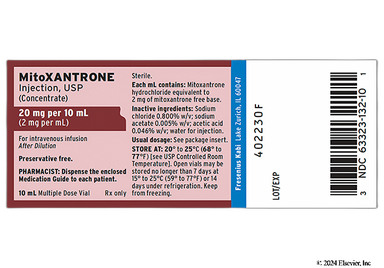
Mitoxantrone is a topoisomerase inhibitor, which is a type of chemotherapy. It's FDA-approved to treat multiple sclerosis (MS), prostate cancer, and acute myeloid leukemia (AML). But it's not a first-choice medication for these conditions. Mitoxantrone is given as an infusion into the veins; how often you receive it depends on your medical condition. Some common side effects of mitoxantrone include nausea and hair loss. It can also cause serious heart-related problems (cardiotoxicity). Brand name Novantrone is no longer available.

Mitoxantrone is a topoisomerase inhibitor. It blocks proteins called topoisomerases that typically help cells make copies of themselves. By blocking these proteins, cells (including cancer cells) aren't able to grow and divide.
Mitoxantrone also affects your immune system. It's thought to slow down the worsening of MS by blocking certain immune cells from attacking your nerves.
| Common Brands | Novantrone |
|---|---|
| Drug Class | Topoisomerase inhibitor |
| Controlled Substance Classification | Not a controlled medication |
| Generic Status | No lower-cost generic available |
| Availability | Prescription only |

The following side effects may get better over time as your body gets used to the medication. Let your healthcare provider know immediately if you continue to experience these symptoms or if they worsen over time.
Multiple sclerosis
Prostate cancer
Leukemia
Please note: Side effects listed might not be from mitoxantrone alone. Some people who took mitoxantrone in clinical trials also took other anticancer medications.
Contact your healthcare provider immediately if you experience any of the following.
Along with its needed effects, a medicine may cause some unwanted effects. Although not all of these side effects may occur, if they do occur they may need medical attention.
Check with your doctor or nurse immediately if any of the following side effects occur:
More common
Black, tarry stools
bladder pain
bloody or cloudy urine
cough or shortness of breath
difficult, burning, or painful urination
dizziness
fainting
fast, slow, or irregular heartbeat
frequent urge to urinate
lower back or side pain
pale skin
stomach pain
swelling or inflammation of the mouth
troubled breathing with exertion
ulcers, sores, or white spots in the mouth
unusual bleeding or bruising
unusual tiredness or weakness
Less common
Blood in the urine or stools
decrease in urination
fever or chills
pinpoint red spots on the skin
seizures
sore, red eyes
swelling of the feet and lower legs
yellow eyes or skin
Some side effects may occur that usually do not need medical attention. These side effects may go away during treatment as your body adjusts to the medicine. Also, your health care professional may be able to tell you about ways to prevent or reduce some of these side effects. Check with your health care professional if any of the following side effects continue or are bothersome or if you have any questions about them:
More common
Absent, missed, or irregular menstrual periods
back pain
body aches or pains
congestion
dryness or soreness of the throat
headache
longer or heavier menstrual periods
nausea or vomiting
oral bleeding
pain or tenderness around the eyes and cheekbones
stopping of menstrual bleeding
tender, swollen glands in the neck
thinning of the hair
Other side effects not listed may also occur in some patients. If you notice any other effects, check with your healthcare professional.
Call your doctor for medical advice about side effects. You may report side effects to the FDA at 1-800-FDA-1088.




Mitoxantrone can cause some serious health issues. This risk may be even higher for certain groups. If this worries you, talk to your doctor or pharmacist about other options.
 Mitoxantrone should only be injected slowly as an intravenous (into the vein) infusion by a healthcare provider experienced in cancer chemotherapy. This will make sure that you're monitored and treated properly for any severe side effects. This medication should never be given subcutaneously (under the skin), intramuscularly (into the muscle), intra-arterially (into an artery), or intrathecally (into the spinal canal), because it can cause serious problems.
Mitoxantrone shouldn't be given to people with a low white blood cell (WBC) count, unless it's used for the treatment of leukemia. Mitoxantrone can cause your WBCs to drop dangerously low and raise your risk for serious infection. Regardless of why you're receiving this medication, your provider will check your blood count often during treatment. Let your provider know if you have a history of low blood cell counts, and they'll determine if you should still receive this medication.
Mitoxantrone can raise the risk of heart problems, such as congestive heart failure. This can happen during your treatment with mitoxantrone or months to years after stopping this medication. The more mitoxantrone you receive, the higher your risk will be for heart failure. Before starting mitoxantrone, your provider will check your heart through ultrasound to determine if you can receive this medication. If you're being treated for multiple sclerosis, your provider will check your heart before each dose, and yearly after stopping treatment.
People with multiple sclerosis or cancer who receive mitoxantrone have a higher risk of developing secondary leukemia. This is when a new blood cancer develops during the treatment of a condition that you already have. The most common types are acute promyelocytic leukemia and acute myeloid leukemia. Let your provider know right away if you experience signs and symptoms of acute leukemia, such as feeling usually tired and weak, getting infections more often, bruising and bleeding easily, fever, unexplained weight loss, or night sweats.
Based on the way it works, mitoxantrone might cause harm to your unborn baby if you're getting this medication while you're pregnant. If you're a female who's able to become pregnant, speak with your provider about ways to avoid becoming pregnant and options for birth control during your treatment. You might need to take a pregnancy test before each dose to make sure you're not pregnant when you receive the medication. Discuss the risks and benefits of this medication with your provider.
Mitoxantrone contains a chemical compound called a sulfite, and although it's rare, it might cause serious allergic reactions, including anaphylaxis. You'll be monitored carefully during and after your treatment with mitoxantrone. Get medical help right away if you experience signs and symptoms of an allergic reaction, such as dizziness, hives, rash, difficulty breathing, or swelling of the mouth or throat.


Although certain medicines should not be used together at all, in other cases two different medicines may be used together even if an interaction might occur. In these cases, your doctor may want to change the dose, or other precautions may be necessary. When you are receiving this medicine, it is especially important that your healthcare professional know if you are taking any of the medicines listed below. The following interactions have been selected on the basis of their potential significance and are not necessarily all-inclusive.
Using this medicine with any of the following medicines is not recommended. Your doctor may decide not to treat you with this medication or change some of the other medicines you take.
Using this medicine with any of the following medicines is usually not recommended, but may be required in some cases. If both medicines are prescribed together, your doctor may change the dose or how often you use one or both of the medicines.
Using this medicine with any of the following medicines may cause an increased risk of certain side effects, but using both drugs may be the best treatment for you. If both medicines are prescribed together, your doctor may change the dose or how often you use one or both of the medicines.


Prescription savings
Stop paying too much for your prescriptions. Compare prices, get pharmacy coupons, and save up to 80%. Find expert answers to your health questions so you can make the best decisions for yourself and your family.
Health conditions
Medications & treatment
Access & affordability
 Our monthly healthcare membership can help you save thousands on your prescription costs.
Resources

Yes, Mitoxantrone is a chemotherapy. Chemotherapies are medications that kill fast-growing cells, such as cancer cells. Specifically, Mitoxantrone is a topoisomerase inhibitor that works by preventing cells from making copies of itself. In doing so, cells, like cancer cells, can't grow and spread.
Anthracycline is a class of chemotherapy medications that prevent cells from making copies of themselves. Mitoxantrone is very similar to anthracyclines and it's sometimes referred to as an anthracycline in the broad sense of the term. But Mitoxantrone differ slightly from anthracyclines in its chemical structure and how it works. Both Mitoxantrone and anthracyclines treat cancer by preventing cells from making copies of themselves.
Mitoxantrone is a dark blue medication that's infused into the veins. Be aware that this medication can cause your urine to turn blue-ish green for up to 24 hours after an infusion. Some people also noted the whites of their eyes turning blue. This side effect is temporary and should go away with time.
While Mitoxantrone is FDA-approved for to relieve pain in advanced prostate cancer and to treat acute myeloid leukemia (AML), it's not a first-choice medication for either of these conditions because there are other options that work better. If you need chemotherapy, your provider will consider other medications first based on treatment guidelines. Talk with your provider if you have questions about Mitoxantrone and cancer.
Mitoxantrone is FDA-approved to treat MS. Studies suggest that it can help with MS by calming down certain immune cells from attacking the nerves. But recent guidelines don't recommend this medication as a first-choice option because it can cause serious side effects, such as cardiotoxicity (serious heart problem), fertility problems, and risk of cancer. Ask your provider if you have concerns about Mitoxantrone and MS.
You might be required to get a few blood tests before and at certain times during treatment. Your provider will check your blood cell counts before each dose of Mitoxantrone and when you experience signs and symptoms of an infection. They'll also check your liver function before each treatment course to make sure your liver is working properly. In addition, since Mitoxantrone can affect the heart, your provider will perform tests on your heart before each dose and when you experience signs and symptoms of heart problems anytime during your treatment. Lastly, females who are able to have a baby will need to get a pregnancy test before each dose of Mitoxantrone to make sure this medication isn't given during pregnancy.
Mitoxantrone can pass into your breast milk for up to 28 days or longer after your last dose. Since there's a risk that Mitoxantrone might cause harm to your baby, stop breastfeeding before you start your treatment. Speak with your provider about the best way to feed your baby while you're getting Mitoxantrone.
